Two weeks in Sichuan gives you enough time to go beyond Chengdu and experience the province’s remarkable variety, from giant pandas and ancient Buddhist sites to highland lakes, snow mountains and Tibetan landscapes. However, with so many destinations to choose from, the challenge is knowing how to plan 14 days without spending half your trip on the road.
Just like 2-week trips in China, there is no single best two-week Sichuan itinerary. Your route should depend on your interests, travel season, hiking ability and preferred pace.
At QuietRoutes, we plan private and customized trips across Sichuan. In this guide, we’ll explain how to structure two weeks in Sichuan and give you several itinerary options to help you create a route that fits your trip.
Is 2 Weeks Enough for Sichuan?
Yes. Two weeks is one of the best trip lengths for exploring Sichuan for the first time.
With 5–7 days, you can cover Chengdu and one major scenic area. Around 10 days gives you enough time to add Jiuzhaigou or Mount Emei. With 14 days, you can go further, combining classic sights with the mountains and Tibetan landscapes of Western Sichuan.
Another advantage of a two-week trip is that you don’t have to plan every day too tightly. You can allow extra time for long mountain journeys, changing weather, or simply staying longer in places you enjoy, making the overall journey more comfortable.
Best Two-Week Sichuan Itinerary Sample
As an experienced Sichuan travel operator, we’ve helped travelers worldwide plan private trips across Sichuan. The sample below is a popular combination for first-time visitors, balancing Chengdu’s culture and food with iconic scenery, Buddhist heritage, and Western Sichuan’s high-altitude landscapes.
- Day 1: Arrive in Chengdu and settle into the city
- Day 2: Chengdu | Panda Base, traditional teahouse and local food
- Days 3–4: Chengdu day trips to Leshan and Mount Emei
- Days 5–7: Chengdu → Jiuzhaigou and Huanglong → Chengdu
- Days 8–12 — Western Sichuan like Siguniang Mountain → Danba → Tagong → Xinduqiao
- Day 13: A flexible day in Chengdu for rest or shopping
- Day 14: Departure
This route is a balanced starting point, but it is far from the only way to spend two weeks in Sichuan. Depending on your interests, travel style and pace, you can easily adjust the itinerary in several ways.
How to Customize Your 14-Day Sichuan Itinerary
The sample itinerary above is just one possible combination. With two weeks in Sichuan, you can mix and match different regions depending on what you most want to experience.
Option 1: For More City and Nearby Highlights
Best for: First-time visitors, food lovers, families and travelers who prefer easier travel
Spend more time in Chengdu and explore attractions within easy reach, such as the Giant Panda Base, Dujiangyan, Qingcheng Mountain, Leshan, and Mount Emei.
This option gives you more time for Chengdu’s food, teahouses and local neighborhoods while keeping travel relatively comfortable.
Option 2: For More Mountains and Hiking
Best for: Hikers, photographers and outdoor enthusiasts
Use more of your two weeks for Western Sichuan, where you’ll find snow mountains, alpine valleys, grasslands and some of China’s most spectacular mountain roads.
You can build your trip around Siguniang Mountain, or choose one of the most popular Western Sichuan hiking routes, depending on how much time you have and how active you want to be.
Option 3: For More Jiuzhaigou and Northern Sichuan
Best for: Nature lovers and travelers visiting Sichuan for its most famous scenery
If colorful lakes, waterfalls and alpine landscapes are your priority, give northern Sichuan more time rather than treating Jiuzhaigou as a quick stop.
You can combine Jiuzhaigou and Huanglong with nearby destinations, while keeping enough time for the journey between them.
Option 4: For a Quieter, Off-the-Beaten-Path Trip
Best for: Repeat visitors, photographers and travelers who prefer fewer crowds
Sichuan has plenty to offer beyond its famous attractions. Consider spending more time in less-visited mountain and nature areas instead of following the standard routes.
Depending on the season, options can include Labahe, Tangjiahe, Bipenggou, Danba and remote parts of Western Sichuan.
These routes generally involve more road travel and fewer international tourists, but they can offer a much more peaceful experience.
Build Your Own Two-Week Sichuan Trip
You don’t have to choose a ready-made itinerary. Start with the experiences you care about most, then combine the corresponding regions and routes.
At QuietRoutes, we can help you connect these different parts into one practical private itinerary, adjusting the route, transportation, accommodation and pace around your travel dates and interests.
Getting Around Sichuan in Two Weeks
Sichuan is a large province, and the best way to get around depends on where your itinerary takes you.
High-Speed Trains
High-speed trains are excellent for the major cities and northern Sichuan. The new Chengdu–Huanglongjiuzhai railway connection is especially useful for a two-week itinerary because it cuts a traditionally long road journey down dramatically. Local authorities also operate connecting services between Huanglongjiuzhai Station and Jiuzhaigou.
Private Transfers
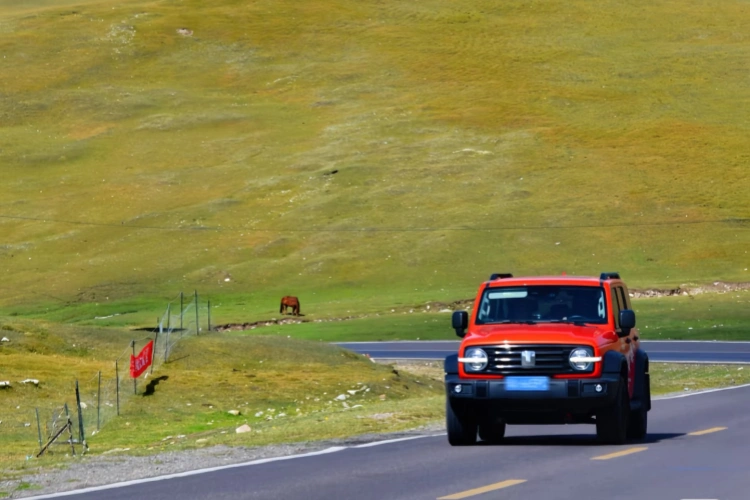
Private vehicles become much more useful once you enter Western Sichuan. Siguniang Mountain, Danba, Tagong and Xinduqiao are connected by mountain roads rather than a simple high-speed rail network. A private car also gives you flexibility for viewpoints and weather changes.
Flights
Flights can still make sense when time is the priority, particularly for travelers who want to reach distant areas quickly. However, for a first two-week trip, combining high-speed trains with private road transport usually creates a smoother experience.
Best Time for a Two-Week Sichuan Trip
Autumn is our favorite overall season, especially from late September through October. Chengdu is comfortable, while the mountains can offer clear skies and beautiful autumn colors.
Spring is pleasant for Chengdu and lower-altitude areas, although some mountain destinations can still feel cool.
Summer is popular for escaping the heat of Chengdu and enjoying high-altitude scenery, but rain can affect mountain roads and hiking conditions.
Winter can be surprisingly rewarding for Chengdu, pandas and cultural sightseeing. High-altitude Western Sichuan requires more careful planning because of cold weather and road conditions.
If your priority is Jiuzhaigou’s autumn scenery, plan around the seasonal foliage rather than simply choosing a month because it is generally considered the “best” time.
Read More: Best Time to Visit Sichuan

Things to Know Before Spending Two Weeks in Sichuan
- Sichuan is bigger than it looks on a map, so allow plenty of time for mountain roads.
- Don’t underestimate altitude sickness when traveling into Western Sichuan.
- Build some flexibility into your itinerary, particularly for mountain destinations.
- Use trains where they save time and private transport where they add flexibility.
- Don’t try to collect every famous attraction. Three or four well-chosen regions make a better trip than eight rushed stops.
- Book popular attractions and hotels ahead during peak seasons.
- Give yourself time to enjoy Chengdu, rather than treating it only as a transportation hub.
Final Takeaway
Two weeks in Sichuan is long enough to see far more than Chengdu, but short enough that you still need to choose carefully.
For a first trip, we recommend combining Chengdu’s pandas, food and culture with Leshan and Mount Emei, Jiuzhaigou’s extraordinary landscapes, and a short road trip in Western Sichuan.
If you want an easier journey, focus on Chengdu, Jiuzhaigou and Emei. If mountains and Tibetan landscapes are your priority, reduce the city sightseeing and give Western Sichuan more time.
Either way, don’t measure your trip by how many places you tick off. Sichuan is best experienced with a little breathing room, such as a cup of tea in Chengdu, an extra viewpoint in the mountains, or an unplanned stop on a Western Sichuan road can end up being one of the memories you take home.
In the end, if you have any concerns about planning your 2 weeks in Sichuan, don’t hesitate to contact us. We are always here to help.
FAQ
What is the best 14-day itinerary for Sichuan?
There is no single best route because it depends on your interests. For a balanced first trip, you could combine Chengdu, Leshan and Mount Emei, Jiuzhaigou and Huanglong, then spend several days in Western Sichuan. If you prefer mountains, hiking or a slower pace, you can reduce the city and classic sightseeing sections and spend more time in Western Sichuan.
IteHow many days should I spend in Chengdu?m #2
We recommend 3–4 days in Chengdu for a first visit.
This gives you time for the Giant Panda Base, temples, historic neighborhoods, teahouses and Sichuan cuisine, while also allowing a day trip to nearby attractions such as Dujiangyan or Qingcheng Mountain if you wish.
Read More: How Many Days in Chengdu
Is 14 days enough for Chengdu, Jiuzhaigou and Western Sichuan?
Yes, but you need to plan the route carefully.
A two-week trip can combine these three areas, but Western Sichuan involves longer mountain journeys than Chengdu or Jiuzhaigou. A practical plan is around 2-3 days in Chengdu, 3-4 days around Jiuzhaigou and Huanglong, and 4–5 days for Western Sichuan, with the remaining time used for transfers and flexibility.
Can I visit Western Sichuan in 14 days?
Absolutely. In fact, 14 days is an excellent length for a deeper Western Sichuan road trip. You can explore places such as Siguniang Mountain, Danba, Tagong, Xinduqiao, Kangding and, with careful planning, Daocheng Yading. This option is best for travelers who prioritize mountains, hiking, photography and Tibetan culture.
Is Daocheng Yading worth adding to a two-week Sichuan trip?
Daocheng Yading is worth considering if spectacular alpine scenery is your main priority. However, it is a long journey from Chengdu and sits at high altitude, so we don’t recommend simply adding it to an already full itinerary. Instead, build a Western Sichuan route around Yading and remove some other destinations.
What is the best month to visit Sichuan?
For an overall Sichuan trip, October is one of the best choices, particularly if you want autumn scenery in the mountains. September and October are also popular for Western Sichuan and Jiuzhaigou. However, the best month depends on your route: Chengdu is a year-round destination, while high-altitude areas have shorter comfortable travel seasons.
Is Sichuan easy to travel around independently?
The main cities and popular attractions are relatively easy to visit independently, especially with China’s high-speed rail network. Western Sichuan is more challenging because of long mountain roads, limited public transportation and changing weather conditions. For remote areas, arranging private transportation can make the trip considerably easier and more flexible.
Should I hire a private driver for Western Sichuan?
For most multi-day Western Sichuan routes, we recommend private transportation, especially when visiting several remote destinations. A private vehicle gives you more flexibility with departure times, scenic stops and route changes, and avoids having to coordinate multiple local buses. If you also want historical or cultural context, an English-speaking guide can be added to the trip.