Overview
Labahe Nature Reserve was established in 1963 and covers approximately 23,872 hectares on the southeastern slopes of the Jiajin Mountains. Located in the mountainous transition zone between the Sichuan Basin and the highlands of western Sichuan, the reserve features deep valleys, diverse vegetation, and a wide range of habitats.
The reserve is rich in plant life, with around 18 species of nationally protected rare plants, including the dove tree (Davidia involucrata), water fir (Metasequoia-like water fir), and Chinese katsura tree.
Labahe is also home to an impressive diversity of wildlife, with 46 species of mammals, 164 species of birds, 7 species of fish, and 14 species of reptiles recorded in the reserve. Among them are giant pandas, Sichuan takin, golden snub-nosed monkeys, red pandas, sambar deer, leopards, and Sichuan taimen, with a total of around 32 nationally protected species.
Why Visit Labahe Nature Reserve
Labahe is a rewarding destination for travelers who want to experience Sichuan’s wildlife and mountain landscapes away from the busier tourist routes. The reserve combines rich biodiversity, dense forests, deep valleys, and mountain scenery, making it suitable for both nature lovers and active travelers.
Fast Facts
- Location: Sichuan
- Area: 234 km²
- Elevation: 1,050–4,862 m
- Climate: Subtropical monsoon mountain climate
- Travel Pace: Slow to moderate
- Safety: Very Safe
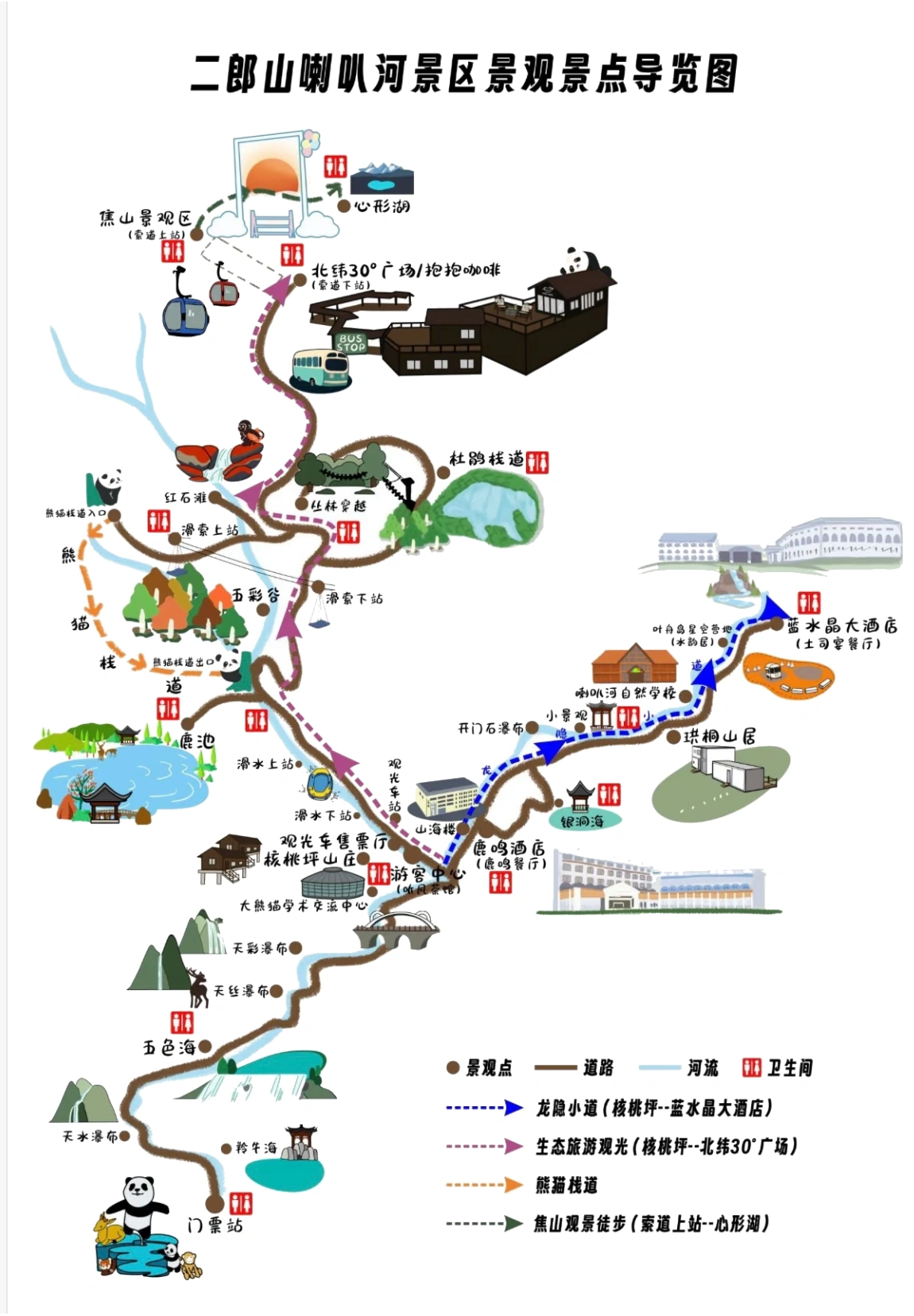
Labahe Nature Reserve Highlights
Red Panda Watching
Labahe is one of Sichuan’s notable destinations for searching for wild red pandas, particularly when seasonal food sources bring them into more visible forest areas.
Red Panda Watching
Golden Snub-Nosed Monkeys
The reserve supports small populations of golden snub-nosed monkeys, making patient forest observation especially rewarding for dedicated wildlife travelers.
Golden Snub-Nosed Monkeys
Rich Mountain Birdlife
With more than 160 recorded bird species, Labahe offers excellent opportunities for birdwatching, including forest species such as Lady Amherst’s pheasant.
Rich Mountain Birdlife
Forest Hiking
Explore lush forests, mountain valleys, streams, waterfalls, and changing landscapes on foot. Autumn is overall the best season.
Forest Hiking
Best Time to Visit Labahe Nature Reserve
Quick Takeaway
- Best Overall Season: Autumn
- Best for Red Pandas: Late August–November
- Best for Birdwatching: May–June
- Best for Golden Snub-Nosed Monkeys: Late autumn through early spring
- Best for Comfortable Hiking: Spring and autumn
How to Get to Labahe Nature Reserve
Labahe is most convenient by road. There is no railway station inside the reserve, and the final approach involves mountain roads.
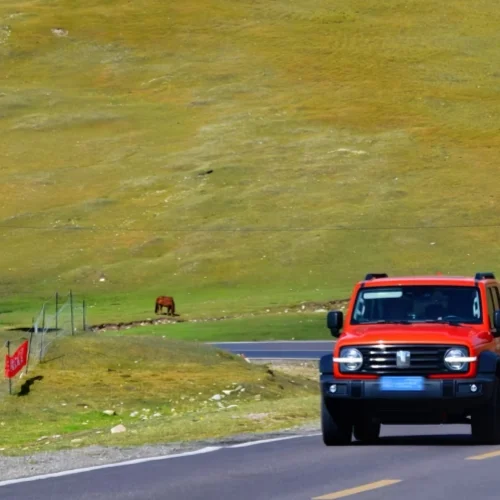
Private Vehicle from Chengdu
Labahe is roughly 180–210 km from Chengdu, around 3–4 hours’ driving. Ya’an and Tianquan are natural stopping points along the way.

High-Speed Train + Private Transfer
Take a train from Chengdu to Ya’an, then continue by private vehicle toward Tianquan and Labahe.

Self-Driving
Drive west from Chengdu along the G318 corridor toward Tianquan, then continue on local mountain roads to reach Labahe Nature Reserve.
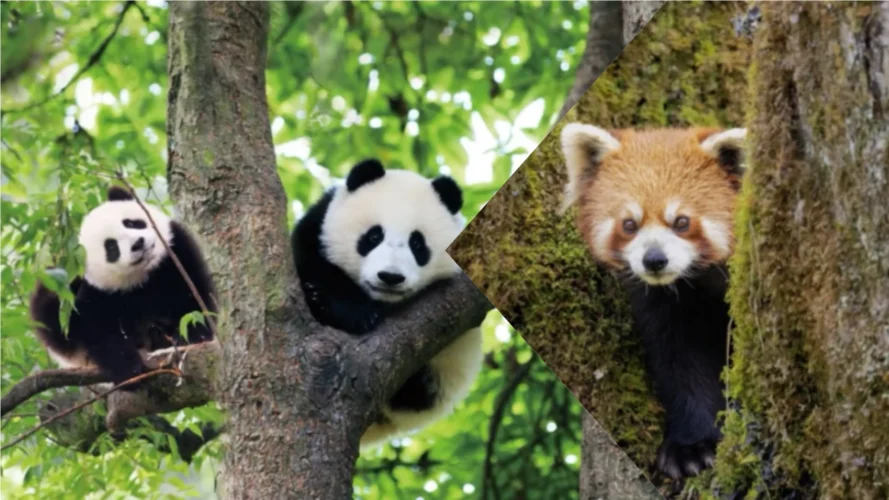
Labahe Nature Reserve Travel Tips
- If you are visiting Labahe Nature Reserve for wildlife watching, two full days is a much better starting point.
- Wild animals are generally more active during the cooler parts of the day. Early morning is especially important for serious wildlife observation.
- Many animals and birds may appear high in trees or far across a valley. Binoculars can make a major difference.
- Labahe has substantial elevation differences. Temperatures can change quickly between the lower valley and higher areas, so bring waterproof layers and warm clothing even outside winter.
- Trails can be wet, muddy, or slippery after rain. Hiking shoes with good grip are preferable to casual sneakers.
- Wild animals should never be fed or encouraged to approach visitors. Feeding can alter natural behavior and create safety problems.
- If wildlife is the main reason for visiting, a knowledgeable local guide can make the experience much more productive. They know the terrain, recent animal activity, suitable observation areas, and how to move quietly through the forest.
Labahe Nature Reserve Nearby Attractions

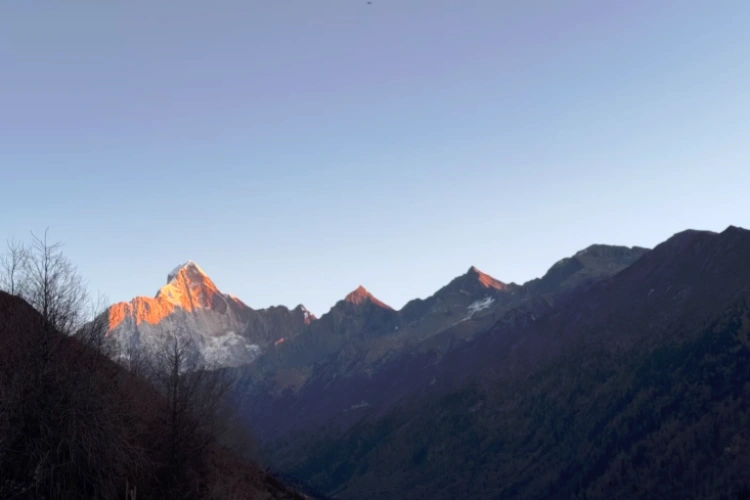


More Labahe Nature Reserve Travel Guides

FAQ
Is Labahe Nature Reserve worth visiting?
Yes, especially for travelers interested in wildlife, birdwatching, forests, and quieter nature experiences. It is a better choice for wildlife-focused travelers than visitors looking for a quick sightseeing attraction.
What animals can you see in Labahe Nature Reserve?
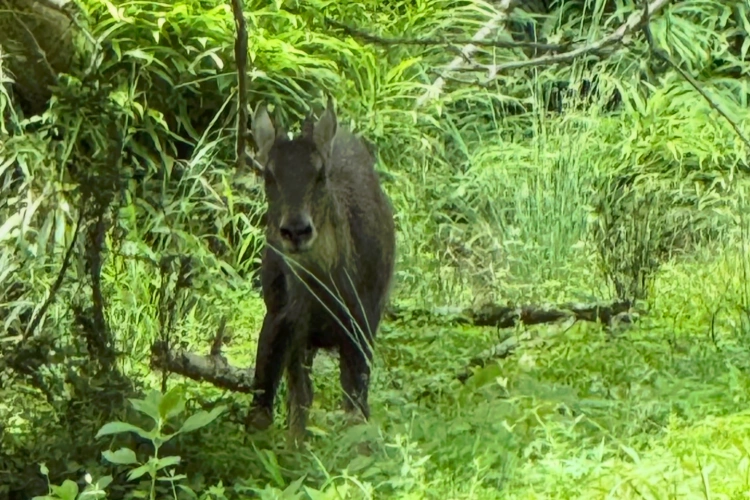
Possible wildlife includes red pandas, golden snub-nosed monkeys, Sichuan takin, Tibetan macaques, Chinese serow, sambar deer, leopard cats, and many forest birds. Sightings are naturally unpredictable.
Is Labahe a good place to see red pandas?
Yes. Red pandas are one of Labahe’s best-known wildlife attractions, and the reserve is considered a strong destination in China for searching for them in the wild. The best period can vary, but late August through November can offer particularly interesting opportunities.
When is the best time to see red pandas in Labahe?
Late August to November is a particularly good period because seasonal food sources can bring red pandas into more visible areas of the forest. Other seasons can also produce sightings, but there are no guarantees.
Can I see golden snub-nosed monkeys in Labahe?
Yes. Golden snub-nosed monkeys occur in the reserve, although they are much less predictable than animals in a captive wildlife facility. Late autumn through early spring can be a useful period to focus on them.
Can I see giant pandas in Labahe?
Giant pandas occur within the wider protected ecosystem, but they are extremely difficult to see in the wild. Labahe should not be chosen if seeing a giant panda is your primary goal.
Is Labahe Nature Reserve suitable for hiking?
Yes. The reserve offers forest paths, mountain scenery, streams, waterfalls, and trails at different elevations. However, the hiking experience varies considerably depending on the route and season.
Can I visit Labahe as a day trip from Chengdu?
It is technically possible, but we do not recommend a same-day return if wildlife is your main interest. The drive from Chengdu takes several hours each way, leaving little time for early-morning or evening wildlife observation.
Can I combine Labahe with other Sichuan destinations?
Yes. Labahe works particularly well as part of a wildlife-focused route linking Chengdu, Labahe, Baoxing, Fengtongzhai, and other parts of the Giant Panda National Park, or as a nature stop on a broader Western Sichuan journey.
Do I need a guide to visit Labahe?
You can visit independently, but a local wildlife guide is recommended if your priority is finding wild animals. Labahe is a large forest environment, and knowing where and when to look can make a significant difference to the experience.