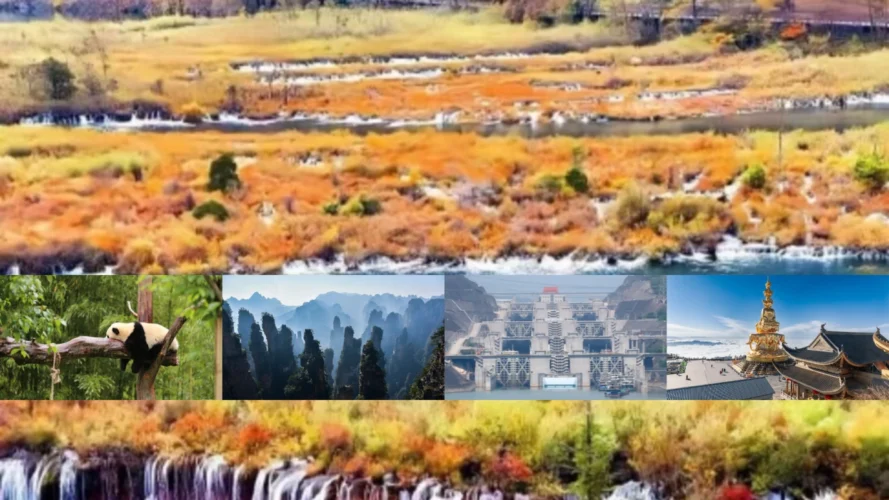
Sichuan is one of China’s most rewarding destinations. While many travelers think of Sichuan as the home of giant pandas and spicy cuisine, the province actually stretches 485,000 square kilometers (187,260 square miles), from the fertile Chengdu Plain to the snow-capped mountains and high-altitude grasslands of the Tibetan Plateau. As a result, the weather can vary dramatically between destinations, even on the same day.
So, when is the best time to visit Sichuan? The answer is that it depends on where you plan to go.
In this guide, we’ll walk you through Sichuan’s climate, weather by season and month, and the best times to visit popular destinations like Chengdu, Jiuzhaigou, Mount Emei, and Daocheng Yading, helping you choose the perfect time for your trip.
Understanding Sichuan’s Climate
Due to its diverse landscapes and terrain, Sichuan’s climate is much more varied than many travelers expect.
Eastern Sichuan vs. Western Sichuan
Eastern Sichuan, including Chengdu, Leshan, and Mount Emei, has a mild subtropical climate with four distinct seasons. Winters are cool but generally comfortable, summers are warm and humid, and spring and autumn usually offer the best weather for sightseeing, city walks, and cultural experiences.
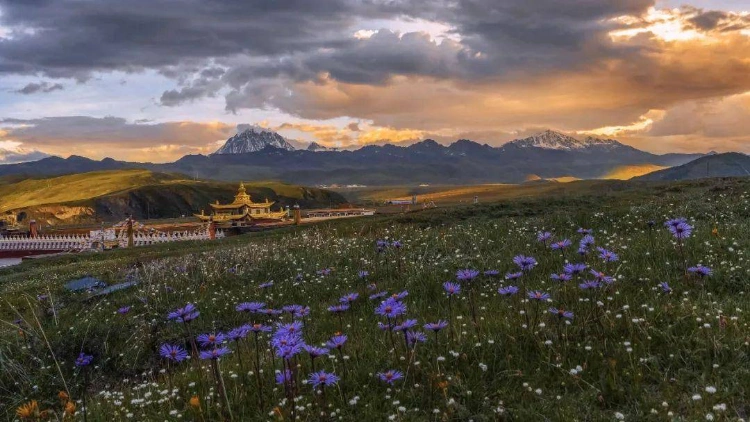
Western Sichuan is a completely different experience. Areas such as Siguniang Mountain, Daocheng Yading, and Tagong sit at much higher elevations, often above 3,000 meters. The air is cooler, the sunshine is stronger, and temperatures can drop quickly after sunset. Summer brings green valleys, blooming wildflowers, and vibrant grasslands, while winter covers the mountains with snow and creates a peaceful alpine landscape.
Rainy Season
Sichuan’s rainy season typically lasts from June to September, with the heaviest rainfall occurring in eastern Sichuan and mountainous areas. Chengdu often experiences cloudy skies and afternoon showers, while Western Sichuan can have more unpredictable mountain weather, including sudden rain and changing road conditions.
Sichuan by Season
Sichuan is a year-round destination, but each season offers a completely different travel experience.
Spring (March–May)
Spring is one of the most pleasant times to explore Sichuan. Temperatures are comfortable, and flowers bloom across countryside areas, creating a beautiful backdrop for outdoor activities.
For many travelers, spring is also a great season for panda visits. The weather is neither too hot nor too cold, making it comfortable to spend time at panda bases and combine wildlife experiences with cultural sightseeing in Chengdu.
By late spring, hiking conditions improve in many mountain areas. Lower-altitude destinations such as Mount Emei and parts of Western Sichuan become ideal for travelers who want outdoor adventures without the peak summer crowds.
Best for: pandas, city exploration, flowers, early-season hiking, and travelers who prefer mild weather.
Summer (June–August)
Summer in Chengdu can be warm and humid, which is why many locals head to the cooler mountains of Western Sichuan to escape the heat.
There, alpine meadows turn bright green, and wildflowers cover mountain slopes. Hiking trails become more accessible, rivers and waterfalls are at their fullest, and the Tibetan plateau landscapes are at their most vibrant.
The main drawback is that summer is also part of Sichuan’s rainy season. Mountain weather can change quickly, and popular destinations may become busier during school holidays. However, with flexible planning, summer remains one of the best times for Western Sichuan adventures.
Best for: hiking, grasslands, wildflowers, high-altitude scenery, and road trips.
Autumn (September–November)
Autumn is widely considered the best overall season to visit Sichuan, especially for travelers seeking dramatic landscapes and photography opportunities. The weather becomes cooler and more stable, with clearer skies and excellent visibility in mountain areas.
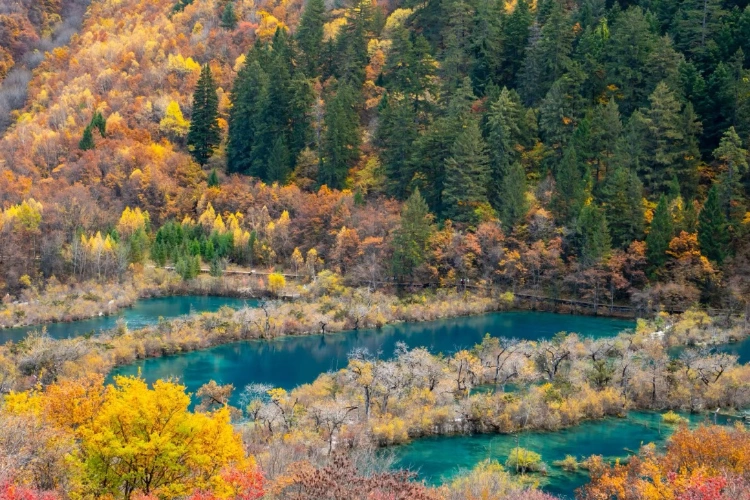
The highlight of the season is Jiuzhaigou, where forests surrounding the turquoise lakes turn into shades of gold, orange, and red. Bipenggou, Xinduqiao, and other destinations in Western Sichuan also become incredibly scenic, with snow mountains, colorful forests, and open valleys creating some of the most memorable views in China.
October is the most popular month, so major attractions can be crowded during China’s National Day holiday. Travelers who visit in late September or November can often enjoy similar scenery with fewer visitors.
Best for: photography, Jiuzhaigou, autumn colors, scenic road trips, and first-time visitors.
Winter (December–February)
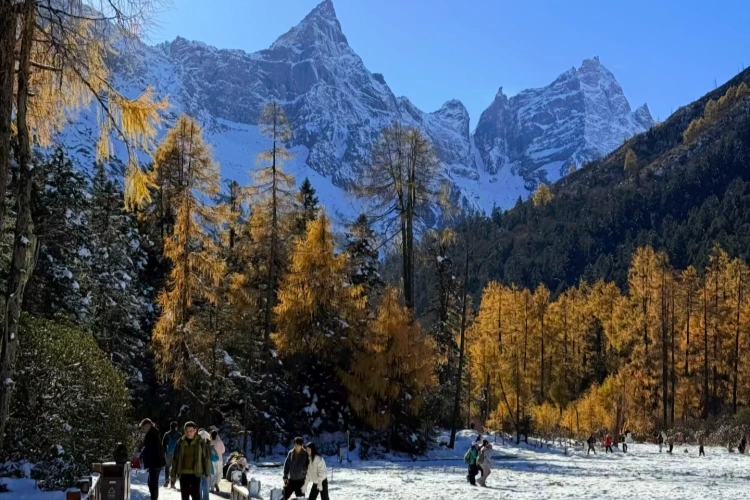
Winter brings a different side of Sichuan. While the cities remain relatively mild compared with northern China, the mountains transform into peaceful snow-covered landscapes.
This is an excellent season for travelers who enjoy fewer crowds and a slower pace. Snow-covered peaks around Western Sichuan create stunning views, while hot spring destinations such as Hailuogou offer a relaxing way to enjoy the cold weather.
Winter is also a good time for budget-conscious travelers, as accommodation prices are often lower outside the holiday periods. However, some high-altitude routes may be affected by snow and require careful planning.
Best for: snow scenery, hot springs, photography, quiet experiences, and travelers looking for better value.
Best Time to Visit Sichuan’s Top Destinations
Here are the best months to visit Sichuan’s most popular destinations and what to expect in each season.
Chengdu
Best time to visit: March–June and September–November
Chengdu is a year-round destination, but spring and autumn offer the most comfortable weather for exploring the city. These months are ideal for visiting the giant panda bases, walking through historic neighborhoods, enjoying teahouses, and exploring nearby attractions such as the Leshan Giant Buddha.
When to avoid: July and August can feel hot and humid, while major holidays such as Chinese New Year and National Day bring larger crowds to popular attractions.
Jiuzhaigou National Park
Best time to visit: Late September to October
Jiuzhaigou is beautiful throughout the year, but autumn is when the national park reaches its peak. From late September, the forests surrounding the turquoise lakes begin changing colors, creating one of China’s most spectacular autumn landscapes. Clear skies and comfortable temperatures also make this the best season for photography.
Huanglong is located near Jiuzhaigou at a higher elevation, which is usually combined in a Chengdu Jiuzhaigou itinerary.
When to avoid: July and August are part of the rainy season, and sudden weather changes are possible. October, especially during China’s National Day holiday, is the busiest period, so early planning is recommended.
Mount Emei
Best time to visit: April to October
Mount Emei is one of Sichuan’s most famous mountain destinations and can be visited throughout the year. Spring and autumn are the most comfortable seasons for hiking, with pleasant temperatures and beautiful natural scenery.
When to avoid: Summer can be rainy and foggy, which may reduce visibility at the Golden Summit. Winter visitors should prepare for cold temperatures and possible icy paths.
Leshan Giant Buddha
Best time to visit: March–June and September–November
The Leshan Giant Buddha is one of Sichuan’s easiest destinations to visit year-round, but spring and autumn provide the most comfortable conditions for sightseeing. The cooler temperatures make walking around the scenic area more enjoyable, especially when exploring viewpoints and nearby temples.
Many travelers combine Leshan with Mount Emei, making spring and autumn ideal for a combined cultural and nature trip.
When to avoid: Summer can be hot and humid, and outdoor sightseeing during midday may feel uncomfortable. National holidays can also bring large crowds.
Siguniang Mountain
Best time to visit: May to October
Known as the “Alps of Sichuan,” Siguniang Mountain is one of the best hiking destinations in Western Sichuan. Summer and early autumn are the most popular seasons, when valleys are green, wildflowers bloom, and hiking trails are generally accessible.
October is especially beautiful, with golden forests, clear skies, and excellent views of snow-capped peaks. Spring is quieter, but some higher trails may still have snow.
When to avoid: Winter brings heavy snow and very cold conditions, limiting hiking options. Summer can have afternoon rain, so flexible schedules are helpful.
Bipenggou
Best time to visit: September to November
Bipenggou is a favorite destination for travelers looking for alpine scenery without the longer journey required for some Western Sichuan destinations. Autumn is the highlight season, when colorful forests reflect in mountain lakes and snow peaks create a dramatic backdrop.
Summer is also attractive, with green forests and cooler temperatures compared with Chengdu. Winter brings snow scenery and a quieter atmosphere.
When to avoid: Weather changes quickly in the mountains. During winter, some areas may have limited access due to snow and icy conditions.
Daocheng Yading
Best time to visit: May to October
Daocheng Yading is famous for its sacred snow mountains, alpine lakes, and remote plateau landscapes. The best travel period is generally from late spring to autumn, when roads are more reliable and hiking conditions are better.
Autumn is often considered the best time for photographers because the landscapes are at their most dramatic.
When to avoid: Daocheng Yading is located at very high altitude, and weather can change quickly. Winter brings fewer visitors but also colder temperatures, snow, and possible transportation challenges.
Western Sichuan (Tagong, Xinduqiao & Litang)
Best time to visit: June to October
Western Sichuan is a vast region of snow mountains, grasslands, Tibetan villages, and scenic mountain roads. Summer is the best time to see green grasslands covered with wildflowers, especially around Tagong and Litang. Autumn offers clearer skies, golden landscapes, and excellent photography conditions around Xinduqiao, often called the “photographer’s paradise.”
For travelers planning a road trip, this period provides the best combination of scenery and road accessibility.
When to avoid: Winter creates beautiful snowy landscapes but can bring freezing temperatures, icy roads, and limited services in remote areas. During the rainy season, mountain weather can be unpredictable, especially on longer driving routes.
Final Thoughts: Choosing the Best Time to Visit Sichuan
There is no single perfect month to visit Sichuan. The best time depends on the places you want to explore and the experiences you hope to have. Spring and autumn are generally the most comfortable seasons for first-time visitors, offering pleasant weather and beautiful scenery across many destinations. However, summer is ideal for Western Sichuan’s alpine meadows and mountain adventures, while winter offers peaceful landscapes, snow scenery, and fewer crowds.
Choosing the right travel period can make your journey more comfortable and help you experience each destination at its best.
Not sure when to visit or where to go? Our local team can help you choose the best destinations, routes, and travel dates based on your interests and schedule. Contact us for personalized Sichuan travel advice and start planning your adventure.
FAQ
What is the best month to visit Sichuan?
For most travelers, October is one of the best months to visit Sichuan, especially if you plan to explore natural attractions such as Jiuzhaigou, Huanglong, and Western Sichuan.
That said, the best month depends on your itinerary. April and May are excellent for Chengdu, pandas, and lower-altitude sightseeing, while June to August is ideal for Western Sichuan’s grasslands and mountain landscapes.
Is October the best time to visit Sichuan?
October is often considered the overall best season because it combines comfortable weather with some of Sichuan’s most beautiful scenery. Jiuzhaigou’s forests turn golden and red, Western Sichuan offers clear views of snow mountains, and hiking conditions are usually excellent.
The main downside is that early October overlaps with China’s National Day holiday, one of the year’s busiest travel periods. If possible, visiting in late September or after the first week of October can provide a better experience with fewer crowds.
Can I visit Sichuan during the rainy season?
Yes, you can visit Sichuan during the rainy season, which usually runs from June to September. Rain does not necessarily mean poor travel conditions, and some destinations are actually at their most beautiful during this period.
However, mountain weather can be unpredictable, so travelers should allow some flexibility in their itinerary, especially for high-altitude areas and road trips.
Is winter a good time to visit Jiuzhaigou?
Winter can be a wonderful time to visit Jiuzhaigou if you prefer peaceful scenery and fewer visitors. The snow-covered forests and frozen waterfalls create a completely different atmosphere from the busy autumn season.
However, winter temperatures can be very cold, and some facilities or sightseeing areas may operate with reduced hours. Travelers should also prepare for icy conditions and check the latest weather before visiting.
When is the best time to visit Chengdu?
The best time to visit Chengdu is usually March to June and September to November. During these months, temperatures are comfortable for exploring the city’s parks, historic neighborhoods, teahouses, and nearby attractions.
What is the best time to see giant pandas?
Giant pandas can be seen throughout the year, but spring and autumn are generally the most comfortable seasons for visiting panda bases in Chengdu. The weather is mild, making it more enjoyable to spend time outdoors.
For the best chance of seeing active pandas, visit in the morning when they are usually more energetic and feeding. The season matters less than timing your visit well during the day. Read More: Best Time to See Pandas in Chengdu
Is Western Sichuan suitable for travel year-round?
Western Sichuan can be visited year-round, but each season offers a different experience. Summer (June–August) is best for green grasslands, wildflowers, and hiking, while autumn (September–October) offers clear skies, golden landscapes, and excellent photography conditions.
Winter brings beautiful snow scenery but requires more preparation due to cold temperatures, high altitude, and possible road conditions. Some remote areas may also have limited services during the colder months.
How many days should I spend in Sichuan?
The ideal length of a Sichuan trip depends on your interests and destinations. A 4–5 day trip is enough for Chengdu and nearby highlights such as the panda base, Leshan Giant Buddha, and Mount Emei.
For a deeper experience, 7–10 days allows you to combine Chengdu with famous natural destinations such as Jiuzhaigou, Huanglong, or Western Sichuan. If you want to explore high-altitude areas like Daocheng Yading or take a longer road trip, consider spending 10–14 days to travel at a more comfortable pace.