
7-Day Western Sichuan Tour with Tibetan Culture Immersion Experience
- Sichuan, Chengdu
- 7D / 6N
From $1,320 p.p
Overview
- 7D / 6N
- Private Vehicle
- Private
- Custom
A Western Sichuan Road Trip into Deeper Tibetan Culture, Monasteries, Highland Landscapes and Local Villages
This 7-day Western Sichuan journey is designed for travelers who want more than just scenery.
From panda conservation valleys near Chengdu to the sacred grasslands of Tagong and the spiritual heartland of Litang, this route blends Tibetan culture, slow travel, mountain landscapes, and meaningful local experiences.
You’ll join a meditation session led by Tibetan lamas, visit remote monasteries rarely included in standard tours, soak in highland hot springs, and travel through some of the most breathtaking alpine regions in Sichuan.
It is a cultural road trip filled with atmosphere, human connection, and unforgettable landscapes.
Highlights

Itinerary
Day 1:
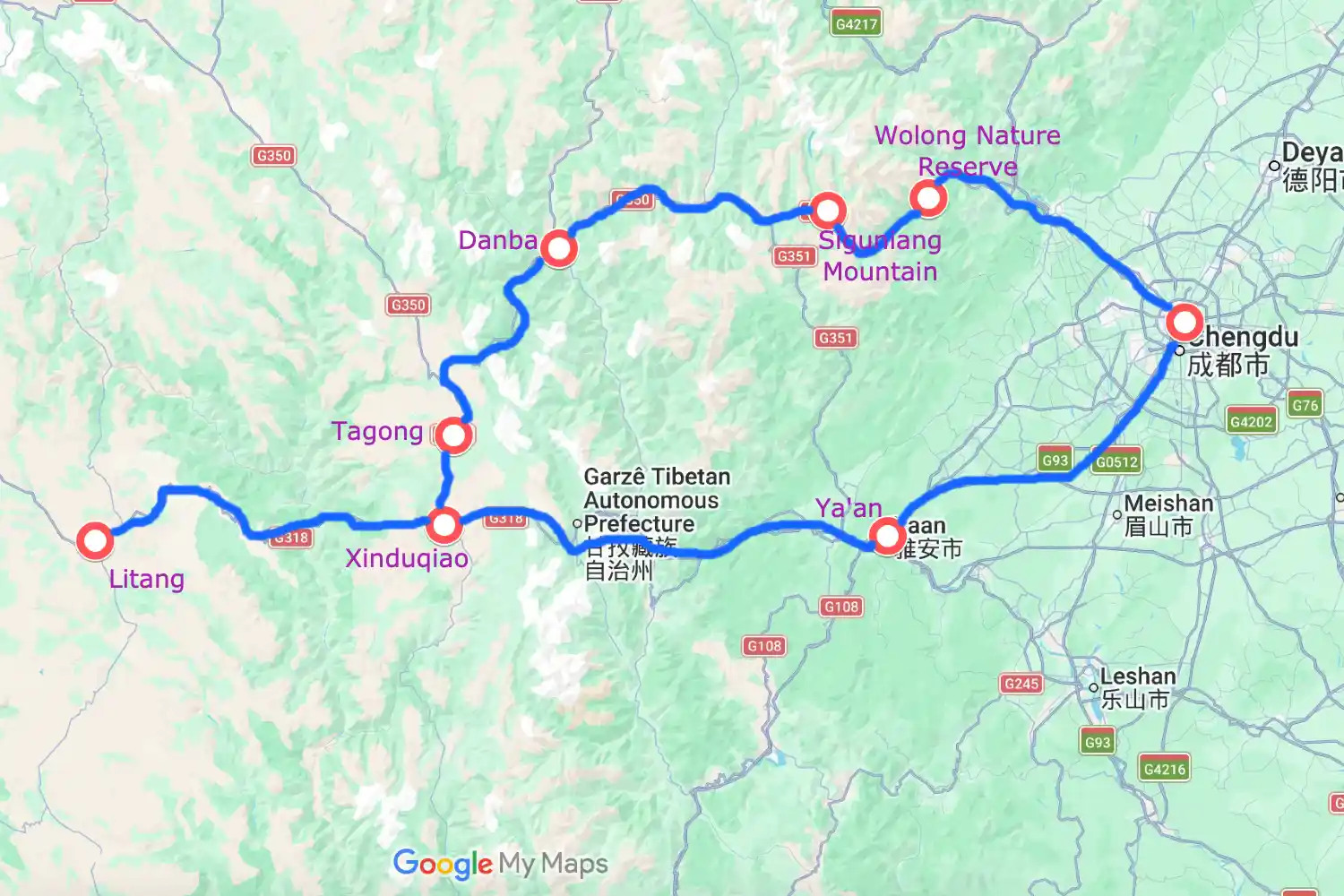
Chengdu → Wolong Panda Base → Danba → Zhonglu Village
The Experience:
Your journey begins in Chengdu as we leave the Sichuan Basin behind and gradually enter the mountain landscapes of Western Sichuan.
Today is a full scenic driving day of around 8–9 hours in total, but the constantly changing landscapes make the journey itself part of the experience.
After about 2.5–3 hours on the road, we arrive at Wolong Panda Base (~1,700 meters above sea level) inside the mountains of the Qionglai range. Here, you can watch giant pandas living in a more natural mountain environment while learning how local conservation programs helped protect both pandas and the forests they depend on.
As we continue westward, the scenery changes dramatically. Dense green valleys slowly open into deeper mountain gorges, Tibetan villages begin to appear along the roadsides, and prayer flags flutter across bridges and hilltops. We gradually climb from Chengdu’s low elevation into the transitional highland regions of Western Sichuan.
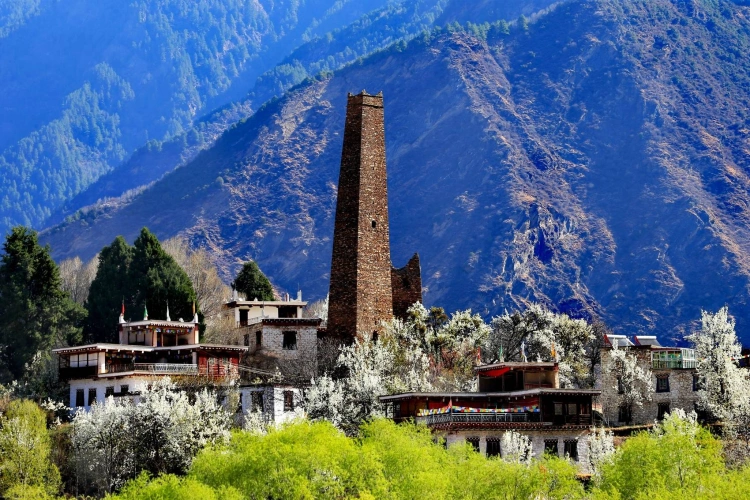
By afternoon, we reach Danba, often called one of the most beautiful valleys in China. Sitting at roughly 1,800–2,000 meters above sea level, Danba is famous for its unique mix of Tibetan and Qiang cultures, ancient stone watchtowers, and hillside villages built into the mountains.
Historically, these towers were used for defense, communication, and community identity, and many have stood here for hundreds of years.
From Danba, we continue a short distance uphill to Zhonglu Village, one of the region’s most scenic Tibetan villages. Surrounded by terraced fields, pear orchards, and mountain ridges, Zhonglu feels peaceful and untouched compared with larger tourist towns.
In the evening, you can slow down with a quiet village walk, watch smoke rise from local homes, and enjoy your first real taste of life in the Tibetan regions of Western Sichuan.
Highlights
- Wolong Panda Base visit
- Scenic mountain highway into Tibetan regions
- Zhonglu Tibetan village atmosphere
- Ancient watchtower landscapes
Tips
- The drive is long but very scenic
- Bring layers as temperatures drop significantly in the evening
- Walk slowly to begin adapting to a higher altitude
Danba
None
Wolong Shenshuping Panda Base, Danba, Zhonglu Village
Day 2:
Zhonglu → Tagong Monastery → Muya Monastery → Tagong Grassland
The Experience:
After breakfast in Zhonglu Village, we continue westward into the Tibetan plateau landscapes of Western Sichuan.
Today’s drive takes around 5–6 hours, with scenery gradually changing from mountain valleys to wide-open grasslands and high-altitude plains.
By midday, we arrive in Tagong, a Tibetan town sitting at about 3,700 meters above sea level and known as an important spiritual center in the Kham Tibetan region.
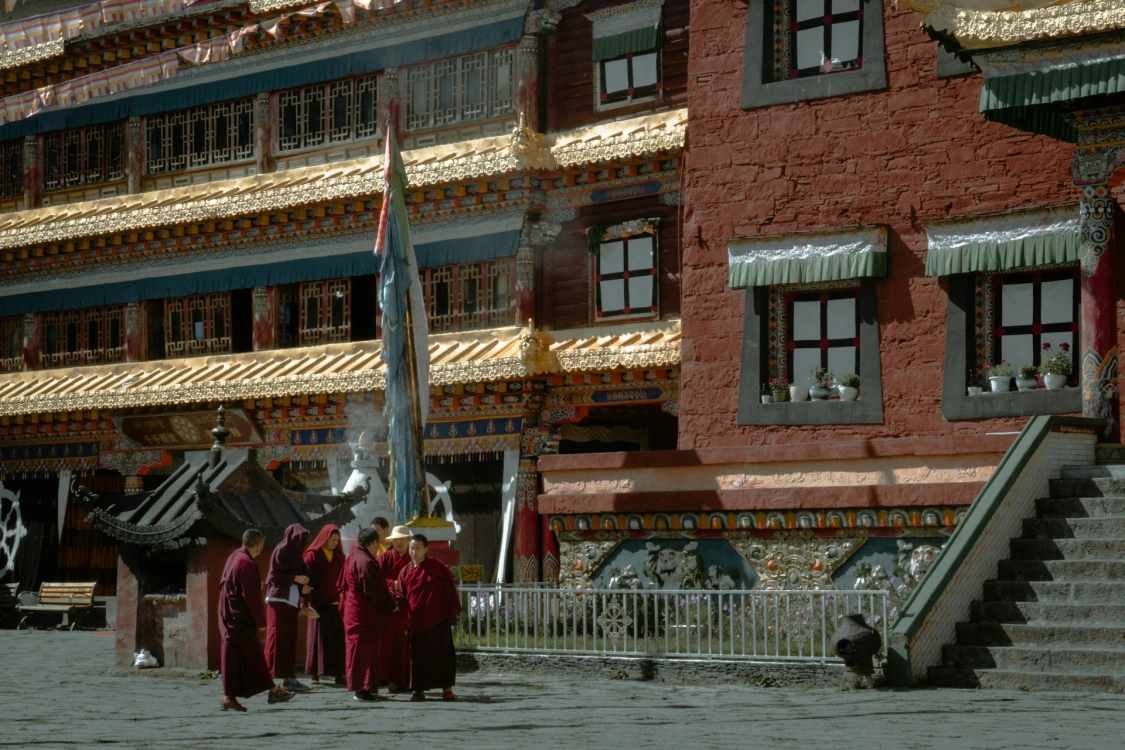
We first visit Tagong Monastery, where prayer wheels, chanting monks, and yak butter lamps create a deeply authentic Tibetan atmosphere still connected to daily local life.
Later, we continue to the quieter Muya Monastery, surrounded by open grasslands and distant snow mountain views.
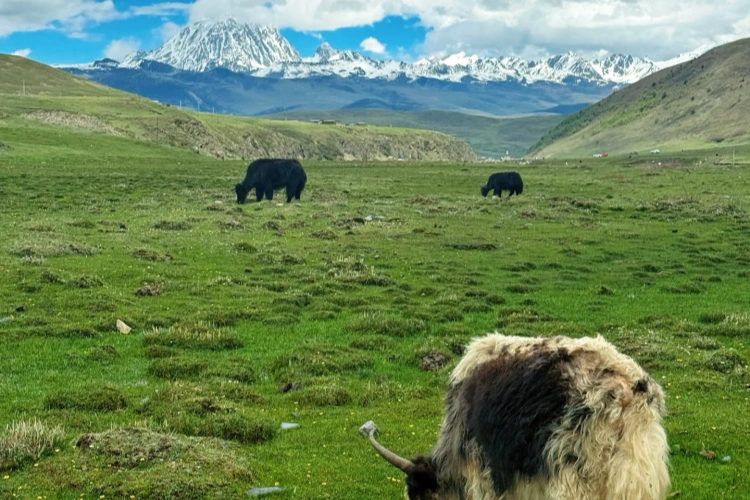
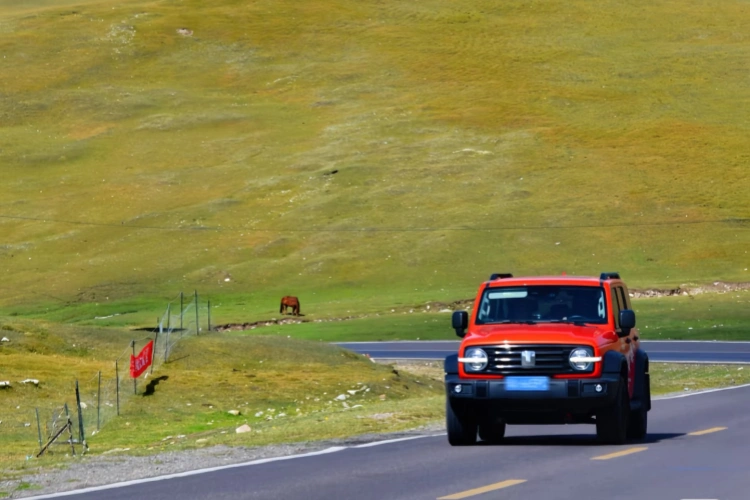
In the afternoon, we slow down and enjoy the beauty of Tagong Grassland, where grazing yaks, colorful prayer flags, and endless plateau scenery make this one of the most iconic landscapes in Western Sichuan.
Tonight, we stay in Tagong and experience the peaceful rhythm of Tibetan highland life beneath clear mountain skies.
Highlights
- Tagong Monastery exploration
- Authentic Tibetan religious culture
- Muya Monastery local atmosphere
- Endless grassland scenery
Tips
- UV levels are very strong at high altitude
- Respect the monastery photography rules
- Drink plenty of water throughout the day
Tagong
Breakfast
Zhonglu, Tagong Monastery, Muya Monastery, Tagong Grassland
Day 3:
Tagong → Litang → Thousand-House Tibetan Village → Thousand-Lamp Alley
The Experience:
This morning begins with one of the most meaningful cultural experiences of the journey: a peaceful meditation session guided by local Tibetan Nyingma lamas.
In the quiet atmosphere of the monastery, we learn about traditional Tibetan Buddhist practices, mindfulness, and the spiritual life of the plateau communities.
Afterward, we continue driving across the vast highland landscapes toward Litang, one of the highest towns in the world at over 4,000 meters above sea level.
Along the way, open grasslands, grazing yak herds, and distant snow mountains create some of the most classic scenery of Western Sichuan.
By afternoon, we arrive in Litang, an important cultural center in the Kham Tibetan region known for its deep religious traditions and strong nomadic culture.
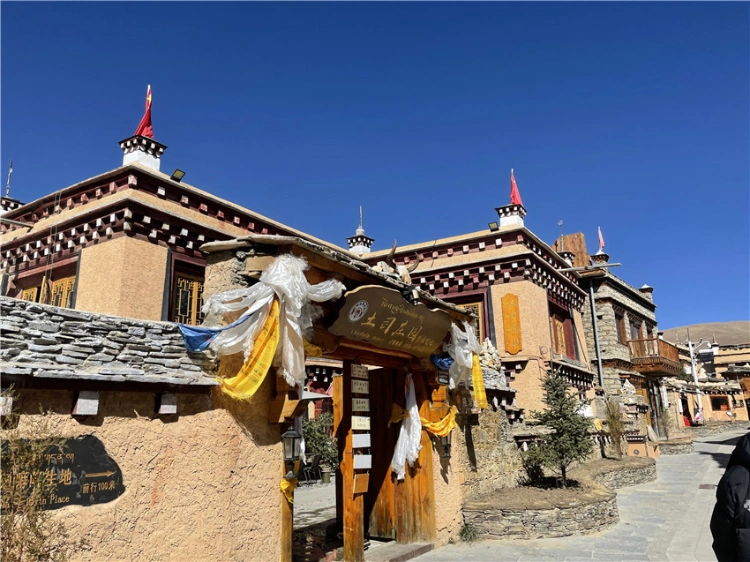
We then explore the Thousand-House Tibetan Village, where traditional white Tibetan homes spread across the hillside beneath colorful prayer flags.
In the evening, we walk through Thousand-Lamp Alley as warm lights begin glowing across the old streets, creating a beautiful and atmospheric ending to the day.
Highlights
- Tibetan meditation experience
- Ancient Nyingma Buddhist practices
- Litang highland scenery
- Thousand-Lamp Alley at night
Tips
- Altitude becomes more noticeable in Litang
- Avoid heavy physical activity after arrival
- Even summer evenings can be cold
Litang
Breakfast
Tagong, Litang, Thousand-House Tibetan Village, Thousand-Lamp Alley
Day 4:
Litang → Changqingchunke’er → Sisters Lakes → Alpine Lake Region
The Experience:
Today is one of the most scenic driving days of the journey as we travel deeper into the remote alpine landscapes of Western Sichuan.
Leaving Litang behind, we cross wide-open plateau roads, high mountain passes, and quiet Tibetan grazing lands surrounded by dramatic natural scenery.
Along the route, we pass through the Changqingchunke’er area, where the landscapes become increasingly wild and untouched. Snow mountains, rocky valleys, and winding highland roads create a true sense of entering the Tibetan Plateau wilderness.
Later, we arrive at the famous Sisters Lakes, two beautiful alpine lakes sitting side by side among the mountains at elevations of around 4,300 meters. On clear days, the deep blue water reflects the surrounding peaks and changing skies, making this one of the most photogenic areas in Western Sichuan.
Throughout the day, we make flexible scenic stops for photography, short walks, and simply enjoying the peaceful atmosphere of the high plateau landscapes.
Highlights
- Sisters Lakes viewpoints
- High-altitude alpine scenery
- Remote Tibetan plateau landscapes
- Scenic road trip photography
Tips
- Weather changes quickly in mountain regions
- Keep warm clothing accessible during the drive
- Motion sickness medication may help on winding roads
Litang
Breakfast
Litang, Changqingchunke’er, Sisters Lakes, Alpine Lake Region
Day 5:
Litang → Xinduqiao
The Experience:
Today we begin our journey eastward from Litang toward Xinduqiao, one of the most beautiful photography regions in Western Sichuan.
The drive takes around 5–6 hours, crossing wide grasslands, mountain valleys, rivers, and traditional Tibetan villages along the way.
As we gradually descend from the higher plateau regions, the landscapes become softer and greener. Golden meadows, wooden Tibetan houses, grazing yaks, and forests create constantly changing scenery throughout the route. On clear days, distant snow mountains remain visible across much of the journey.
By afternoon, we arrive in Xinduqiao, sitting at around 3,300 meters above sea level. Known as the “world of light and shadow” among photographers, the area is famous for its beautiful natural lighting, peaceful countryside atmosphere, and classic Tibetan plateau scenery.
The slower pace today gives time to relax, enjoy the landscapes, and experience the quiet beauty that makes Xinduqiao one of the most loved destinations in Western Sichuan.
Highlights
- Scenic plateau road trip
- Xinduqiao landscape photography
- Peaceful Tibetan countryside
- Golden-hour mountain scenery
Tips
- Sunrise and sunset are especially beautiful here
- A camera or drone is highly recommended
- Temperatures can vary greatly between day and night
Xinduqiao
Breakfast
Xinduqiao
Day 6:
Xinduqiao → Hot Springs → Shangli Ancient Town
The Experience:
After several days on the high Tibetan plateau, today’s journey feels slower and more relaxing as we travel back toward the greener mountain regions of Sichuan.
The drive takes around 6–7 hours in total, with changing scenery from grasslands and mountain valleys to forests, rivers, and countryside towns.
Along the way, we stop at natural hot springs hidden in the mountains, where you can relax and recover while surrounded by peaceful nature. After days of high-altitude travel, the warm mineral water offers a comfortable break for both body and mind.
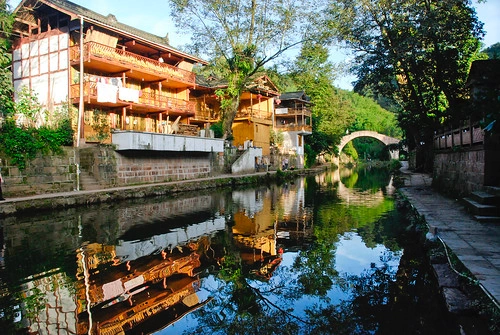
Later, we continue to Shangli Ancient Town, a quiet riverside town with a history dating back over 1,000 years. Stone bridges, traditional wooden buildings, narrow lanes, and flowing streams create a calm atmosphere very different from the open plateau landscapes of previous days.
Tonight, we slow down and enjoy a more peaceful side of Sichuan before returning to Chengdu tomorrow.
Highlights
- Natural hot spring experience
- Riverside ancient town atmosphere
- Traditional Sichuan architecture
- Relaxed countryside scenery
Tips
- Bring swimwear for hot springs
- Shangli is more humid and warmer than the plateau
- Evening walks through the old town are highly recommended
Shangli Ancient Town
Breakfast
Xinduqiao, Shangli Ancient Town
Day 7:
Shangli → Chengdu
The Experience:
This morning, we enjoy a slower start in Shangli Ancient Town before driving back to Chengdu.
Compared with the dramatic mountain roads of previous days, today’s journey feels easier and more relaxed as we pass through the green countryside and river valleys of central Sichuan.
Before leaving Shangli, you may have time for a quiet walk through the old streets, local tea houses, and stone bridges while experiencing the slower rhythm of traditional Sichuan town life.
The drive back to Chengdu takes around 2.5–3 hours. Along the way, we can make flexible stops for local snacks, tea, or countryside views depending on your interests and timing.
By afternoon, we arrive back in Chengdu, marking the end of your Western Sichuan Tibetan culture immersion journey. Your driver will transfer you to your hotel safely.
Highlights
- Relaxed countryside drive
- Final Sichuan local experiences
- Flexible return arrangements
Tips
- Chengdu arrival time can be adjusted if needed
- Airport or hotel drop-off available
- Consider extending your stay in Chengdu for food and city exploration
Nonne
Breakfast
Chengdu
Accommodation
- Danba Tibetan Village: 1 Night
- Tagong: 1 Night
- Litang: 2 Nights
- Xinduqiao: 1 Night
- Shangli: 1 Night
This itinerary combines carefully selected boutique stays, local Tibetan-style lodges, scenic highland hotels, and relaxing countryside retreats to balance comfort, atmosphere, and authentic regional character.
Our Accommodation Standards:
- Comfortable 3–5 star quality stays
- Carefully selected for location, scenery, cleanliness, and local character
- Daily breakfast included
- Private ensuite rooms
- Warm heating facilities in high-altitude regions whenever available
- Flexible room upgrades available upon request
We also provide 100% tailor-made accommodation options, including luxury resorts, premium boutique hotels, family-friendly rooms, wellness retreats, or more authentic local homestays, depending on your travel style and budget.
Cost
Included
- Private air-conditioned vehicle throughout the itinerary
- Professional and experienced local driver
- Expert English-speaking local guide
- All entrance fees listed
- 6 nights of hand-picked accommodation with breakfast.
- Hotel pickup and drop-off in Chengdu city
Excluded
- International or domestic flights/trains to Chengdu
- Lunches and dinners
- Personal expenses and optional activities
- Gratuities for guide and driver
Transportation
This itinerary uses a private vehicle throughout the entire journey, offering a much more flexible and comfortable experience compared with public transportation or fixed group tours.
Depending on your group size, we typically arrange:
- Comfortable 5–7 seat cars or SUVs for couples, families, or small groups
- Spacious business vans for larger groups
Essential Tips
- Western Sichuan involves high-altitude travel; gradual adaptation is important
- Comfortable walking shoes are highly recommended
- Weather can change quickly in mountain regions
- Sunscreen, sunglasses, and lip balm are essential
- Respect local Tibetan customs inside monasteries
- Mobile signal may be weak in remote areas. Let your guide know where you go
- Vegetarian food options are available but limited in some highland towns
- Private routes allow flexible pacing and customized stops
Route Designer Notes
Jack Chen
This route is designed for travelers who want to go further into Western Sichuan and experience more of its Tibetan culture. Compared with our shorter Western Sichuan routes, this journey puts more emphasis on Tibetan culture and remote landscapes while still including the pandas, scenic road trips, and a relaxing finish near Chengdu.

Like This Route, But Want It Your Way?
Whether you’re taking the whole journey or just need a few services, we’ll help make it work.
FAQ
The highest point is around 4,000 meters in Litang. Most travelers adapt well with slow pacing, good hydration, and rest. We provide basic medication and oxygen supplies, and the itinerary is arranged to help you acclimatize safely.
Apr–October offers the best weather, clear views, and active nomadic life. Spring and autumn bring soft light and comfortable temperatures. Winter is peaceful and beautiful, but colder and more challenging in remote areas.
Yes. Our drivers are experienced locals who are familiar with mountain roads, weather patterns, and high-altitude conditions. The vehicle is well-maintained and equipped for long-distance plateau travel.
You’ll stay in local boutique hotels, Tibetan-style guesthouses, or comfortable lodges depending on the location. In remote towns, rooms may be simpler but clean, warm, and full of local character.
Meals are not included, but we’ll recommend excellent local restaurants each day. Tibetan cuisine features yak meat, butter tea, barley, potatoes, and hearty stews, great for cold highland days. Vegetarian options are limited but available in most towns.
Yes, as long as everyone is comfortable with altitude and moderate walking. We can adjust pacing, add rest time, or modify activities based on your needs.
Most monasteries welcome respectful visitors. Dress modestly, avoid touching sacred objects, and ask before photographing monks or entering halls. Your guide will explain cultural etiquette and meaning along the way.
Warm layers, comfortable walking shoes, sun protection, lip balm, a power bank, basic medicine, and some cash. Even in summer, mornings and nights can be chilly.
In major towns, yes. In small villages and grasslands, expect weak or limited connections. Many travelers enjoy the chance to unplug and connect with the landscape.
Absolutely. All QuietRoutes trips are fully customizable. We can adjust the pace, replace destinations, add extra cultural experiences, or extend your time in Tibetan villages or Chengdu based on your interests.
From $1,320
price per person, based on a group of 2
We Handle
- Private transportation
- Accommodation
- Train & flight tickets
- Attraction tickets
- Airport & station transfers
- Experienced local guides
- Any other arrangements you need
- Free itinerary customization within 24 hours
You May Also Like

Explore More Destinations


Why Travel with Us
10+ Years
Proven experience planning journeys across China.
Local Experts
China travel knowledge from people who live here.
100% Tailor-Made
Journeys designed around your interests and pace.
Authentic Trips
Local places and experiences beyond the usual routes.
98%+ Happy Guests
Trusted by travelers from around the world.
Always Supported
Our team is here whenever you need us.


How to Book Your Private Journey
Submit Your Inquiry
Customize Your Trip
Secure Your Booking
Enjoy Your Journey
Start Planning Your China Journey
Tell us a few details about your trip, and our local experts will design a personalized itinerary tailored to your travel style, pace, and interests.