For many people, the question “Is it safe to travel to China?” doesn’t come from personal experience — it comes from headlines, social media, or second-hand stories. China often feels unfamiliar from the outside, and unfamiliar places tend to feel risky.
On the ground, however, the reality of traveling in China is very different from the image many people carry. For most visitors, China is not only safe, but structured, predictable, and surprisingly calm once you understand how daily life works.
This guide looks at safety in China the way travelers actually experience it: walking around cities, taking trains, staying in hotels, eating out, and moving through everyday public spaces.
The Short Answer: Is China Safe to Visit?
Yes — for most travelers, China is a very safe destination, especially in terms of violent crime and everyday personal safety.
Major cities such as Beijing, Shanghai, Chengdu, Guangzhou, and Shenzhen are among the safest large cities many travelers will ever visit. Violent crime against tourists is extremely rare. Public areas are well-lit, transport is organized, and there is a strong visible presence of security and infrastructure.
That doesn’t mean travel is effortless. China can feel logistically different, linguistically challenging, and digitally unfamiliar. But difficulty is not the same thing as danger.
Personal Safety in Daily Travel
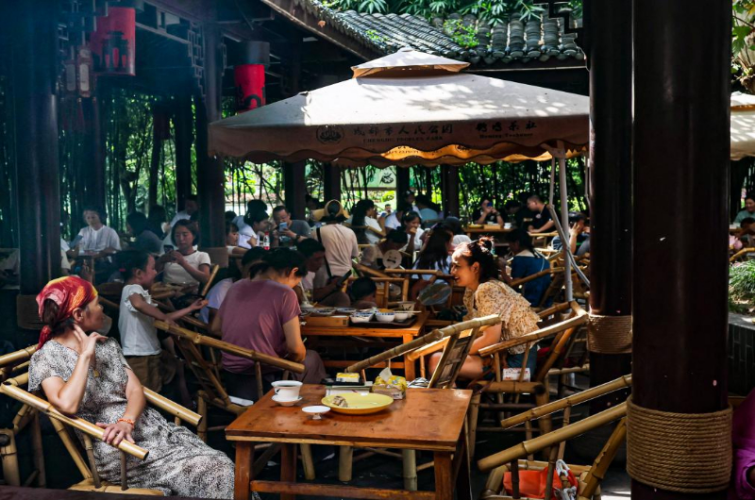
One of the biggest surprises for first-time visitors is how comfortable everyday movement feels. Walking alone at night, using public transport, or carrying valuables is generally low-stress compared to many other countries.
Petty crime exists, as it does everywhere, but pickpocketing and scams are far less aggressive than in many popular tourist destinations. In most places, you’ll see locals leaving phones on café tables or children commuting independently — a good indicator of general safety norms.
Police presence is visible, especially in transport hubs and tourist areas, but for travelers this usually translates to order rather than intimidation.
Is It Safe to Travel to China as an American?
This is one of the most searched variations of the question, and it’s important to separate politics from daily life.
On a personal level, Americans traveling in China are generally treated with curiosity or neutrality, not hostility. In hotels, restaurants, shops, and tourist sites, nationality rarely becomes an issue. Most people you interact with are focused on their work, not global politics.
What does matter is documentation. Americans — like all foreign travelers — should carry their passport, respect visa conditions, and follow local laws. These are not unique to Americans, but China does expect rules to be followed carefully.
For leisure travel, daily interactions are typically polite, routine, and uneventful.

Travelers from Other Countries: What to Expect
Visitors from the Philippines, India, Australia, Europe, and other regions generally report similar experiences. China does not have a culture of targeting or singling out tourists by nationality.
Black travelers sometimes ask specifically whether they will feel safe or welcome. The most common experience reported is curiosity rather than hostility, particularly in smaller cities. Being stared at or asked for photos can feel uncomfortable, but it is usually rooted in unfamiliarity, not aggression.
In large cities, diversity is more common and attention is minimal. As elsewhere, confidence and calm body language go a long way.
Is China Safe for Solo Travelers?
China is widely considered one of the safer countries for solo travel, including for women.
Public transport is orderly and monitored, hotels are regulated, and streets remain active late into the evening. Solo travelers often note that they feel safer walking alone at night in Chinese cities than in many Western cities.
The main challenge is not safety but communication. English is limited outside major hotels and tourist areas, so preparation — maps, translation apps, saved addresses — matters more than vigilance.
Business Travel Safety in China
For business travelers, China is highly structured and professional.
Cities like Shanghai, Shenzhen, Guangzhou, and Beijing are accustomed to international business visitors. Hotels, offices, and transport systems are designed for efficiency and reliability.
The key consideration for business travelers is data and digital preparation, not physical safety. Using secure devices, understanding company policies, and planning internet access in advance are standard precautions — similar to business travel in many countries.

Transport Safety: Trains, Flights, and Cities
China’s transport system is one of its strongest safety advantages.
High-speed trains are clean, punctual, and tightly managed. Domestic flights operate on dense networks with modern airports. Urban subways are well-signposted, heavily used, and safe even late at night.
Ride-hailing apps are widely used and regulated, reducing the risks sometimes associated with informal taxis elsewhere.
Health, Hygiene, and Medical Care
Healthcare in major Chinese cities is modern and accessible. International hospitals and clinics are available in cities like Beijing and Shanghai, and pharmacies are common.
Food safety has improved significantly over the years, especially in cities and established restaurants. Street food is popular and generally safe when busy and freshly prepared.
Travel insurance is strongly recommended, not because China is risky, but because private care can be expensive without it.
Digital Safety and Daily Logistics
For many travelers, digital adjustment feels more challenging than physical safety.
Mobile payments dominate daily life. Internet access works differently from many countries. Some familiar apps and websites may be unavailable without preparation.
These factors can feel disorienting, but they are logistical issues, not safety threats. Once set up, daily life becomes smooth and predictable.

Common Fears vs Reality
Many concerns about China come from misunderstanding rather than experience.
Most travelers are not monitored, questioned, or restricted in daily movement. Travel is structured, not hostile. The biggest adjustment is adapting to a different system, not avoiding danger.
China tends to feel controlled but calm, especially compared to destinations with higher crime or less infrastructure.
When China Can Feel Challenging (But Not Unsafe)
China may feel overwhelming if you arrive unprepared for:
- Language barriers
- Different digital systems
- Cultural norms around queues, crowds, or personal space
These moments can feel stressful, but they are part of adjustment, not risk. With preparation, they quickly become manageable.
Final Thoughts
China is not a chaotic or dangerous place for travelers. It is a low-crime, highly organized country where safety comes from structure rather than spontaneity.
For most visitors — whether American, Filipino, Indian, Australian, Black, solo, or traveling for business — China feels safer than expected and more straightforward than imagined.
The key is not fear, but preparation. Understand how things work, respect local rules, and travel with curiosity rather than anxiety. That’s usually enough.