Overview
Sichuan Province is an ancient landscape of profound contrasts, offering a journey from the sublime to the thrilling. At its heart lies the capital, Chengdu, a UNESCO City of Gastronomy known for its famously slow pace of life and as the exclusive sanctuary of the Giant Panda. Beyond the fertile, foggy Sichuan Basin to the east, the landscape abruptly transforms into the rugged, snow-capped mountains of the Western Sichuan Plateau—a cultural gateway to the Tibetan world.
A Sichuan tour is defined by sensory pleasures: the electrifying Mala flavor profile, the serene silence of Taoist mountains, and the deep, rich history of an area consistently referred to as the "Province of Abundance."
Why Visit Sichuan
Sichuan is a region defined by contrast and depth. Snow-covered mountains rise above fertile basins, ancient temples sit beside everyday street life, and nature and culture remain closely intertwined.
Unlike fast-paced sightseeing destinations, Sichuan reveals itself gradually. Landscapes shift from misty valleys to high plateaus, while daily life maintains a steady, unhurried rhythm that invites longer stays and deeper observation.
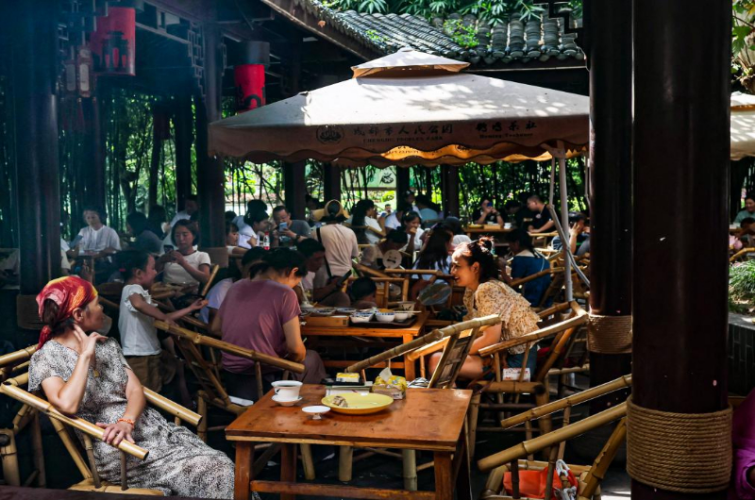
Cultural layers here are rich and varied. From traditional teahouses and historic towns to Tibetan-influenced highlands, Sichuan offers experiences that feel lived-in rather than curated.
For travelers who seek balance between nature and comfort, between tradition and modern life, Sichuan offers a sense of scale, warmth, and quiet continuity that rewards thoughtful exploration.
Fast Facts
- Pron: sech · waan
- Province: Sichuan
- Area: 485,000
- Elevation: ~500–4,000 m (1,640–13,120 ft)
- Climate: Diverse, humid
- Travel Pace: Varied, immersive
- Safety: Very Safe
Featured Sichuan Packages


Best Time to Visit Sichuan
Quick Takeaway
- Best overall: Autumn (September–November)
- Best for scenery + mild weather: Spring & Autumn
- Best for fewer crowds / budget: Winter
- Best for plateau landscapes: Summer (Western Sichuan only)
How to Travel to Sichuan
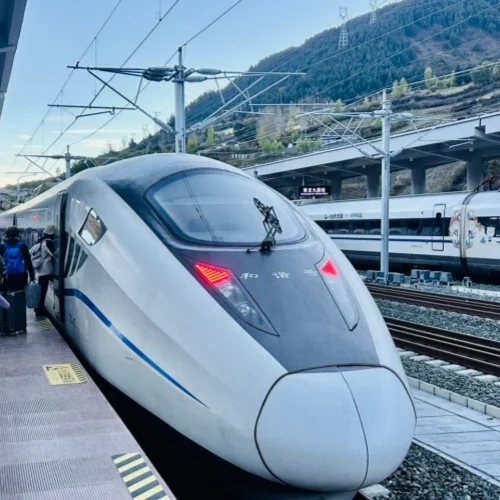
High-Speed Train
China’s HSR network links Chengdu with cities like Chongqing, Xi’an, and Shanghai. Comfortable, punctual, and often faster than flying for mid-range distances.
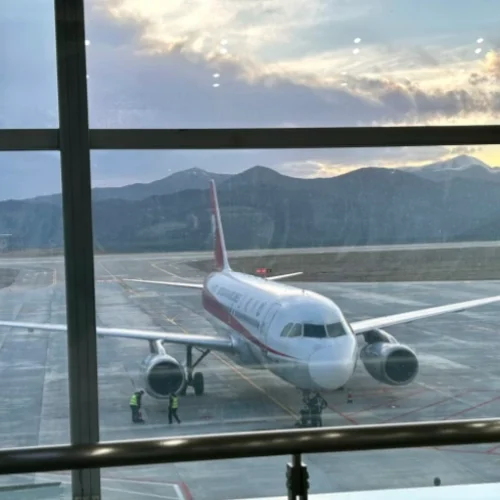
Flight
Fly into Chengdu Tianfu International Airport or Chengdu Shuangliu International Airport. Tianfu handles most international and long-haul routes, while Shuangliu serves many domestic flights.
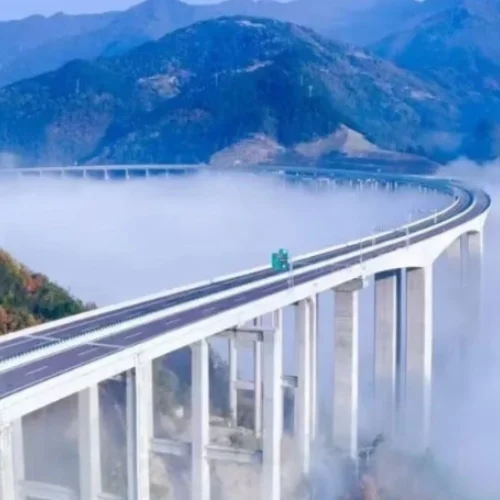
Long-Distance Bus
Useful for reaching smaller towns and scenic areas not covered by rail, especially in western Sichuan.
Check the quick comparison table to find the best way to travel to Sichuan from major cities in China and nearby countries.
| Departure City | Transport | Duration | Notes |
|---|---|---|---|
| Beijing | Flight | ~3 hrs | Most frequent & convenient |
| Shanghai | Flight / HSR | 3–4 hrs / 10–12 hrs | Flight preferred |
| Guangzhou | Flight | ~2.5–3 hrs | Strong flight network |
| Shenzhen | Flight | ~2.5–3 hrs | Common business route |
| Chongqing | HSR | ~1–1.5 hrs | Easiest short trip |
| Xi’an | HSR / Flight | 3–4 hrs / ~1.5 hrs | HSR very popular |
| Hong Kong | Flight / HSR | ~3 hrs / 7–8 hrs | Flight more practical |
| Bangkok | Flight | ~3–4 hrs | Direct international route |
| Singapore | Flight | ~4.5–5 hrs | Good connectivity |
| Kuala Lumpur | Flight | ~4.5–5 hrs | Regular direct flights |
Sichuan Must-See Attractions

Chengdu
Best Time: Mar–May, Sep–Nov
Duration: 2-3 Days

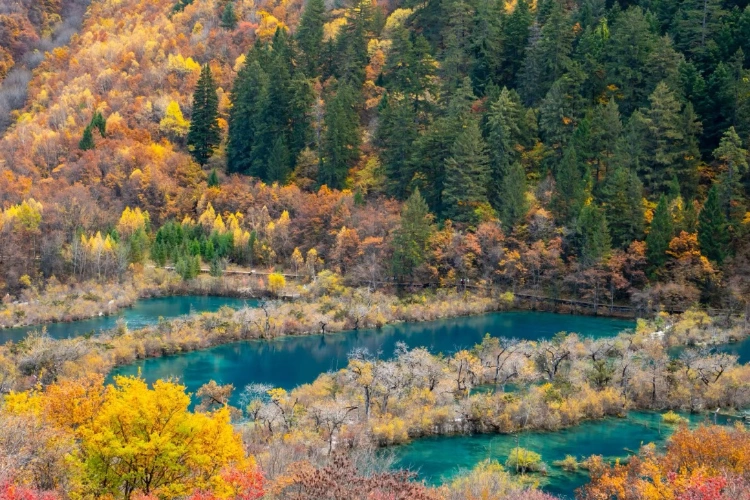
Jiuzhaigou Valley
Best Time: Sep–Oct, Apr–Jun
Duration: 1-2 Days
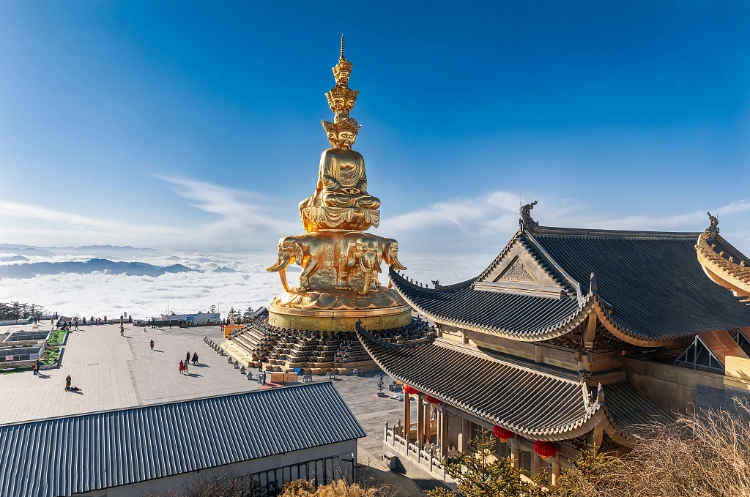
Emei Mountain
Best Time: Apr–Oct
Duration: 1-2 Days

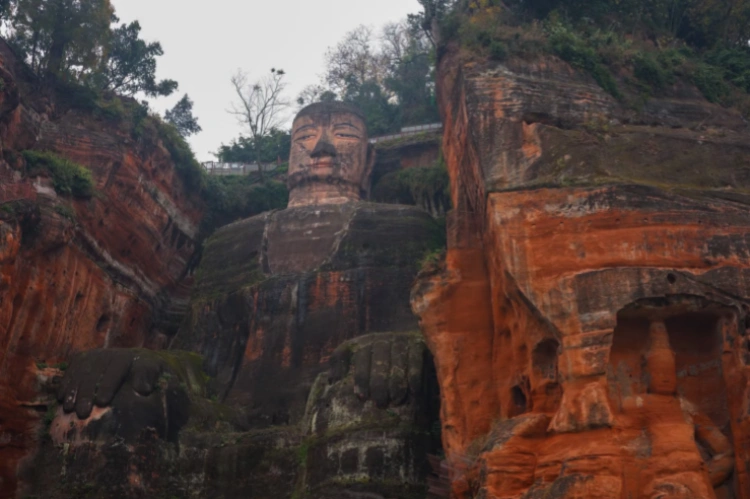
Leshan Giant Buddha
Best Time: Mar-May, Sep-Nov
Duration: 1 Day

Seda (Larung Gar Area)
Best Time: May-Oct
Duration: 1-2 Days
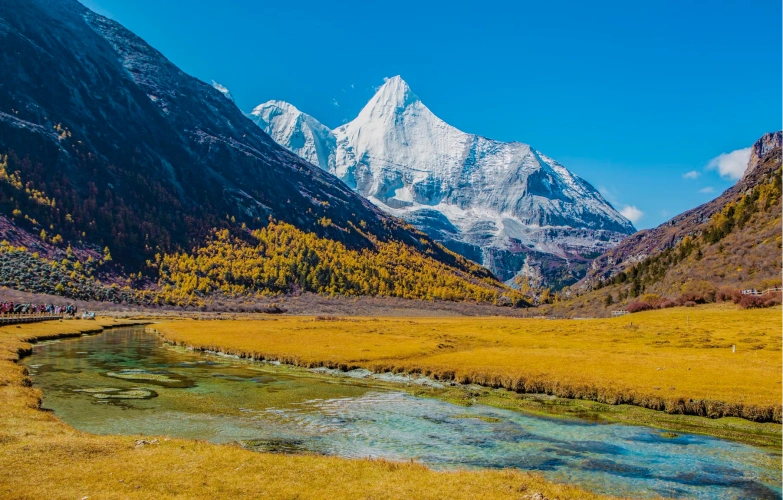
Daocheng Yading
Best Time: May-Jun, Sep-Oct
Duration: 2-3 Days
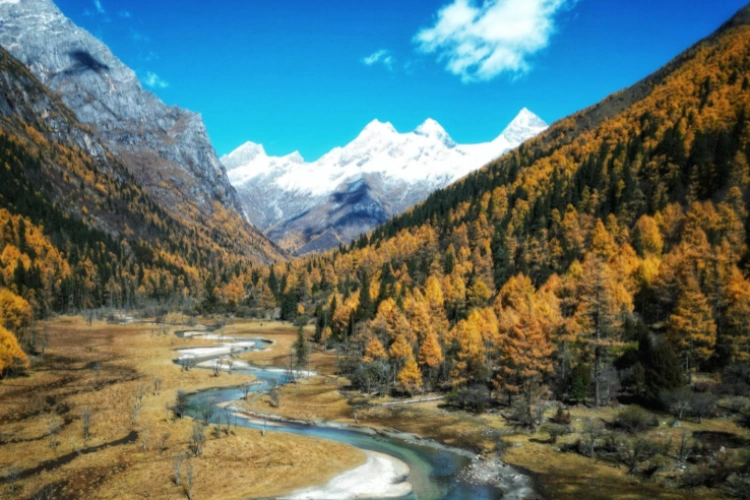
Mount Siguniang (Four Sisters Mountains)
Best Time: May-Oct
Duration: 2-3 Days
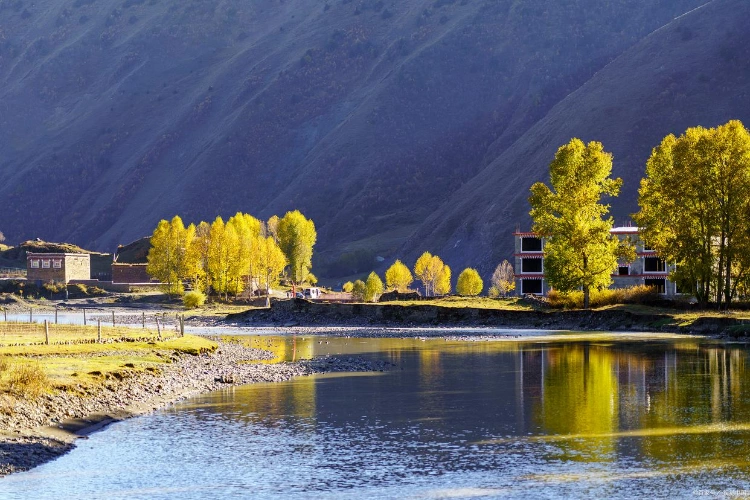
Xinduqiao
Best Time: Sep-Oct, May-Jun
Duration: 1-2 Days
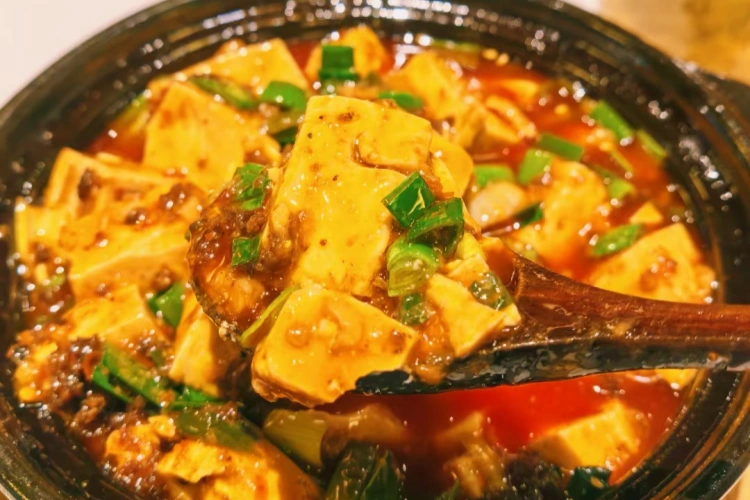
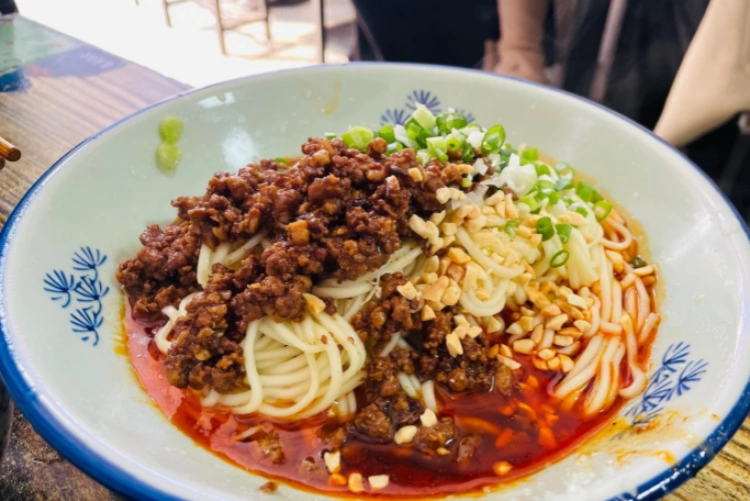
Sichuan Local Food to Try
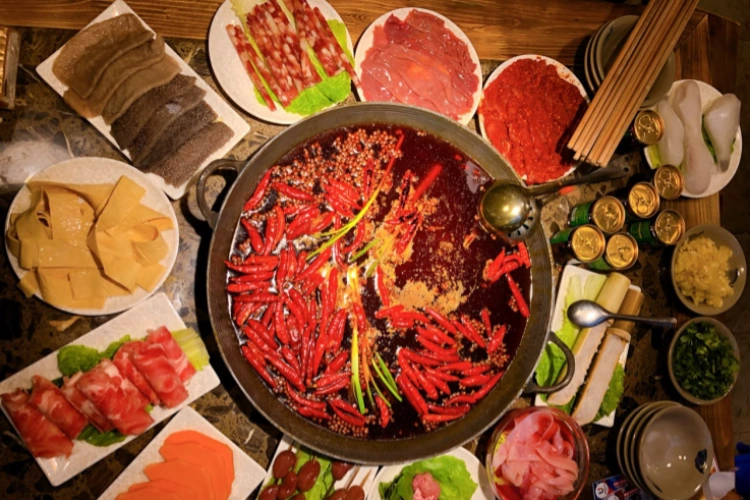
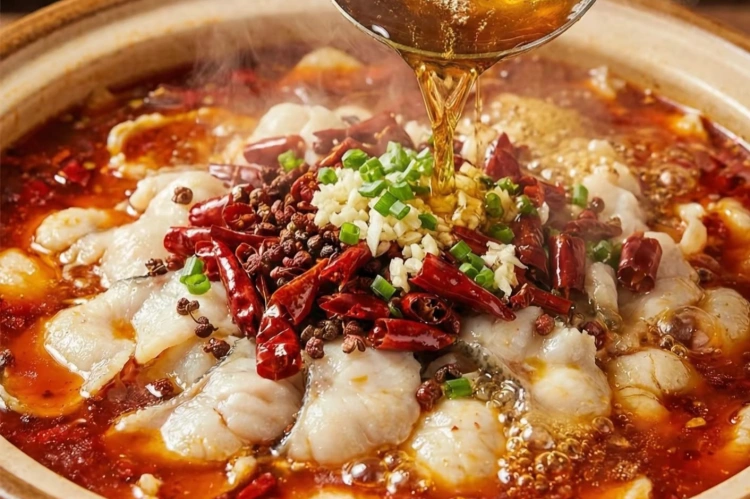
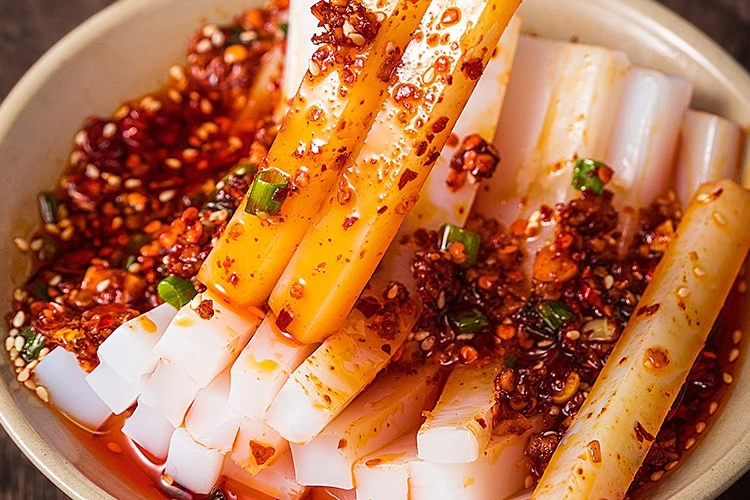
Sichuan Travel Style & Cost
Compare the three most common ways to travel around Sichuan. Choose the option that matches your comfort level, flexibility, and budget.
Self-Guided Trip
For independent travelers who prefer flexibility and lower upfront costs.-
Transport (train/flight/coach)
-
Hotel booking
-
Attraction entrance tickets
-
English-speaking guide
-
Private vehicle
-
Flexible sightseeing schedule
-
24/7 local support
Private Tour
Personalized experience with flexible pace and expert guidance.-
Private vehicle & driver
-
Professional English-speaking guide
-
All entrance tickets
-
Handpicked hotels
-
Flexible daily schedule
-
Hotel pickup & drop-off
-
24/7 travel support
Group Tour
Budget-friendly option with fixed itinerary and shared transport.-
Shared vehicle
-
Tour guide
-
Entrance tickets
-
Selected hotels
-
Flexible schedule
-
Custom stops
-
Private experience
Essential Tips for Sichuan Tours
Altitude Awareness
Western Sichuan reaches high elevations (3,000m+). Ascend gradually and rest if needed to avoid altitude sickness.
Transport Options
High-speed trains cover major routes, but western Sichuan requires private car or guided travel for flexibility and access.
Know the Distance
Sichuan looks compact on the map, but travel times are long. Mountain roads can turn short distances into full-day journeys.
Photography & Light
Light shifts. Soft and diffused in the basin, crisp and intense in the highlands. Best moments may happen in between.
Food & Spice Level
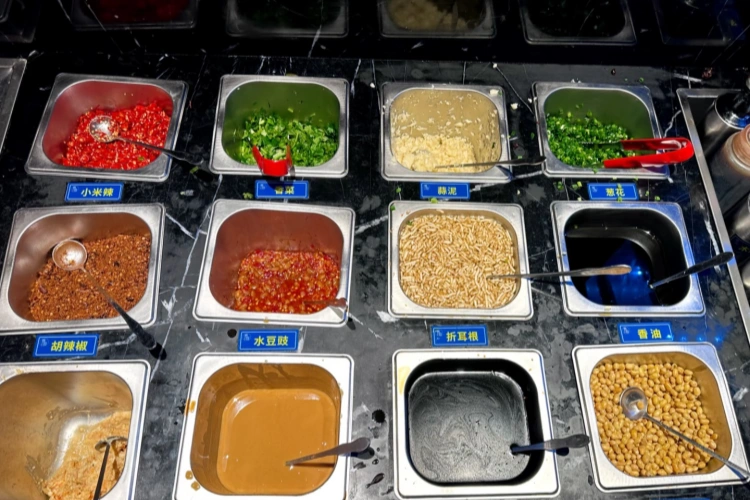
Sichuan cuisine is bold and spicy. Ask for “less spicy” (少辣) if needed. Many dishes can be adjusted.
Weather & Packing
Weather varies by region: humid in the basin, cold in the west. Pack layers, a light rain jacket, and good walking shoes.


FAQ about Sichuan Travel
Is Sichuan safe for foreign travelers?
Yes. Chengdu and major tourist areas are very safe. Normal travel precautions are enough, even when exploring on your own.
How many days do I need in Sichuan?
A comfortable trip is 4–7 days for Chengdu, pandas, Leshan, and Mount Emei.
For highland routes (Danba, Siguniang), plan 7–10 days.
What is the best way to see pandas?
Visit early in the morning (8–10 AM) when pandas are active. The Chengdu Panda Base is the most convenient for first-time travelers.
Do I need to worry about altitude in Sichuan?
Only in Western Sichuan (Siguniang, Danba, Tagong).
Chengdu, Leshan, and Mount Emei are low altitude and comfortable.
Is all Sichuan food extremely spicy?
No. Many dishes can be adjusted to mild, and Chengdu offers plenty of non-spicy options. Restaurants often ask for your spice preference.
When is the best time to visit Sichuan?
April–June and September–November offer the best weather and scenery for both cities and mountain routes.
Can I visit Jiuzhaigou independently?
Yes. The park is well-organized, but advance booking is recommended. Shuttle buses inside the park make it easy to explore at your own pace.
How do I travel around Sichuan?
Chengdu has an excellent metro system. For highland areas, private drivers or arranged transfers are the safest and most comfortable option.
What should I pack for Sichuan?
Bring layers, comfortable walking shoes, rain protection for Chengdu, and warmer clothing for highland regions.