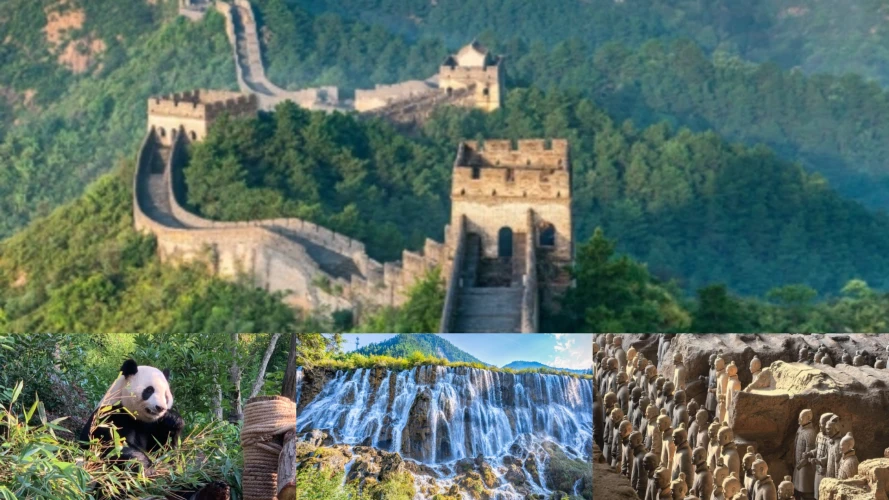
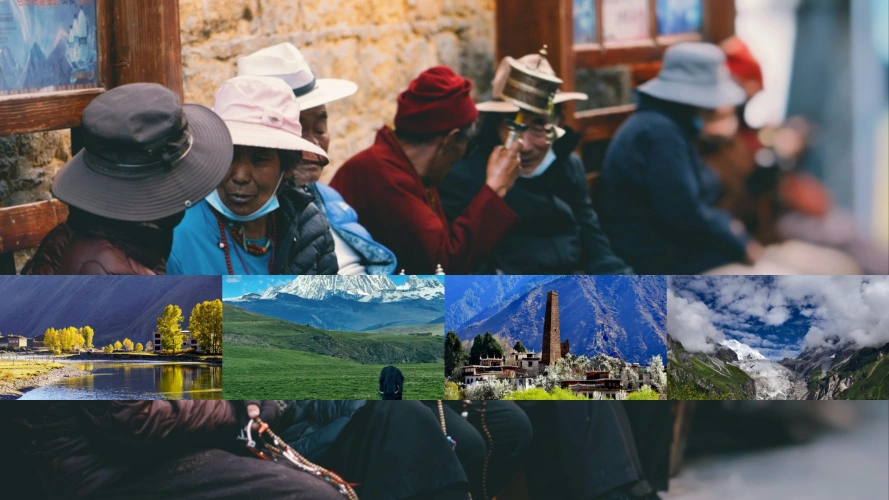
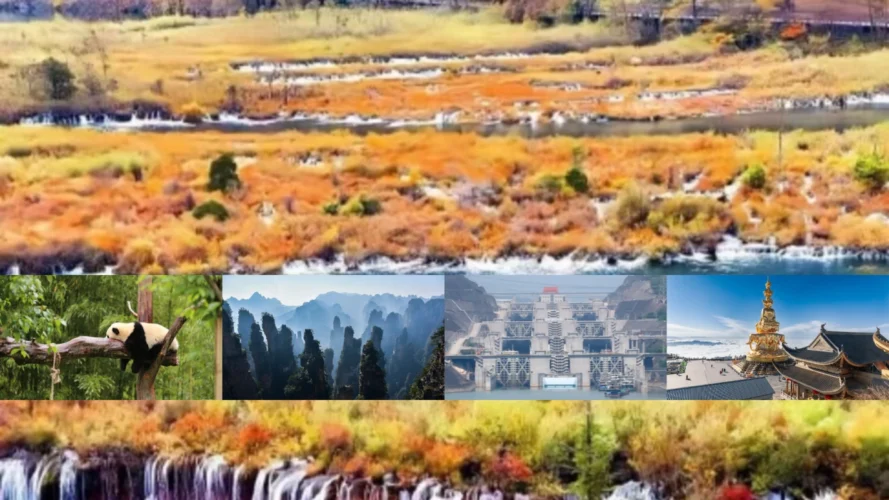
If you’ve been looking for the absolute perfect time to visit China, stop searching. September is it.
Seriously, if you can shift your summer trip by just a couple of weeks, you unlock a completely different, utterly magical experience.
Think about it: the intense summer heat and humidity are retreating, the crushing crowds of August school holidays are gone, and the country is transitioning into the spectacular “Golden Harvest” season. The air is crisp, the skies are clearer, and everything just turns gold.
We’ve curated 9 essential destinations that shine brightest this month, focusing on where you can find autumn colours, comfortably explore ancient cities, and witness nature’s finest light show.
Let’s dive in!
Overview: China Weather in September
| Region | Temperature (September) | Weather Overview | Travel Notes |
|---|---|---|---|
| North China (Beijing, Hebei, Shanxi / Mount Wutai) | 15–28°C | Dry, sunny, early autumn air | Ideal for Great Wall hiking & cultural trips |
| Northeast China (Harbin, Dalian) | 10–24°C | Cool, crisp, low humidity | Perfect for forests, lakes & coastal breaks |
| Northwest China (Xinjiang: Kanas, Altay, Ili, Kashgar) | 8–25°C | Clear skies, early golden forests | One of the best months for Xinjiang road trips |
| Qinghai & Gansu Highlands (Qinghai Lake, Qilian Mountains, Zhangye Danxia) | 8–20°C | Cool, bright, very dry | Great for trekking, photography & long drives |
| Western Sichuan (Siguniang, Danba, Tagong, Yading) | 8–20°C | Early autumn colors, crisp air | Peak scenic season approaching late September |
| Tibet Plateau (Lhasa, Namtso, Everest Region) | 5–20°C | Clear, dry, strong sunlight | Best visibility of the year for mountains & lakes |
| Southwest China (Yunnan: Dali, Lijiang, Shangri-La) | 12–25°C | Mild, spring-like; clear views | Ideal for outdoor walks & cultural travel |
| Southwest China (Guizhou: waterfalls & villages) | 18–25°C | Cool mountain breezes; less rain | Comfortable for culture & nature trips |
| East China (Shanghai, Hangzhou, Suzhou) | 20–28°C | Warm but less humid; gentle sunshine | Great month for lakeside & garden travel |
| South China (Guilin & Yangshuo, Guangzhou, Shenzhen) | 22–30°C | Warm, greener than summer; less rainfall | Perfect for Li River, cycling & rice terrace trips |
| Coastal Cities (Qingdao, Xiamen, Dalian) | 20–28°C | Breezy, pleasant coastal air | Relaxed late-summer beach and island trips |
| Fujian Mountains (Wuyishan) | 18–28°C | Cool mornings, misty peaks | Peaceful for tea mountains & bamboo rafting |
The Golden Harvest & Drier South
The southern monsoon rains are finally over, leaving behind lush, green scenery combined with perfect visibility. This is the moment when the iconic rice terraces turn a brilliant, photogenic gold.
1. Guilin and Yangshuo, Guangxi
Guilin and Yangshuo are world-famous for their dramatic karst peaks, with the towering limestone mountains like a classical Chinese painting.
In September, the water levels are still high from the summer, but the daily downpours have stopped, making the Li River cruise and cycling trips heavenly.
Temperature: 22-30°C (Warm days, mild evenings)
Best for: River cruises, cycling, and rice terrace photography.
Duration: 4–5 Days (to cover Guilin, Yangshuo, and the terraces)
Why September: The Longji Rice Terraces are at their peak “Golden Harvest” colour, often transforming into shimmering sheets of gold between mid- and late-September. It’s a photographer’s dream and a cooler, less humid time to hike.
Highlights:
- Cruising the Li River, cycling the Yulong River, West Street in Yangshuo, and the Longji Terraces.
QuietRoutes Tip: Skip the main, crowded viewpoints in Longji. Instead, hire a local guide or rent a scooter and head to the villages of Dazhai or Tiantouzhai. These offer equally (or more!) spectacular views with a fraction of the crowds, especially if you get up early.
2. Huangshan (Yellow Mountain), Anhui
Huangshan is one of China’s most celebrated natural wonders, and September provides the perfect climbing conditions. You avoid the punishing heat of summer and the severe cold of winter, making the intense stair-climbing much more manageable.
Temperature: 15-25°C (Significantly cooler at the peaks)
Best for: Hiking, sunrise viewing, and capturing the “sea of clouds.”
Duration: 3 Days (2 nights on the mountain for sunrise/sunset)
Why September: Post-monsoon, the air clarity is phenomenal. This greatly increases your chances of witnessing the famous “sea of clouds” (Yunhai) phenomenon with crisp, clear views of the distant peaks. It’s peak photography season!
Highlights:
- The unique pine trees, granite peaks, Flying-Over-Rock (Feilai Shi), and the West Sea Grand Canyon.
QuietRoutes Tip: Use the less-trafficked Western Canyon (Xihai Grand Canyon) entrance for your main ascent or descent. It’s more challenging, involving steep stairs and tunnels, but it’s breathtakingly beautiful and offers true solitude compared to the Eastern trails.
3. Zhangjiajie (Hunan)
Zhangjiajie is one of China’s most surreal landscapes, where thousands of towering sandstone pillars rise dramatically from mist-filled valleys.
In September, the scenery feels softer and more atmospheric, with cooler air, drifting clouds, and the first hints of autumn color beginning to appear across the mountains.
Temperature: 20–28°C (Comfortable, fresh mountain air)
Best for: Scenic hiking, photography, and nature immersion.
Duration: 2–3 Days (ideal for exploring the national park and Tianmen Mountain)
Why September: The cooler temperature makes long walks through the national park far more enjoyable. Early mornings bring a higher chance of the famous “sea of clouds” drifting between the peaks.
Highlights:
- Zhangjiajie National Forest Park
- Yuanjiajie (Avatar Mountains)
- Tianzi Mountain
- Tianmen Mountain
- Glass skywalk
QuietRoutes Tip: Arriving at the park right early when it opens gives you a rare window of silence before tour groups arrive.
4. Guizhou Province (Mountain Villages & Waterfalls)
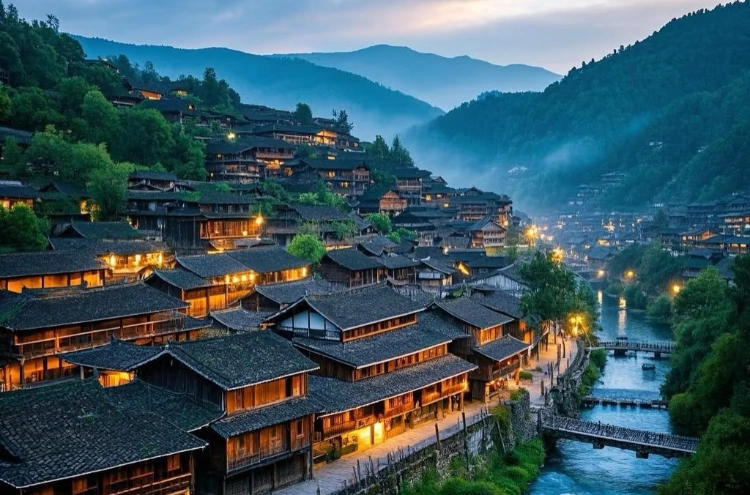
Guizhou offers a genuine dive into China’s ethnic minority cultures (Miao and Dong). September is fantastic here because the waterfalls are still full and dramatic (thanks to summer rains), but the sticky, oppressive heat is gone.
Temperature: 20-28°C (Pleasant and dry)
Best for: Ethnic village exploration, hiking, and waterfall viewing.
Duration: 5–7 Days (to explore both the capital, Guiyang, and the surrounding villages)
Why September: The weather is perfectly stable for exploring the remote mountain roads and villages. It’s also often a time for traditional harvest festivals in the local ethnic communities, offering unique cultural insights.
Highlights:
- Huangguoshu Falls (China’s largest waterfall), the Dong villages of Zhaoxing and the Miao villages around Kaili.
QuietRoutes Tip: While Zhaoxing Dong Village is a must-see, spend a few nights in a smaller, quieter, and non-tourist-focused village nearby, like Yintan or Qianhu. You’ll experience the peaceful, authentic rhythms of life without the evening souvenir bustle.
High-Altitude Gold
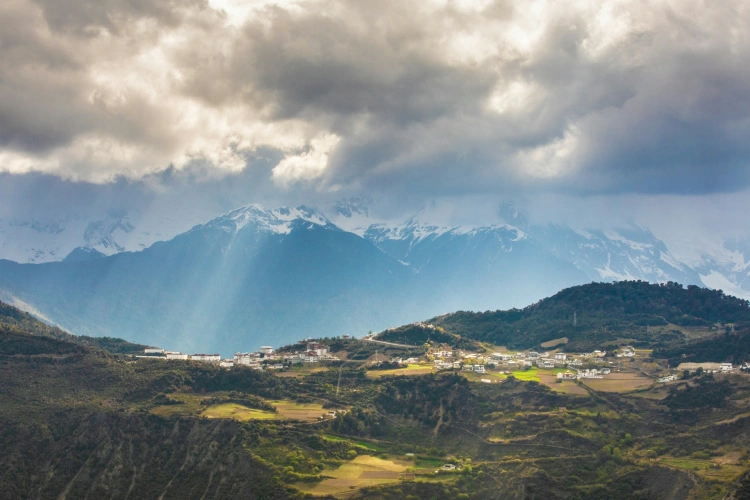
Head west to the Tibetan Plateau and the high mountains. September is the gateway to autumn foliage here, offering phenomenal visibility before the bitter winter cold arrives.
5. Jiuzhaigou & Western Sichuan
This area, home to the Tibetan-Kham people, offers some of China’s most dramatic landscapes. Jiuzhaigou National Park is busy. September starts the brilliant transition from green to yellow and red around its iconic, multi-hued glacial pools. Western Sichuan, such as Siguniang Mountains, Xinduqiao, and Daocheng Yading, has also started the color-changing magic.
Temperature: 10-20°C (Chilly mornings, warm afternoons)
Best for: Glacial lakes, alpine hiking, and the start of autumn foliage.
Duration: 4–6 Days (allowing for travel and acclimatization)
Why September: The stable, dry weather and high altitude mean the colors pop earlier here than anywhere else in the country. The air is crystal clear, giving you perfect reflections on the calm alpine lakes.
Highlights:
- Five Flower Lake and Pearl Shoal in Jiuzhaigou, and the majestic peaks of the Siguniang Mountains.
QuietRoutes Tip: After seeing Jiuzhaigou, drive to the Siguniang Mountains (Four Sisters). This area offers incredible Tibetan hiking and scenery, including golden larch trees and meadows, with far fewer visitors than the main national park circuit.
6. Tibet (Lhasa & Namtso Lake)
September is often cited as the clearest month on the Tibetan Plateau. The summer rains are fully finished, meaning your chances of seeing the distant Himalayan peaks are at their absolute highest. It’s comfortable for exploring but beautifully stable.
Temperature: 5-18°C (Requires layering; cool at night)
Best for: High-altitude sightseeing, cultural exploration, and clear mountain views.
Duration: 7–10 Days (including acclimatization in Lhasa)
Why September: The skies are a deep, crystalline blue due to the dryness. This stability is perfect for road trips to high-altitude sites like Namtso Lake or accessing Everest Base Camp, as conditions are less volatile than in summer.
Highlights:
- Potala Palace
- Jokhang Temple
- Barkhor Street in Lhasa
- The turquoise waters of Namtso Lake
The Quiet Route Tip:
Instead of rushing from temple to temple in Lhasa, spend a full morning exploring the Back Garden of the Potala Palace (Zongjiao Lukang Park). It’s a peaceful, local spot with a beautiful pond where you can capture a stunning, unique reflection of the palace.
7. Kanas Lake & Altay Mountains, Xinjiang
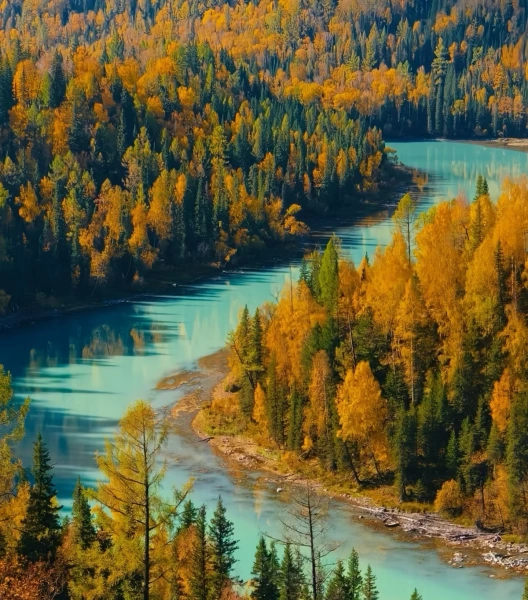
For the most dramatic, vibrant, and pure autumn foliage in China, you must make the journey to the far northwest. By mid-September, the Altay Mountains are exploding in color. The region is carpeted in golden birch, yellow poplar, and fiery larch trees.
Temperature: 5-15°C (Chilly mornings and nights, mild days)
Best for: Autumn photography, remote travel, and experiencing nomadic culture.
Duration: 4–5 Days (travel time is significant, so allocate a minimum of 4 full days)
Why September: This is peak colour season. The low sun angles create a magical light that sets the golden forests on fire, and the crowds are surprisingly manageable given the remote location.
Highlights:
- The deep turquoise Kanas Lake, the golden valleys of Hemu Village, and exploring the nomadic Kazakh yurts.
QuietRoutes Tip: The Hemu Village viewpoint is a must for sunrise, but it gets busy. Instead of staying in the main Hemu area, try to find accommodation in a yurt a little way up the valley, and walk to a different, less-frequented ridge line for an undisturbed view of the morning mist.
Urban Perfection & Historic Comfort
The oppressive summer humidity is finally gone, leaving behind perfectly clear, dry, and comfortable weather for serious walking and exploring China’s greatest historical treasures.
8. Beijing
Beijing, the capital of China, can be sweltering in July and August. In September, it is simply glorious. The skies are often clear (a huge bonus!), the humidity drops to zero, and the temperatures are ideal for spending all day outdoors exploring.
Temperature: 15-26°C (Perfect walking weather)
Best for: Outdoor historical sightseeing, Great Wall hiking, and city walking.
Duration: 5–7 Days (to cover all major historical sites and a Great Wall section)
Why September: It offers the best visibility for the sprawling Forbidden City and Tiananmen Square. Crucially, climbing or walking the Great Wall is finally a comfortable and rewarding experience, not a sweat-drenched endurance test.
Highlights:
- The Forbidden City, the Temple of Heaven, the Summer Palace, and exploring the historic Hutongs.
QuietRoutes Tip: Avoid the crowded Badaling and Mutianyu sections of the Great Wall. Opt for the more remote and rugged Jinshanling or Gubeikou sections. You’ll get more challenging hikes, fewer people, and spectacular, unrestored views.
9. Xi'an (Shaanxi)
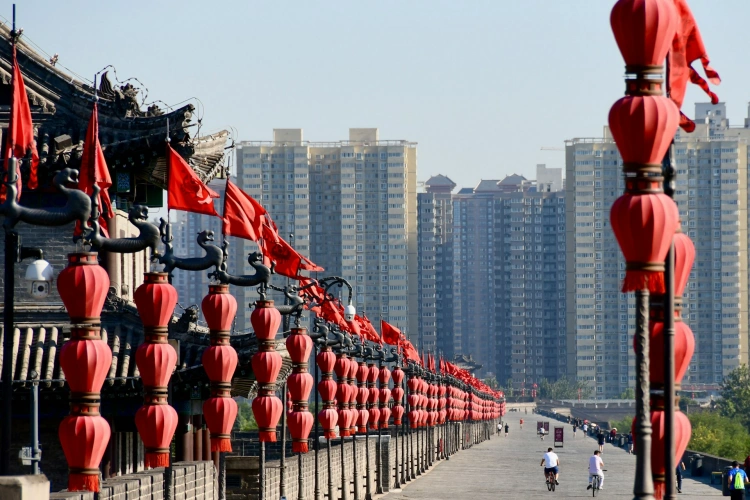
Xi’an, the ancient imperial capital, is known for its summer heat. September provides a much-needed break, making it the ideal time to bike the ancient walls and comfortably visit one of the world’s greatest archaeological finds.
Temperature: 18-28°C (Warm, but dry and pleasant)
Best for: Cycling the City Wall, archaeological visits, and local food exploration.
Duration: 3–4 Days (enough time for the main sites and city exploration)
Why September: The dry, comfortable weather is perfect for cycling the top of the City Wall, a must-do activity that is miserable in the heat. It also makes waiting in line for the Terracotta Army much more tolerable!
Highlights:
- The Terracotta Army, the massive City Wall, the Muslim Quarter, and the Giant Wild Goose Pagoda.
QuietRoutes Tip: Rent a bike and cycle the entire 14km loop of the City Wall first thing in the morning when it opens (around 8:00 AM). You’ll have the massive structure almost entirely to yourself before the mid-day tour buses arrive.
The Ultimate September Warning: Golden Week
Before you book, there is one absolutely non-negotiable factor to consider: Golden Week.
China’s National Day holiday begins on October 1st and is one of the busiest travel weeks globally. Transportation, accommodation, and every major tourist site become impossibly crowded and expensive.
Your Action Plan:
- Plan to finish your China trip by September 28th.
- If you must stay until October 1st, book all train tickets and accommodation weeks in advance, and spend the holiday in a very quiet, remote, or non-touristy area.
Otherwise, enjoy the absolute perfection of traveling in China in September. It’s truly the Golden Month! Safe travels!
FAQ
Why is September considered the best month to visit China?
September offers a sweet spot in China’s climate. The oppressive humidity and high temperatures of summer have passed, leaving behind clear skies, dry air, and comfortable walking temperatures across most of the country. Crucially, it’s also the start of the autumn colour (Golden Harvest) in many scenic regions, especially the terraces and high-altitude areas.
What should I pack for a September trip?
Layering is key, especially if you visit high-altitude areas (like Tibet or Western Sichuan).
- Daytime in Cities (Beijing, Xi’an, Guilin): Light sweaters, long-sleeved shirts, and comfortable pants.
- Evenings/High Altitudes: A medium-weight jacket, thermal layers, and a warm hat/gloves.
- Footwear: Comfortable walking shoes are essential for all destinations, especially the Great Wall and Huangshan.
Is September a crowded month for travel?
Generally, no. September is much less crowded than the summer holiday months (July and August) and vastly less crowded than Golden Week (starting October 1st). Most school holidays are over, making the first three weeks of September ideal for avoiding peak tourist numbers.
How far in advance should I book my trains and flights?
For September travel, it’s wise to book major domestic flights and high-speed rail tickets at least 3-4 weeks in advance, especially if you plan to travel around the weekend of the Mid-Autumn Festival. If your trip extends near the end of the month (Sept 25th onward), book immediately upon confirming your itinerary to avoid Golden Week pre-rush shortages.