For many travelers, the dream of seeing the neon-blue waters of Jiuzhaigou and the five-color lakes of Huanglong is tempered by a single, nagging fear: Altitude Sickness.
As a travel specialist focusing on the Sichuan-Tibet corridor, I hear the same questions every week: “Is Huanglong safe for my 70-year-old parents?” “Will I be able to hike if I have mild asthma?” “Should I take medication before I leave Chengdu?”
In 2026, with the high-speed rail making these mountains more accessible than ever, understanding the “Elevation Gradient” is no longer just a health tip. It is the difference between a transformative journey and a trip spent inside a hotel room with a pounding headache.
The Elevation Gradient: A Tale of Two Heights
The most common mistake travelers make is grouping Jiuzhaigou and Huanglong into the same “altitude bucket.” They are biologically very different experiences.
2026 Elevation Comparison Table
| Location | Elevation | Practical Meaning |
|---|---|---|
| Chengdu | ~500m | The Base – Low altitude. No altitude impact. |
| Jiuzhaigou Entrance | ~2,000m | The Comfort Zone – Mild elevation. Most travelers feel normal. |
| Long Lake (Highest point in Jiuzhaigou) | ~3,100m | The Threshold – Noticeable thin air for some; mild fatigue possible. |
| Huanglong Five-Color Pond | ~3,570m | The “Caution Zone” – Higher chance of mild headache or breathlessness. |
| Huanglongjiuzhai Railway Station | ~2,977m | The New Arrival Point (2026) – You arrive already near 3,000m. Take it slow. |
As you can see, Jiuzhaigou sits at a “sweet spot.” At 2,000 to 3,100 meters, it is comparable to many ski resorts in the Alps or the Rockies. Most healthy adults will feel a slight shortness of breath on stairs, but Acute Mountain Sickness (AMS) is rare.
Huanglong, however, is a different beast. At nearly 3,600 meters, you are entering the zone where the air pressure drops significantly. This is where the “Huanglong Wall” occurs: a phenomenon where travelers who felt fine all week in Jiuzhaigou suddenly feel the weight of the atmosphere.

Symptoms: What is “Normal” vs. a “Red Flag”?
Acclimatization is a physical process, not a failure of fitness. Even Olympic athletes can get AMS; it’s about how your blood chemistry adapts to lower oxygen levels.
The “Normal” Adjustment (Expect these)
The “Huff and Puff”: Feeling winded after walking up a flight of stairs.
Vivid Dreams: Altitude often causes intensely detailed, strange dreams during the first two nights.
Mild Appetite Loss: You might not feel like a heavy meal immediately upon arrival.
Periodic Breathing: Feeling like you need to take a deep, conscious “sigh” every few minutes.
The “Red Flags” (Take these seriously)
If you experience the following, you must stop ascending and notify your guide or hotel staff immediately:
The “Unbreakable” Headache: A throbbing pain that doesn’t respond to ibuprofen or rest.
Persistent Nausea: Inability to keep down water or food.
Ataxia: Feeling “drunk” or stumbling while walking on flat ground.
The Crackle: A wet, bubbling sound in your chest when you breathe (a sign of HAPE, a medical emergency).
Why Some People Feel the Altitude
One of the most persistent myths in Sichuan travel is that your gym routine protects you from the altitude. It doesn’t. Altitude is a biological equalizer: your fitness level is not a predictor of sickness; your rate of adaptation is.
The Risk Accelerators
While you can’t change your DNA, you can control the “triggers” that cause symptoms. Most travelers who fall ill in 2026 get caught in these traps:
The “Sky Jump”: Flying directly from sea level to the JZH Airport (3,447m) shocks the system. The body lacks the “staircase” of elevation it needs to adjust.
The “Celebration” Drink: Alcohol is a respiratory depressant. Drinking on your first night at 3,000m suppresses your breathing while you sleep, exactly when your body is working hardest to adapt.
The Hero Complex: Power-hiking the moment you arrive. Your heart is already working 20% harder just to keep you standing; don’t force it to race on Day 1.
Dehydration: Mountain air is incredibly dry. Thin, dehydrated blood is less efficient at carrying oxygen.
The Bottom Line
Being young and athletic does not grant immunity. Conversely, being an older traveler does not mean you are destined to get sick. The mountains don’t care about your age; they care about time. If you give your body 24 to 48 hours to adjust its chemistry, the landscape will open up to you.

Does It Matter How You Arrive?
Yes, but not dramatically.
If you travel from Chengdu (~500 meters) to Jiuzhaigou, the high-speed train ascent is gradualer than the flight.
Either way, you’re gaining altitude quickly, but not to extreme levels.
If you go directly to Huanglong the same day you arrive, your body has less time to adjust. That’s when mild symptoms are more likely.
Traveling With Children: The Observation Rule
Most children adapt to Jiuzhaigou’s altitude better than adults, often appearing completely unaffected. However, children, especially younger ones, rarely describe altitude symptoms in a way adults recognize.
The Huanglong Factor: While Jiuzhaigou is usually a breeze, children may hit a “fatigue wall” at Huanglong.
What to Watch For: Instead of complaining of a headache, a child might become unusually irritable, lethargic, or lose interest in their surroundings.
QuietRoutes Tip: Keep them hydrated and avoid “sprints” on the boardwalks. If a child develops a persistent headache or starts vomiting, descend immediately. While rare, these are signals that their body needs more time.
Traveling With Seniors: Health Over Age
In 2026, we see healthy travelers in their 70s and 80s enjoying the parks every day. Age itself isn’t the risk. It’s the underlying baseline of health.
The Real Markers: Management is key for seniors with pre-existing high blood pressure, heart conditions, or lung disease.
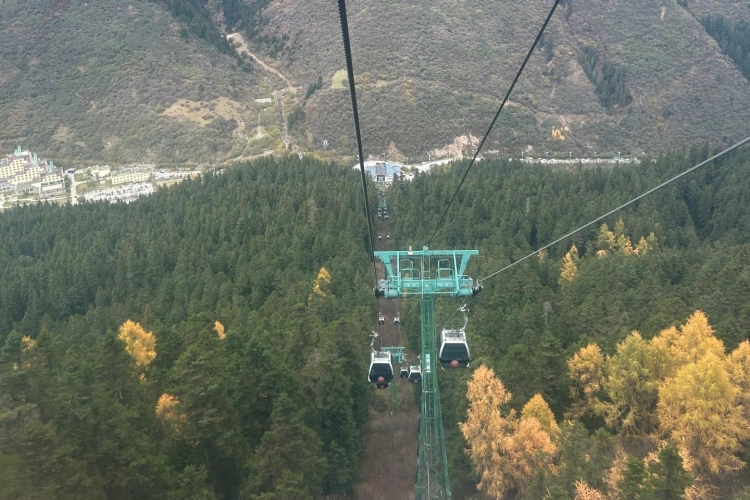
The Huanglong Strategy: For seniors, we strongly recommend the Cable Car Up / Walk Down approach at Huanglong. It minimizes the cardiovascular strain of climbing at 3,500m.
Consult First: If there is a history of cardiovascular issues, a quick chat with a physician before leaving for Chengdu is essential for peace of mind.
Do You Need Oxygen?
Short answer: No, not for most visitors.
Portable oxygen cans are sold in tourist areas. They provide short bursts of relief but are not necessary for typical visitors.
Oxygen is more psychological reassurance than a medical requirement at these altitudes.
Hospitals and clinics exist in the region if needed, but emergency altitude interventions are rare.
Practical Prevention: The “QuietRoutes” Strategy
You don’t need a medical degree to avoid AMS; you just need discipline. These 6 evidence-aligned habits reduce your risk profile by more than 50%.
- The Chengdu “Soft Landing”: Never rush. Spend your first night in Chengdu (500m) to recover from your international or domestic flight. Think of it as a “decompression chamber” before the jump to 3,000m.
- Hydrate Beyond Hunger: Mountain air is a vacuum for moisture. By the time you feel thirsty, you are already behind. Drink electrolyte-rich water consistently, even if you don’t feel like it.
- The “Dry” Rule: Avoid alcohol for at least 48 hours before and after your ascent. Alcohol is a respiratory depressant that ruins your sleep quality, which is the very time your body is trying to “reprogram” its blood chemistry for the altitude.
- The “Grandma” Pace: On your first day, walk slower than you think you need to. Huanglong is a marathon of views, not a sprint to the finish. If you find yourself gasping for air, you’ve already failed the pace check.
- Eat for Energy, Not Comfort: Avoid the temptation of a massive, heavy Sichuan hotpot on your first night in the mountains. High-altitude digestion is sluggish. Opt for light, carb-heavy meals like noodles or rice that provide easy fuel without the bloat.
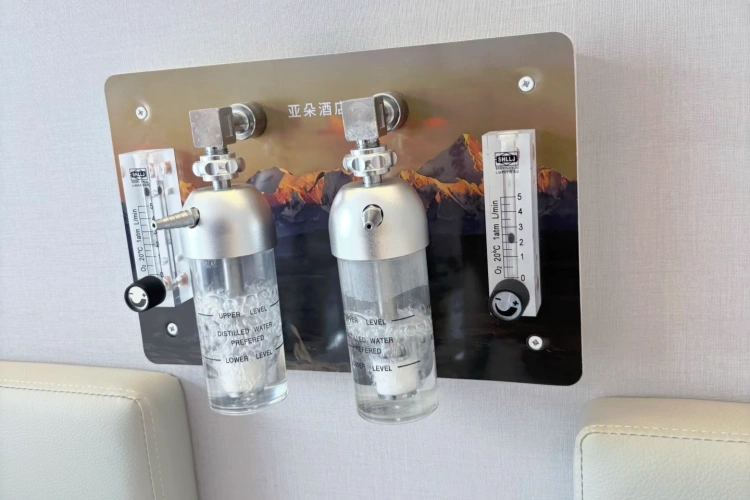
- Prioritize Deep Sleep: Fatigue is often mistaken for altitude sickness. In 2026, many hotels offer Oxygen-Enriched rooms. If you’re a light sleeper or feeling the “altitude haze,” this is the best investment you can make for your recovery.
What About Diamox?
Acetazolamide (commonly known as Diamox) is the pharmaceutical gold standard for preventing Acute Mountain Sickness (AMS). However, it is not a “magic pill” for every traveler.
For Jiuzhaigou (2,000m – 3,100m): For the vast majority of healthy travelers, Diamox is unnecessary. The elevation is moderate enough that simple hydration and the “Golden Sequence” of pacing are usually sufficient.
For Huanglong (3,500m+): If you have a documented history of altitude sickness, or if you are flying directly into the high-altitude airport from sea level, your doctor might suggest a preventative course.
The Golden Rule: Always consult a healthcare professional before starting Diamox. It is a sulfonamide (related to “sulfa” drugs) and can have side effects like tingling in the fingers or increased urination.
What to Do If You Feel the “Cloud Haze”
Most altitude symptoms in Northern Sichuan are mild and resolve within 24 hours. However, knowing how to react is the hallmark of a prepared traveler.
If You Have a Mild Headache:
The “Stop” Rule: Do not climb a single meter higher.
Hydrate & Rest: Sit down at one of the many “Oxygen Stations” in the park or return to your hotel.
Check the Pace: Usually, a mild headache is just your body’s way of saying you walked too fast.
If You Experience Persistent Nausea or Dizziness:
The “Descent” Mandate: If symptoms don’t improve with 30 minutes of rest, it’s time to head down. Both Jiuzhaigou and Huanglong have efficient shuttle and cable car systems that can get you to a lower elevation in minutes.
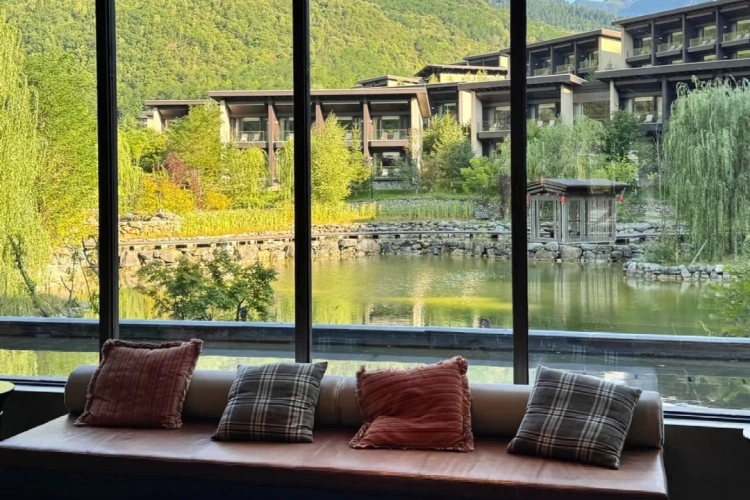
Seek Medical Advice: If you are staying in Zhangzha Town, most major hotels have on-call medical staff or oxygen-enrichment rooms specifically designed for recovery.
The Bottom Line on Emergencies:
Serious altitude emergencies (like HAPE or HACE) are extremely rare at the 3,000–3,500 meter range. However, the mountains demand respect. If symptoms worsen rapidly or you feel “drunk” and confused, do not “tough it out.” Descend immediately.
The Final Verdict: Will You Get Sick?
Statistically? Likely not. If you follow the “Golden Sequence” (Jiuzhaigou first, Huanglong last) and stick to these six rules, your chances of a symptom-free trip are exceptionally high. But once that happened, try to call the emergency number. DO NOT delay.