Discover Wester Sichuan
Western Sichuan (川西, Chuanxi) is not an official administrative region but a geographical term used to describe the western part of Sichuan Province, where the landscape rises dramatically from the fertile Sichuan Basin into the eastern edge of the Tibetan Plateau.
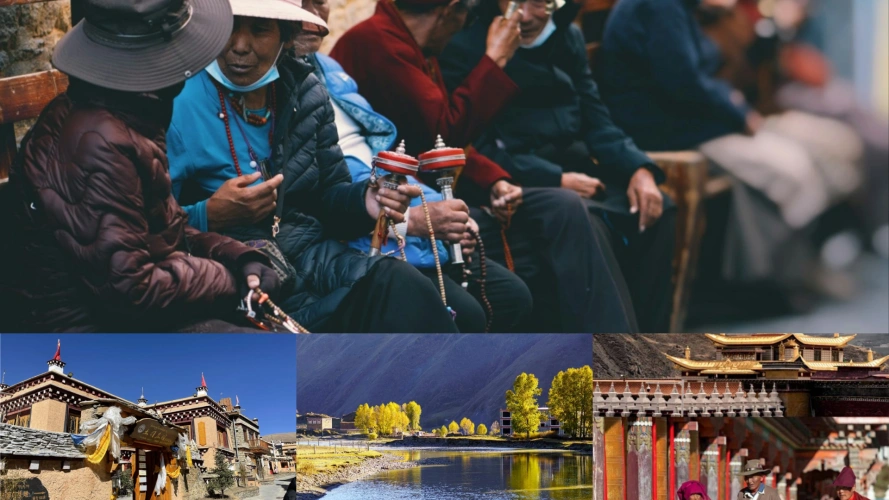
Most travelers use the term Western Sichuan to refer to the Tibetan-influenced regions of Garze Tibetan Autonomous Prefecture (Ganzi) and Aba Tibetan and Qiang Autonomous Prefecture (Ngawa). Bordering the Tibet Autonomous Region, these vast highland areas are home to some of China’s most spectacular mountain scenery and richest cultural landscapes.
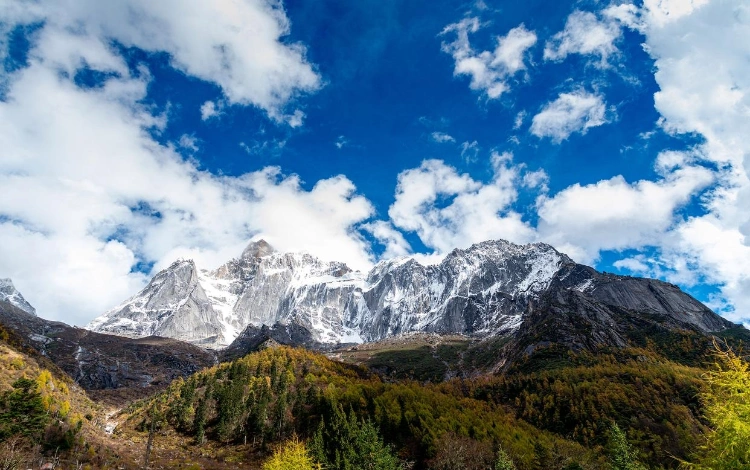
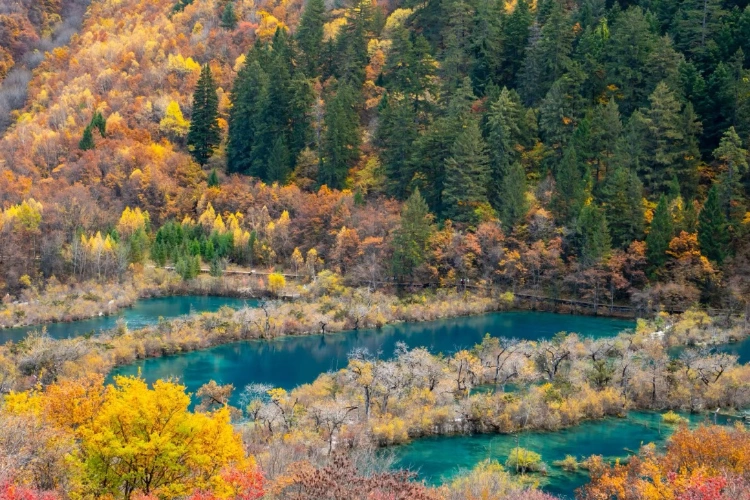
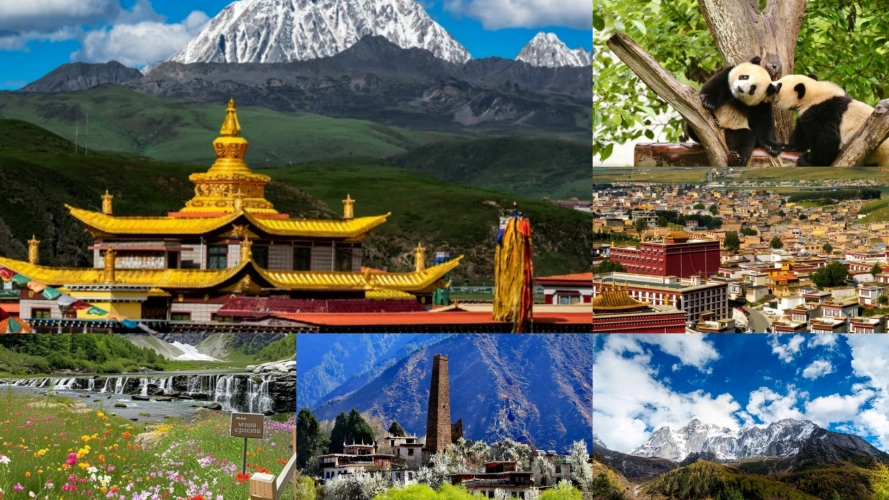
What makes Western Sichuan so special is its remarkable diversity. Within a single journey, travelers can experience snow-capped peaks, high-altitude grasslands, sacred monasteries, traditional Tibetan villages, glacier valleys, turquoise lakes, and winding mountain highways that rank among the most scenic drives in China. The region offers an ever-changing landscape, where every mountain pass reveals a completely different view.
For many international travelers, Western Sichuan is also one of the easiest ways to experience Tibetan culture. Unlike Tibet, no Tibet Travel Permit is required, allowing greater flexibility while still offering authentic encounters with Tibetan traditions, religion, architecture, and daily life. In many ways, Western Sichuan provides a more accessible introduction to the Tibetan Plateau while remaining less visited by international tourists.
Whether you’re drawn by photography, hiking, road trips, wildlife, or cultural discovery, Western Sichuan offers some of the most rewarding travel experiences in China and remains one of the country’s last truly adventurous destinations.
Fast Facts
- Location: Ganzi, Aba
- Landscape: Tibetan Plateau, Snow Mountains & Grasslands
- Highlights: Kangding, Danba, Tagong, Litang, Daocheng, Seda
- Altitudes: ~2,000-6,200 meters
- Culture: Tibetan, Jiarong Tibetan, Qiang, Han
- Best Way: Private Vehicle or Road Trip
- Best Duration: 3-10 Days
- Best Time: Spring (Mar–Jun), Autumn (Sep–Nov)
- Tibet Travel Permit: Not Required
Best For: Photography, Scenic Road Trips, Hiking, Tibetan Culture & Off-the-Beaten-Path Travel
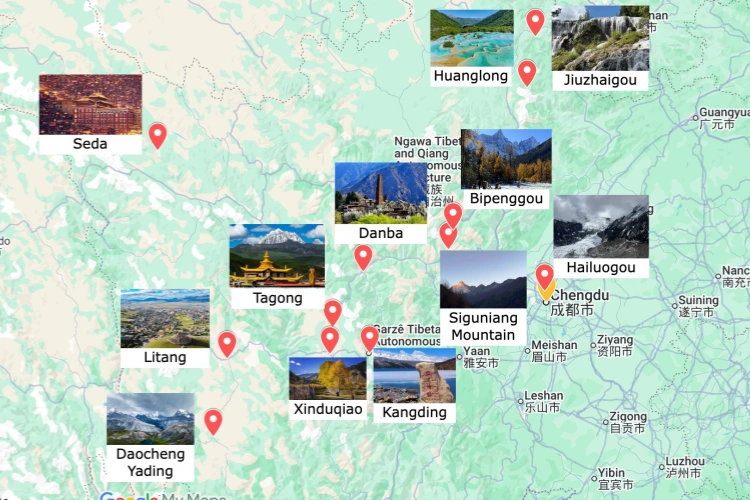
Explore Western Sichuan's Top Destinations
From sacred mountains and alpine lakes to Tibetan villages and scenic hiking trails, these destinations showcase the very best of Western Sichuan and inspire unforgettable road trips across the eastern Tibetan Plateau.
Siguniang Mountain
Known as the “Queen of Sichuan’s Mountains,” Siguniang Mountain is one of the premier outdoor destinations in Western Sichuan. The mountain range consists of four peaks, with Yaomei Peak (6,250m) being the highest mountain in Sichuan after Mount Gongga. Perfect for a half-day or full-day hike in Shuangqiao Valley or Changping Valley.
Siguniang Mountain
Daocheng Yading
Known as the “Last Shangri-La,” Daocheng Yading is home to three sacred Tibetan mountains: Xiannairi, Yangmaiyong, and Xianuoduoji. The reserve is famous for Chonggu Monastery, Luorong Pasture, Milk Lake, and Five Color Lake. It’s perfect for a full-day hiking.
Daocheng Yading
Danba
Danba is the cultural heart of the Jiarong Tibetan region, known for its ancient stone watchtowers and traditional hillside villages. The Jiaju Tibetan Village, Zhonglu Village, and the historic Suopo Watchtowers are appealing to visitors to experience authentic Tibetan culture, village life, and beautiful valley landscapes.
Danba
Litang
Litang (~4,000 meters above sea level) is one of the highest towns on the Tibetan Plateau. It’s famous for Letong Ancient Town, Changqingchunke’er Monastery, and the vast Maoya Grassland. Visitors can experience authentic Tibetan culture, horse-country traditions, and sweeping grassland scenery.
Litang
Tagong
Tagong is one of Western Sichuan’s most iconic Tibetan towns, set against the backdrop of Yala Snow Mountain. The area is known for Tagong Monastery, Tagong Grassland, and countless prayer flags scattered across the plateau. Most travelers visit for photography, Tibetan culture, and classic grassland landscapes.
Tagong
Xinduqiao
Known as the “Paradise for Photographers,” Xinduqiao is famous for its golden grasslands, Tibetan villages, and ever-changing mountain light. The area offers excellent views of Gongga Snow Mountain and the surrounding valleys. Sunrise and sunset are particularly rewarding for photographers.
Xinduqiao
Hailuogou
Located on the eastern slopes of Mount Gongga, Hailuogou is renowned for its low-altitude glacier, mountain forests, and natural hot springs. The Glacier No.1, the Glacier Viewing Platform, and forest boardwalks are recommended. Most visitors combine glacier sightseeing with a relaxing soak in the hot springs.
Hailuogou
Bipenggou
Bipenggou is one of Western Sichuan’s most accessible alpine valleys, known for colorful forests, mountain lakes, and snow-capped peaks. Gentle hiking trails along the Longwang Lake, Panyang Lake, and the scenic valley boardwalks make it ideal for families and casual hikers, especially in autumn.
Bipenggou
Western Sichuan Tour Itineraries
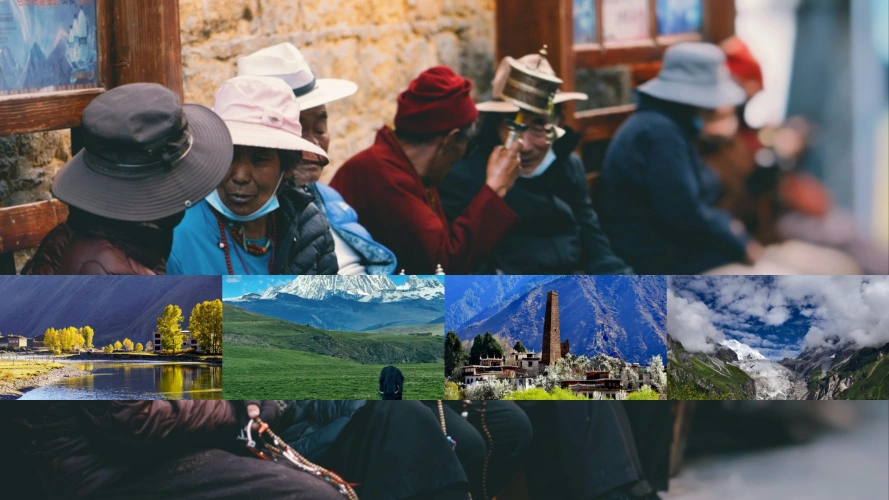
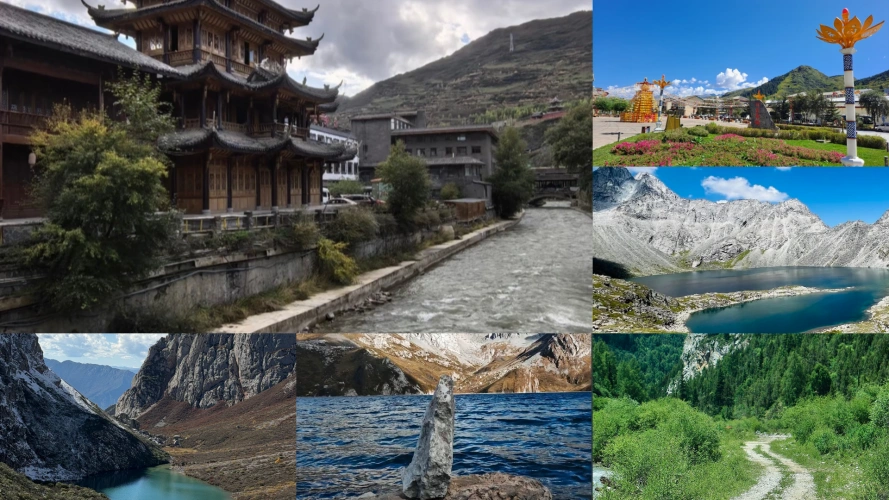
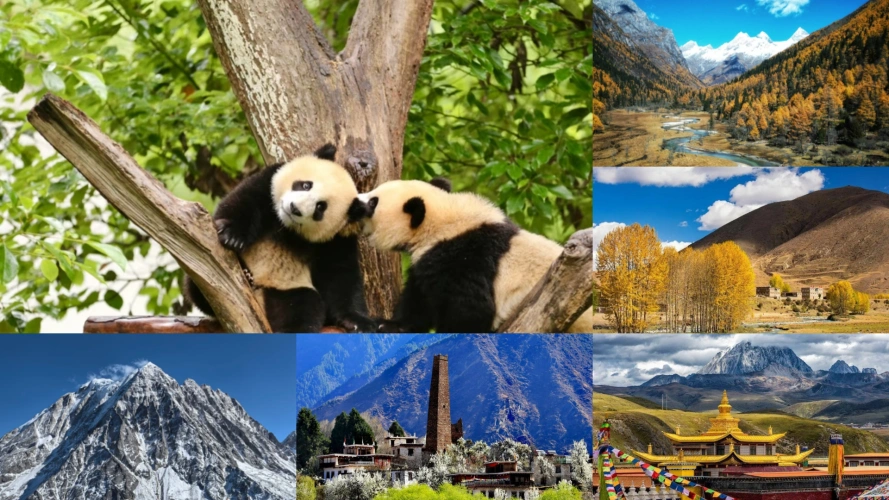
How many days to spend in Western Sichuan? From 4 to 10 days or even more, you’ll find the itinerary that best matches your interests, travel style, and road-trip pace. All routes are customizable.

Best Time to
Visit Western Sichuan
Western Sichuan weather varies dramatically with altitude and season.
Spring (Mar-Jun)
- Weather: Mild & Dry
- Wildflowers begin blooming
- Snow peaks still visible
- Pleasant hiking temperatures
- Fewer tourists than autumn
Autumn (Sep-Early Nov)
- Weather: Clear & Crisp
- Best mountain visibility
- Golden forests and grasslands
- Excellent photography season
- Stable road trip conditions
How to Get Around Western Sichuan
Western Sichuan covers a vast mountainous region where attractions are spread across valleys, grasslands, and high mountain passes. Getting around Western Sichuan is part of the adventure, so we believe the right transportation can make a significant difference to your travel experience.
Driving
Ideal for: Most travelers exploring multiple destinations
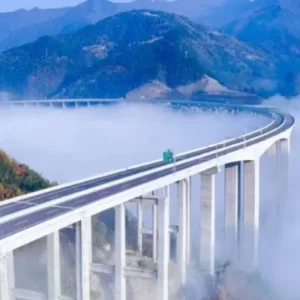
Western Sichuan is best experienced by road, as many of its highlights lie between towns. A private car with a local driver offers the greatest flexibility, comfort, and safety, allowing you to stop at mountain passes, villages, and viewpoints while avoiding the challenges of self-driving.

Flights
Ideal for: International travelers visiting one region only
Western Sichuan is served by five regional airports, each providing access to a specific area. While flying saves time, flights are limited, weather-dependent, and still require long drives to reach most attractions. The rapid gain in altitude also leaves little time for acclimatization.
Public Coaches
Ideal for: Budget backpackers and independent travelers
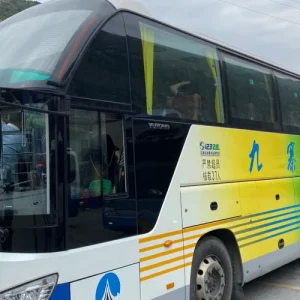
Long-distance coaches connect Chengdu with major towns such as Kangding, Danba, Litang, Seda, and Daocheng. They are the most affordable option, but journeys are long, schedules are fixed, and reaching attractions beyond town centers can be inconvenient.
Note:
1. 5 airports in Western Sichuan:
- Daocheng Yading Airport (DCY): Serves Daocheng Yading, Xiangcheng, southern Garze
- Kangding Airport (KGT): Serves Kangding, Tagong, Xinduqiao, Mount Gongga
- Ganzi Gesar Airport (GZG): Serves Ganzi County, Manigango, Xinluhai, Dege
- Aba Hongyuan Airport (AHJ): Serves Hongyuan Grassland, Ruoergai, and northern Aba Prefecture
- Jiuzhai Huanglong Airport (JZH): Serves Jiuzhaigou, Huanglong, Songpan, and northern Aba Prefecture (Northern Sichuan)
2. High-speed trains currently reach only Ya’an. All classic Western Sichuan routes continue by road from there.
3. Western Sichuan’s mountain roads are challenging, with winding passes, rapidly changing weather, and occasional landslides during the rainy season. We recommend choosing a well-maintained private vehicle and an experienced local driver for a safer and more comfortable journey.
Western Sichuan vs. Tibet: Which to Choose
Western Sichuan and Tibet share breathtaking mountain landscapes and rich Tibetan culture, but they offer very different travel experiences. Here’s a quick comparison to help you decide which destination best matches your interests and travel style.
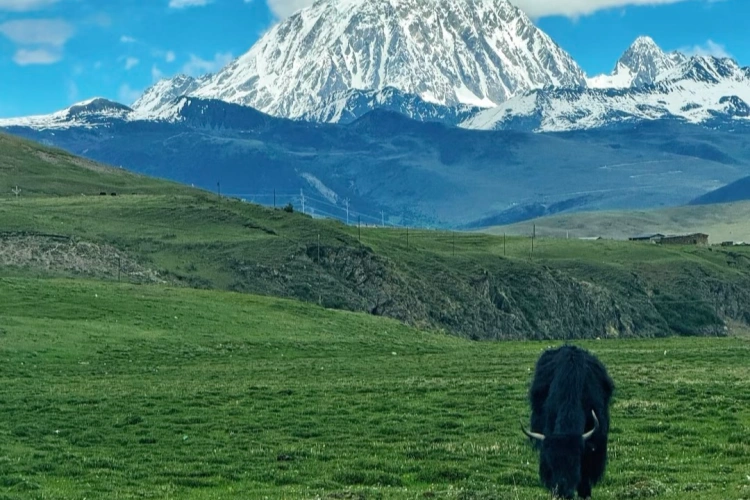
Western Sichuan
- No Tibet Travel Permit required
- Independent travel allowed
- Easier to access from Chengdu
- Flexible itineraries and road trips
- Diverse scenery in a shorter distance
- Also rich Tibetan culture and villages
- Lower average altitude than central Tibet
- Shorter driving distances between attractions
- Suitable for first-time plateau travelers
- Fewer world-famous landmarks than Tibet
VS
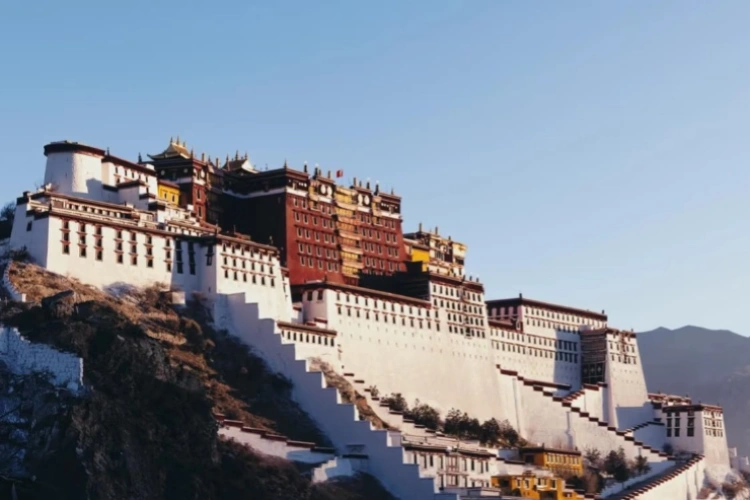
Tibet
- World-famous Potala Palace and Mount Everest
- Deeper Tibetan Buddhist heritage
- Vast plateau landscapes and sacred lakes
- Iconic once-in-a-lifetime destination
- Better for longer, immersive journeys
- Tibet Travel Permit required
- Independent travel not permitted
- More regulated travel arrangements
- Higher altitude, greater risk of altitude sickness
- Longer travel time and higher overall cost
Essential Tips for Western Sichuan Tours
Everything you need to know before you come to Western Sichuan, helping you travel more confortably, safely, and confidently.
Prepare for High Altitude
Many destinations sit between 3,000–4,500 meters. Spend your first night at a lower elevation, stay hydrated, and avoid strenuous activity on your first day.
Pack for Four Seasons
Mountain weather changes quickly, even in summer. Bring layered clothing, a waterproof jacket, sunscreen, sunglasses, and sturdy walking shoes.
Expect Long Scenic Drives
Distances may look short on a map, but winding mountain roads make journeys longer than expected. Plan fewer destinations each day and enjoy the scenery along the way.
Download Offline Maps
Mobile signal can be weak in remote valleys and mountain passes. Download offline maps and keep important bookings or hotel details saved on your phone.
Respect Local Culture
When visiting monasteries or villages, dress respectfully, ask before photographing people, and walk clockwise around stupas and prayer wheels.
Carry Some Cash
Mobile payments are common in China, but some remote villages, family-run guesthouses, and roadside stalls may still prefer cash or have limited payment options.
FAQ
Is Western Sichuan worth visiting?
Absolutely. Western Sichuan is one of China’s most spectacular travel regions, offering snow-capped mountains, Tibetan monasteries, alpine lakes, grasslands, and authentic Tibetan culture. It is less crowded than Tibet while providing many similar landscapes and cultural experiences.
How many days do I need in Western Sichuan?
A 4 to 6-day itinerary is ideal for first-time visitors, covering highlights such as Siguniang Mountain, Danba, Tagong, or Litang. If you plan to include Daocheng Yading or Jiuzhaigou, we recommend 8 to 10 days.
What is the best time to visit Western Sichuan?
Spring (April–June) and autumn (September–October) are generally the best seasons, with pleasant temperatures, clear mountain views, and excellent road conditions. Autumn is especially popular for its colorful forests and stable weather.Spring (April–June) and autumn (September–October) are generally the best seasons, with pleasant temperatures, clear mountain views, and excellent road conditions. Autumn is especially popular for its colorful forests and stable weather.
Can foreigners travel independently in Western Sichuan?
Yes. Unlike the Tibet Autonomous Region, international travelers can explore Western Sichuan independently without a Tibet Travel Permit. However, many visitors choose a private vehicle with a local driver because attractions are widely spread across mountainous terrain.
Is altitude sickness a concern in Western Sichuan?
Some destinations, including Daocheng Yading, Litang, and Tagong, are above 3,500 meters, so mild altitude sickness is possible. Taking time to acclimatize, staying hydrated, and avoiding strenuous activity on your first day can help reduce symptoms.
Is Western Sichuan the same as Tibet?
No. Western Sichuan is part of Sichuan Province, while Tibet is a separate autonomous region. Although both share Tibetan culture, monasteries, and high-altitude scenery, Western Sichuan is easier to access, does not require a Tibet Travel Permit, and offers more flexible travel.
Is Western Sichuan suitable for self-driving?
Many Chinese travelers, especially Chengdu locals, enjoy self-driving in Western Sichuan. For most international visitors, however, a private car with an experienced local driver is the more practical option due to mountain roads, changing weather, and the requirement for a Chinese driver’s licence.
Which airport should I fly into for Western Sichuan?
It depends on your itinerary. Kangding Airport is convenient for Kangding, Tagong, and Xinduqiao; Daocheng Yading Airport serves Yading and southern Garze; while Jiuzhai Huanglong Airport is best for Jiuzhaigou and Huanglong in northern Western Sichuan. Many travelers also start their journey by road from Chengdu.