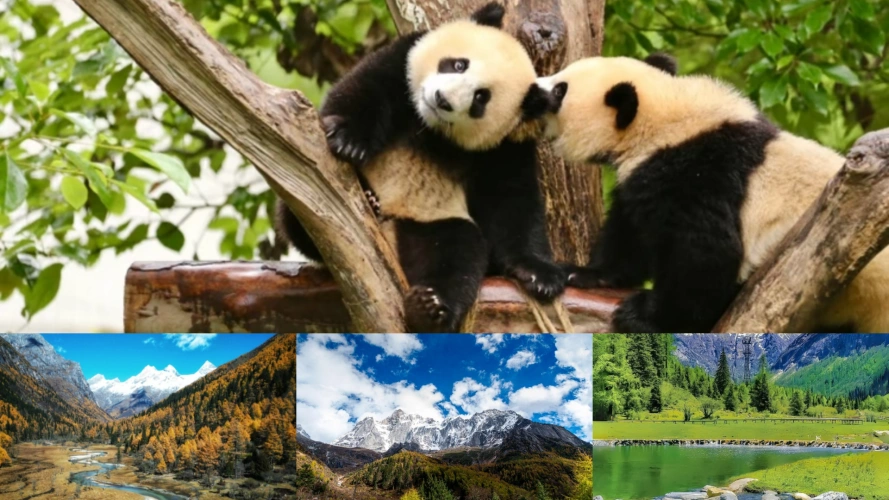
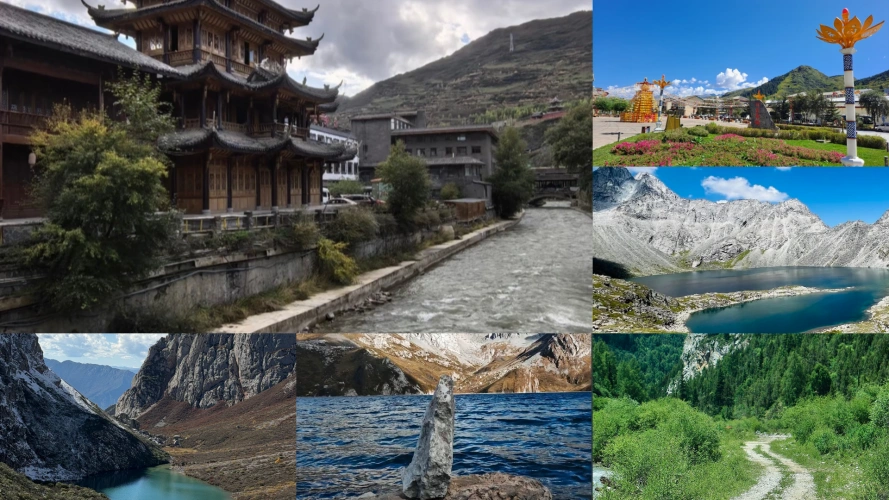
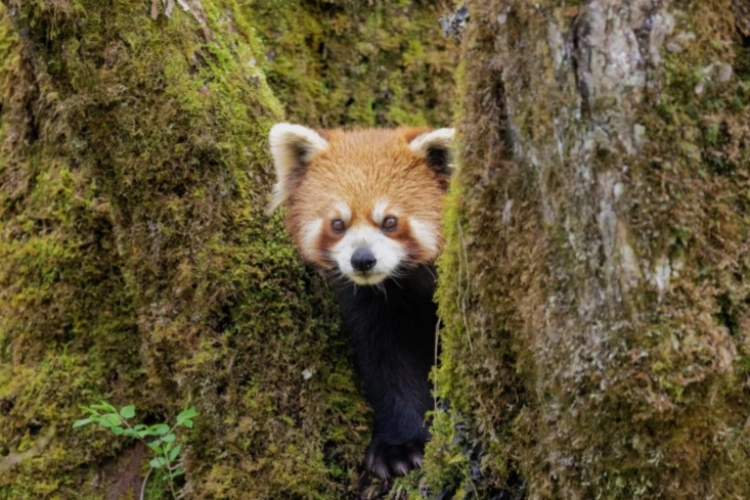
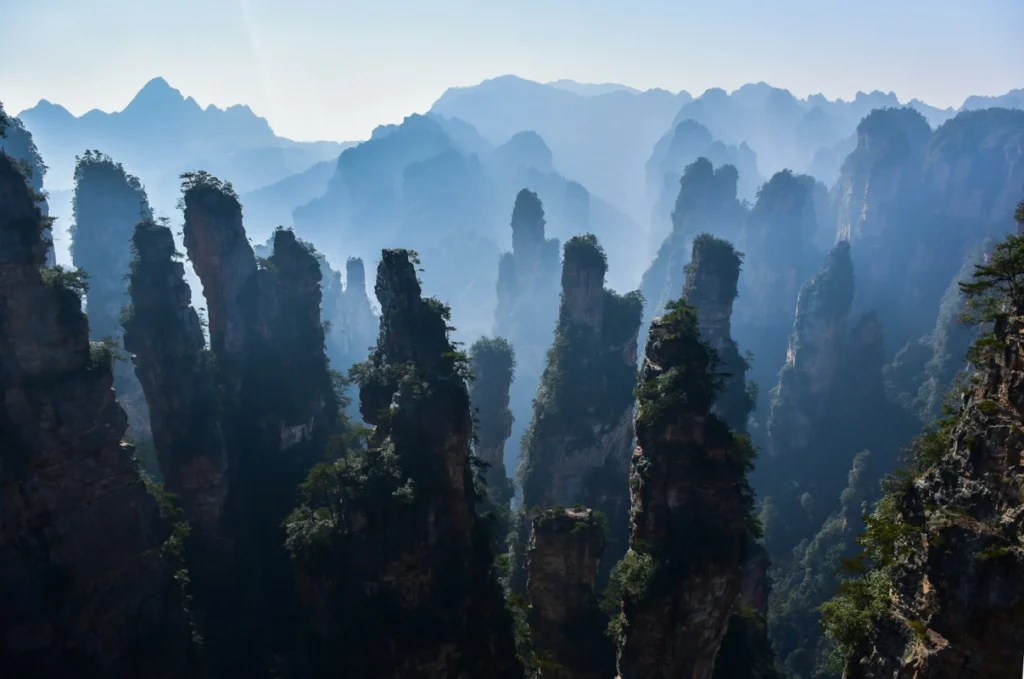
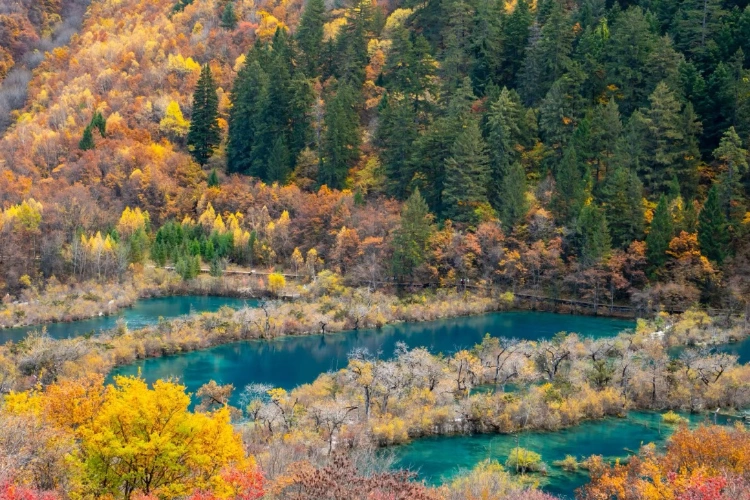
When people think of wildlife in Sichuan, giant pandas are usually the first animals that come to mind. But beyond the famous panda bases, Sichuan is home to an extraordinary variety of wild animals and some of China’s most important mountain ecosystems.
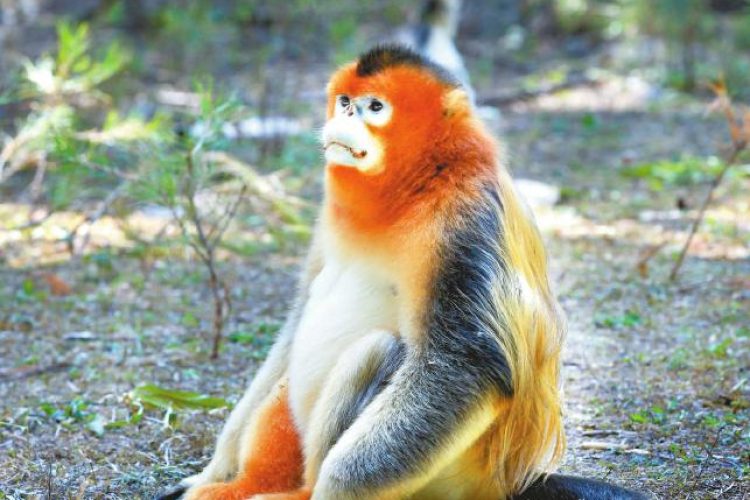
For travelers interested in wildlife watching in Sichuan, a dedicated wildlife tour can offer opportunities to look for golden snub-nosed monkeys, Sichuan takin, Tibetan macaques, goral, deer, and hundreds of bird species in their natural habitats.
Whether you are interested in wildlife photography, birdwatching, or simply want to see Sichuan’s wild animals beyond the usual tourist attractions, this guide covers the best places for wildlife watching, what you may see, the best time to visit, and how to plan a responsible wildlife trip.
What Wildlife Can You See in Sichuan?
Sichuan’s varied landscape supports an impressive range of wildlife. The western and northern parts of the province rise into the Hengduan Mountains and the eastern edge of the Tibetan Plateau, while central and northern Sichuan contain extensive forested mountain ranges.
Some of the most interesting species for visitors include:
- Wild giant pandas
- Golden snub-nosed monkeys
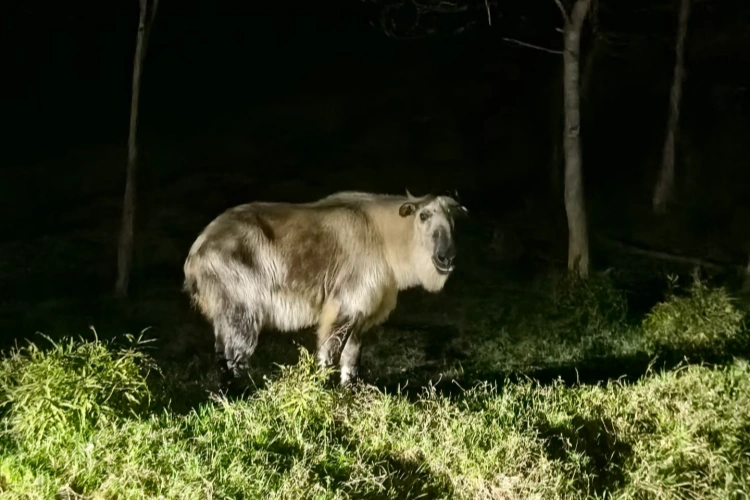
- Sichuan takin
- Tibetan macaques
- Chinese goral
- Reeve’s muntjac
- Tufted deer
- Serow
- Wild boar
- Asian black bears
- Yellow-throated martens
- Black-necked cranes
- Numerous mountain and forest bird species
Different animals live in different habitats, and the chances of seeing each species can vary considerably depending on the location, season, and conditions. We’ll explain this in more detail below.
Best Places to See Wildlife in Sichuan
Sichuan is a large province with an abundance of nature reserves, and each offers a different wildlife experience. Here are some of the best places to see wild animals in their natural habitats.
1. Tangjiahe Nature Reserve
Tangjiahe Nature Reserve is located in Qingchuan County in northern Sichuan. Covering extensive forests and mountains, the reserve supports a wide range of mammals and birds. It is one of Sichuan’s best destinations for travelers who want to focus specifically on wildlife in its natural habitat.
Distance from Chengdu: Approximately 300 km, or about 5–6 hours by private vehicle.
Main species
- Golden snub-nosed monkeys
- Sichuan takin
- Tibetan macaques
- Chinese goral
- Reeve’s muntjac
- Tufted deer
- Wild boar
- Yellow-throated marten
- A variety of forest birds
Best seasons: Spring through autumn.
Best time of day: Early morning and late afternoon
Best for: Diverse forest wildlife and dedicated wildlife observation
Recommended duration: 2 days
QuietRoutes Tip: If wildlife is your main reason for visiting Tangjiahe, don’t treat it as a quick day trip. Staying overnight near or inside the reserve allows you to start early and make the most of the quieter morning hours. Besides, a guided night wildlife observation tour is recommended.
2. Labahe Nature Reserve
Labahe Nature Reserve is located in Tianquan County in western Sichuan, surrounded by forested mountains and deep valleys. The reserve is known for its rich biodiversity and is a good destination for travelers interested in golden snub-nosed monkeys, forest mammals, and birds. Its relatively accessible location also makes it a practical choice for a wildlife-focused trip from Chengdu.
Distance from Chengdu: Approximately 180 km, or about 3.5–4.5 hours by private vehicle.
Main species
- Golden snub-nosed monkeys
- Sichuan takin
- Tibetan macaques
- Chinese goral
- Reeve’s muntjac
- Tufted deer
- Wild boar
- A variety of forest birds
Best seasons: Spring through autumn. Autumn is particularly attractive for comfortable hiking weather and colorful mountain forests.
Best time of day: Early morning and late afternoon
Best for: Hiking lovers and travelers who are interested in Golden snub-nosed monkeys and birdwatching
Recommended duration: 2 days
QuietRoutes Tip: If golden snub-nosed monkeys are your main target, we recommend allowing enough time and working with a local guide familiar with their usual habitats and movements.
3. Wanglang Nature Reserve
Wanglang Nature Reserve is located in Pingwu County in northern Sichuan, within the Min Mountains and an important part of the giant panda’s natural habitat. The reserve protects extensive mountain forests and is home to a variety of mammals and birds. It is a good choice for travelers who want to explore wild panda habitat while also looking for other mountain wildlife.
Distance from Chengdu: Approximately 330 km, or about 6–7 hours by private vehicle.
Main species
- Giant panda
- Golden snub-nosed monkeys
- Sichuan takin
- Tibetan macaques
Best seasons: Spring through autumn.
Best time of day: Early morning and late afternoon
Best for: Travelers interested in wild panda habitat
Recommended duration: 2–3 days
QuietRoutes Tip: If your main goal is to see a wild giant panda, keep your expectations realistic because panda sightings in the wild are extremely rare. A local guide can help you understand the habitat and look for signs of wildlife, while giving you a better overall experience in the reserve.
4. Zoige Grassland and Flower Lake
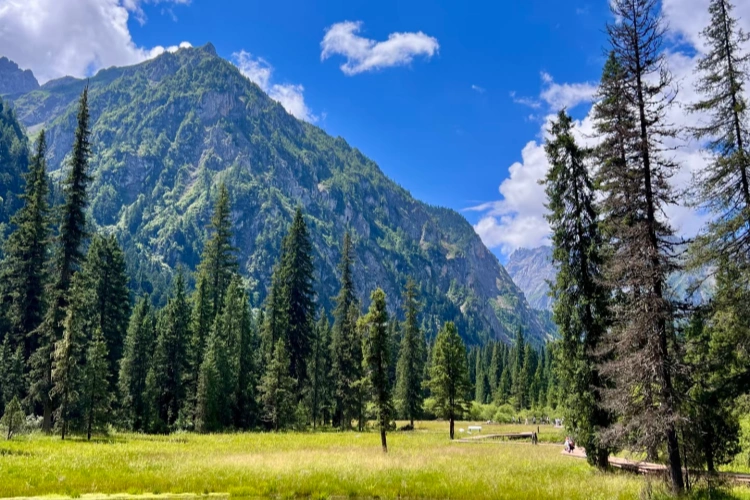
Ruoergai, also known as Zoige, is located in northern Sichuan on the eastern edge of the Tibetan Plateau. Unlike the forested reserves in southern and central Sichuan, this high-altitude region is characterized by vast grasslands, wetlands, rivers, and open valleys. It offers a completely different wildlife experience, particularly for travelers interested in plateau wildlife and birdwatching.
Distance from Chengdu: Approximately 470 km, or about 7–9 hours by private vehicle.
Main species
- Black-necked cranes
- Common redshank
- White-rumped snowfinch
- Common moorhen
- Great crested grebe
- Tibetan foxes
- Tibetan gazelles
- Marmots
- Pikas
- Raptors
- A variety of plateau and wetland birds
Best seasons: Late spring through autumn. Summer and early autumn are particularly good for birdwatching and exploring the grasslands.
Best time of day: Early morning and late afternoon
Best for: Birdwatchers, wildlife photographers, and travelers interested in Tibetan Plateau wildlife
Recommended duration: 2–3 days
QuietRoutes Tip: Ruoergai is best explored at a relaxed pace because of its high altitude and vast open landscape. Unlike forest reserves where wildlife may be hidden among the trees, the open grasslands and wetlands allow you to scan larger areas for birds and plateau mammals.
5. Jiuzhaigou and Huanglong Area
Jiuzhaigou, Huanglong, Songpan, and Chuanzhusi areas are among northern Sichuan’s most famous natural attractions. Although they are not primarily wildlife destinations, the surrounding protected forests provide habitat for a variety of mammals and birds. They are a good option for travelers who want to combine wildlife observation with Sichuan’s iconic scenery.
Distance from Chengdu: Approximately 450 km, or about 7–9 hours by private vehicle.
Main species
- Golden snub-nosed monkeys
- Tibetan macaques
- Chinese goral
- Muntjac
- Various forest birds
Best seasons: Spring through autumn
Best time of day: Early morning and late afternoon
Best for: Travelers who want to combine wildlife observation with spectacular mountain scenery
Recommended duration: 2–3 days
QuietRoutes Tip: If you are already planning to visit these destinations, setting aside some quiet time for wildlife observation can add another dimension to the trip.
How Many Days Do You Need for a Sichuan Wildlife Trip?
For a more meaningful wildlife experience, 2-3 days in one reserve is a much better starting point. This gives you enough time to explore different areas and, importantly, experience the best wildlife-watching periods rather than visiting only during the middle of the day.
The early morning and late afternoon are generally the best times to look for wild animals, when many species are more active. For this reason, we usually recommend spending at least one night near or inside the reserve.
If wildlife is one of the main purposes of your China trip, 4-5 days allows you to spend more time observing animals and potentially explore different habitats.
Dedicated wildlife photographers and birdwatchers may want a week or longer, especially if they want to combine northern Sichuan, western Sichuan, and different elevations.
The general rule is simple: the more time you have, the more opportunities you have for meaningful wildlife encounters.
Wildlife Photography Tips
You do not need professional photography equipment to enjoy wildlife watching, but binoculars and a camera with a telephoto lens can make a big difference.
A few practical tips:
- Bring binoculars even if photography is your main interest.
- Use a telephoto lens rather than trying to approach animals.
- Wear quiet, neutral-colored clothing.
- Protect cameras from rain and dust.
- Carry extra batteries in cold weather.
- Be patient and avoid making unnecessary noise.
- Never feed wildlife for a photograph.
- Keep a respectful distance.
- The goal should be to observe animals without changing their behavior.
Responsible Wildlife Watching in Sichuan
Responsible observation is especially important in protected areas.
- Visitors should never chase animals, feed them, block their path or try to attract them for photographs.
- Follow the rules of each reserve and stay on designated trails where required. Keep noise low and take all rubbish with you.
- If you are using a guide, choose someone who prioritizes animal welfare and conservation rather than promising guaranteed sightings.
Good wildlife tourism should leave the animals as undisturbed as possible.
Can You Combine Wildlife Watching With a Sichuan Trip?
Yes, and this is one of the advantages of traveling privately. For example:
For a short trip, you can combine Tangjiahe and nearby Jianmen Pass. This route gives you time for both a more natural wildlife environment and the historical architecture.
For a longer trip, you could combine Tangjiahe and Jiuzhaigou, adding Sichuan’s famous scenery to your wildlife experience.
The best route depends heavily on which species you want to see, your travel dates and how much time you are willing to spend in the field.

Final Thoughts
Sichuan is one of the most rewarding places in China for travelers seeking wildlife beyond traditional tourist attractions.
For a first wildlife-focused trip, Tangjiahe is particularly worth considering because of its variety of forest wildlife and its suitability for dedicated observation. Labahe, Wanglang, and the Ruoergai area offer different habitats and experiences for travelers with more specific interests.
Most importantly, come with realistic expectations. Wild animals do not follow an itinerary, and there is never a guarantee of seeing a particular species. But with enough time, the right season, a knowledgeable local guide and some patience, Sichuan can offer a very different side of China—one found quietly in its forests, mountains and grasslands.
FAQ
What wildlife can you see in Sichuan?
Sichuan is home to much more than giant pandas. Depending on where and when you travel, you may see golden snub-nosed monkeys, Sichuan takin, Tibetan macaques, goral, muntjac, deer, wild boar, a variety of birds and, more rarely, animals such as Asian black bears.
Where is the best place to see wildlife in Sichuan?
There is no single best place for every species. Tangjiahe is one of the strongest choices for general wildlife watching, while Labahe is particularly interesting for golden snub-nosed monkeys. Wanglang is a good choice for travelers interested in wild panda habitat, while Ruoergai is better suited to birdwatching and Tibetan Plateau wildlife.
Can you see wild pandas in Sichuan?
Yes, wild giant pandas live in several mountain reserves in Sichuan, but seeing one in the wild is extremely difficult. If seeing pandas is your main priority, a panda base is much more reliable. For a genuine wildlife experience, however, exploring panda habitat can be rewarding even without a panda sighting.
Where can I see golden snub-nosed monkeys in Sichuan?
Tangjiahe, Labahe and Wanglang are among the places to consider. Golden snub-nosed monkeys live in mountain forests and their movements vary with season and conditions, so sightings are never guaranteed.
Where can I see Sichuan takin?
Sichuan takin can be found in several mountain nature reserves, including Tangjiahe and areas of northern Sichuan. A local guide familiar with the reserve can help identify suitable habitats and recent wildlife activity.
What is the best time for wildlife watching in Sichuan?
The best time depends on the species and destination. Spring through autumn are generally good seasons for wildlife observation, while autumn is particularly attractive for comfortable weather, mountain scenery and forest wildlife. Early morning and late afternoon are usually the most productive times of day.
Is autumn a good time for wildlife watching in Sichuan?
Yes. Autumn is one of the most appealing seasons for a wildlife trip in Sichuan. Temperatures are generally comfortable for outdoor activities, mountain forests turn colorful, and there are opportunities to look for species such as golden snub-nosed monkeys and takin.
How many days do you need for a Sichuan wildlife trip?
For a dedicated wildlife experience, we recommend at least two to three days in one reserve. If wildlife is a major focus of your trip, four to five days gives you more opportunities to explore different habitats. Serious wildlife photographers and birdwatchers may want a week or longer.
Do you need a guide for wildlife watching in Sichuan?
A guide is not always mandatory, but it can make a significant difference. Local guides know the reserve, animal habitats and observation areas and can help you make the most of the early morning and late afternoon periods. For specialist wildlife trips, an experienced local wildlife professional can be particularly valuable.
Can I see wildlife near Chengdu?
There are nature areas within a few hours of Chengdu, but the best wildlife experiences often require traveling farther into Sichuan’s mountain regions. Destinations such as Tangjiahe, Labahe and Baoxing can be reached by private vehicle, making them suitable for a wildlife-focused trip from Chengdu.
Is Sichuan suitable for wildlife photography?
Yes. Sichuan offers excellent opportunities for wildlife photography, particularly for mammals and mountain birds. However, most animals are wild and sightings are unpredictable, so patience, suitable equipment and enough time in the field are more important than simply visiting a large number of destinations.