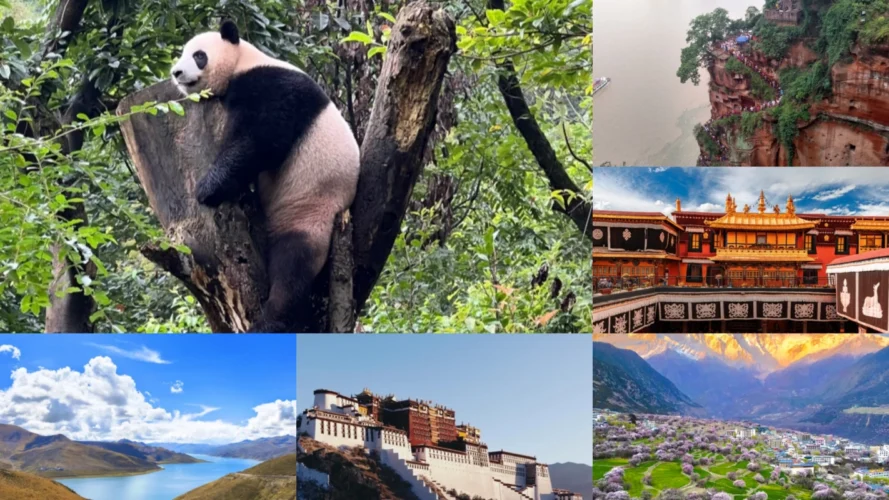
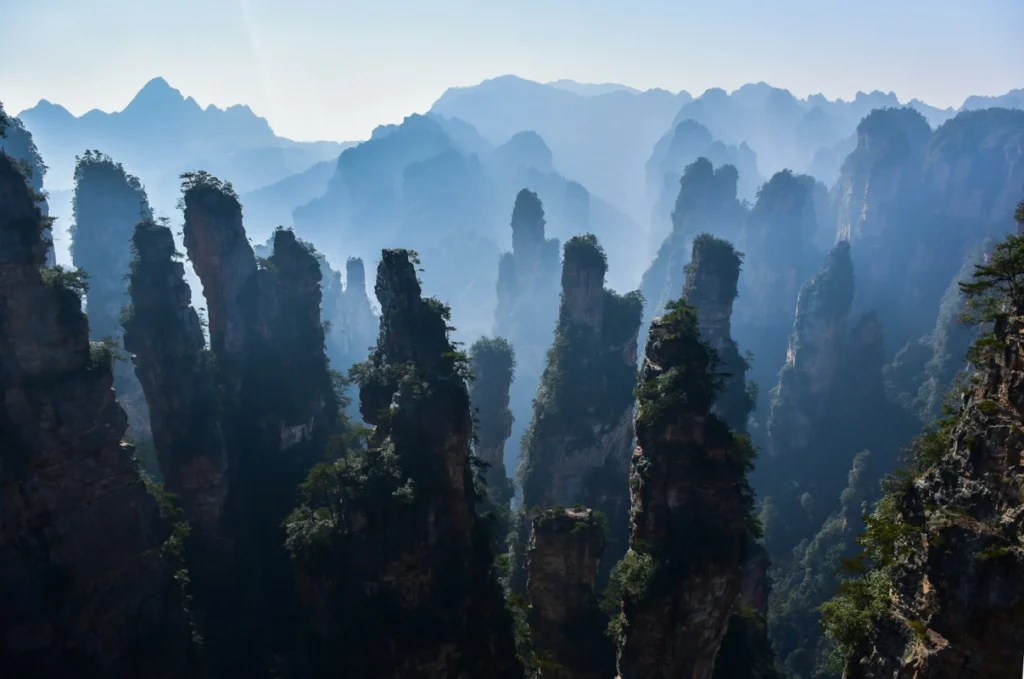
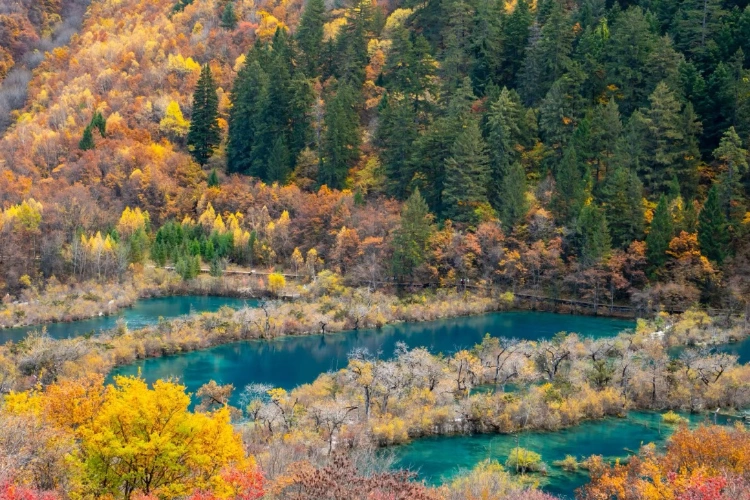
August in China presents travelers with a twin challenge: overwhelming heat and peak domestic travel crowds. For the unprepared, this month can feel like a logistical nightmare, where every famous sight is surrounded by a wall of people.
But for the strategic traveler, August is the month where China’s most dramatic landscapes truly shine.
Forget the steamy eastern cities. Our strategic playbook for August focuses on escaping the summer rush by leveraging China’s vast geography. We’re trading humidity for high altitude, heat for dry air, and crowds for endless horizons.
This guide reveals 10 essential destinations, specifically chosen to guarantee comfortable temperatures and minimize your exposure to peak-season congestion. From the high plateaus of Sichuan to the breezy northern coasts, your mission for a peaceful summer begins now.
Overview: China Weather in August
| Region | Temperature (August) | Weather Overview | Travel Notes |
|---|---|---|---|
| North China (Beijing, Hebei, Shanxi / Mount Wutai) | 23–33°C | Warm, mostly dry; cooler in mountain areas | Great for cultural sites + highland escapes |
| Northeast China (Harbin, Dalian) | 18–28°C | Mild, breezy, low humidity | Ideal for coastal breaks and family trips |
| Northwest China (Xinjiang: Ili, Kanas, Altay, Kashgar) | 15–30°C | Dry, sunny, excellent visibility | Peak season for lakes, grasslands, and road trips |
| Qinghai & Gansu Highlands (Qinghai Lake, Qilian Mountains, Zhangye Danxia) | 10–22°C | Cool, bright, low rainfall | Perfect for escaping heat; great for photography |
| Western Sichuan (Siguniang, Danba, Tagong, Yading) | 8–20°C | Fresh, green, stable weather | Ideal for trekking, culture, and mountain views |
| Tibet Plateau (Lhasa, Namtso, Everest Region) | 8–22°C | Dry, clear, long daylight hours | One of the best months for lake colors and visibility |
| Southwest China (Yunnan: Dali, Lijiang, Shangri-La) | 12–26°C | Mild, spring-like; possible short showers | Comfortable climate all summer |
| Southwest China (Guizhou) | 20–27°C | Humid, cooling mountain breezes | Good for waterfalls & villages; less hot than South China |
| East China (Shanghai, Hangzhou, Suzhou) | 28–36°C | Hot, humid; occasional storms | Plan sightseeing early morning or evening |
| South China (Guilin, Guangzhou, Shenzhen) | 26–34°C | Hot, humid; frequent quick showers | Beautiful green scenery; be flexible with timing |
| Coastal Cities (Qingdao, Dalian, Xiamen) | 22–32°C | Sea breezes moderate heat | Great for easy summer getaways |
| Fujian Mountains (Wuyishan) | 22–30°C | Warm, misty, shaded by forests | Good for hiking, tea culture, bamboo rafting |
1. Western Sichuan (Siguniang, Danba, Tagong, Yading)
This is the ultimate high-altitude escape. Western Sichuan remains blissfully cool and profoundly beautiful in August. The regions around Siguniang (Four Sisters Mountain) and Daocheng Yading are at peak lushness, with wildflowers everywhere. At the same time, the elevation keeps daytime temperatures mild, which is perfect for hiking. The vast grasslands of Tagong and the unique fortified villages of Danba offer stunning, uncrowded road trip material.
Temperature: 8–20°C
Best for: Mountains, trekking, photography
Duration: 4–8 days
Why August: Cool mountain weather, bright skies, and peak greenery.
Highlights:
- Mount Siguniang hiking trails
- Danba Tibetan villages
- Tagong grasslands
- Yading’s lakes & high-altitude valleys
QuietRoutes Tip: When visiting popular areas like Daocheng Yading, commit to staying outside the main park entrance area and hire a local driver to explore the lesser-known monasteries around Tagong for pure, peaceful high-plateau immersion.
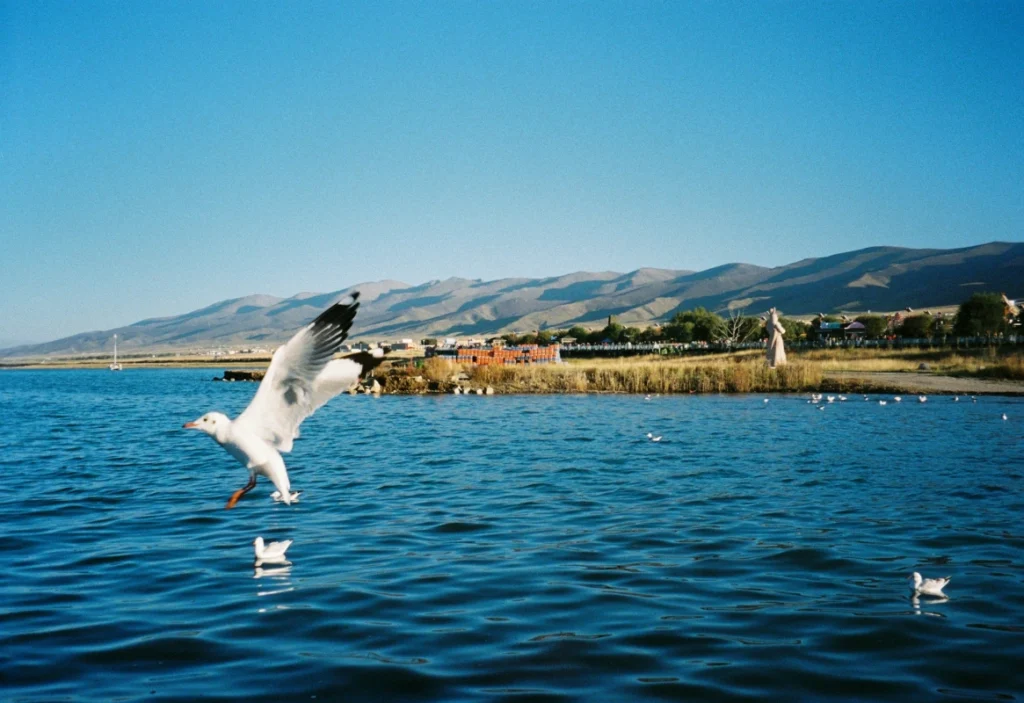
2. Qinghai Lake & Qilian Mountains
Qinghai remains one of the coolest and driest provinces in China in August.
The high plateau is ideal for road-tripping, cycling, and photography. The sheer scale of the landscape is the best crowd-dispersal mechanism available. You will find comfort, space, and consistently clear, dry skies.
Temperature: 10–22°C
Best for: Lakes, flower fields, photography
Duration: 3–5 days
Why August: Stable weather, fewer crowds than July, clear plateau skies.
Highlights:
- Qinghai Lake shoreline
- Qilian Mountain passes
- Grassland nomadic culture
QuietRoutes Tip: Avoid the crowded south shore (which is popular with tour buses). Instead, drive the less-developed north and west shores of the lake, or focus on exploring the less-visited grasslands and temples deep within the Qilian Mountains for solitude.
3. Gansu: Zhangye Danxia & Grasslands
Gansu is a monsoon-free zone, which makes it perfect for August travel.
The dry, clear air is essential for viewing the iconic, multi-hued Zhangye Danxia (Rainbow Mountains). Furthermore, this is when the high-altitude grasslands near the Qilian foothills are at their most vibrant green, offering a cool contrast to the arid desert landscape.
Temperature: 12–25°C
Best for: Colorful mountains, dry climate, cool weather
Duration: 3–5 days
Why August: Dry climate, ideal for photography.
Highlights:
- Danxia landforms
- Pingshan Lake Grand Canyon
- Qilian grasslands
QuietRoutes Tip: While the main Danxia park is unavoidable, seek out the nearby Binggou Danxia park for equally dramatic, canyon-like formations and far fewer crowds, offering a more serene photography experience.
4. Inner Mongolia Grasslands (Hulunbuir, Xilingol)
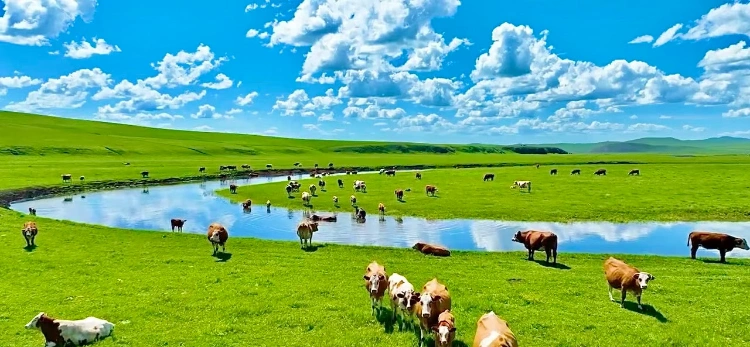
If you want an absolute escape from humidity, head north. August is the “Green Carpet” season in Hulunbuir and Xilingol. The extreme northern latitude guarantees wonderfully cool weather, and the endless rolling plains provide a sense of freedom and space that is rare anywhere else in China during peak season.
Temperature: 13–26°C
Best for: Families, wide-open scenery, culture
Duration: 3–6 days
Why August: Peak greenery, breezy, and comfortable weather.
Highlights:
- Hulunbuir river bends
- Horse culture
- Yurt stays
- Birch forests
QuietRoutes Tip: Instead of staying at the large, commercial yurt camps near Hailar, drive further afield and book a stay with a small, family-run nomadic herd near the Russian border for a much more authentic and private experience.
5. Yunnan Highlands (Dali, Lijiang, Shangri-La)
The high-altitude towns of Yunnan offer a beautiful, temperate climate year-round. While Dali and Lijiang can be busy, the elevation keeps the air consistently mild. For maximum August cooling, venture up to Shangri-La (Diqing), where the air is thin, the Tibetan culture is rich, and the surrounding mountains are dramatically beautiful and quiet.
Temperature: 12–26°C
Best for: Mild weather, culture, mountain scenery
Duration: 4–7 days
Why August: Comfortable temperatures and rich greenery.
Highlights:
- Erhai Lake cycling
- Lijiang Old Town
- Shangri-La meadows
QuietRoutes Tip: Bypass the heavily touristy Lijiang Old Town and spend your time cycling around Lugu Lake (on the Sichuan/Yunnan border) or hiking in the quieter, northern sections of the Tiger Leaping Gorge for unmatched solitude.
6. Tibet (Lhasa, Namtso, Everest Region)
August is peak travel time here for a reason. While Tibet enters its “rainy season,” this usually means short, intense afternoon showers that leave the evenings and mornings clear. The altitude ensures daytime temperatures are mild (15-22°C), making it perfect for spiritual sightseeing in Lhasa and viewing the vastness of Namtso Lake and the Everest Base Camp region.
Temperature: 8–22°C
Best for: Lakes, monasteries, high-altitude landscapes
Duration: 5–10 days
Why August: Clear skies and comfortable plateau weather.
Highlights:
- Potala Palace
- Namtso Lake
- Yamdrok Lake
- Everest Base Camp
QuietRoutes Tip: To escape the Lhasa crowds, explore the lesser-known temples in the suburbs, such as Sera Monastery during the mid-day debate sessions (when tourist groups are often eating lunch), or visit the quieter Yamdrok Lake on a weekday instead of the highly controlled Namtso Lake.
Epic Late-Summer Landscapes
These far western regions are at their absolute prime in August, offering dramatic, large-scale scenery just before the late-summer chill begins to set in.
7. Xinjiang – Ili Valley (Grasslands, Rivers, Flower Meadows)
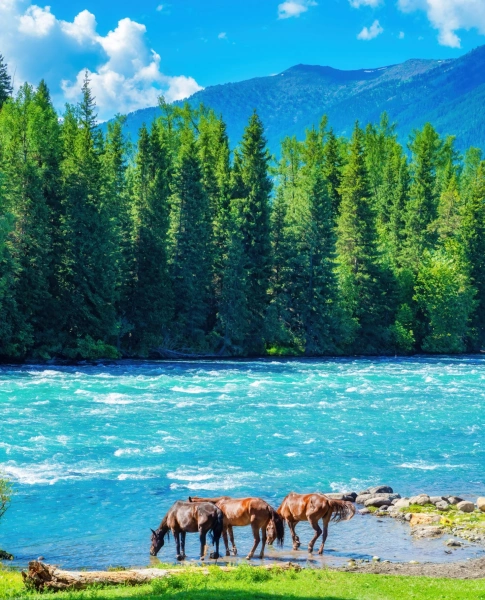
The Ili Valley is an explosion of life in August. This is the peak time for viewing the vast, lush grasslands, crisscrossed by rivers, and scattered with late-blooming flower meadows (like sunflowers and lingering lavender). The weather is sunny, dry, and perfectly warm for a memorable road trip through this massive, Central Asian-feeling region.
Temperature: 15–30°C
Best for: Rivers, grasslands, mountain views
Duration: 5–7 days
Why August: Warm days, dry climate, and incredible scenery.
Highlights:
- Sayram Lake
- Nalati Grassland
- Ili River valley roads
QuietRoutes Tip: Instead of the famous and crowded Nalati Grassland, head to the less-visited and more sprawling Zhaosu Grasslands further south for equally stunning scenery and more freedom to roam without designated tourist boardwalks.
8. Kashgar & Pamir Plateau (Tashkurgan)
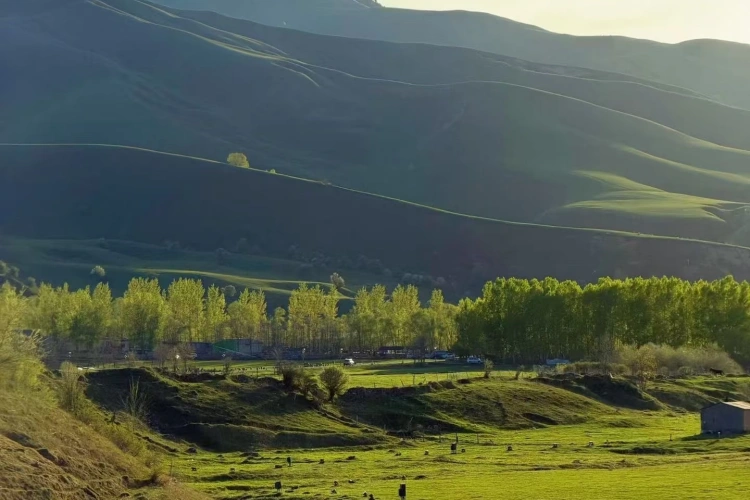
For the adventurous traveler, August means the roads high into the Pamir Mountains are fully accessible. Kashgar is the cultural heart of the Uyghur region and a must-see Silk Road city. From here, the journey up to the Pamir Plateau, with sights like Karakul Lake and the unique stone fortresses of Tashkurgan, rewards you with immense, cool, high-altitude mountain vistas.
Temperature: 10–25°C
Best for: Big landscapes, culture, photography
Duration: 3–5 days
Why August: Cooler temperatures than other months and stunning views.
Highlights:
- Karakul Lake
- Stone Fortress
- Tajik culture
QuietRoutes Tip: On your journey up the Karakoram Highway, rather than just stopping at Karakul Lake, spend an extra day exploring the quieter trails around Muztagh Ata base camp (weather permitting) for truly isolated mountain views.
Breezy Coastal Cities for August
Since August brings heat and humidity, strategic coastal choices are key. We prioritize northern latitudes or southern locations that offer continuous, refreshing ocean winds.
9. Dalian (Liaoning)
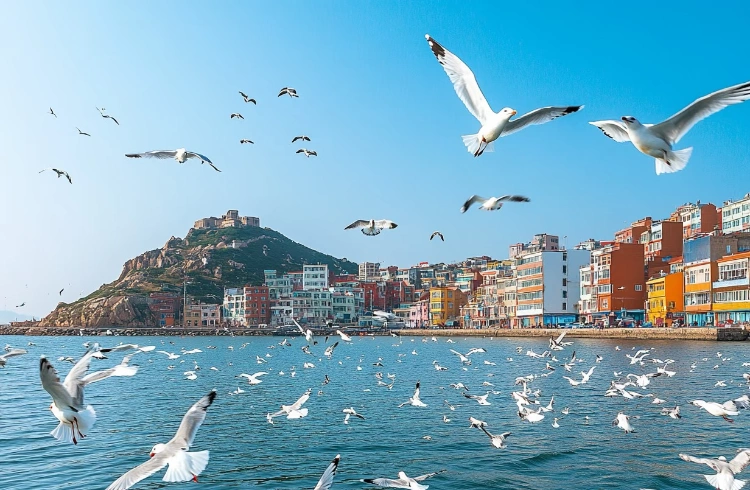
Located in Northeast China, Dalian offers an attractive, less-congested coastal alternative. It benefits from cooler air and extensive, rugged coastline perfect for long walks, cycling, and exploring smaller, less-frequented beaches outside the main city center.
Temperature: 21–28°C
Best for: Families, coastal walks, relaxed summer travel
Duration: 2–3 days
Why August: Peak beach season with breezy, mild temperatures and lots of outdoor activities.
Highlights:
- Golden Pebble Beach (Jinshitan)
- Tiger Beach Ocean Park (family-friendly)
- Coastal boardwalks and scenic seaside roads
- Lighthouse viewpoints at Bangchui Island
QuietRoutes Tip: Instead of sticking to Xinghai Square, take the scenic tram line to the far eastern coastal areas (like Bangchuidao Scenic Area) or visit the smaller islands nearby for a more authentic maritime feel.
10. Xiamen (Fujian)
Xiamen is a lovely island city that uses the ocean to its advantage. While it’s southern and warm, the constant sea winds and its focus on island life (especially the charming Gulangyu Island which is car-free) make it feel significantly breezier and more relaxed than mainland cities nearby.
Temperature: 24–33°C
Best for: Island walks, cafés, beaches, slow coastal travel
Duration: 2–3 days
Why August: Calm sea breezes, beautiful sunrise/sunset light, and lively island atmosphere.
Highlights:
- Gulangyu Island architecture and music heritage
- Zengcuoan art village
- Seaside boardwalk (perfect for sunrise walks)
- Beachfront cafés and relaxed neighborhoods
QuietRoutes Tip: While Gulangyu is a must-see, the main island’s Wuyuan Bay Wetland Park offers peaceful walking trails and birdwatching, providing a quiet, green contrast to the bustling coastal streets.
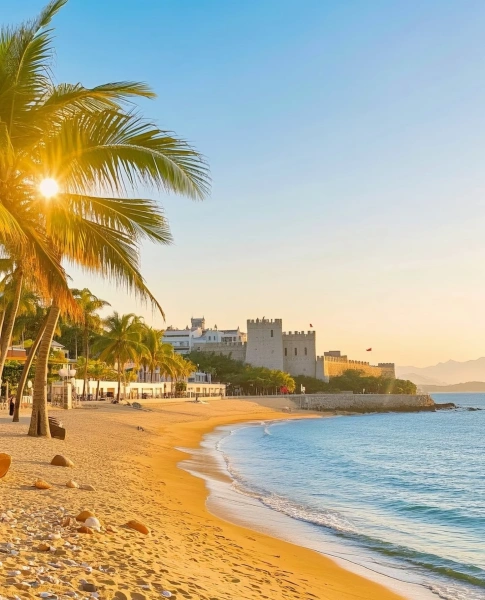
Essential Tips for Visiting China in August
- Choose high-altitude or northern destinations to avoid the heat (Qinghai, Western Sichuan, Tibet, Xinjiang, Yunnan).
- Avoid midday heat in eastern and southern cities; explore outdoors in the morning or evening.
- Bring a light rain jacket, especially for South and East China, where showers are common.
- Use strong sun protection, especially on plateaus where UV is intense.
- Pack layers for cool mornings and nights in mountain regions.
- Book early for Xinjiang, Inner Mongolia, and popular cool-weather spots.
- Expect long driving distances in Xinjiang and the grassland regions.
- Stay hydrated in dry areas like Gansu, Qinghai, Tibet, and Xinjiang.
- Check typhoon updates when traveling to Southeast coast cities (Xiamen, Fuzhou).
- Bring comfortable shoes for walks, hikes, and varied terrain.
FAQ
Is August truly the busiest and most crowded time to travel in China?
Yes, August is one of the peak months for domestic tourism, second only to the major Golden Week holidays (like October 1st). The primary reason is that it aligns with the school summer break. This means major cities and popular low-altitude attractions (like Hangzhou, Guilin, or Beijing) will be heavily congested. Our strategy focuses on destinations where the sheer scale of the landscape (e.g., Qinghai, Inner Mongolia, Xinjiang) or high altitude naturally disperses the crowds, making the experience manageable.
How far in advance do I need to book my transportation and accommodation for August?
For August travel, you must book early, especially for high-speed rail and flights to popular destinations like Chengdu (gateway to Sichuan) or Xining (gateway to Qinghai).
- Flights/Trains: Book at least 4 to 6 weeks in advance. High-speed train tickets in China are released 15 days before departure and sell out within minutes for popular routes. Consider booking flights for long-distance travel to guarantee a seat.
- Accommodation: Book high-demand locations (e.g., Shangri-La, Hemu Village in Xinjiang, or small inns in Danba) 6 weeks or more ahead, as the best rooms often fill up first.
I want to visit a major city like Beijing or Shanghai. Is it worth it in August?
While the history and culture of Beijing and Shanghai are accessible year-round, August is physically difficult due to the heat and crowds. If you must visit, focus on indoor activities (museums, galleries) during midday. For sightseeing like the Forbidden City or the Bund, plan for 7 AM starts and finish before 11 AM to avoid the worst of both the heat and the crowds. The experience will be significantly less pleasant than in cooler shoulder seasons (April/May or October/November).
Is the "rainy season" in Tibet/Western Sichuan bad for travel in August?
The term “rainy season” in high-altitude regions like Tibet and Western Sichuan is often misleading. It generally means short, intense afternoon showers, usually lasting an hour or two. These storms rarely last all day. In fact, the moisture helps clear the air of dust and makes the grasslands incredibly lush. Travelers should plan their major hikes and outdoor activities for the clear mornings (7 AM – 1 PM) and use the afternoons for travel or indoor rest.
What is the best destination for a family traveling with young children who need cool, easy access?
For families seeking easy access and cool temperatures, Qingdao (Shandong) is highly recommended. It offers mild coastal weather, minimal humidity, and has excellent infrastructure (beaches, parks, cycling paths) without the intense altitude or remote travel required for Xinjiang or Tibet. Dali (Yunnan) is a secondary great option, offering comfortable, temperate weather and a relaxed atmosphere by Erhai Lake.