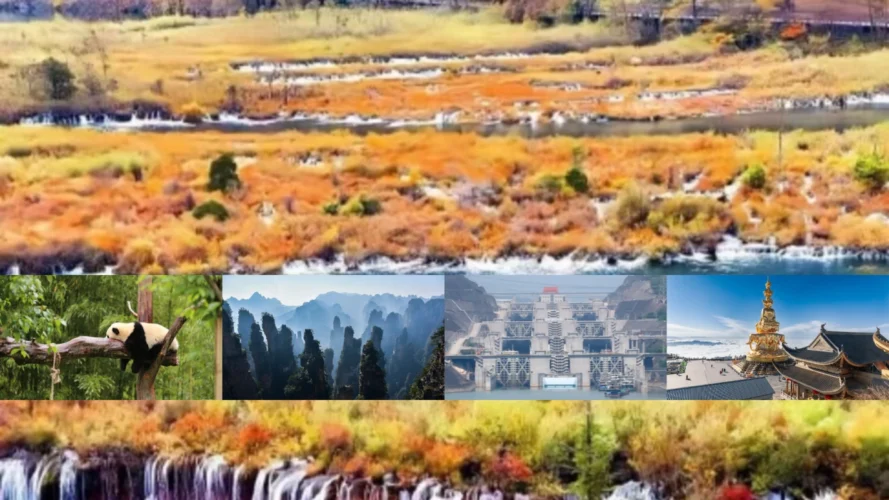
Jiuzhaigou is one of the most spectacular natural landscapes in China. Famous for its turquoise lakes and cascading waterfalls, the park attracts visitors from around the world and is recognized as a UNESCO World Heritage Site. For many international travelers, however, one question often arises during trip planning: Is it difficult to visit Jiuzhaigou as a foreigner?
Because the park sits in the remote mountains of northern Sichuan, within a Tibetan region, travelers often worry about permits, transportation, language barriers, or how to book park tickets.
In reality, visiting Jiuzhaigou as a foreigner is much easier than many people expect.
This guide explains everything you need to know before visiting Jiuzhaigou, including entry requirements, ticket booking, transportation, language concerns, and practical travel tips.

Are Foreigners Allowed to Visit Jiuzhaigou?
Yes. Foreign travelers are allowed to visit Jiuzhaigou National Park, and there are currently no restrictions preventing international tourists from entering the area.
Unlike certain regions in China that require special travel permits, Jiuzhaigou does not require any additional authorization beyond a valid passport and a park ticket.
Visitors simply need to present their passport when purchasing tickets or entering the park. The passport number is typically used as identification for the ticketing system.
Do Foreign Travelers Need a Special Permit?
No special permits are required for foreigners visiting Jiuzhaigou.
This is an important distinction because some destinations in western China, such as Tibet, require additional travel permits arranged through licensed tour agencies. Jiuzhaigou does not fall under those regulations.
To visit Jiuzhaigou, travelers only need:
- A valid passport
- A Jiuzhaigou park entrance ticket
- An eco-bus transportation ticket (usually included with admission)
This makes Jiuzhaigou one of the most accessible highland destinations in western China for international travelers.
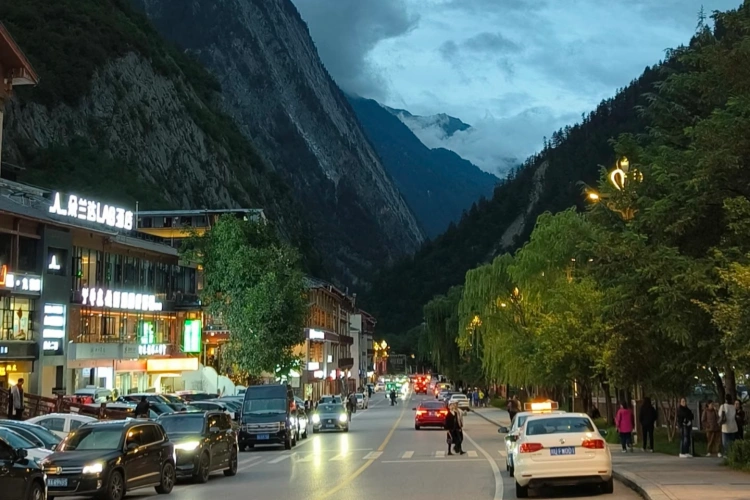
What Do Foreign Travelers Need for Jiuzhaigou?
To reach Jiuzhaigou in 2026, you first need to navigate China’s updated visa policies. The good news? It’s the most accessible the country has been in decades.
30-Day Visa-Free (The Easiest Path): As of 2026, citizens from over 70 countries, including most of Europe, Australia, New Zealand, and parts of SE Asia—can enter China for up to 30 days without any prior paperwork. Just show up with your passport.
240-Hour Transit (The Layover Loophole): If your country isn’t on the visa-free list, you can still visit Jiuzhaigou on a 10-day (240-hour) transit visa-free stay.
The catch: You must fly into Chengdu (TFU) from Country A and depart to Country C (e.g., London > Chengdu > Bangkok).
The L-Visa (The Traditional Route): If you don’t qualify for the above and plan a longer trek, you’ll need a standard Tourist (L) Visa.
How Foreigners Can Buy Jiuzhaigou Tickets
Jiuzhaigou operates on a mandatory real-name booking system. You cannot simply show up and buy a ticket at a window.
The Portal: Use the “Aba Tourism” WeChat mini-program or Trip.com.
The Passport Rule: When booking, select “Passport” as your ID type. Enter your number exactly as it appears.
Entry Protocol: In 2026, while locals swipe their ID cards, foreigners must still visit the “Manual Window” at the entrance to have their passport scanned and a paper entry slip issued. Arrive 30 minutes before your time slot to handle this.
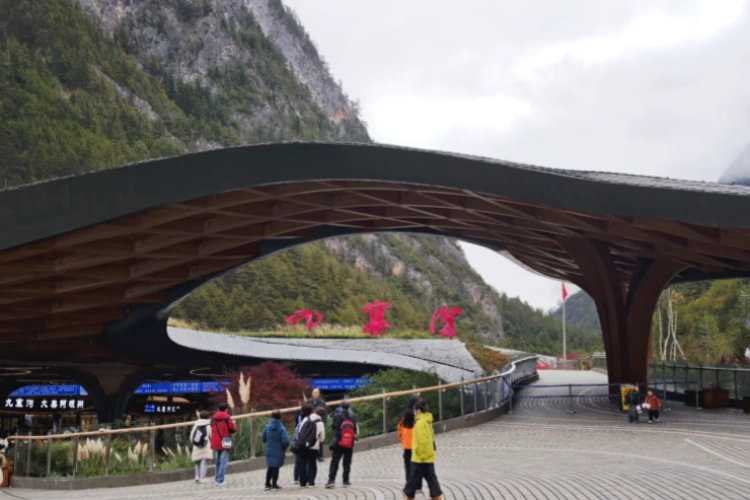
Getting to Jiuzhaigou
Most international travelers begin their journey to Jiuzhaigou from Chengdu, the capital of Sichuan Province.
There are three main ways to reach the park.
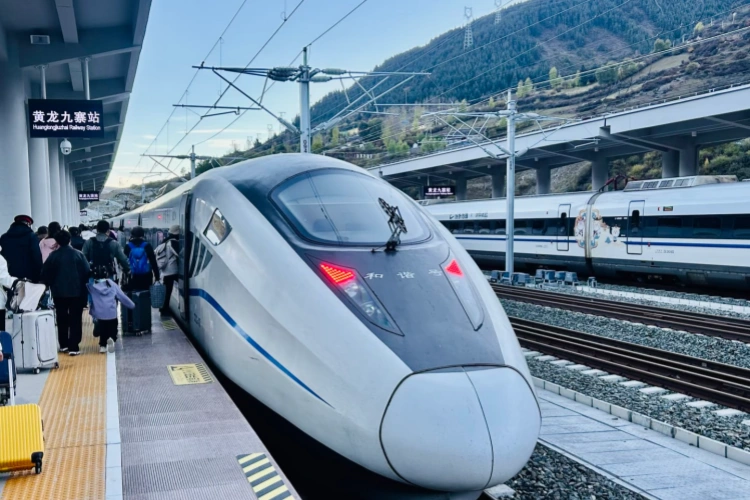
1. High-Speed Train
The Route: Take the bullet train from Chengdu East to Huanglongjiuzhai Station.
The Time: The journey takes just under 2 hours.
The Last Mile: From the station, it is a 90-minute shuttle or private car ride to Zhangzha Town (the park entrance). Note that the station is at 3,000m altitude, so move slowly when you first step off the train.
2. Flights
The Route: Fly from Chengdu Tianfu (TFU) or Shuangliu Airport (CTU) to Jiuzhai Huanglong Airport (JZH).
The Time: The flight itself is a mere 60 minutes.
The Logistics: It still requires a 90-minute transfer by shuttle or private car to the park entrance.
3. Road Trip
The Route: The “West Route” via Dujiangyan and Wenchuan is the classic (G213). The newly opened “East Route” via G8513 is faster.
The Time: The “West Route” takes about 8-10 hours, while the “East Route” is about 6-8 hours.
The Digital Toolkit: Payment & Navigation
In 2026, cash is a relic and Google is a ghost. To stay “Quiet” and efficient, you need these three apps:
Alipay / WeChat Pay: Essential. You can now link your international Visa or Mastercard directly. Use the “TourPass” mini-program for higher spending limits.
12306 App: This is the official China Railway app. It now has a robust English version that accepts international passports and credit cards for the Chengdu-to-Jiuzhaigou HSR.
Apple Maps or Amap (Gaode): Google Maps is significantly outdated in this region. Apple Maps works natively and provides accurate walking paths for the park’s boardwalks.
Is the Language Barrier a Problem?
For many international travelers, language is one of the biggest concerns when visiting remote parts of China.
In Jiuzhaigou, however, the language barrier is usually manageable.
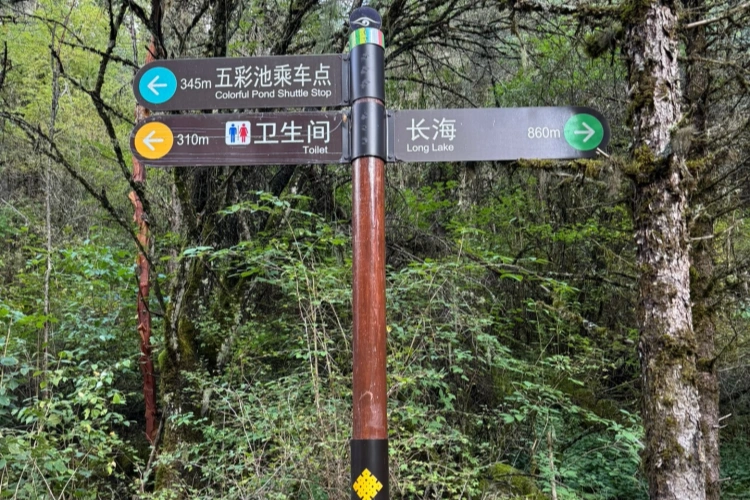
Inside the national park, most signs are displayed in both Chinese and English, especially at major lakes, waterfalls, and transportation hubs. Maps and information boards also include English translations.
In hotels and larger tourist establishments near the park entrance, staff members often have basic English skills and experience working with international guests.
However, outside of major hotels and tourist areas, English may be limited. Taxi drivers, small restaurants, and local shops may communicate primarily in Chinese.
Fortunately, translation apps have made travel much easier. Tools such as Google Translate or other smartphone translation apps can help bridge simple communication gaps.
Downloading offline translation packs before arriving in the area is a helpful precaution.
Where Foreign Travelers Usually Stay
Most visitors stay near the Jiuzhaigou park entrance, where the majority of hotels and guesthouses are located.
This area offers a range of accommodation options, including international-style luxury hotels, mid-range resorts, and Tibetan family-run guesthouses.
Staying near the entrance makes it easier to enter the park early in the morning, which is particularly useful during busy seasons.
Accommodation styles vary widely, so it is worth researching options carefully before booking.
Should Foreign Travelers Join a Tour?
Both independent travel and guided tours are possible for visiting Jiuzhaigou.
Independent travel offers greater flexibility and allows visitors to explore the park at their own pace. Travelers comfortable using smartphones, translation apps, and booking platforms usually find independent visits manageable.
However, guided tours can simplify logistics, especially for first-time visitors to China.
For travelers with limited time or those who prefer organized itineraries, tours can provide a convenient alternative.
Common Mistakes Foreign Travelers Should Avoid
Even though Jiuzhaigou is relatively easy to visit, a few common mistakes can affect the travel experience.
Visit during China’s major national holidays, such as the first week of October. During these periods, domestic tourism surges and the park can become extremely crowded.
Arrive too late in the day. Jiuzhaigou is a large park, and entering in the afternoon leaves little time to explore its many lakes and waterfalls.
Final Thoughts
Visiting Jiuzhaigou as a foreigner may seem intimidating at first, mainly because of the park’s remote mountain location. But in reality, the experience is much easier than many travelers expect.
The park’s organized transportation system, clearly marked walking paths, and established tourism infrastructure make it one of the most accessible natural destinations in western China.
With basic planning—such as booking tickets in advance and arranging transportation from Chengdu—international travelers can explore Jiuzhaigou comfortably and safely.
For many visitors, the reward is unforgettable: turquoise lakes reflecting colorful forests, waterfalls cascading through limestone terraces, and a landscape that feels almost unreal.