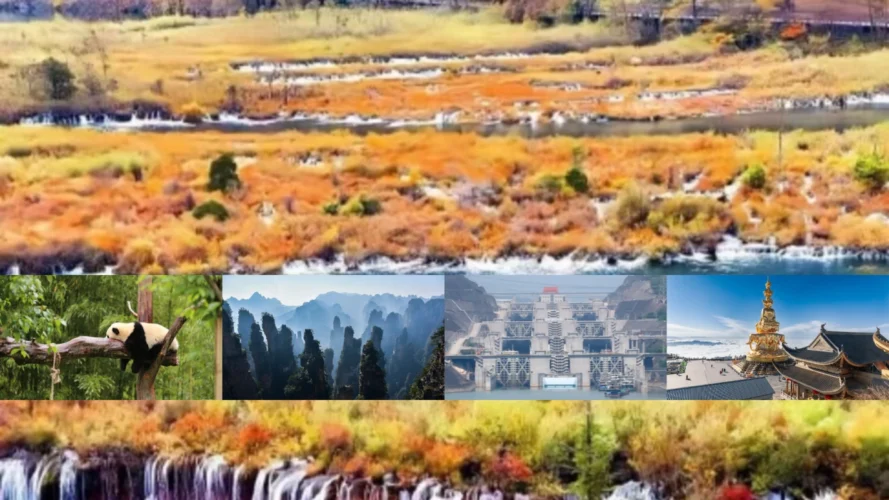
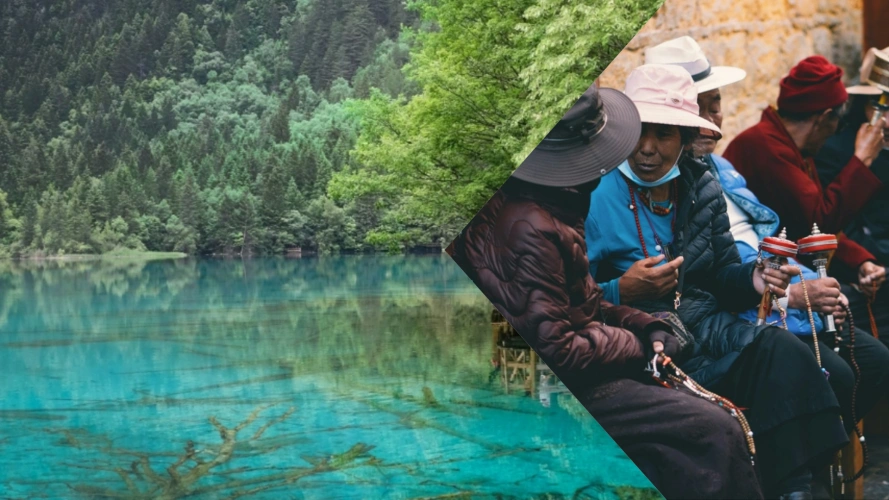
Jiuzhaigou is one of the most spectacular landscapes in China. Turquoise lakes, multi-level waterfalls, and colorful forests make the valley feel almost unreal. But because the park sits in a remote mountain region of northern Sichuan, choosing where to stay can significantly affect your travel experience.
Whether you’re planning a Jiuzhaigou tour from Chengdu or other cities, here’s the fact you need to know before you go: Unlike many national parks around the world, accommodation in Jiuzhaigou generally falls into two very different categories:
- Luxury international-style resorts
- Authentic Tibetan family-run homestays
Both options have advantages, and the best choice depends on what kind of traveler you are. Some visitors want spa facilities and mountain-view suites after a long day hiking. Others prefer the warmth of Tibetan hospitality and a closer connection to local culture.
This guide explains the real differences between luxury hotels and Tibetan homestays in Jiuzhaigou, including location, comfort, price, and atmosphere. By the end, you’ll know exactly which type of accommodation fits your trip.
Understanding the Jiuzhaigou Accommodation Area
Before choosing a hotel, it’s important to understand where visitors actually stay when visiting Jiuzhaigou.
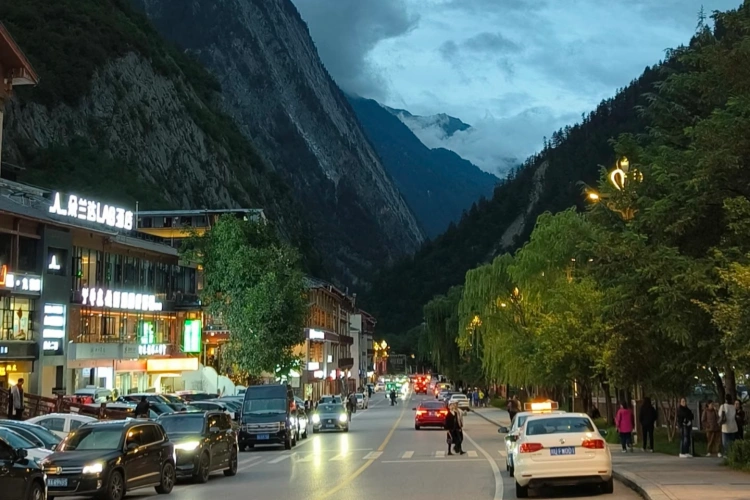
Unlike cities where hotels are spread across many districts, most accommodation near Jiuzhaigou is concentrated in a single area outside the national park entrance.
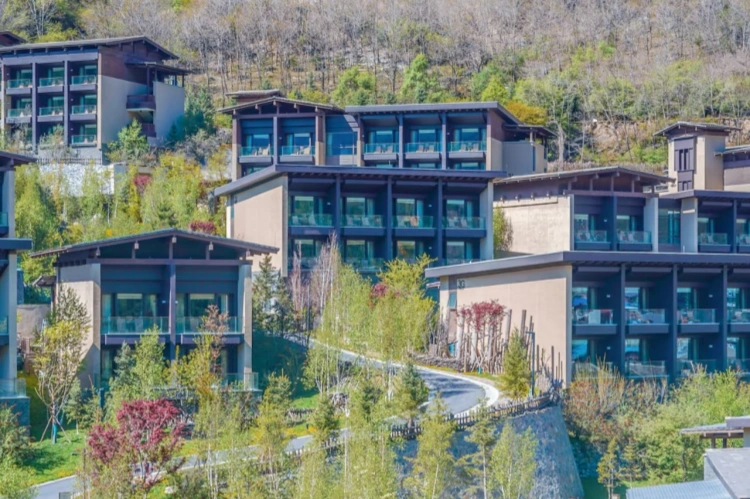
The Luxury Hub: Zhongcha Valley (The Luneng Resort Area)
If you want to feel the “Quiet” of the mountains without sacrificing a single creature comfort, the Zhongcha Valley is your destination. Located about 15 minutes’ taxi (12 km) from the park entrance, this area feels like a manicured alpine village.
The Boutique Revolution: Zhangzha Town (The Gate Area)
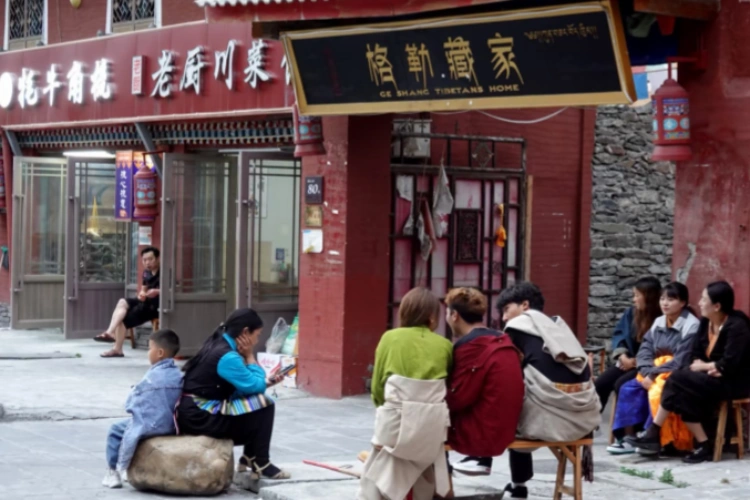
If your goal is to be the first person in line at the park entrance at 7:30 AM, you stay in Zhangzha Town. In the past, this area was known for “tired” 3-star hotels. Today, it’s home to “Light Luxury” Boutique Stays.
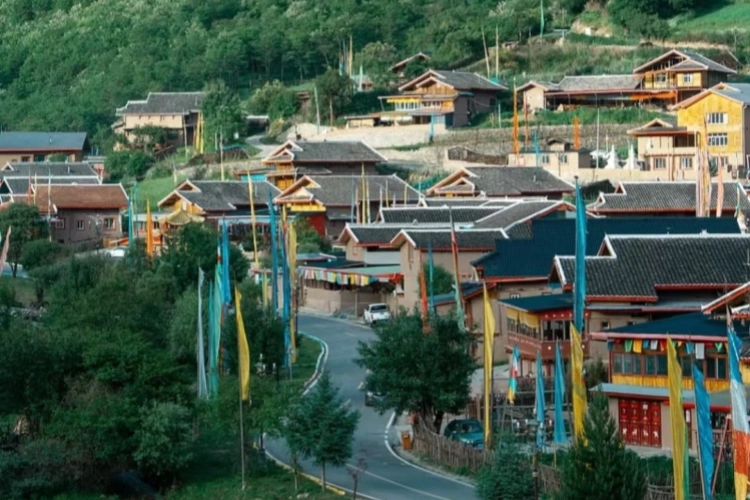
Besides, you can also find smaller family-run accommodations, local Tibetan architecture, and traditional home-cooked meals.
The Secret Option: Staying Inside the Park
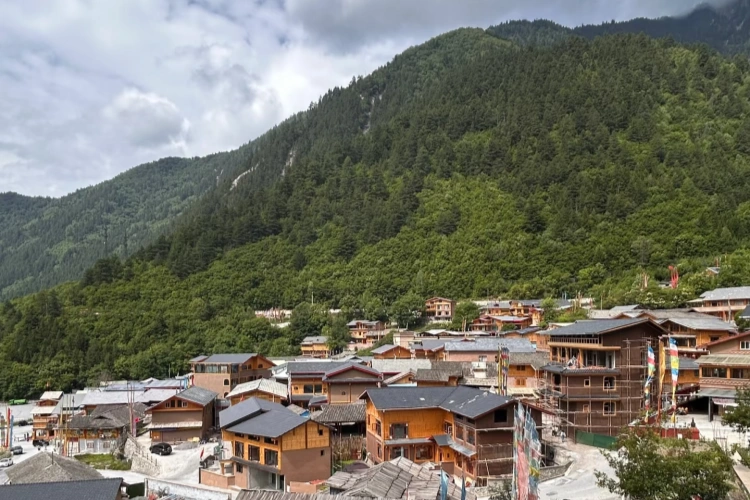
Can you stay inside the national park? The answer remains a “gray area.” Officially, staying overnight is often discouraged or restricted by park authorities. However, some Tibetan families offer rooms inside the park.
If you plan to stay inside the park, you must know that the facilities are basic. Some Tibetan homestays only provide shared bathrooms and simple food.
The upside is that you wake up to the sound of the Shuzheng Waterfalls and get to see the lakes before the first shuttle bus of tourists arrives from the gate. This is only for the “deep-immersion” traveler who prioritizes the view over a hot shower.
Critical Comparison: Luxury vs. Boutique
| Feature | Luxury Hotels | Tibetan Homestays |
|---|---|---|
| Comfort Level | High | Basic to moderate |
| Price | $250 - $1,500 USD | $60 - $150 USD |
| Distance to Gate | 15–20 minute drive | 5–10 minute walk or drive |
| Room Size | Large | Smaller |
| Heating | Central HVAC + Floor Heating | High-end AC or Floor Heating |
| Dining | Restaurant and buffet | Home-style meals, Tibetan Hotpot |
| Cultural Experience | Limited | Authentic |
| English Service | Often available | Limited |
| Atmosphere | Resort style | Local village life |
Luxury Hotels: High-Altitude Sanctuary
These properties are designed for the traveler who wants to experience the raw, rugged beauty of the Min Mountains by day but retire to a climate-controlled, five-star sanctuary by night.
For many, the transition from the humid Sichuan Basin to the 2,000-meter plateau can be taxing; these resorts act as a “buffer,” providing the oxygen, warmth, and familiar comforts that make high-altitude travel seamless.
Climate & Oxygen Mastery: Modern resorts here don’t just offer heating; they feature advanced underfloor heating systems and, in some cases, diffused oxygen in the rooms to mitigate altitude fatigue.
The “View from the Pillow”: Expect floor-to-ceiling glass. Whether you are facing the dense pine forests of the Zhongcha Valley or the mist-covered peaks, the landscape is always the focal point.
Global Palates: If you aren’t ready for a 7:00 AM bowl of spicy Tibetan noodles, these resorts provide the most reliable Western-style breakfasts, high-end spas, and English-speaking concierge teams in the region.
The QuietRoutes Recommended Shortlist
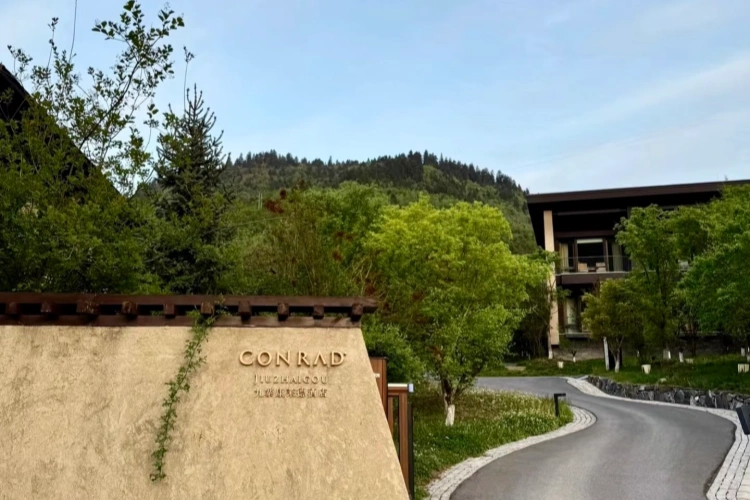
Conrad Jiuzhaigou: The current “design darling” of the valley. It features a stunning blend of modern minimalism and Tibetan motifs. It’s smaller and more intimate than the massive resorts, making it the top pick for couples.
Hilton Jiuzhaigou Resort: The gold standard for families. With a sprawling kids’ club and consistent service, it’s the most stress-free option if you’re traveling with a “pack.”
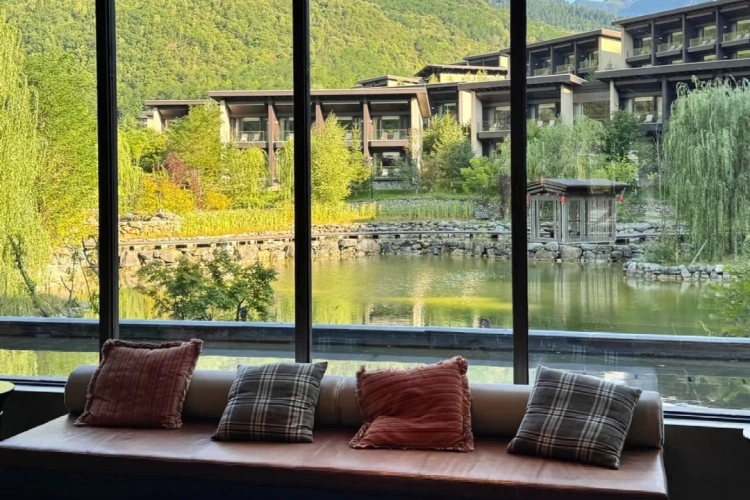
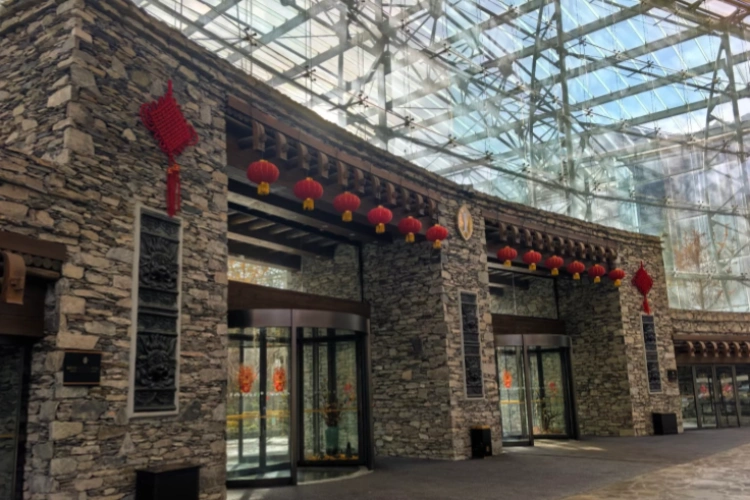
InterContinental Century City: A fortress of mountain luxury. Known for its massive glass-domed lobby and “forest” interior, it offers a grand, old-world resort feel that is deeply immersive.
Prices
Luxury in the mountains follows the rhythm of the leaves.
Low Season (Winter/Spring): $180–$280 per night.
Peak Season (Autumn/October): $400–$700+ per night.
Who it’s for: First-time China explorers, families with young children, and anyone who views a deep-tissue massage and a heated pool as a non-negotiable end to a 15km hike.
Tibetan Homestays: The Soul of the Min Mountains
If the luxury resorts of the Zhongcha Valley are about “escaping” the world, a Tibetan homestay is about “entering” one. You’ll find everything from rustic family spare rooms to “designer” boutique inns that blend ancient Amdo Tibetan aesthetics with modern minimalism.
What to Expect: Texture, Tea, and Tradition
The Aesthetic: Expect hand-carved cedar wood, vibrant Thangka paintings, and thick yak-wool carpets. These aren’t “themed” rooms. They are extensions of the family’s heritage.
The “Yak-to-Table” Experience: Forget the international buffet. Here, breakfast is often tsampa (roasted barley flour) and homemade yogurt, while dinner is a steaming communal pot of yak meat and wild mountain mushrooms.
The Butter Tea Welcome: It is almost a guarantee that you will be greeted with a bowl of salty, savory butter tea. It’s an acquired taste, but it’s the ultimate “high-altitude Gatorade” for weary hikers.
Hyper-Local Intel: Your host isn’t just a receptionist; they are your guide to the “Quiet” paths. They’ll tell you exactly which shuttle stop to avoid and where the best hidden viewpoints are located.
Prices
Homestays remain the best value for travelers who want quality without the “resort tax.”
Rustic/Budget: $25–$45 per night.
“Light Luxury” Boutique: $60–$100 per night.
Even in the peak of October, these stays rarely hit the stratospheric prices of the global chains.
Who it’s for: Solo adventurers, culture-seekers, and photographers looking for a “human” story to go with their landscape shots. If you’d rather swap stories with a local family than sit in a silent lobby, this is your home.
Practical Tips for Booking Accommodation in Jiuzhaigou
Because Jiuzhaigou is a seasonal destination with limited infrastructure, booking accommodation requires a bit of planning.
Here are several tips based on real travel experience.
Book Early During Peak Seasons
Jiuzhaigou becomes extremely popular during certain periods, especially the October foliage season, Chinese National Day holidays, and Summer vacation months.
During these times, the best hotels can sell out weeks in advance.
Confirm Heating in Winter
Temperatures in Jiuzhaigou can drop below freezing during winter nights.
If you travel between November and March, confirm that your hotel provides central heating, electric blankets, or heated beds. Luxury hotels usually offer reliable heating, while smaller guesthouses may vary.
Check the Exact Location
Maps and booking platforms sometimes show inaccurate locations.
Before booking, verify the walking distance to the park entrance, and also transport options if the hotel is farther away.
Consider the Length of Your Stay
Most visitors stay two nights in Jiuzhaigou. This allows one full day exploring the park, an additional morning or afternoon for photography.
If you plan a longer stay, mixing accommodation styles can be a great idea.
Final Verdict: Which Should You Choose?
The choice between luxury hotels and Tibetan homestays ultimately depends on the kind of experience you want in Jiuzhaigou.
If you prioritize comfort, relaxation, and international-style services, luxury resorts provide a stress-free base for exploring the national park.
On the other hand, if your goal is to experience the culture of the region, Tibetan homestays offer a far more personal and authentic stay.
Whichever you prefer, make sure that for any trip between October and May, the heating is a non-negotiable requirement.
FAQ
Is it possible to stay inside Jiuzhaigou National Park?
Officially, No. Visitors cannot stay inside the national park itself. All hotels and guesthouses are located outside the entrance in nearby towns and villages.
How far are hotels from the Jiuzhaigou entrance?
Many hotels are within 5–15 minutes walking distance of the entrance. Some luxury resorts may require a short taxi ride.
Are Tibetan homestays comfortable?
Most provide clean rooms and basic facilities. While they may not match the comfort of luxury hotels, they offer a warm and authentic cultural experience.
Do Jiuzhaigou hotels have heating?
Most luxury hotels provide reliable heating systems. Smaller guesthouses may use electric blankets or portable heaters, so it is worth confirming during winter travel.
How many nights should I stay in Jiuzhaigou?
Two nights is ideal for most travelers. This allows enough time to explore the park without rushing and to experience the surrounding mountain atmosphere.