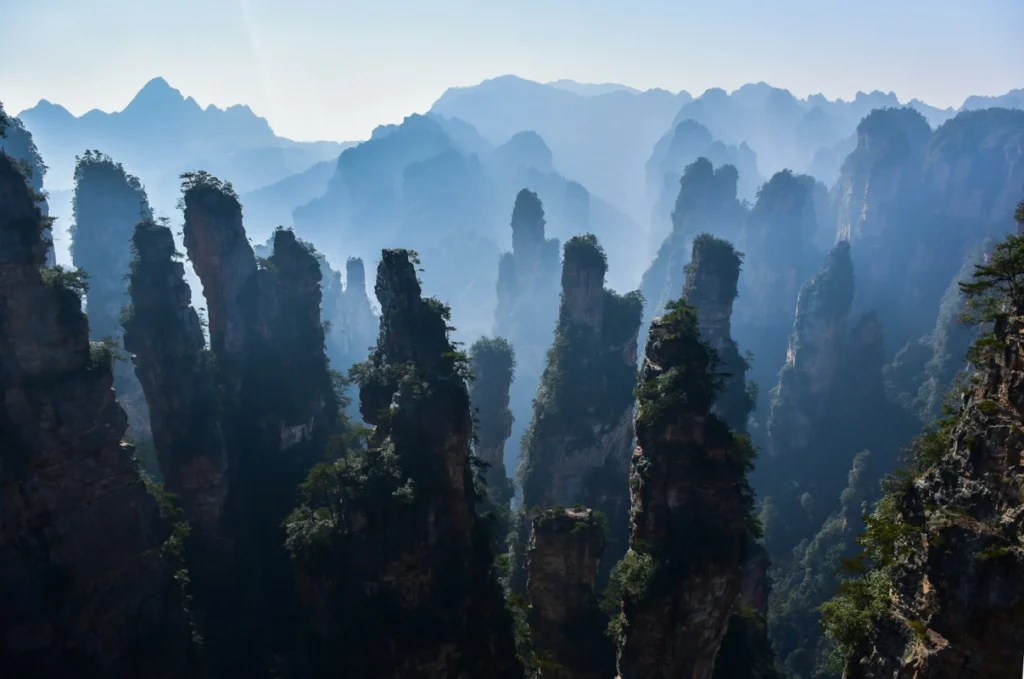
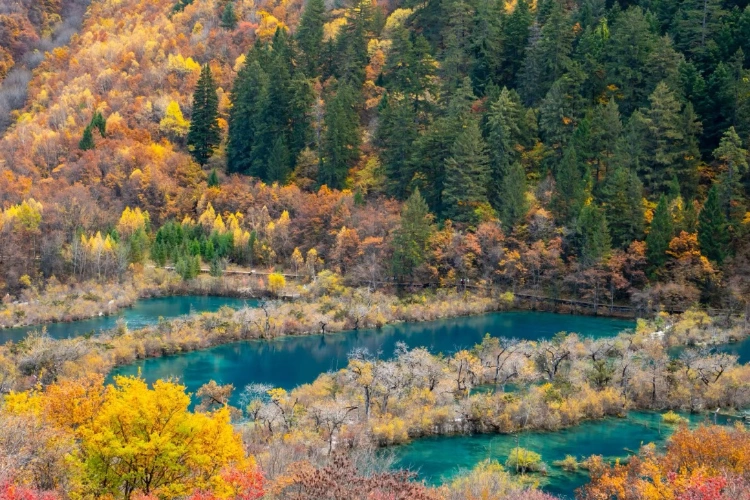
Western Sichuan is one of China’s finest hiking destinations. Whether you’re looking for an easy day hike or a challenging multi-day trek, there are Western Sichuan hiking routes to suit almost every level of experience.
Unlike destinations centered around a single national park, hiking in Western Sichuan is spread across several mountain regions. Each offers a different experience. Some are perfect for first-time visitors seeking scenic trails and comfortable accommodations, while others reward experienced hikers with remote alpine passes, camping opportunities, and spectacular mountain views.
The biggest challenge isn’t finding great hikes. It’s deciding how to connect them into a practical itinerary.
This guide will walk you through carefully planned hiking itineraries ranging from 2 days to 2 weeks. Rather than simply listing trails, each itinerary considers driving distances, altitude changes, hiking difficulty, and the overall travel experience to help you make the most of your time.
Before You Start Planning
First, every itinerary in this guide starts and ends in Chengdu, the main gateway to Western Sichuan. While the region is well connected by road, mountain driving takes longer than many travelers expect, so we’ve prioritized realistic daily distances over rushing from one destination to the next.
Then, Western Sichuan is generally at its best for hiking from May to October. In July and August, afternoon showers are common, so starting hikes early is recommended. September and October are the most popular hiking seasons, offering the clearest mountain views and vibrant autumn colors. As weather and trail conditions can change quickly, treat these itineraries as flexible frameworks that can be adjusted to suit your travel dates, fitness level, and interests.
Lastly, the itineraries are designed to gradually increase in altitude where possible, helping reduce the risk of altitude sickness while allowing enough time to enjoy the hiking rather than spending most of your trip in the car.
Now, let’s go on with the details of Western Sichuan hiking itineraries.
2-Day Western Sichuan Hiking Itinerary
If you’re short on time but want to experience Western Sichuan’s spectacular mountain scenery, Bipenggou is an excellent introduction.
It is one of the easiest alpine hiking destinations to reach from Chengdu. Compared with higher-altitude destinations farther west, Bipenggou is a more comfortable choice for families of any age.
- Duration: 2 Days / 1 Night
- Hiking Level: Easy
- Maximum Altitude: ~3,800 m
- Total Driving: ~450 km
- Best Season: May–October
- Best for: Weekend getaways, first-time visitors, families, and easy alpine hiking
Day 1: Chengdu → Bipenggou
Leave Chengdu in the morning and drive west through the mountains to Bipenggou Scenic Area in Li County.
Day 2: Hike Bipenggou → Return to Chengdu
Take the scenic shuttle bus into the upper valley, then hike downhill at your own pace along well-marked trails. It takes about 4-6 hours, depending on your fitness and pace.
After your hike, drive back to Chengdu and arrive in the evening.
This itinerary is perfect for a quick mountain escape. For a deeper hiking experience, continue with one of the longer itineraries below.
3-Day Western Sichuan Hiking Itinerary
If you have three days to explore Western Sichuan, Siguniang Mountain is the best place to start.
Depending on your pace, you can either enjoy a relaxed trip focusing on a single valley (Shuangqiaogou or Changpinggou) or fit in both of Siguniang Mountain’s most popular hiking areas.
- Duration: 3 Days / 2 Nights
- Hiking Level: Easy to Moderate
- Maximum Altitude: ~3,900 m
- Total Driving: ~460 km
- Best Season: May–October
- Best for: First-time visitors, families, photographers, and travelers who prefer a slower pace
Option 1: Relaxed Siguniang Mountain Trip Itinerary
Day 1: Chengdu → Siguniang Mountain
Drive from Chengdu to Rilong Town via Balang Mountain Pass. Arrive in the afternoon and spend the rest of the day acclimatizing and enjoying the mountain scenery.
Day 2: Hike Changping Valley or Shuangqiao Valley
Choose the valley that best matches your interests.
Changping Valley is ideal if you enjoy longer hikes through forests, meadows, and traditional Tibetan grazing areas.
Shuangqiao Valley is better if you prefer shorter walks with spectacular mountain scenery, glaciers, and alpine lakes connected by shuttle buses.
Return to your hotel in Rilong after the hike.
Day 3: Siguniang Mountain → Chengdu
After breakfast, drive back to Chengdu, arriving in the afternoon or early evening.
This itinerary gives you plenty of time to enjoy one valley without rushing, making it the best choice for most first-time visitors.
Option 2: Explore Both Valleys
This option is best for active travelers who want to maximize their time.
Day 1: Chengdu → Siguniang Mountain
Day 2: Hike Changping Valley, about 5-8 hours
Day 3: Explore Shuangqiao Valley → Chengdu
Visit Shuangqiao Valley in the morning, for about 3-5 hours, then drive back to Chengdu in the afternoon.
Although the schedule is slightly tighter, it’s still manageable if you start early and want to experience the highlights of both valleys in a single trip.
Alternative: Chengdu – Jiuzhaigou Hiking Route
If you’ve already been to Siguniang Mountain or prefer colorful lakes and forest trails over alpine trekking, a 3-day Chengdu–Jiuzhaigou itinerary is another great choice with high-speed trains.
Best for: Families, nature lovers, and travelers who prefer easy walking trails
Day 1: Chengdu → Huanglongjiuzhai Station → Huanglong Scenic Area
Take an early morning high-speed train from Chengdu to Huanglongjiuzhai Railway Station, then transfer to Huanglong Scenic Area directly. Spend the afternoon hiking through its famous travertine pools, limestone terraces, and mountain forests. Then, transfer to the hotel near the entrance of Jiuzhaigou.
Day 2: Explore Jiuzhaigou National Park
Spend a full day exploring Jiuzhaigou National Park, combing boardwalks, hiking, and taking the park’s shuttle buses.
Day 3: Jiuzhaigou → Huanglongjiuzhai Station → Chengdu
This itinerary is ideal if you’re looking for breathtaking scenery with easy hiking and convenient transportation.
4-Day Western Sichuan Hiking Itinerary
If you have four days, Jiuzhaigou is one of the best hiking destinations in Sichuan. This itinerary combines the iconic scenery of Jiuzhaigou National Park and Huanglong Scenic Area with a full-day hike in the lesser-known Zharu Valley.
- Duration: 4 Days / 3 Nights
- Hiking Level: Easy to Moderate
- Maximum Altitude: ~3,600 m
- Transportation: High-speed train + private transfer
- Best Season: April–November
- Best for: Nature lovers, photographers, and travelers looking for a mix of sightseeing and hiking
Day 1: Chengdu → Huanglongjiuzhai Station → Huanglong → Jiuzhaigou
Take a morning high-speed train from Chengdu to Huanglongjiuzhai Railway Station, then transfer to Huanglong Scenic Area. After spending the afternoon hiking through this area, continue to your hotel near Jiuzhaigou.
Day 2: A Full Day Hiking in Jiuzhaigou National Park
Day 3: Zharu Valley Trekking (6-8 Hours)
Zharu Valley is only open between June and October. The trail passes through pristine forests, alpine meadows, Tibetan villages, and quiet mountain landscapes rarely seen by most visitors. It’s an excellent choice for hikers looking for a more peaceful and authentic experience.
Day 4: Jiuzhaigou → Huanglongjiuzhai Station → Chengdu
This itinerary is ideal for travelers who want more than a typical Jiuzhaigou sightseeing trip.
5-Day Western Sichuan Hiking Itinerary
With five days, you have enough time to choose between a true multi-day trekking adventure and a classic Western Sichuan hiking road trip. The best option depends on your travel style.
Option 1: Qizanggou Multi-Day Trek
If you’re looking for a genuine trekking experience, Qizanggou Valley is one of Western Sichuan’s hidden gems. Unlike Jiuzhaigou or Siguniang Mountain, there are no boardwalks or shuttle buses here. Instead, you’ll hike through alpine forests, remote valleys, high mountain lakes, and open meadows while camping under the stars.
- Duration: 5 Days / 4 Nights
- Hiking Level: Moderate
- Maximum Altitude: ~4,100 m
- Transportation: Private vehicle + camping trek
- Best Season: June–October
- Best for: Experienced hikers, camping enthusiasts, and multi-day trekking
Day 1: Chengdu → Songpan by Private Vehicle
Day 2: Songpan → Chuanzhusi → Kakagou Entrance → Changhaizi Campsite (~17 km, 6-8 hours)
Day 3: Changhaizi Campsite → Changhaizi → Yuhaizi → Caohai → Hongxinghai Xiafang Campsite (~15 km, 6-8 hours)
Day 4: Hongxinghai Xiafang Campsite → Hongxinghai → Yuhaizi → Awenggou → Songpan (~10km, 4-6 hours)
Day 5: Songpan → Chengdu by Private Vehicle
Option 2: Classic Western Sichuan Hiking Road Trip
If you’d rather experience the diversity of Western Sichuan, this five-day road trip combines several of the region’s most scenic destinations. Instead of focusing on one long trek, you’ll enjoy a series of shorter hikes while discovering Tibetan villages, mountain passes, glaciers, and grasslands along one of China’s most beautiful driving routes.
- Duration: 5 Days / 4 Nights
- Hiking Level: Easy to Moderate
- Maximum Altitude: ~4,300 m
- Total Driving: ~900 km
- Best Season: May–October
- Best for: First-time visitors, photographers, and travelers who want to combine hiking with a scenic road trip
Day 1: Chengdu → Siguniang Mountain → Danba
Drive west from Chengdu to Siguniang Mountain, where you can enjoy a half-day hike in Shuangqiao Valley. Then, continue to Danba, famous for its Tibetan villages and ancient watchtowers.
Day 2: Danba → Tagong
You can take an easy hike around Muya Monastery or the surrounding grasslands with panoramic views of Yala Snow Mountain.
Day 3: Tagong → Xinduqiao
Enjoy an afternoon walk through alpine meadows, riverside trails, and traditional Tibetan villages.
Day 4: Xinduqiao → Hailuogou
Take the scenic shuttle bus and cable car into the Hailuogou Glacier National Park, then enjoy a hike through ancient forests to viewpoints overlooking the spectacular glacier.
Day 5: Hailuogou → Chengdu
While the hikes are generally shorter than those in Qizanggou, the combination of mountains, glaciers, Tibetan culture, and spectacular drives makes it one of the region’s most rewarding five-day adventures.
7-Day Western Sichuan Hiking Itinerary
With seven days, Western Sichuan opens up far more possibilities. It’s enough time to take on one of the region’s iconic multi-day mountain treks, such as the Changpinggou-Bipenggou Crossing, Mount Gongga Southwest Slope, or the Genie South Route.
If you prefer a road trip, a full week also allows you to connect more of Western Sichuan’s highlights through different loop tours.
Option 1: Mount Gongga Southwest Slope Trek
If trekking is your priority, the Mount Gongga Southwest Slope is one of the ultimate adventures in Western Sichuan.
- Duration: 7 Days / 6 Nights
- Hiking Level: Challenging
- Maximum Altitude: ~4,900 m
- Transportation: Private vehicle + camping trek
- Best Season: June–October
- Best for: Experienced trekkers, photographers, and wilderness lovers
Day 1: Chengdu → Kangding → Shangmuju Village
Day 2: Shangmuju → Zimei Pass Area (~6-7 hours)
Day 3: Zimei Pass → Gongga Monastery (~6-8 hours)
Day 4: Gongga Monastery → Bawang Lake (~7-8 hours)
Day 5: Bawang Lake → Caoke (~6-7 hours)
Day 6: Caoke → Kangding
Day 7: Kangding → Chengdu
This itinerary is best suited to experienced hikers looking for a true wilderness experience. Good fitness, proper equipment, and flexibility for mountain weather are essential.

Option 2: Genie South Route Trek
The trail circles the sacred Mount Genie, passing crystal-clear lakes, alpine grasslands, traditional Tibetan villages, and dramatic snow-covered peaks with far fewer visitors than the Gongga region.
- Duration: 7 Days / 6 Nights
- Hiking Level: Challenging
- Maximum Altitude: ~4,600 m
- Transportation: Private vehicle + camping trek
- Best Season: June–October
- Best for: Experienced trekkers, wilderness explorers, and photographers
Day 1: Chengdu → Litang
Day 2: Litang → Trailhead → Campsite
Day 3–5: Trek the Genie South Route
Day 6: Finish Trek → Litang
Day 7: Litang → Chengdu
This itinerary is perfect for experienced hikers looking to escape the crowds and experience one of the most pristine trekking routes in Western Sichuan.

Option 3: Classic Western Sichuan Hiking Road Trip
If you prefer road trips, a week is enough to connect several of Western Sichuan’s highlights without feeling rushed.
- Duration: 6–7 Days
- Hiking Level: Easy to Moderate
- Maximum Altitude: ~4,300 m
- Total Driving: ~1,200 km
- Best Season: May–October
- Best for: First-time visitors, photographers, couples, and self-drive travelers
You’ll have several choices to connect the destinations you prefer, including the popular small loop and big loop. Here’s just an example.
Day 1: Chengdu → Siguniang Mountain
Day 2: Changping Valley Hike → Danba
Day 3: Danba → Tagong → Yala Snow Mountain
Day 4: Tagong → Litang
Day 5: Litang → Xinduqiao → Kangding
Day 6: Kangding → Hailuogo
Day 7: Hailuogo → Chengdu
In this itinerary, Siguniang Mountain, Danba, and Hailuogou are all excellent for a full-day hike.
14-Day Western Sichuan Hiking Itinerary
In two weeks, you have the freedom to experience Western Sichuan beyond its famous viewpoints. Whether your goal is completing one or two multi-day trekking adventures or taking a leisurely road trip with scenic day hikes, 14 days give you plenty of time to explore the region at a comfortable pace.
In short, a two-week itinerary allows you to combine nearly all of Western Sichuan’s highlights into a single journey.
Below are two sample itineraries to inspire your trip. Both can be adjusted to match your interests, fitness level, travel dates, and preferred pace.
Planning Tips for Western Sichuan Hiking
We have organized hiking and trekking trips for dozens of international travelers in Western Sichuan. Here are the practical tips you may keep in mind before hitting the trail.
Acclimatize gradually. Avoid hiking above 4,000 m on your first day to reduce the risk of altitude sickness.
Keep driving days realistic. Mountain roads are slower than they look on the map. For a comfortable pace, we generally recommend driving no more than 200 km per day, leaving plenty of time to enjoy the scenery and hikes.
Leave one flexible day. July and August are among the best months for hiking, but they’re also part of the rainy season. Afternoon showers are common, and heavy rain can occasionally affect road conditions. A spare day gives you the flexibility to adjust your plans if needed.
Carry some cash. While mobile payments are widely accepted in China, small shops and restaurants in remote villages may prefer cash. It’s also helpful to carry smaller notes for convenience.
Start hiking early. During summer, mornings usually offer the clearest weather, while clouds and showers often develop in the afternoon.
Download offline maps. Mobile signal can be unreliable in remote mountain areas, so download maps before leaving Chengdu.
Less is more. Western Sichuan is best experienced slowly. Instead of trying to visit every destination, choose fewer places, spend more time on the trails, and immerse yourself in the landscapes and local culture.
Do You Need a Guide for Hiking in Western Sichuan?
The answer depends on the type of trip you’re planning.
If you’re visiting popular destinations like Jiuzhaigou, Huanglong, Bipenggou, or the scenic valleys of Siguniang Mountain, it’s entirely possible to explore them independently. The public transportation is better, trails are well maintained, and major attractions have clear signage and visitor facilities.
However, for multi-day treks, remote hiking routes, or road trips connecting several destinations, a private tour is often the most practical option.
Public transportation between hiking areas is usually limited; weather or road conditions may require itinerary adjustments, and having a local driver also allows you to travel at your own pace.
Need help planning your Western Sichuan hiking adventure? We’d be happy to help you design a personalized Western Sichuan tour based on your travel dates, hiking experience, and the destinations you’d like to explore, no matter whether you’re traveling solo, as a couple, or with family and friends. Just contact us below.
FAQ
What is the best Western Sichuan hiking itinerary?
There isn’t a single “best” itinerary. It depends on your available time and hiking experience.
For first-time visitors, we recommend a 5-day or 7-day itinerary, which combines iconic destinations such as Siguniang Mountain, Danba, Tagong, and Xinduqiao.
If your main goal is trekking, consider a 7-day Mount Gongga or Genie South Route expedition.
In two weeks, you can combine several hiking destinations into one unforgettable journey.
How many days do I need for hiking in Western Sichuan?
A minimum of 3–5 days is recommended.
Three days are enough to explore Siguniang Mountain, while five days allow you to experience multiple destinations or complete a multi-day trek in Qizanggou.
If you want to visit Daocheng Yading or enjoy a slower-paced road trip, plan for 7–14 days.
Is 5 days enough for Western Sichuan?
Yes. Five days is one of the most popular trip lengths and offers a good balance between hiking and sightseeing. You can either complete a three-day trek in Qizanggou or take a road trip through destinations such as Siguniang Mountain, Danba, Tagong, and Hailuogou. While you won’t see everything, it’s enough to experience the highlights of Western Sichuan.
Can beginners hike in Western Sichuan?
Absolutely. Many hiking trails, including those in Jiuzhaigou, Bipenggou, Huanglong, and Siguniang Mountain, are suitable for beginners with a reasonable level of fitness. If you’re new to high-altitude hiking, choose shorter day hikes first and allow time to acclimatize before attempting more challenging routes.
Which itinerary has the least altitude risk?
The 2-day Bipenggou itinerary and the 4-day Jiuzhaigou itinerary are generally the most comfortable choices for first-time visitors. Both offer beautiful scenery without spending long periods above 4,000 meters. Longer itineraries through Litang, Yading, or multi-day treks involve higher elevations and require more time to acclimatize.
What is the best season for hiking in Western Sichuan?
The best hiking season is May to October. Spring brings snow-capped mountains and wildflowers, while September and October are known for stable weather, clear mountain views, and colorful autumn landscapes. July and August are also excellent for hiking, although afternoon rain showers are more common.
Do I need a guide for hiking in Western Sichuan?
Not always. Popular scenic areas such as Jiuzhaigou, Huanglong, Bipenggou, and Siguniang Mountain can be explored independently. However, for multi-day treks, remote trails, or road trips connecting several destinations, hiring a local guide or arranging a private tour makes the journey much easier and safer.
Do I need a guide for hiking in Western Sichuan?
Not always. Popular scenic areas such as Jiuzhaigou, Huanglong, Bipenggou, and Siguniang Mountain can be explored independently. However, for multi-day treks, remote trails, or road trips connecting several destinations, hiring a local guide or arranging a private tour makes the journey much easier and safer.
Can I travel independently in Western Sichuan?
Yes, but it depends on your itinerary. Independent travel works well for major scenic areas with good tourist infrastructure. For longer road trips or remote trekking routes, transportation can be challenging, and public buses don’t always connect hiking destinations conveniently. Many travelers choose a private driver to make the trip more flexible and efficient.
Is Western Sichuan better than Tibet for hiking?
Both are fantastic hiking destinations, but they offer different experiences. Western Sichuan features greater landscape diversity within a relatively compact area, including alpine valleys, glaciers, forests, grasslands, and Tibetan culture. It’s also easier to access from Chengdu and generally requires fewer travel permits than Tibet, making it an excellent choice for first-time visitors to the Tibetan Plateau.
Can I combine hiking with panda visits?
Yes, and it’s one of the most popular ways to experience Sichuan. Many travelers begin their trip in Chengdu with a visit to the Chengdu Research Base of Giant Panda Breeding or Shenshuping Panda Base, then continue west to destinations such as Siguniang Mountain, Jiuzhaigou, or Daocheng Yading. A 7-day or 14-day itinerary provides enough time to enjoy both giant pandas and Western Sichuan’s spectacular hiking trails.