
Sichuan Wildlife Tours 2027
Discover Sichuan’s wildlife on a private, locally guided wildlife-watching tour tailored to your interests, offering a closer look at the region’s remarkable wildlife and natural habitats.
- Local China Travel Experts
- Fully Private & Tailor-Made
- All-Inclusive Regional Logistics
Sichuan is one of China’s most fascinating regions for wildlife watching, with habitats ranging from dense mountain forests to high-altitude grasslands.
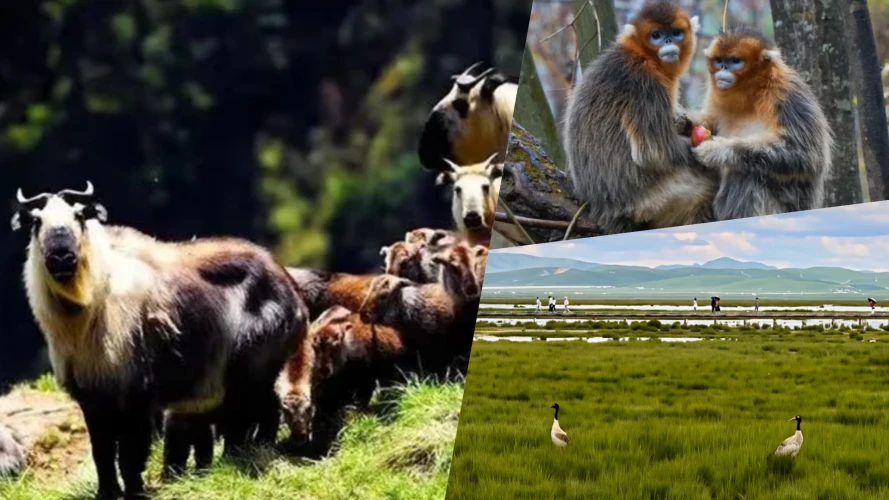
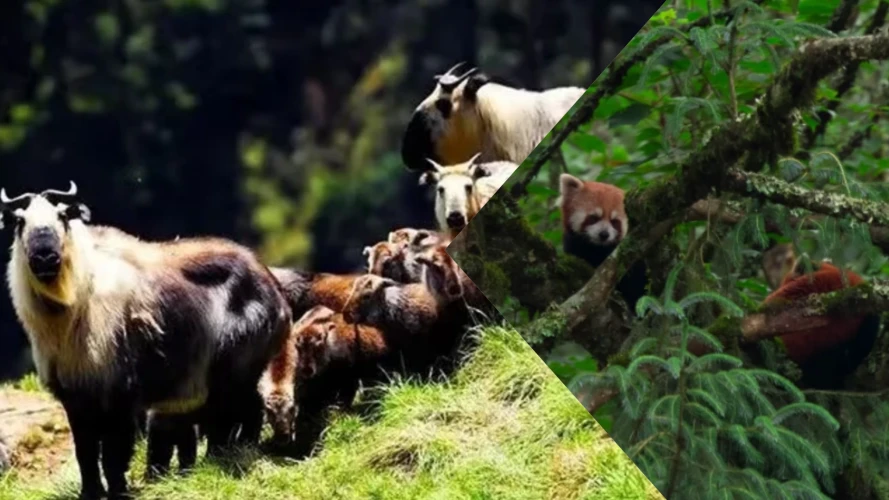
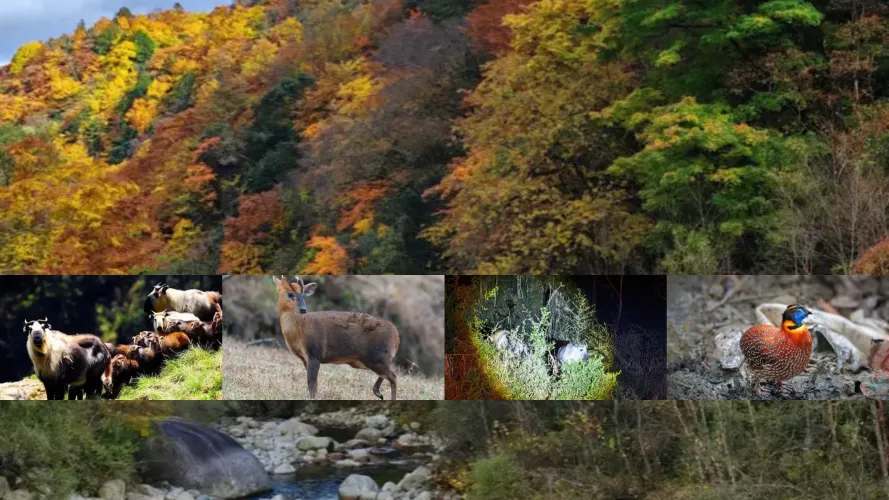
At Tangjiahe Nature Reserve, visitors can search for golden snub-nosed monkeys, takins and Tibetan macaques, while Labahe Nature Reserve is known for its wild red pandas and forest wildlife. Wolong is renowned for its giant panda conservation work, while Wanglang offers opportunities to explore panda habitat. Further north, the wetlands and grasslands of Zoige are important habitats for wild birds, making the region particularly interesting for birdwatching.
At QuietRoutes, we arrange private, locally guided wildlife watching tours across Sichuan, tailored to your target species, travel dates and interests. Whether you are a dedicated wildlife enthusiast, a family hoping to introduce children to wild animals, or a curious traveler looking to experience nature beyond the usual sights, we help you choose suitable destinations and plan a trip around realistic wildlife-watching opportunities.
Fast Facts
- Destinations: Tangjiahe, Labahe, Wolong, Zoige, etc.
- Experiences: Mammal watching, birdwatching and wildlife photography
- Best time: Sep-May
- Style: Private with local guides
- Duration: Flexible

Sichuan Wildlife Watching Tours

Sichuan's Wildlife Highlights
Sichuan is home to an extraordinary variety of wildlife, from elusive mammals to diverse birdlife. Discover the animals you may encounter, where to find them, and the best time to look for them in the wild.
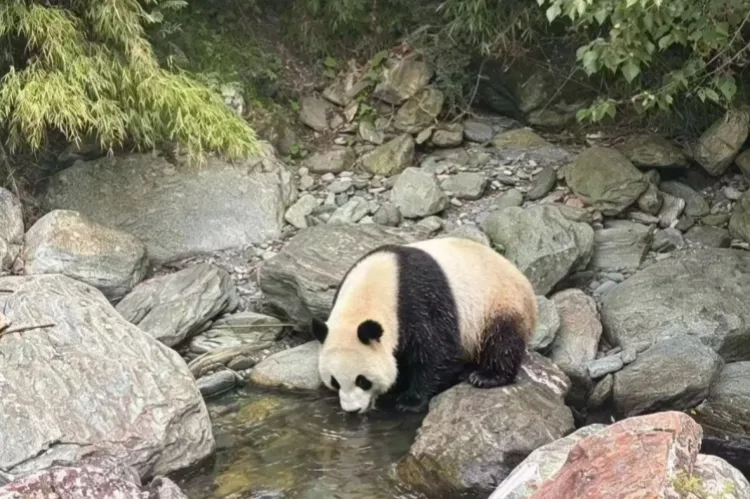
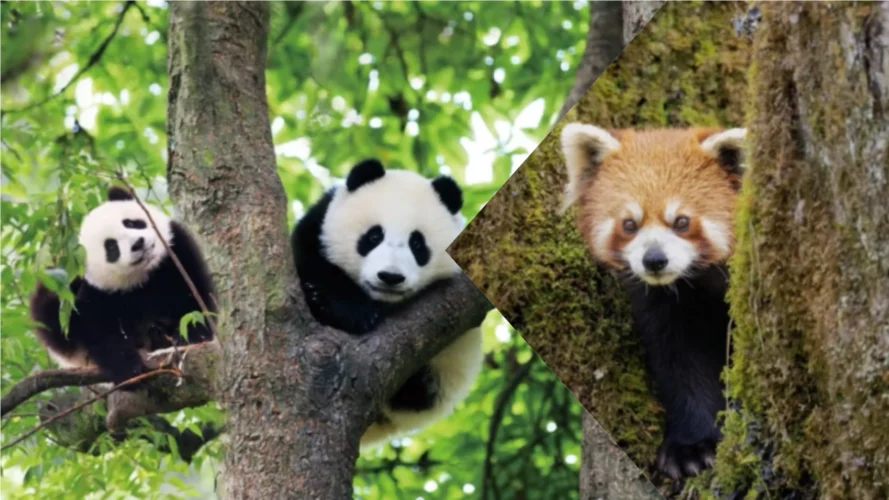
Wild Giant Pandas
- Wolong, Wanglang, Tangjiahe, Labahe
- 1,300+
- Mar-May
- 2,000~3,700 m
- Very very rare
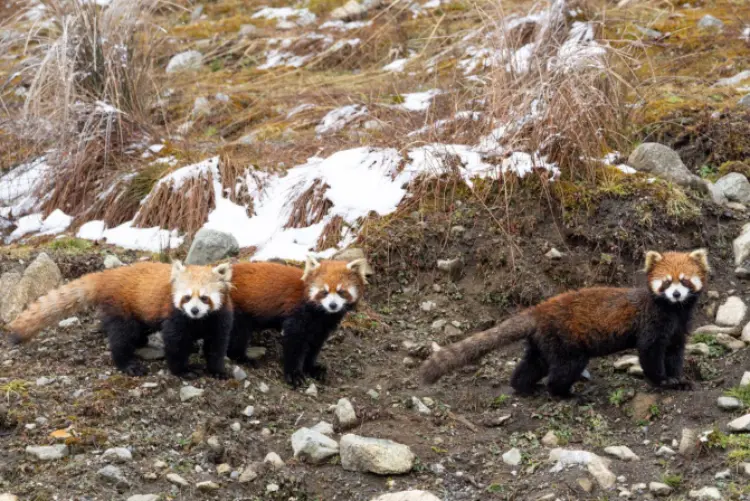
Wild Red Pandas
- Labahe, Mount Wawu
- 3,000+
- Jan-Mar, Nov-Feb
- 1,400~3,800 m
- Moderate to Good
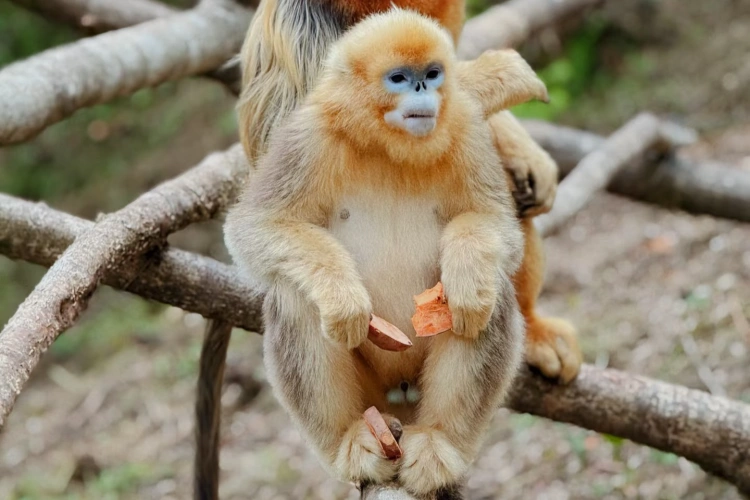
Wild Golden Snub-Nosed Monkeys
- Tangjiahe, Wanglang, Baihe, Jiuzhaigou
- 4,000+
- Oct-May
- 1,500~3,300 m
- Good in Winter
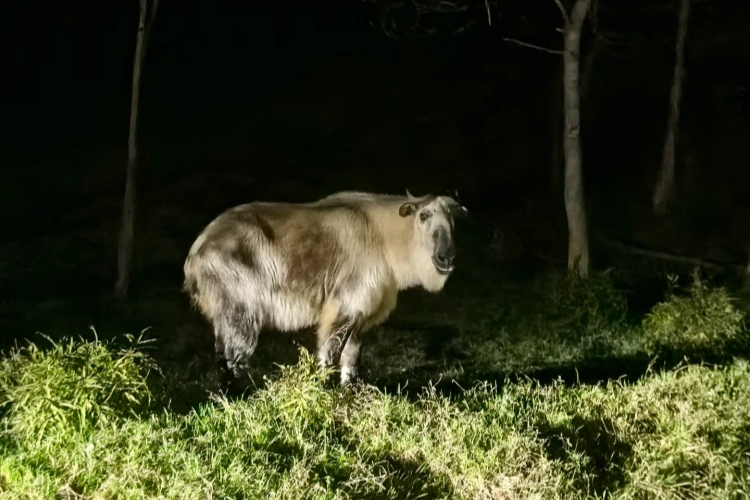
Sichuan Takins
- Tangjiahe, Labahe, Wanglang
- 1,000+
- Nov-May
- 1,500~4,000 m
- Good
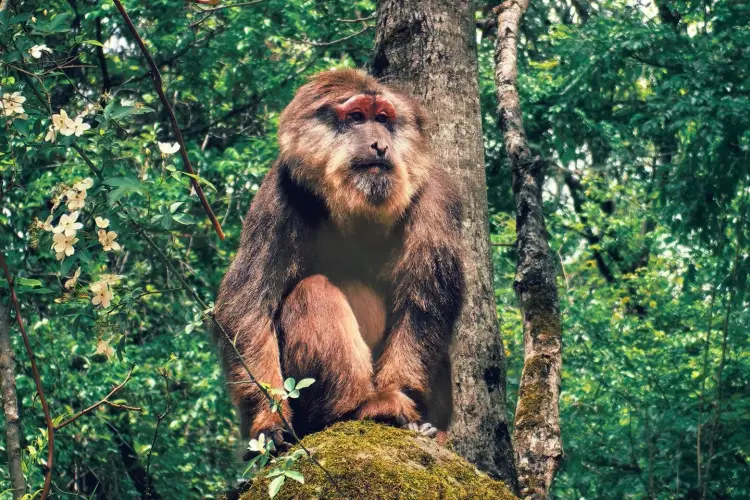
Tibetan Macaque
- Tangjiahe, Mt. Emei, Mt. Qingcheng
- 1,000+
- Year-round
- 500~3,000 m
- High
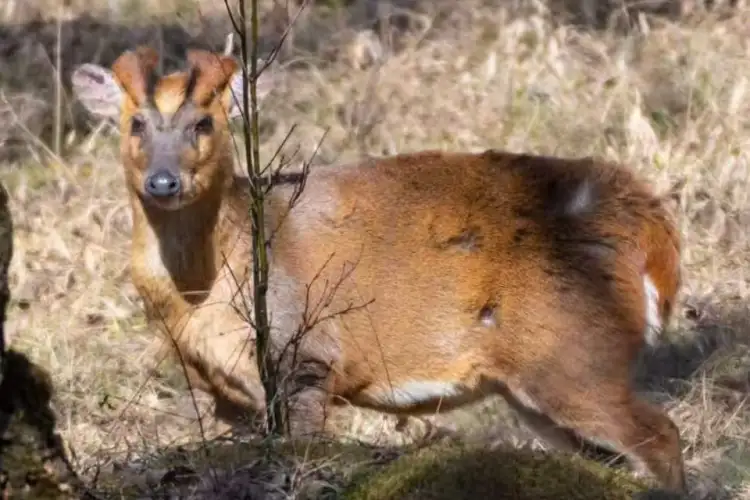
Reeves' Muntjac
- Tangjiahe, Wanglang, Labahe
- Apr-Jun, Aug-Oct
- 500~3,500 m
- High
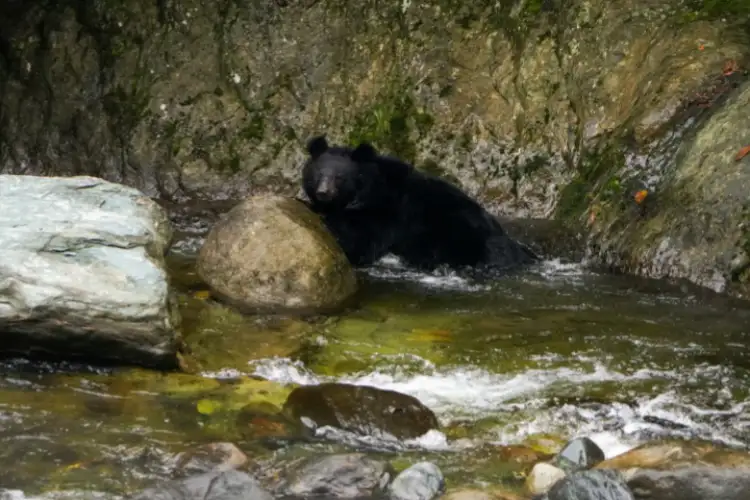
Asiatic Black Bear
- Tangjiahe, Wanglang, Wolong
- Jun-Oct
- 1,000~3,000 m
- Rare
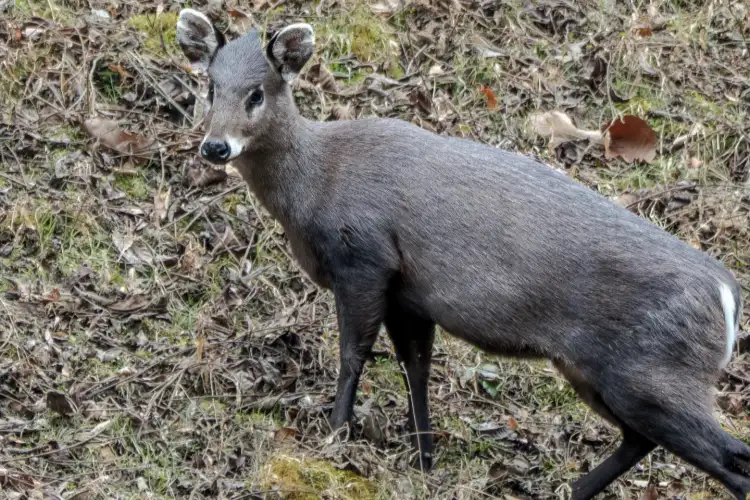
Chinese Tufted Deer
- Tangjiahe, Wanglang, Wolong
- Mar-May, Nov-Feb
- 1,000~4,000 m
- Moderate
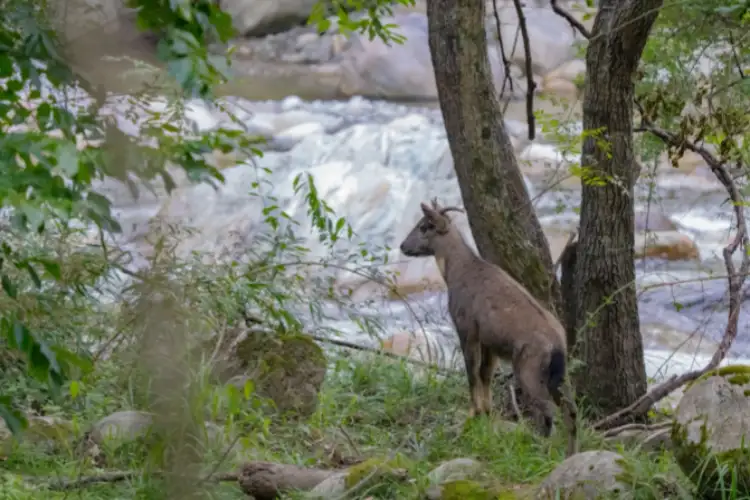
Chinese Goral
- Tangjiahe, Wolong, Baihe
- Oct-Apr
- 1,000~4,500 m
- Moderate
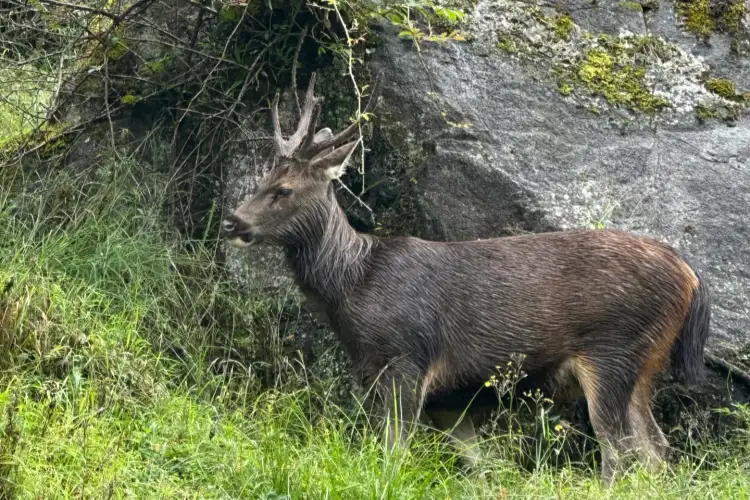
Samber
- Labahe, Mt. Siguniang, Wolong
- Mar-May, Aug-Oct
- 1,300~3,800 m
- Moderate
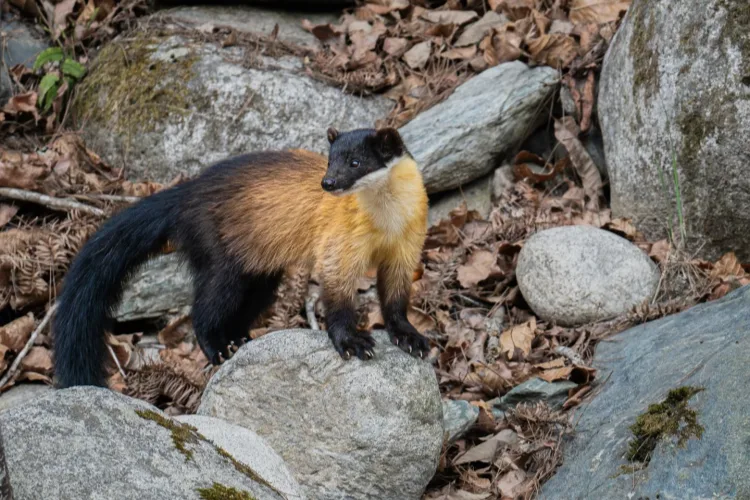
Yellow-Throated Marten
- Tangjiahe, Wolong
- Jun-Jul, Nov-Jan
- 1,000~3,500 m
- Moderate
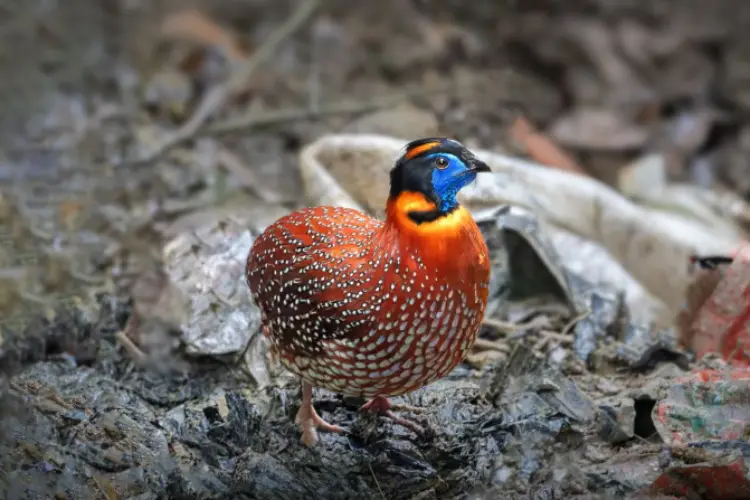
Temminck’s Tragopan
- Tangjiahe, Wanglang, Wolong
- Mar-Jun
- 1,000~3,500 m
- Rare
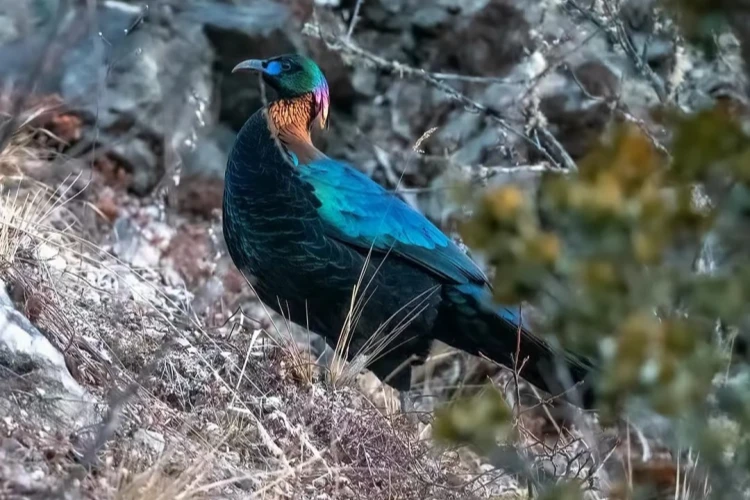
Chinese Monal
- Wolong, Balang, Mt. Siguniang, Tangjiahe
- Apr-Oct
- 3,000~5,000 m
- Moderate
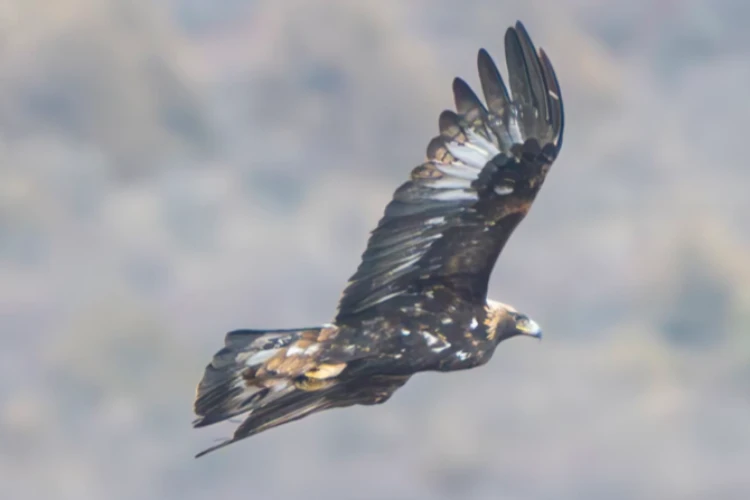
Golden Eagle
- Tangjiahe, Labahe, Zoige, Mt. Wawu
- Oct-Apr
- 3,500~4,000 m
- Moderate
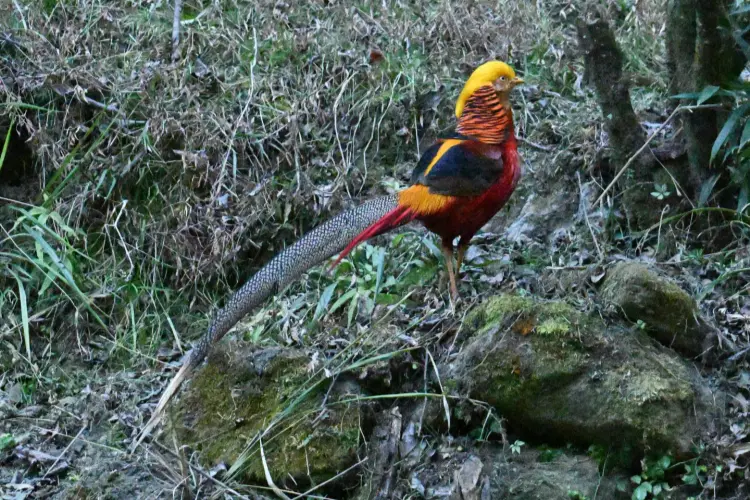
Golden Pheasant
- Tangjiahe, Wanglang, Wolong
- Apr-Jun, Sep-Nov
- 500~2,500 m
- Moderate
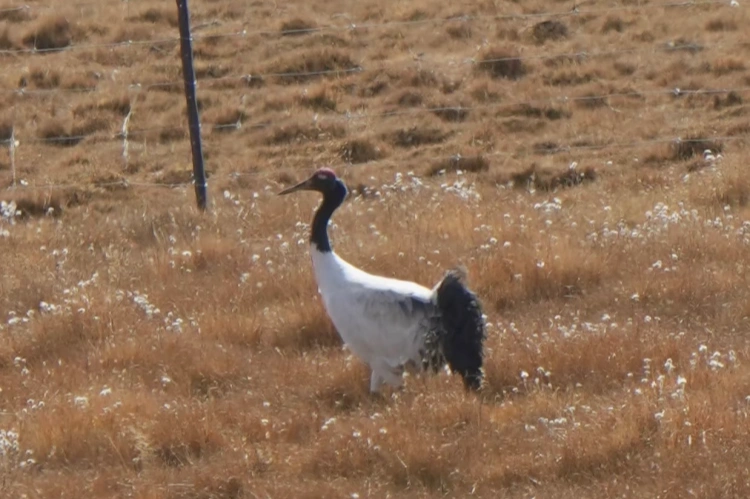
Black-necked Crane
- Zoige, Hongyuan
- Mar-Oct
- 2,500~5,000 m
- Moderate to high
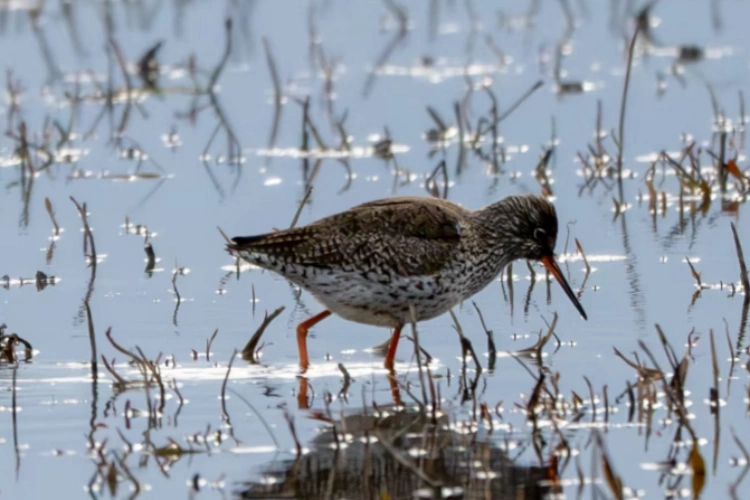
Common Redshank
- Zoige, Hongyuan, Wolong
- Mar-May, Sep-Nov
- 500~3,500 m
- Moderate to high
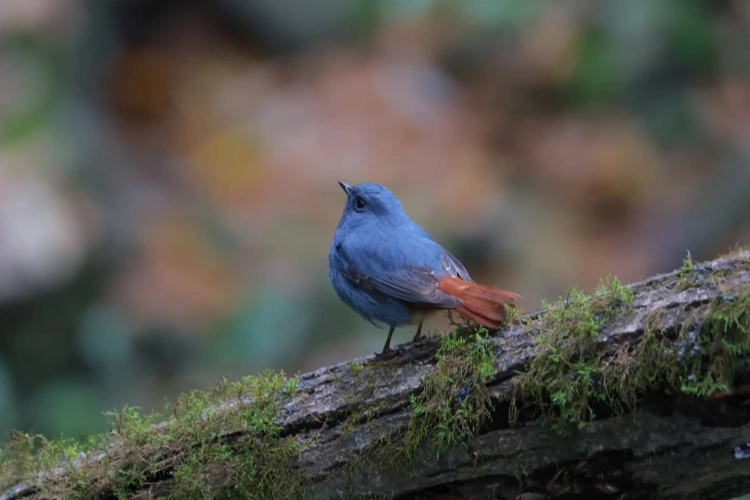
Plumbeous Water Redstart
- Labahe, Mt. Emei, Mt. Qingcheng
- Oct-Apr
- 500~3,000 m
- High
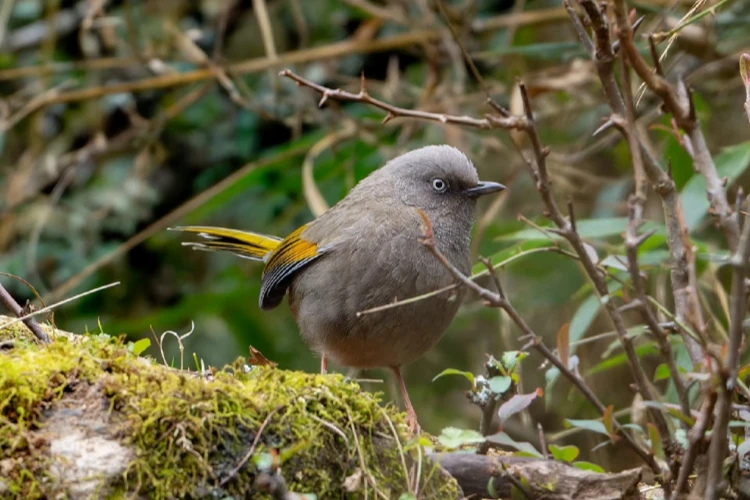
Laughingthrush
- Labahe, Mt. Emei, Wolong
- Apr-Oct
- 1,000~3,000 m
- Moderate
Best Places to Watch Wildlife in Sichuan
Sichuan offers some remarkable places to encounter wildlife in its natural habitat. Here are our recommended spots, combining beautiful scenery, wildlife-watching opportunities, and access for international visitors.
Best Time to Watch Wildlife in Sichuan
Wildlife watching in Sichuan changes with the seasons. The best time depends on which species you hope to see.
Spring (Mar-May)
Great for birdwatching during mating season. Look for Temminck’s tragopans and golden pheasants in mountain forests.
Summer (Jun-Aug)
Wildlife moves to higher ground. In Zoige wetlands, watch black-necked cranes breed and raise their chicks.
Autumn (Sep-Nov)
Some mammals move to lower elevations. Look for takins, deer, and red pandas in forest reserves. Also a good time for migratory birds.
Winter (Dec-Feb)
Takins, golden snub-nosed monkeys and other mammals may move lower to find food. Easier to spot with less leaves.
Local Guided Wildlife Tour or Self-Guided?
You can explore some of Sichuan’s nature reserves on your own, but finding wildlife in the wild is not always easy. Local knowledge can make a big difference, especially in large reserves and remote mountain areas.
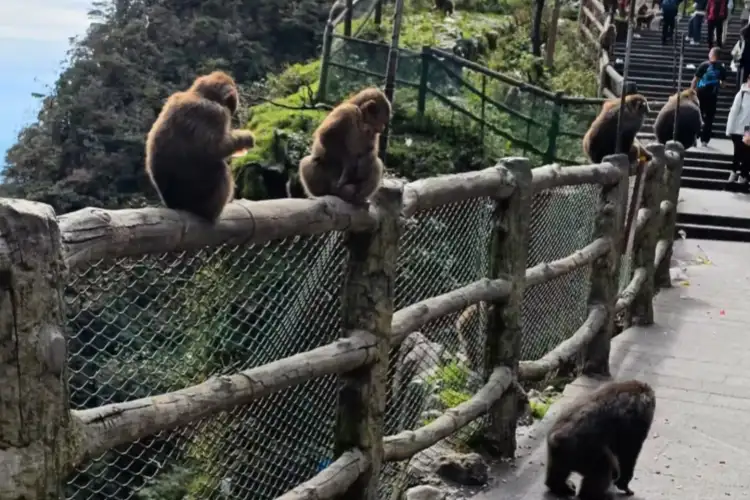
Self-Guided Wildlife Watching
- Explore at your own pace and enjoy more freedom
- Suitable for accessible places with clear trails, such as Mount Emei, Zoige Grassland.
- Arrange your own transport and research where to look for wildlife.
Local Guided Private Tour
- Benefit from a guide’s knowledge of local wildlife and habitats.
- Visit suitable viewing spots and learn about animal behavior.
- Arranged private transport, accommodation and local support based on your interests.
What a Local Guide Can Offer:
- Wildlife knowledge
- Help spotting wildlife
- Flexible guiding
- Local insights


Planning a Wildlife Trip in Sichuan?
Whether you want to explore independently or travel with a local guide, we can help you plan the right route, arrange local transport and find suitable wildlife-watching opportunities.
How to Get to Sichuan's Wildlife Reserves
Chengdu is the main starting point for wildlife trips in Sichuan. While some destinations can be reached partly by high-speed train, most nature reserves require a road transfer. For remote areas, traveling by private car is usually the most practical option.
Private Car
Best for remote mountain reserves and flexible travel. Drive directly from Chengdu to the reserve, with stops along the way as needed.
- Wolong
- Wanglang
- Labahe
- Tangjiahe
Train + Car
A good option when driving all the way from Chengdu takes too long. Take a train to a nearby station, then continue by car to your destination.
- Zoige (Ruoergai)
- Tangjiahe
Where to Stay on a Sichuan Wildlife Trip
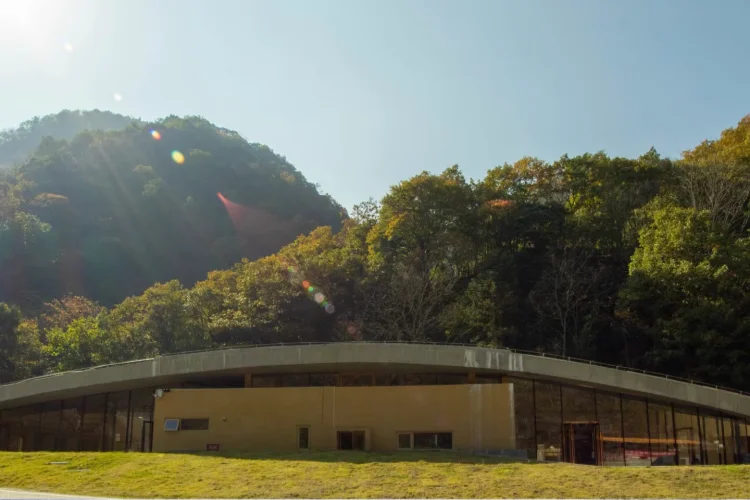
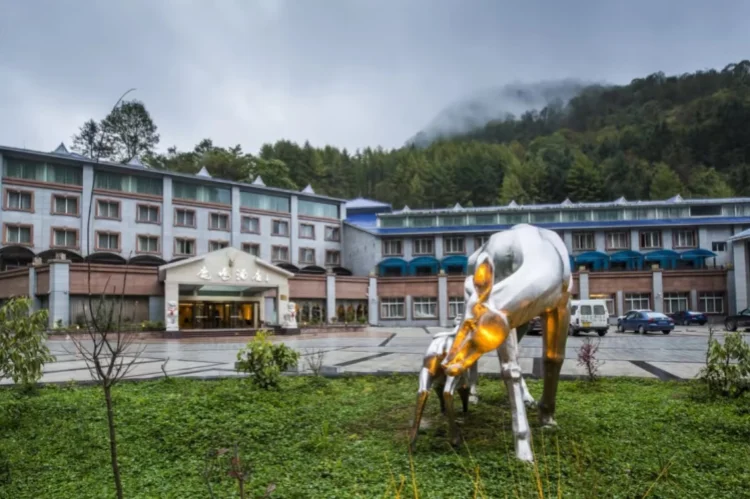
Accommodation near Sichuan’s wildlife reserves ranges from comfortable hotels in nearby towns to local guesthouses and lodges closer to nature. Some reserves, such as Tangjiahe and Labahe, also have decent hotels within the reserve, making it easier to enjoy early morning and late afternoon wildlife watching.




Sichuan Wildlife Tour Essential Tips
Trip Duration
Allow at least 2–3 days for one reserve. If you plan to visit several wildlife areas, leave enough time for long road transfers.
Best Time of Day
Early morning and late afternoon are often good times to look for wildlife. Many animals are less active during the middle of the day.
What to Bring
Bring binoculars, a camera with a zoom lens, comfortable walking shoes and weather-appropriate clothing. A rain jacket and warm layers are useful in the mountains.
What to Expect
Wildlife sightings are never guaranteed. Some animals are shy and difficult to spot, so patience, quiet observation and flexible plans are important.
Wildlife Safety
Keep a safe distance from wild animals. Never feed or approach them, stay on permitted trails and follow your guide's instructions.
Permits and Access
Some reserves have special entry rules, restricted areas or advance booking requirements. Check access conditions before your trip, especially if you are a foreign visitor.
FAQ
Where are the best places to see wildlife in Sichuan?
Some of the best places include Tangjiahe, Labahe, Wanglang and Wolong nature reserves. Each has different habitats and wildlife. Tangjiahe is known for takins and golden snub-nosed monkeys, while Labahe is a good place to look for red pandas and other forest wildlife.
Can I see wild giant pandas in Sichuan?
Yes, but the chances are extremely elusive and sightings are rare. Seeing pandas in the wild requires patience and a lot of luck.
Is wildlife watching in Sichuan suitable for beginners?
Yes. You don’t need to be an experienced wildlife watcher. Some reserves have easy walking trails and wildlife-viewing areas, while others require longer walks or mountain hikes. Choose a destination based on your fitness and interests.
Is it safe to see wild animals in Sichuan?
Wildlife watching is generally safe when you follow reserve rules and keep a safe distance from animals. Never feed, approach or try to touch wild animals. Some reserves are home to large mammals such as bears and takins, so follow your guide’s advice and stay on permitted trails.
Can foreign visitors enter all nature reserves in Sichuan?
Not necessarily. Access rules vary between reserves, and some areas may have restrictions for foreign visitors or require advance approval. Check the latest entry policy before making travel plans.
Why Travel with Us
10+ Years
Proven experience planning journeys across China.
Local Experts
China travel knowledge from people who live here.
100% Tailor-Made
Journeys designed around your interests and pace.
Authentic Trips
Local places and experiences beyond the usual routes.
98%+ Happy Guests
Trusted by travelers from around the world.
Always Supported
Our team is here whenever you need us.


How to Book Your Private Journey
Submit Your Inquiry
Customize Your Trip
Secure Your Booking
Enjoy Your Journey
Start Planning Your China Journey
Tell us a few details about your trip, and our local experts will design a personalized itinerary tailored to your travel style, pace, and interests.