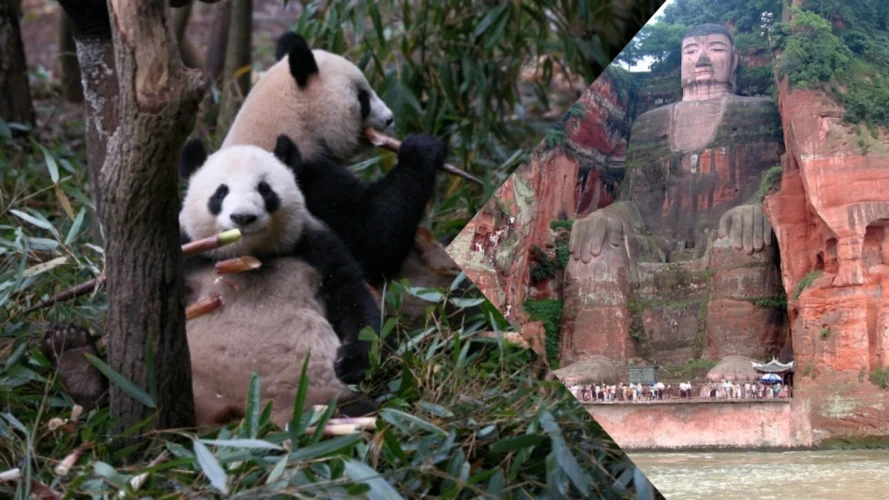
For years, the “Panda Hug” was the ultimate travel photo. Viral videos of travelers sitting on wooden benches with fluffy cubs made it look like a standard part of any Sichuan itinerary. However, if you are planning your trip for 2026, the landscape of panda tourism has shifted toward conservation-first principles.
Here is the straightforward truth about what is, and isn’t, possible regarding panda interactions in Chengdu today.
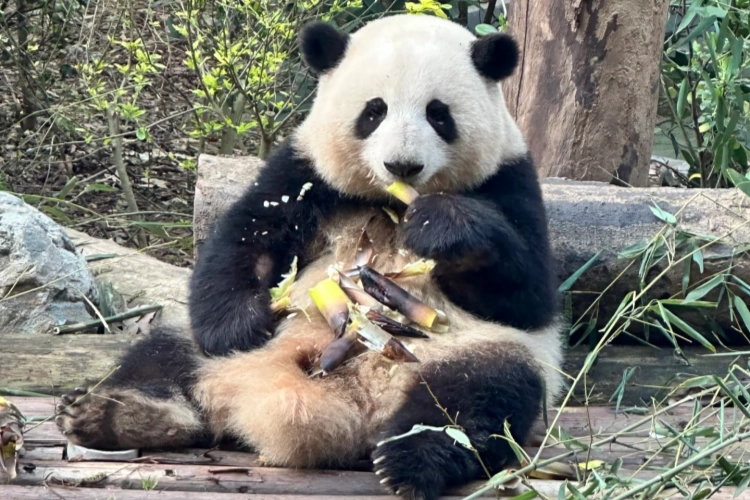
The Short Answer: Can You Hold a Panda in 2026?
No.
As of 2026, direct physical contact with giant pandas, including holding, hugging, or sitting next to them for photos, is strictly prohibited across all conservation centers in China.
The “Panda Photo” programs were officially suspended several years ago due to two primary reasons:
Health & Biosecurity: Pandas are highly susceptible to human-carried viruses, particularly canine distemper, which can be fatal to them.
Animal Welfare: China has reclassified the giant panda from “Endangered” to “Vulnerable.” Part of this success is treating them as wild animals rather than tourist props.
While you might see older blog posts or social media “throwbacks” showing people holding pandas, these programs are no longer active in 2026.
Read More: Is A Chengdu Panda Tour Ethical?
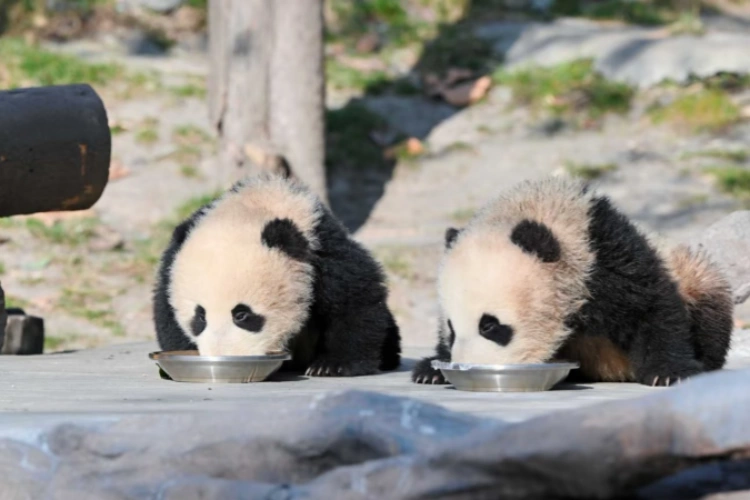
The Best Alternative: The Panda Volunteer Program
While you can’t “hug” a panda, you can still have a deeply personal, hands-on experience through the Panda Volunteer Program. This is the 2026 gold standard for travelers who want to do more than just watch from a distance.
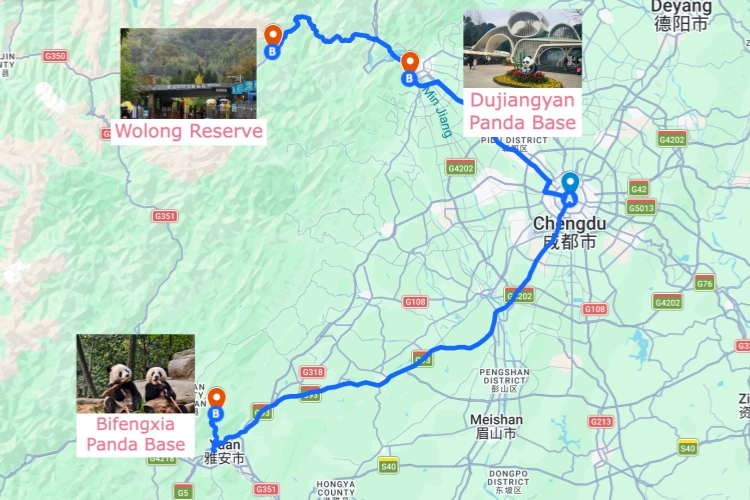
Where to Go
In 2026, the primary bases offering these programs are:
Dujiangyan Panda Base: The most popular choice, located about 1.5 hours from downtown Chengdu.
Wolong Shenshuping Base: Offers a more “wild” and rugged setting further into the mountains.
Bifengxia Panda Reserve: Located in Ya’an, often less crowded but further away.
What You Will Actually Do
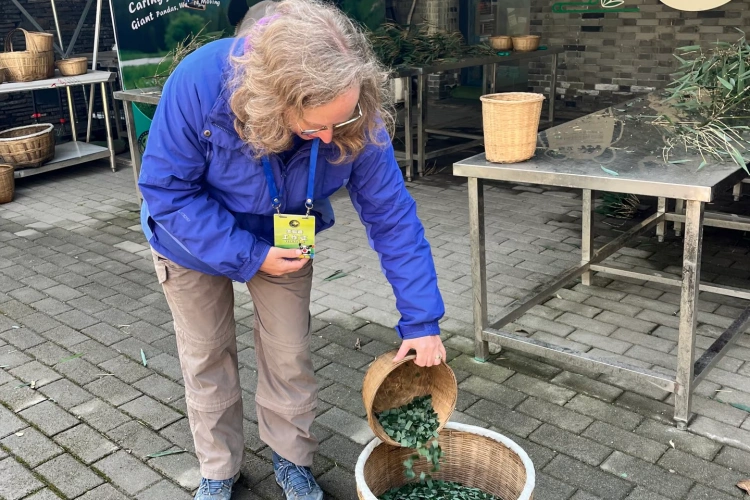
A typical day as a “Keeper for a Day” includes:
Cleaning Enclosures: Sweeping out old bamboo and cleaning the pandas’ living areas (this is where you get your closest look at their environment).
Preparing Food: Breaking fresh bamboo, washing bamboo shoots, and making “Panda Cakes” (steamed buns made of corn, soy, and vitamins).
Feeding Sessions: While you won’t touch the panda, you will often observe or assist keepers during feeding times from a safe, controlled distance.
Educational Science: Watching documentaries and learning about the complex biology of panda breeding.
How to Book a Panda Volunteer Program
If you want to join a volunteer program, you cannot simply show up. These are highly regulated and limited to a small number of people per day.
Requirements: You will typically need to provide a simple health certificate from a doctor stating you have no infectious diseases (like the flu or skin conditions).
Age Limits: Most programs are open to participants aged 8 to 70.
Cost: Expect to pay between $180 and $350 USD per person, which usually includes the conservation donation fee, a private guide, transportation from Chengdu, and lunch at the staff canteen.
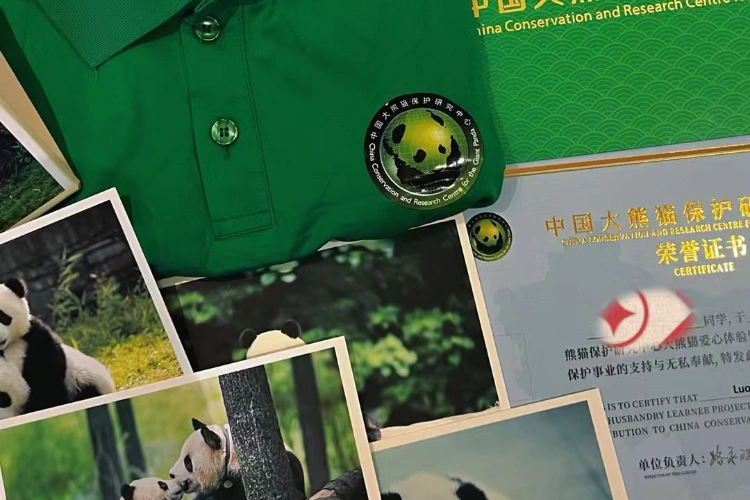
The Reward: At the end of the day, you receive an Official Volunteer Certificate, a much more meaningful souvenir than a 30-second staged photo.
Why the “No-Hug” Policy is a Win
As a traveler, it’s easy to feel disappointed by the ban, but the animal protection perspective sees this as a positive shift. By 2026, China has prioritized the dignity and health of their national treasure.
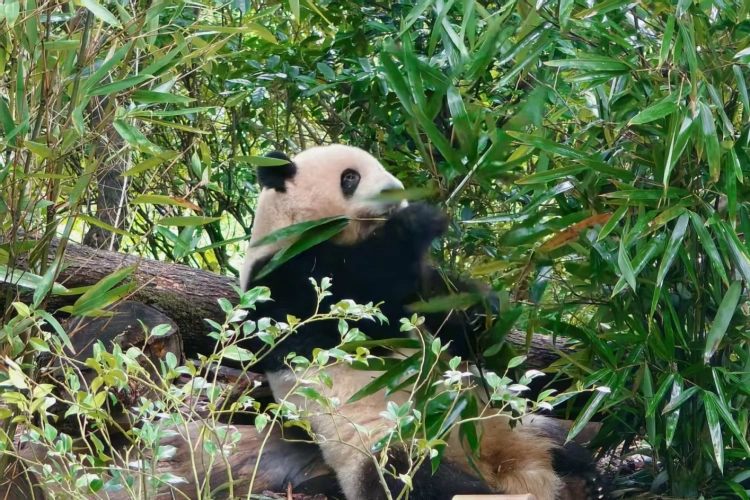
Watching a panda forage for bamboo in a clean, stress-free environment is a far more authentic experience than a forced photo-op. By choosing the volunteer program, your money goes directly into habitat restoration and DNA research, ensuring that these “living fossils” thrive for another generation.
Final Tips for Your Panda Visit
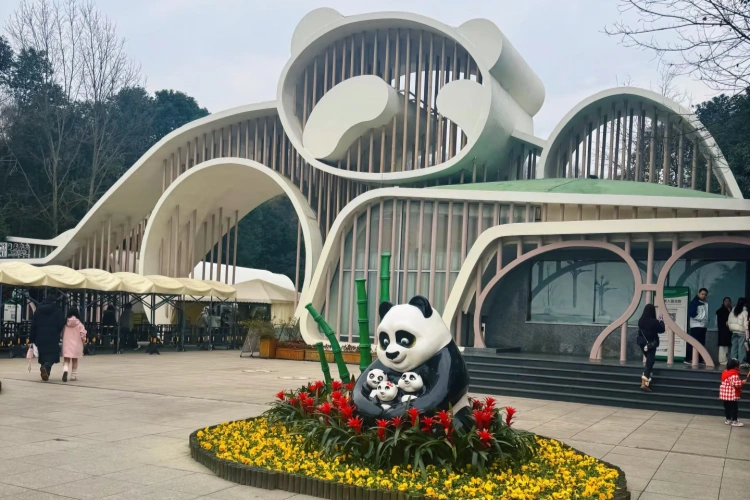
Go Early: Whether you are volunteering or just visiting the Chengdu Research Base of Giant Panda Breeding, be at the gates by 7:30 AM. Pandas are morning creatures; by 10:30 AM, they are usually asleep.
Dress for Work: If you are volunteering, wear comfortable, closed-toe shoes and clothes you don’t mind getting a little “earthy.”
No Fragrances: Pandas have a sensitive sense of smell. Avoid wearing strong perfumes or colognes on your visit day.
Want to see the pandas during your China travel? Check out our China panda tour guide or send us a message for the details, and we will work out a personalized itinerary fitting into your travel pace and interests.