As a traveler, you are likely more conscious of your “tourism footprint” than ever before. When you consider a China panda tour, a nagging question often follows the excitement: Is this ethical? Are these bears just being used as diplomatic props and photo ops, or is your ticket actually helping save a species?
The answer isn’t a simple yes or no. It’s a story of complex science, shifting global politics, and a massive rewilding project that is currently the gold standard for conservation. To help you decide if a visit aligns with your values, let’s look at the ethical reality of panda tourism in 2027.
The Paradox of Captivity
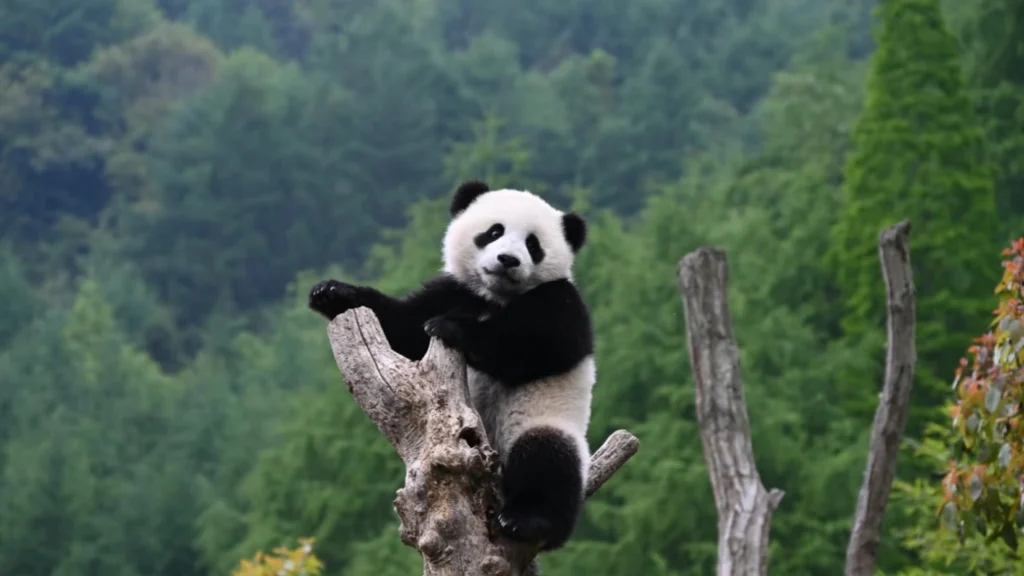
The most common ethical critique is that pandas are kept in “villas” rather than the wild. However, the reality of the 21st century is that the “wild” for pandas, dense, high-altitude bamboo forests, is fragmented.
In the wild, a giant panda needs roughly 6 square kilometers of solitary space to thrive. Due to historical deforestation, those spaces became islands. The Chengdu Research Base was created not as a zoo, but as a genetic ark.
Without captive breeding, the giant panda would likely be extinct today. Because of the work done at these bases, the species was downgraded from “Endangered” to “Vulnerable” on the IUCN Red List. Your visit supports the Ex-situ (captive) research that makes In-situ (wild) survival possible.
Where Does Your Money Actually Go?
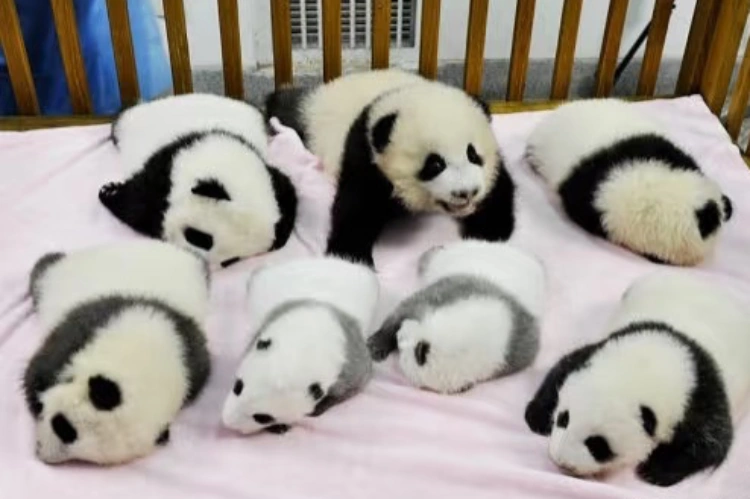
One of the strongest ethical arguments for a visit is the “Umbrella Effect.” When you buy a ticket to any of the Chengdu panda bases, your money doesn’t just buy bamboo for one bear.
Habitat Protection: Tourism revenue is a primary funding source for the Giant Panda National Park, a protected area established in 2021 that is three times the size of Yellowstone.
The Umbrella Effect: By protecting the “celebrity” panda’s habitat, China inadvertently protects thousands of other species—like the Red Panda, the Golden Monkey, and rare Himalayan lilies—that share the same forest but don’t have the same “star power” to raise funds.
Rewilding Programs: The focus has shifted from “making more pandas” to “teaching pandas to be wild.” Centers like Wolong use tourism funds to build “semi-wild” training grounds where cubs are raised with zero human contact (keepers even wear panda suits scented with panda urine!) to prepare them for release.
“No-Hugging” Policy
Years ago, you might have seen photos of tourists holding panda cubs. In 2027, this is strictly a thing of the past.
Why the ban matters:
- Disease Prevention: Pandas are highly susceptible to human viruses and canine distemper.
- Animal Dignity: Treating a high-level predator like a stuffed toy is now recognized as detrimental to their psychological health.
- The Goal is Release: If a panda becomes too comfortable with human touch and “selfie” culture, it can never be released into the wild.
If a tour operator tells you they can arrange a “panda hug”, do not book with them. They are either operating unethically or scamming you.
Welfare Standards: Life in the “Panda Villas”
If you visit the main base, you’ll notice the enclosures are called “villas.” While the papier-mâché trees might look a bit “Disney” to human eyes, the medical and dietary standards are world-class.
The 40kg Diet: Each bear receives a meticulously tracked diet of fresh bamboo (shipped in daily), “panda cake” (a high-protein biscuit), and fruit.
Longevity: In the wild, pandas rarely live past 20. In Chengdu, they frequently live into their 30s, receiving geriatric care and dental checkups that rival human medicine.
Monday Rest Days: A recent ethical update is the “Rest Rotation.” High-traffic areas are often closed or restricted on certain days to ensure the bears aren’t overwhelmed by the sight and sound of crowds.
Which Base is the “Most Ethical” to Visit?
Not all bases have the same vibe. Depending on your values, one might feel “better” than the others:
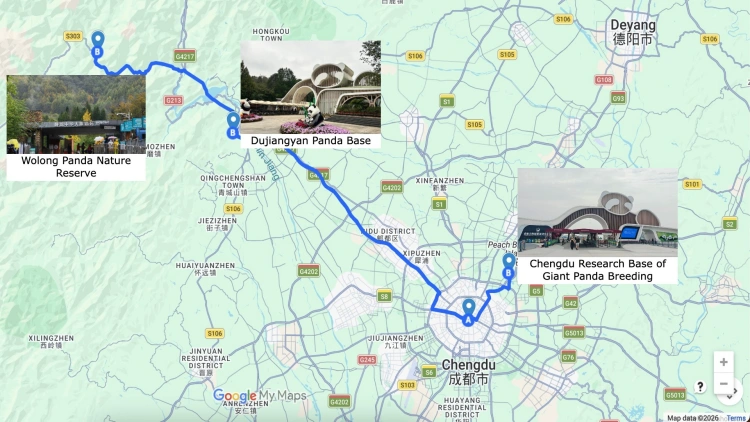
| Base | Primary Focus | Ethical Vibe |
|---|---|---|
| Chengdu Research Base | Education & Breeding | High energy, zoo-like, but vital for global education. |
| Dujiangyan Panda Base | Rescue & Retirement | Calm, sanctuary-like. Best for seeing "retired" elderly pandas. |
| Wolong Shenshuping | Rewilding & Habitat | The most "natural." It feels like a research outpost in the woods. |
If you are sensitive to crowds, the Dujiangyan or Wolong bases are generally considered more ethical choices, as they prioritize a quiet environment for the animals over high-volume tourist throughput.
How to Be an Ethical Panda Tourist
Your behavior as a visitor directly impacts the welfare of the bears. Follow these “Panda Etiquette” rules:
- Silence is Golden: Pandas have a sense of hearing far superior to humans. Shouting at them to “look here” causes them significant stress.
- No Flash Photography: This is especially vital for cubs, whose eyes are extremely sensitive to light.
- Respect the Nap: Pandas have a low-energy diet. If they are sleeping, let them sleep. Don’t throw things or make noise to wake them. To see them active without disturbing them, check out the Best Time to See Pandas in Chengdu.
Final Thoughts: Is It Worth It?
In a perfect world, giant pandas wouldn’t need research bases. They would roam free in a continuous, untouched forest. But in our world, the Chengdu panda tour is a bridge. It is a way for a “celebrity” animal to generate the billions of dollars needed to protect the wild land they will eventually return to.
When you visit, you aren’t just a spectator; you are a patron of one of the most successful conservation stories in human history. As long as you plan a panda visit and choose a base that respects animal boundaries and you follow the rules of the “quiet visitor,” your trip is a powerful vote for the survival of the species.
FAQ
Do pandas get bored in captivity?
The bases use “Environmental Enrichment”—hiding food in ice blocks, providing climbing structures, and changing their “toys” regularly—to keep them mentally stimulated.
What happens to the cubs born in Chengdu?
They are part of a global “Studbook.” Every cub’s DNA is mapped to ensure genetic diversity. Many stay in the breeding program, while the strongest candidates are sent to the Wolong rewilding training grounds.
Is the Volunteer Program just for money?
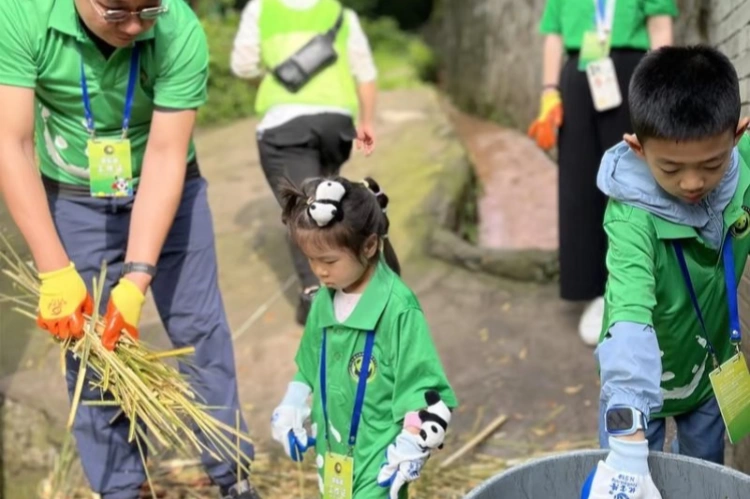
While the fee is a donation, the work is real. By helping clean enclosures and prep bamboo, you are reducing the workload on professional keepers, allowing them to focus more on medical care and research.
Read more: Can You Still Volunteer with Pandas in Chengdu?