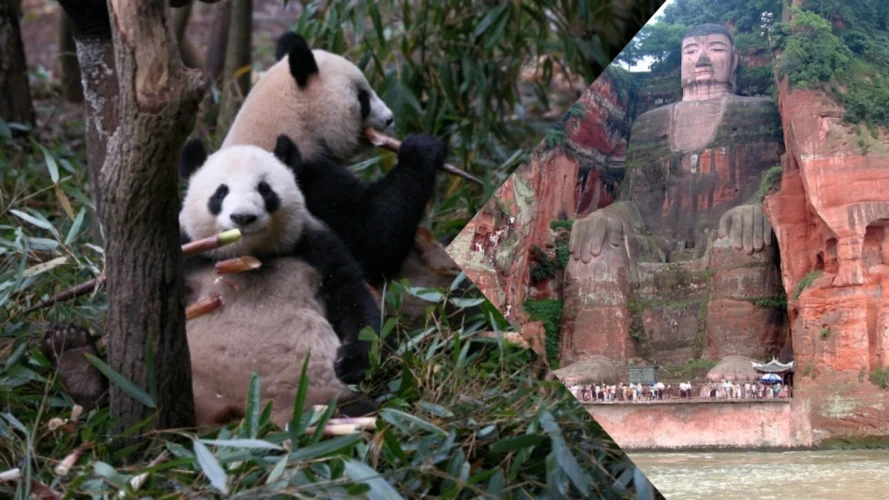
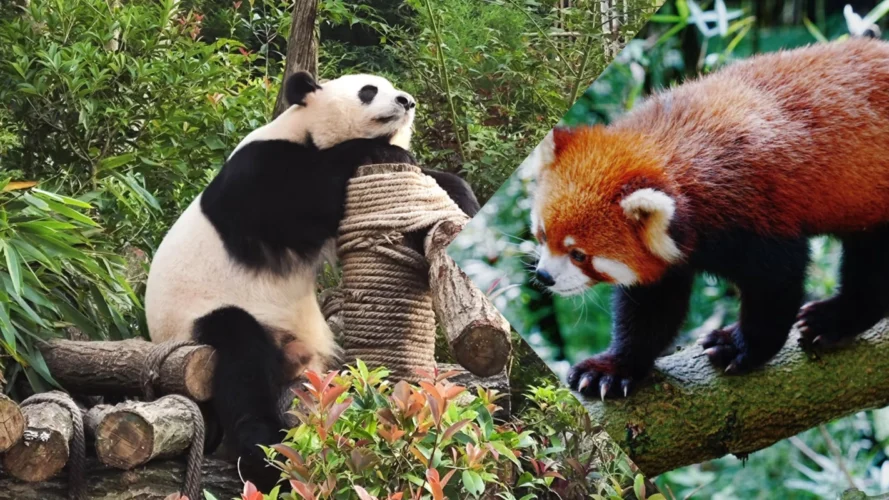
If you have a bucket list for China, panda volunteer, or “working with pandas”, is likely sitting right at the top. But if you’ve been scouring old blogs, you’ve probably run into a wall of conflicting information. Some say it’s closed; others say you can hug them for a fee; others say you need a medical degree to apply.
The truth for 2026 is actually quite simple: Yes, you can still volunteer, but the “Wild West” days of panda tourism are over. Today, the program is a highly regulated, donation-based conservation experience. If you’re planning a China panda tour, you need to know that this isn’t a petting zoo. It’s a behind-the-scenes look at one of the world’s most successful wildlife recovery missions.
Here is the definitive guide on how to actually get into the enclosures in 2026.
The First Rule: Location, Location, Location
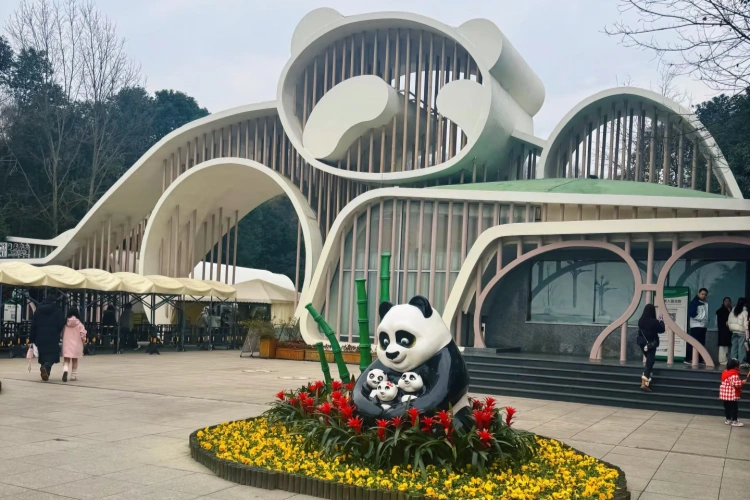
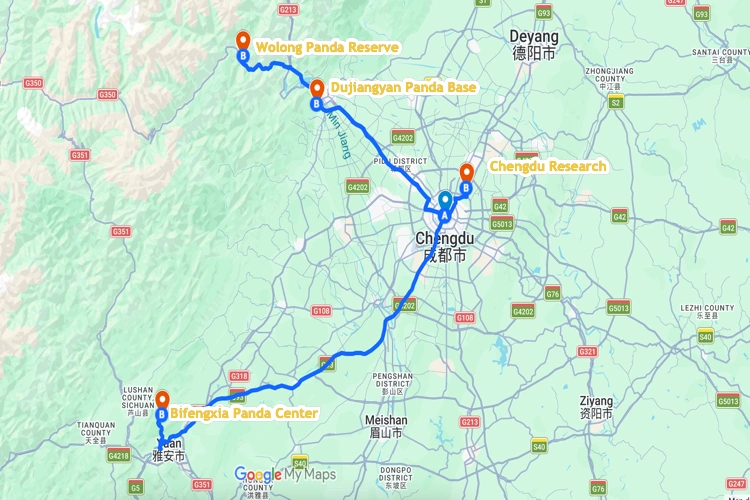
Here is the most important piece of logistics: You cannot volunteer at the main Chengdu Research Base of Giant Panda Breeding in the city center.
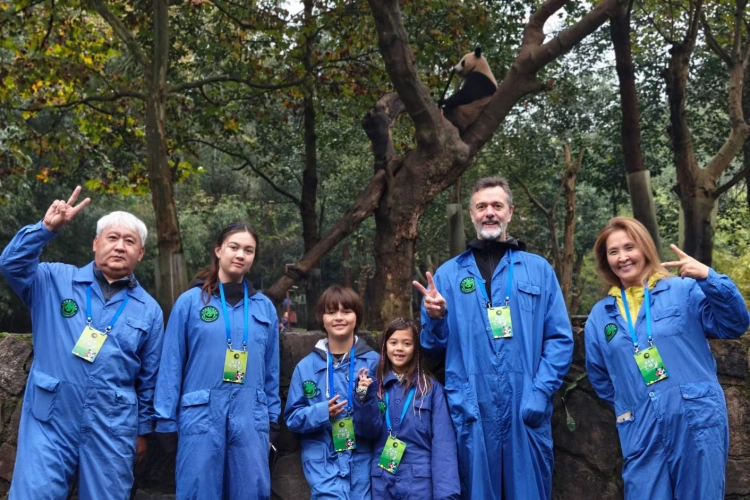
While the main base is fantastic for seeing the most pandas in one go (see our guide on Chengdu Panda Bases), it is strictly a sightseeing facility. To actually put on the blue jumpsuit and grab a shovel, you have to head into the mountains. In 2026, there are three authorized spots:
Dujiangyan Panda Base: The gold standard. It’s about 90 minutes from Chengdu and is the most accessible for a one-day trip.
Wolong Shenshuping: The “Hometown of Pandas.” It’s a 2.5-hour drive into the rugged Minshan mountains. It’s cooler, quieter, and offers a more “raw” experience.
Bifengxia (Ya’an): Further out (about 2.5–3 hours). This is typically reserved for multi-day volunteering or when the other two are fully booked.
The “Hugging” Myth (A 2026 Update)
Let’s address the elephant (or bear) in the room. You cannot hold, hug, or take “selfies” while touching a panda. Since 2018, and reinforced with even stricter health protocols in 2026, direct physical contact has been banned. This is to protect the pandas from human bacteria and canine distemper. If a tour operator promises you can “hold a cub” for a fee, they are either operating illegally or selling you an outdated dream. Trust us, standing three feet away while a 200lb bear crunches bamboo is more than enough of a thrill.
Read more: Is a Chengdu Panda Tour Ethical?
What a Day in the Life Actually Looks Like
The 2026 volunteer program is a full-day commitment, usually running from 08:30 AM to 3:30 PM. It’s more manual labor than most people expect, but that’s what makes it rewarding.
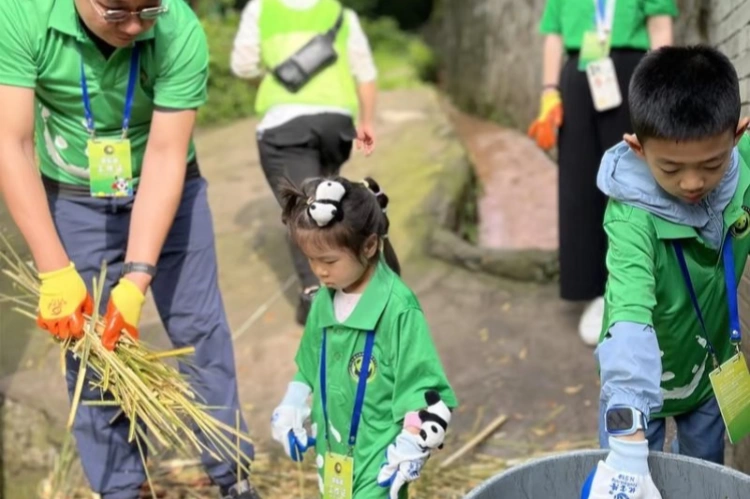
- 09:00 am The “Dirty” Work: You’ll start by cleaning the panda’s indoor and outdoor enclosures. This means sweeping up “panda bread” scraps and lots of poop. Interestingly, panda poop doesn’t actually smell bad. It mostly smells like processed bamboo!
- 10:30 am The Bamboo Buffet: You’ll help the keepers carry in fresh, heavy bamboo stalks. Sometimes you’ll even get to smash the stalks with a mallet to make it easier for the elder pandas to eat.
- 11:00 am The Feeding (The Highlight): While you can’t touch them, you will watch the keepers feed them “panda cake,” apples, and carrots from a very close distance. In many cases, you are just a few feet away from their famous “sixth thumb” in action.
- 1:00 pm The Science & Snacks: After a staff lunch (usually a simple Chinese buffet), you’ll watch a conservation documentary and learn to bake “Wo Wo Tou” (special panda bread) using a secret recipe of corn, soy, and vitamins.
- 3:00 pm The Certification: You’ll receive an official certificate from the conservation center, a souvenir t-shirt, and the satisfaction of knowing your donation fee directly funded the park’s research.
2026 Requirements: The “Health Barrier”
The bases have become very protective of their bears. To volunteer in 2026, you need to meet these specific criteria:
Age Limits: Generally 10 to 70 years old. Kids under 10 can often join as “observers” but cannot enter the working areas.
The Medical Certificate: This is the big one. If you are between 12 and 65, you must provide a basic health certificate from your doctor (or a signed health declaration form) stating you have no infectious diseases (like the flu or a cold).
No “Beauty” Products: On the day of your visit, no perfume, no nail polish, and no heavy makeup. Pandas have a sense of smell that is roughly 10 times stronger than a dog’s; your Chanel No. 5 is a sensory nightmare for them.
When is the Best Time to Volunteer?
Timing is everything. If you go during a heatwave, the pandas will be lethargic. If you go during a holiday, you’ll be fighting crowds.
Best Months: March–May and September–November. The weather is cool, meaning the pandas stay outdoors and active longer.
The Summer Trap: July and August are “Baby Season,” but they are also incredibly hot and humid. Expect to spend most of your volunteer day in the indoor air-conditioned areas.
For a deeper dive into weather patterns and cub schedules, check out our guide on the Best Time to See Pandas in Chengdu.
The Cost: Where Does the Money Go?
Volunteering isn’t free. In 2026, the mandatory donation/volunteer fee is approximately 900–1,200 RMB ($125–$165 USD) per person. This is in addition to your transport and guide costs.
While it seems steep for “manual labor,” this money is the lifeblood of the program. It pays for the tons of bamboo shipped in daily, the veterinary care for rescued wild pandas, and the rewilding programs that are currently helping pandas move back into the mountains.
Why Book a Guide for Your Volunteer Day?
You can technically book these programs yourself, but it involves navigating Chinese-only health portals and coordinating specific arrival times with keepers who may not speak English.
Most travelers choose a guided Chengdu panda tour because we handle the “boring bits”—the health forms, the 7:00 AM mountain drive, and the translation—so you can focus on the fact that you are currently standing next to a living legend.
Ready to swap your tourist hat for a volunteer jumpsuit? Let’s weave a day as a panda keeper’s day into your ultimate China travel itinerary.