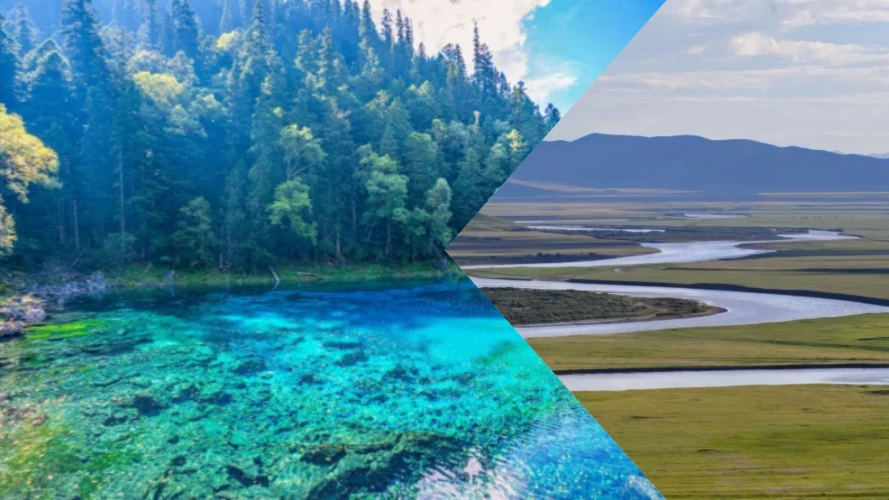
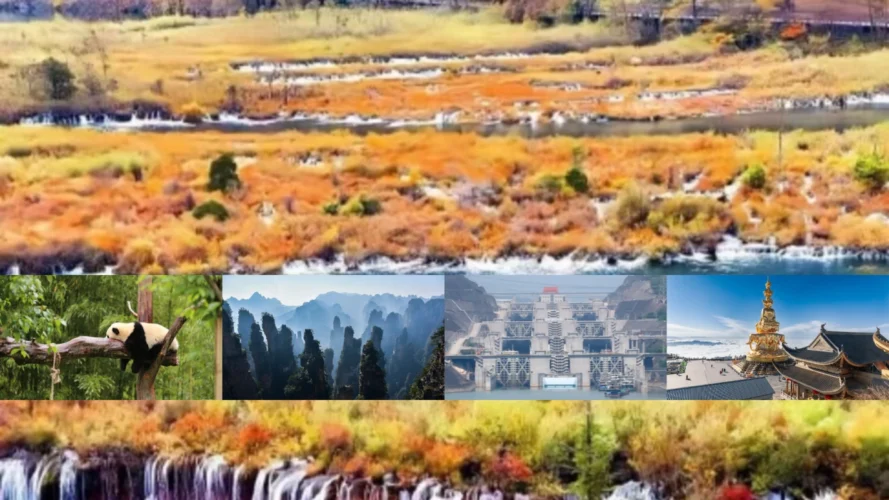
If you are dreaming of snow-covered mountains, wide grasslands, Tibetan monasteries, prayer flags and alpine lakes, you may be wondering whether you really need to travel to Tibet.
At QuietRoutes, we have spent years planning private journeys through Sichuan and Western Sichuan, and one question we often hear is whether Western Sichuan can offer a similar experience. The answer is yes in many ways, but the two destinations are not the same.
Western Sichuan is part of Sichuan Province and includes extensive Tibetan-inhabited areas along the eastern Tibetan Plateau. Here, you can experience dramatic mountain scenery, Tibetan villages, monasteries and highland grasslands, often as part of a scenic road trip from Chengdu. Tibet, meanwhile, offers iconic places such as Lhasa, the Potala Palace and Mount Everest.
So, which is right for you? Let’s compare them from a traveler’s perspective.
Western Sichuan vs Tibet at a Glance
| Features | Western Sichuan | Tibet |
|---|---|---|
| Main attraction | Mountains, grasslands, lakes and Tibetan culture | Tibetan culture, sacred sites and vast plateau landscapes |
| Famous places | Mount Siguniang, Tagong, Xinduqiao, Gongga, Daocheng Yading | Lhasa, Potala Palace, Namtso, Yamdrok Lake, Everest |
| Tibetan culture | Strong, especially in Kham Tibetan areas | Central to the destination |
| Scenery | Very diverse, with dramatic mountain valleys and alpine landscapes | Vast plateau, sacred lakes and Himalayan scenery |
| Access | Conveniently reached by road from Chengdu | Usually reached by flight or train to Lhasa, or a longer overland journey |
| Travel flexibility | High for private and customized trips | More regulated, especially for foreign travelers |
| Altitude | High and varies greatly by route | Generally very high, with Lhasa already around 3,650 m |
| Best for | Road trips, photography, hiking and Tibetan highland scenery | Lhasa, pilgrimage, iconic Tibet and Everest |
Quick Takeaway:
Choose Western Sichuan if you prefer a flexible mountain journey through Tibetan landscapes and Kham culture.
Choose Tibet if you want the iconic Tibet experience itself.
Is Western Sichuan the Same as Tibet?
No. This is the first distinction worth making.
Western Sichuan is not the Tibet Autonomous Region. It is a broad geographical and cultural term for the highland areas of western Sichuan Province. Ganzi Tibetan Autonomous Prefecture, for example, is home to a predominantly Tibetan population and includes many of the mountain landscapes and cultural destinations travelers associate with Western Sichuan.
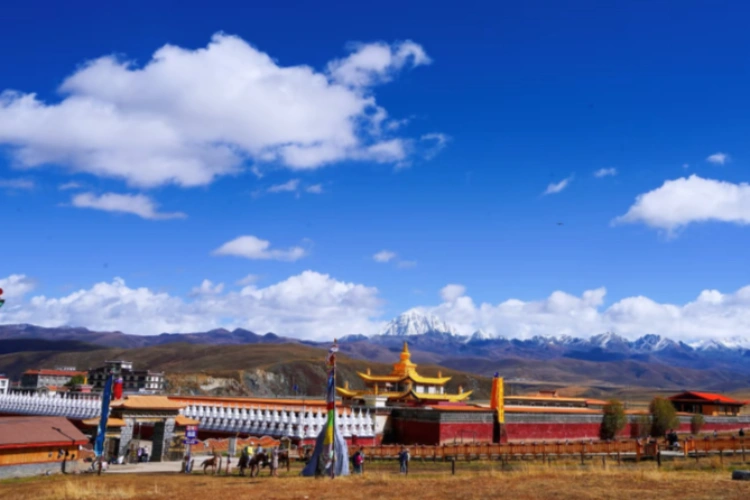
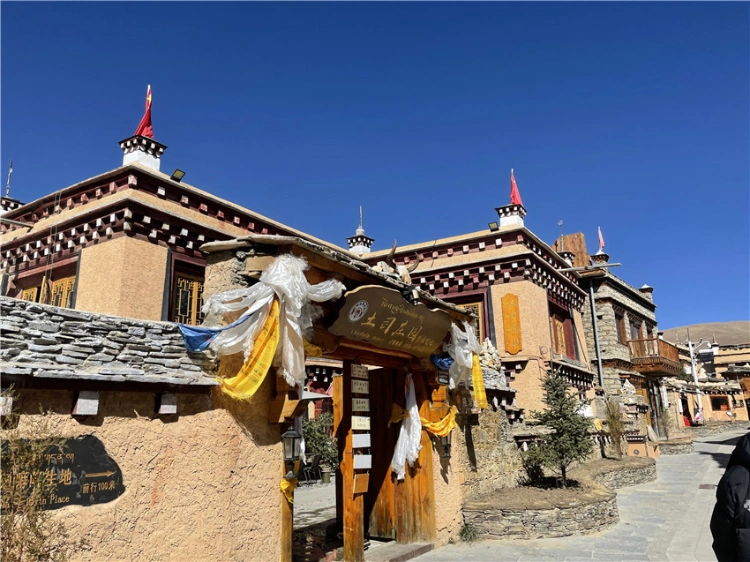
In places such as Tagong, Litang and Ganzi, Tibetan monasteries, prayer flags, traditional buildings and yak herding are part of the everyday landscape.
The cultural character is also important. Much of western Sichuan belongs to the historic Kham cultural region, giving the area its own Tibetan traditions, architecture and identity.
So rather than thinking of Western Sichuan as “fake Tibet,” it is better to think of it as a different part of the broader Tibetan cultural and geographical world.
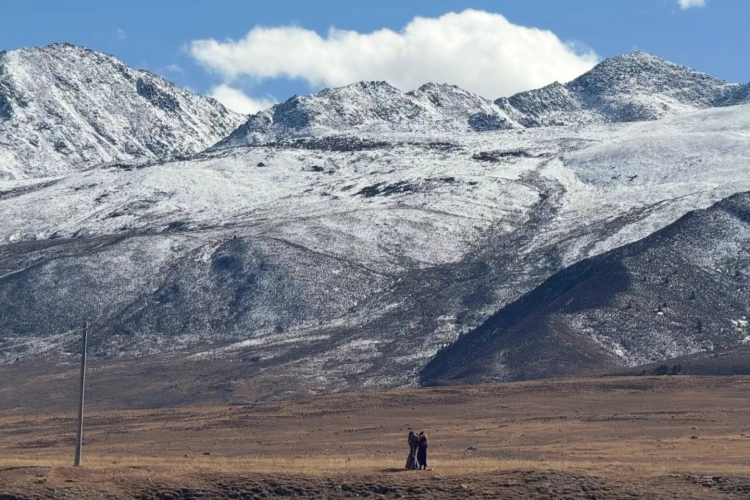
Scenery
This is where the two destinations overlap most.
Western Sichuan
Western Sichuan is exceptionally diverse for a relatively compact travel region.
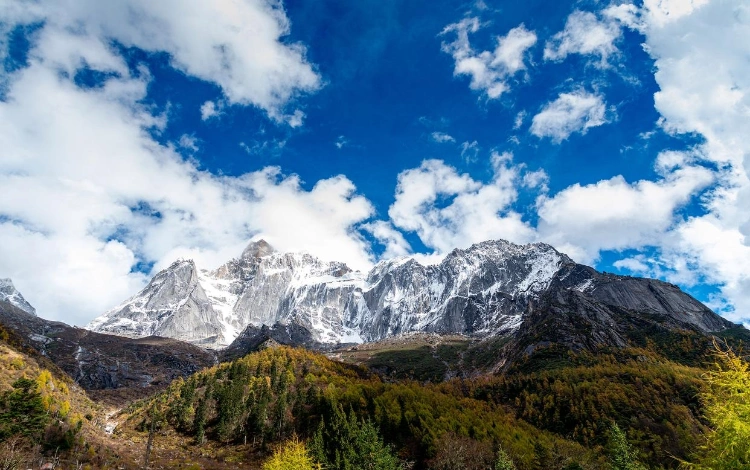
You can begin in Chengdu and gradually climb into the mountains, passing through forested valleys before reaching highland grasslands and snow-covered peaks. Depending on your route, you might see Mount Siguniang, Gongga Mountain, Yala Snow Mountain, Tagong Grassland, Xinduqiao, Daocheng Yading and numerous alpine lakes and valleys.
Besides, the scenery changes constantly. One day you may be photographing a Tibetan village surrounded by green farmland. The next, you could be crossing a 4,000-meter mountain pass with snow peaks on the horizon.
Tibet
Tibet has a different kind of scale.
The landscape often feels enormous and open, with vast plateaus, sacred lakes, high mountain ranges and some of the world’s most famous Himalayan scenery. Lhasa and the surrounding region also provide the cultural landmarks that have defined the image of Tibet for generations.
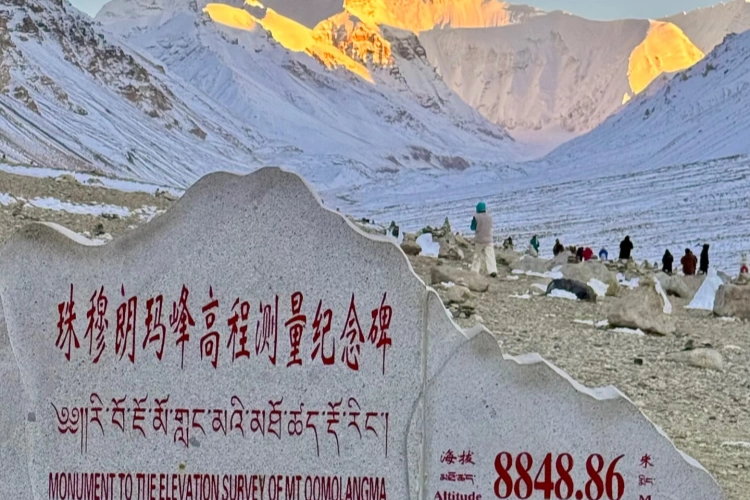
For travelers who want Mount Everest, Namtso, Yamdrok Lake or the Potala Palace, Tibet is the obvious choice.
Which has better scenery?
There is no objective winner.
Western Sichuan is better for variety and road-trip scenery. Tibet is better for vast plateau landscapes and iconic Himalayan sights.
If you love photography and want dramatic scenery changing every few hours, Western Sichuan is particularly rewarding.
If your dream is to stand beneath Everest or see the Potala Palace in Lhasa, go to Tibet.
Tibetan Culture
Both destinations offer genuine Tibetan cultural experiences, but they feel different.
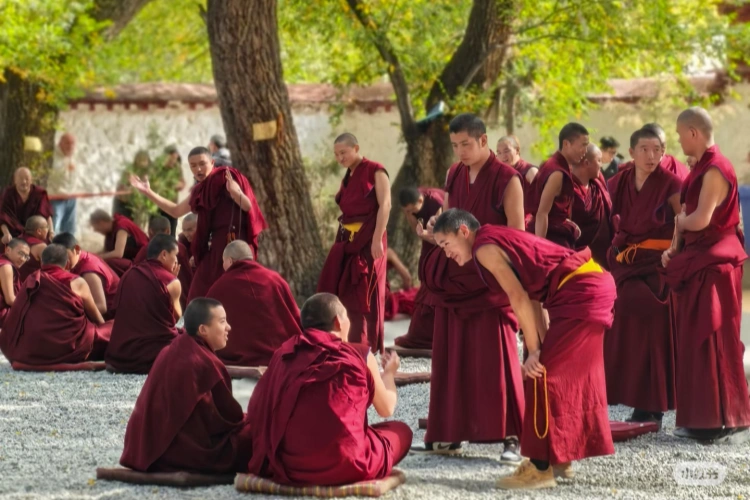
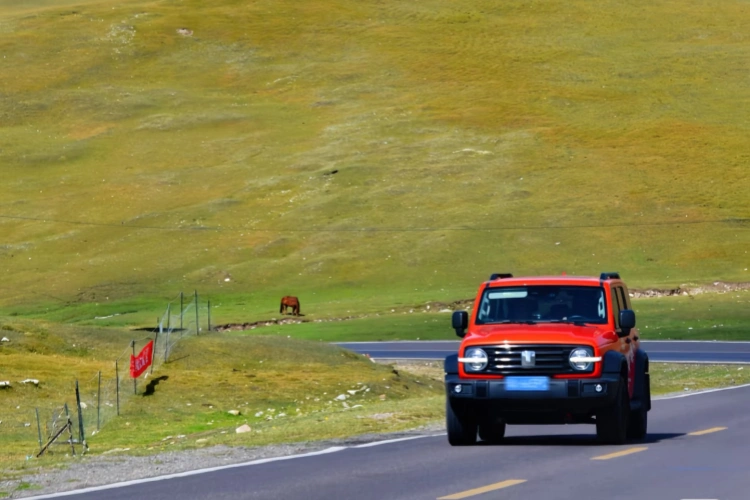
In Western Sichuan, culture is often encountered through the journey itself. You may pass through Tibetan villages, visit a local monastery, see prayer flags beside mountain roads, walk through a grassland settlement or stop at a small town where Tibetan life continues away from major tourist attractions.
This is particularly interesting in Kham Tibetan areas, where geography, history and traditional culture have developed their own character.
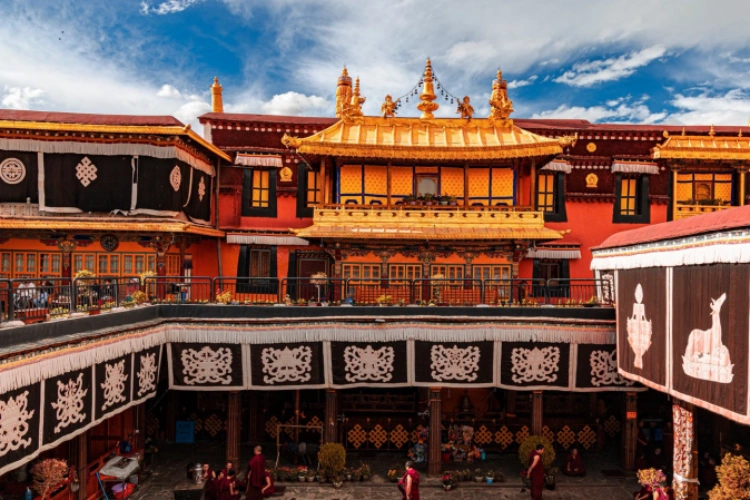
Tibet, meanwhile, offers some of the world’s most important Tibetan Buddhist landmarks. Lhasa, the Potala Palace and Jokhang Temple are not simply tourist attractions; they are deeply significant cultural and religious sites.
So the distinction is not really “authentic culture versus tourist culture.” It is more about the kind of cultural experience you want.
Altitude
Altitude is one of the most important practical differences, and one that should not be underestimated.
Western Sichuan is not a low-altitude alternative to Tibet. Many popular destinations are already several thousand meters above sea level. Kangding is around 2,500 m, Xinduqiao around 3,300 m and Tagong around 3,700 m, while parts of routes toward Litang and Daocheng are higher still.
Tibet is similarly high. Lhasa itself sits at approximately 3,650 m, and many destinations outside the city are considerably higher.
This means neither destination should be treated as an easy highland holiday.
The advantage of Western Sichuan is that a well-designed route can start in Chengdu and gradually gain altitude, rather than placing you directly at Lhasa’s elevation after a flight.
Permits and Travel Logistics
This is one of the biggest practical differences for international travelers.
Travel to the Tibet Autonomous Region is subject to additional travel arrangements, including the Tibet Travel Permit for foreign visitors. Tibet trips therefore need to be organized through the required travel channels before arrival.
Western Sichuan is different because it is within Sichuan Province rather than the Tibet Autonomous Region. Ordinary Western Sichuan travel does not require a Tibet Travel Permit.
That makes a major difference if you value flexibility.
A Western Sichuan itinerary can be built around your interests and adjusted more easily. For travelers who simply want to experience the Tibetan highlands without committing to a dedicated Tibet journey, this is a major advantage.
How to Get There
Western Sichuan offers a particular advantage if you are already planning to visit Chengdu.
Many Western Sichuan journeys begin in Chengdu and travel west by private vehicle. The route itself becomes part of the experience.
For example, a classic journey might travel:
Chengdu → Kangding → Xinduqiao → Tagong → Danba → Mount Siguniang → Chengdu
Longer routes can continue toward Litang, Ganzi or Daocheng Yading.
Tibet is more of a dedicated journey. Most travelers fly or take the train to Lhasa, while overland routes from Sichuan can make the journey much longer.
If you have only a week and are already in Chengdu, Western Sichuan is therefore much easier to incorporate into a China itinerary.
Cost and Travel Style
The final cost of either trip depends heavily on the route, accommodation and travel style, so it is difficult to give one meaningful price comparison.
What is different is the structure of the trip.
Western Sichuan works particularly well for private road trips, where you can choose your accommodation, route, pace and activities. You can travel with a private vehicle and guide, or build a more independent itinerary where practical.
Tibet requires more advance organization for foreign travelers, and the longer distances and higher-altitude logistics can also increase the overall cost.
Western Sichuan is not necessarily “cheap,” especially if you choose a private vehicle, good hotels and a long route. But its flexibility allows you to design the trip around your actual priorities rather than following a fixed itinerary.
How Many Days Do You Need?
Western Sichuan can work surprisingly well for different trip lengths.
- 4–5 days: A short introduction around Kangding, Xinduqiao, Tagong or Mount Siguniang.
- 6–8 days: Enough time for a more satisfying Western Sichuan road trip with several landscapes and cultural stops.
- 9–12 days: A better choice if you want to combine major destinations without spending every day driving.
- 2 weeks or more: Ideal for travelers who want to explore deeper into Ganzi, combine several mountain regions or include Daocheng Yading.
Tibet generally deserves a dedicated trip because the distances are substantial and the most rewarding itineraries often require more time.
Which Is Better for Different Travelers?
The easiest way to decide is to start with what you want to experience.
Choose Western Sichuan if you want:
- Snow mountains, alpine lakes and grasslands
- A scenic road trip from Chengdu
- Tibetan villages and monasteries
- Photography and hiking
- More flexibility in your itinerary
- A first experience of the Tibetan highlands
- A trip that can be customized around your pace
Choose Tibet if you want:
- Lhasa and the Potala Palace
- Jokhang Temple and major pilgrimage sites
- Mount Everest
- The classic Tibet experience
- Huge plateau landscapes and sacred lakes
- A dedicated journey focused specifically on Tibet
There is considerable overlap, but the priorities are different.
For a first trip to a Tibetan highland region, Western Sichuan can be an excellent starting point.
However, if Tibet has been a lifelong dream, don’t talk yourself out of it simply because Western Sichuan is convenient.
Can You Visit Western Sichuan and Tibet on the Same Trip?
Yes, if you have enough time.
For travelers with two or three weeks or more, combining Chengdu, Western Sichuan and Tibet can create an extraordinary highland journey.
One possible concept is:
Chengdu → Western Sichuan → Tibetan Plateau → Lhasa
You could spend several days exploring the mountains and Tibetan communities of Western Sichuan before continuing toward Tibet.
The important point is not to rush.
Both regions involve high altitude and long road journeys, so trying to squeeze everything into a short itinerary can turn an amazing trip into a tiring one.
If you have less than two weeks, I would usually recommend choosing one region and exploring it properly rather than trying to collect destinations.
Our Verdict
Western Sichuan is not a replacement for Tibet in every sense.
It cannot give you Lhasa, the Potala Palace or Mount Everest.
But if what you really want is snow mountains, Tibetan culture, monasteries, grasslands, alpine lakes and an unforgettable highland road trip, Western Sichuan can be an outstanding choice.
Its biggest strengths are its variety, flexibility and connection with Chengdu. You can move from the Sichuan Basin into the Tibetan highlands in a single journey, with the landscape changing dramatically along the way.
Tibet is the better choice for the iconic experience.
Western Sichuan is the better choice for the journey.
And for travelers who are more interested in landscapes, culture, photography and the freedom to explore at their own pace, that journey may be exactly what they were looking for.
FAQ
Is Western Sichuan part of Tibet?
No. Western Sichuan is part of Sichuan Province, while the Tibet Autonomous Region is a separate provincial-level region of China. However, large areas of western Sichuan are Tibetan-inhabited and geographically connected with the Tibetan Plateau.
Is Western Sichuan similar to Tibet?
Yes, particularly in its high-altitude landscapes, Tibetan monasteries, grasslands, villages, prayer flags and mountain scenery. The two regions nevertheless have different geography, history, administration and travel experiences.
Do I need a Tibet Travel Permit for Western Sichuan?
Ordinary travel in Western Sichuan does not require the Tibet Travel Permit used for travel to the Tibet Autonomous Region. Specific remote or border areas can have their own access requirements, so check the latest rules when planning your route.
Is Western Sichuan lower in altitude than Tibet?
Not necessarily. Both regions include very high-altitude destinations. Western Sichuan also contains many towns and mountain passes above 3,000–4,000 m, so altitude should be taken seriously when planning your itinerary.
Is Western Sichuan or Tibet better for Tibetan culture?
It depends on the type of experience you want. Western Sichuan is particularly interesting for Kham Tibetan culture, villages and everyday life, while Tibet offers famous religious and historical centers such as Lhasa and the Potala Palace.
Is Western Sichuan or Tibet better for scenery?
Western Sichuan is excellent for varied mountain scenery, snow peaks, forests, grasslands and alpine valleys. Tibet is particularly strong for vast plateau landscapes, sacred lakes and Himalayan scenery. Neither is simply “better.”
How many days do you need for Western Sichuan?
Around 6–8 days is a good starting point for a first Western Sichuan trip. With 9–14 days, you can explore much more deeply and include destinations farther west. Read More: How Many Days in Sichuan