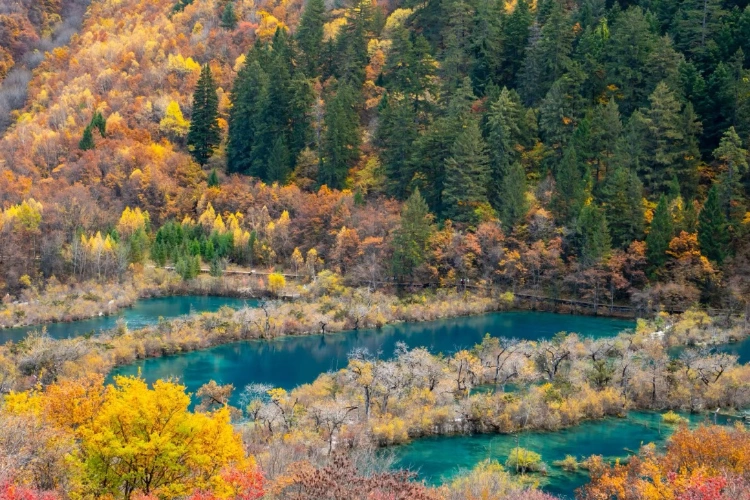
Sichuan is one of China’s most remarkable travel destinations. While many visitors first come for giant pandas or spicy cuisine, the province is also home to five UNESCO World Heritage Sites. Together, they showcase the extraordinary diversity of Sichuan.
The good news is, thanks to modern transportation like high-speed rail, expressways, and domestic flights, these UNESCO sites are easier than ever to combine several of them into one unforgettable journey.
In this guide, we will introduce all five UNESCO World Heritage Sites in Sichuan, explain why each one earned UNESCO recognition, and share practical travel advice to help you plan your trip. Whether you’re visiting for three days or two weeks, you’ll discover which sites best match your interests and how to experience them efficiently.
1. Jiuzhaigou Valley
Jiuzhaigou was inscribed as a UNESCO World Heritage Site in 1992 for its exceptional natural beauty and unique ecosystem. The valley is recognized for its outstanding examples of high-altitude karst landscapes, where geological processes have created a remarkable combination of lakes, waterfalls, limestone formations, and mountain scenery.
The name “Jiuzhaigou” means “Valley of Nine Villages,” referring to the nine Tibetan villages historically located within the area. The relationship between nature and local Tibetan culture remains an important part of the valley’s identity, with traditional villages, prayer flags, and temples adding a cultural dimension to the landscape.
Highlights
- Five Flower Lake
- Nuorilang Waterfall
- Long Lake
- Shuzheng Valley
- Zharu Valley
Best Time to Visit Jiuzhaigou
Jiuzhaigou is a year-round destination, but Autumn (late September to October) is generally considered the best time to visit.
How Many Days in Jiuzhaigou?
Most travelers should plan one full day inside Jiuzhaigou National Park. However, spending two days in Jiuzhaigou is ideal if you want a slower pace. Check the full guide: How Many Days in Jiuzhaigou
A typical itinerary:
Day 1: Explore Jiuzhaigou’s main valleys, including Five Flower Lake, Nuorilang Waterfall, and Long Lake.
Day 2 (optional): Revisit favorite areas, explore quieter trails, or combine the trip with nearby Huanglong.
For first-time visitors from Chengdu to Jiuzhaigou, we usually recommend a 3–4-day itinerary that combines Jiuzhaigou with Huanglong, allowing enough time for travel and sightseeing without rushing.
2. Huanglong Scenic Area
Located about 100 kilometers from Jiuzhaigou Valley, Huanglong was recognized by UNESCO for its exceptional natural beauty and rare geological features. The area is famous for its large-scale travertine landscape, created by calcium carbonate deposits left behind by mineral-rich spring water flowing through the valley.
Over thousands of years, these deposits have formed a series of colorful pools, terraces, waterfalls, and limestone formations that stretch across the mountains like a golden dragon.
Beyond its geological importance, Huanglong is also valued for its biodiversity. Located in a transition zone between the Tibetan Plateau and Sichuan Basin, the area contains diverse ecosystems ranging from subtropical forests to alpine environments. It provides habitat for rare species, including giant pandas and golden snub-nosed monkeys.
Highlights
- Five-Color Pond
- Golden Sand Pavement
- Huanglong Temple
One important difference between Huanglong and many other Sichuan attractions is its high altitude.
The entrance area of Huanglong is around 3,200 meters above sea level, while the highest viewing area near Five-Color Pond reaches approximately 3,600 meters. Some travelers may experience altitude effects, especially when climbing uphill.
Because Huanglong and Jiuzhaigou are located in the same region, most travelers combine them into one northern Sichuan itinerary with 3-4 days.
3. Mount Emei & Leshan Giant Buddha
Among Sichuan’s UNESCO World Heritage Sites, Mount Emei and Leshan Giant Buddha are unique because they represent both natural beauty and cultural significance.
Although they are separate destinations and usually visited as different stops, UNESCO recognizes them together as one World Heritage Site because they share a deep connection with the development of Buddhism in China and the surrounding natural environment.
Mount Emei
Rising to 3,099 meters above sea level, Mount Emei is one of the Four Sacred Buddhist Mountains of China and has been an important pilgrimage destination for more than 1,500 years.
Highlights
- Baoguo Temple
- Wannian Temple
- Golden Summit
Leshan Giant Buddha
About 30 kilometers from Mount Emei, the Leshan Giant Buddha is one of Sichuan’s most iconic landmarks.
Carved directly into a cliff face overlooking the meeting point of three rivers, the giant statue stands 71 meters tall and took nearly 90 years to complete during the Tang Dynasty (618–907). It was built by Buddhist monks who hoped the Buddha would calm the dangerous river currents and protect local communities.
There are two main ways to visit the Giant Buddha:
- Visitors descend along the cliffside stairs to view the Buddha from head to foot. This provides a close-up experience and allows you to appreciate the incredible details of the carving.
- A boat trip offers the classic perspective of seeing the entire Buddha from the river. This is especially recommended for travelers who want the famous postcard-style view.
Combining Mount Emei and the Leshan Giant Buddha is one of the most popular short trips from Chengdu with 1 2-day itinerary.
4. Mount Qingcheng & Dujiangyan Irrigation System
Located just outside Chengdu, Mount Qingcheng and the Dujiangyan Irrigation System are among Sichuan’s most accessible UNESCO World Heritage Sites.
Mount Qingcheng
Known as one of the most important Taoist mountains in China, Mount Qingcheng is famous for its peaceful atmosphere, ancient temples, and lush green forests.
UNESCO recognized Mount Qingcheng because of its historical importance in the development of Taoism, one of China’s major philosophical and religious traditions.
Mount Qingcheng has two main areas:
- Front Mountain: The most popular area for visitors, featuring temples, cultural sites, cable cars, and well-maintained walking paths. It is the best choice for first-time visitors who want to experience Taoist culture without a demanding hike.
- Back Mountain: A quieter and more natural area known for forests, streams, and hiking trails. It is better suited for travelers looking for a more peaceful outdoor experience.
For most visitors combining Mount Qingcheng with Dujiangyan, the Front Mountain is the more practical option.
Dujiangyan Irrigation System
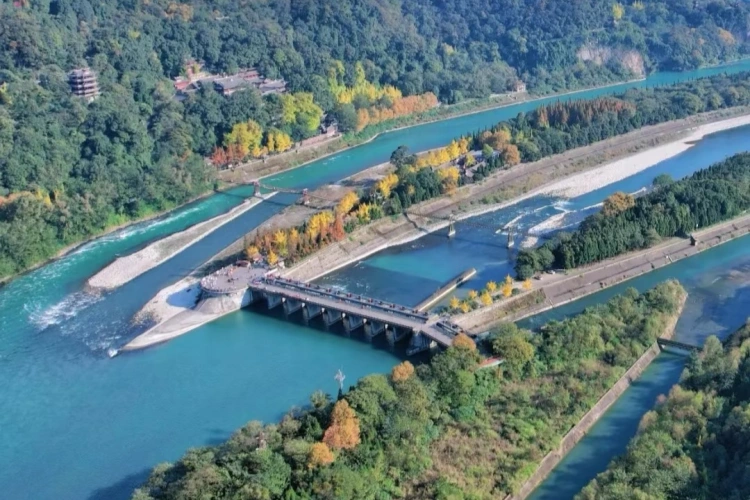
Just a short distance from Mount Qingcheng, Dujiangyan is one of the greatest engineering achievements of ancient China.
Built around 256 BC during the Qin Dynasty, the Dujiangyan Irrigation System transformed the Chengdu Plain from a flood-prone region into one of China’s most productive agricultural areas. Unlike many ancient irrigation projects that relied on dams, Dujiangyan was designed as a natural water management system that works with the river rather than blocking it.
UNESCO recognized Dujiangyan for its outstanding example of ancient hydraulic engineering and its lasting influence on the development of the Chengdu region.
Because Mount Qingcheng and Dujiangyan are close together, many travelers visit both on the same day. The ideal choice depends on your interests and travel pace.
5. Sichuan Giant Panda Sanctuaries
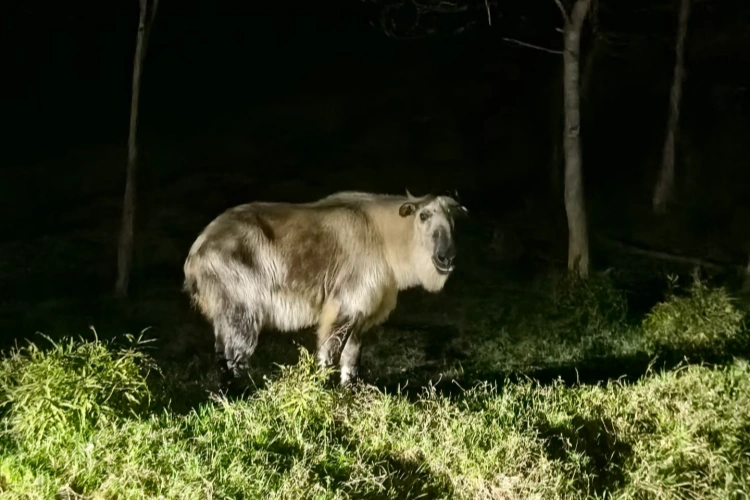
When travelers hear “giant pandas in Sichuan,” many immediately think of Wolong Panda Base. However, inscribed as a UNESCO World Heritage Site in 2006, this protected area covers a vast landscape across western Sichuan, including Wolong, Mount Siguniang, Jiajin Mountains, and several other areas.
Beyond pandas, the area supports hundreds of other plant and animal species, including many rare and endangered species.
For travelers, this UNESCO site offers a completely different experience from Sichuan’s other natural attractions.
Accessible Visitor Areas
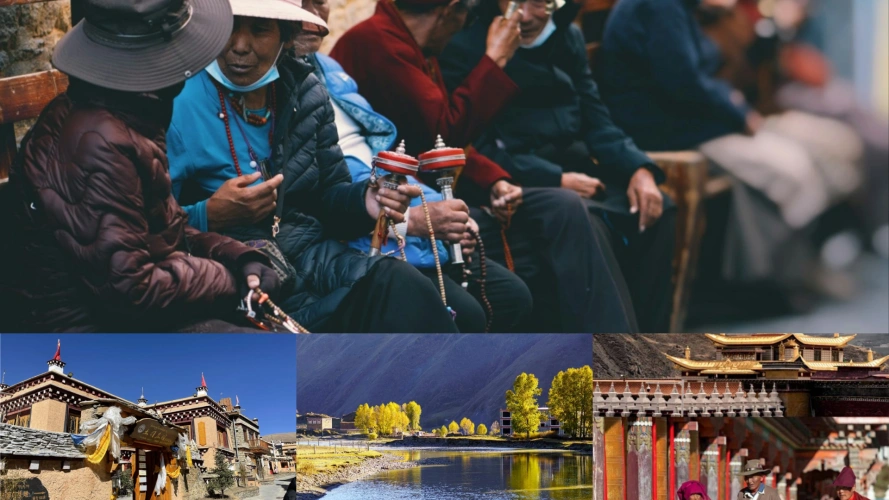
For travelers with more time, the wider UNESCO area can be included in a western Sichuan itinerary connecting destinations such as Danba, Tagong, Xinduqiao, and Daocheng Yading.
Tips for Visiting Sichuan UNESCO World Heritage Sites
September–October is ideal for colorful autumn scenery, especially Jiuzhaigou and
Huanglong. Spring offers fewer crowds, while winter brings quieter landscapes and snow views.
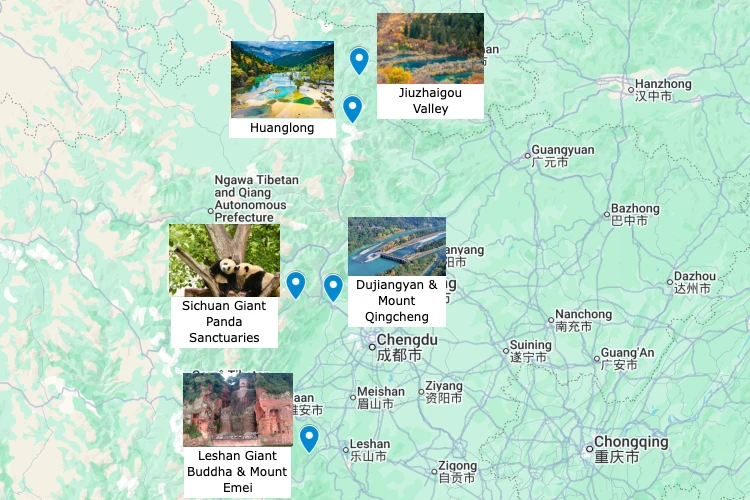
Chengdu connects easily with Dujiangyan, Mount Qingcheng, Leshan, Mount Emei, and Huanglongjiuzhai Railway Station. Remote mountain areas usually require private transfers.
Take extra care at higher destinations such as Huanglong, Jiuzhaigou, Mount Emei, and Mount Siguniang. Walk slowly, stay hydrated, and allow time to adjust.
Popular sites may require reservations, especially during holidays and peak autumn season. Bring your passport for entry.
Independent travel works well for easy day trips from Chengdu. Private tours are more convenient for remote areas where transportation and logistics are more complex.
Final Thoughts: Discover the Many Faces of Sichuan
What makes Sichuan truly special is the diversity of experiences within one province. As you explore the best places to visit in Sichuan, you can explore a 2,000-year-old irrigation system in the morning, walk through a sacred mountain forest in the afternoon, and travel into remote alpine valleys where pandas, Tibetan communities, and unique wildlife continue to thrive.
For first-time visitors, it is not necessary to visit all five UNESCO sites. The best itinerary depends on your interests, travel time, and pace. Whether you are looking for natural scenery, cultural heritage, wildlife, or outdoor adventure, Sichuan offers a UNESCO journey that can be tailored to your travel style.
Plan Your Sichuan UNESCO Journey with Local Experts
Our Chengdu-based team specializes in private and customized Sichuan tours, helping travelers experience these remarkable places comfortably and efficiently. Contact us to plan your UNESCO adventure with local experts.
FAQ
Which UNESCO site is closest to Chengdu?
The closest UNESCO World Heritage Site to Chengdu is Mount Qingcheng and the Dujiangyan Irrigation System.
Located about 60 kilometers from Chengdu, it can be reached by high-speed train in around 30–40 minutes, making it the easiest UNESCO day trip from the city.
Which Sichuan UNESCO site is best?
There is no single “best” site because each offers a different experience.
- Jiuzhaigou and Huanglong: Best for first-time visitors, photographers
- Dujiangyan and Mount Qingcheng: Best for culture and history
- Mount Emei and Leshan Giant Buddha: Best Buddhist heritage
- Giant Panda Sanctuaries and Mount Siguniang: Best wildlife and hiking
Can you visit all five Sichuan UNESCO sites in one trip?
Yes. It is possible to visit all five UNESCO sites in one journey, but we recommend allowing at least 8–10 days.
How many days do I need to see Sichuan’s UNESCO sites?
The ideal duration depends on your interests:
- 3–4 days: Chengdu-area UNESCO sites
- 5–6 days: Add Jiuzhaigou or Mount Emei
- 8–10 days: Experience all five UNESCO sites comfortably
If you want to include hiking, photography, or deeper cultural experiences, adding extra days will make the journey much more enjoyable.
Are Sichuan’s UNESCO sites open year-round?
Yes, Sichuan’s UNESCO World Heritage Sites are generally open throughout the year.
However, seasonal conditions may affect accessibility:
- High mountains may have snow or weather-related restrictions in winter
- Some hiking routes may close temporarily
- Peak-season attractions may require reservations
Always check current conditions before visiting, especially for high-altitude destinations such as Huanglong and Mount Siguniang.