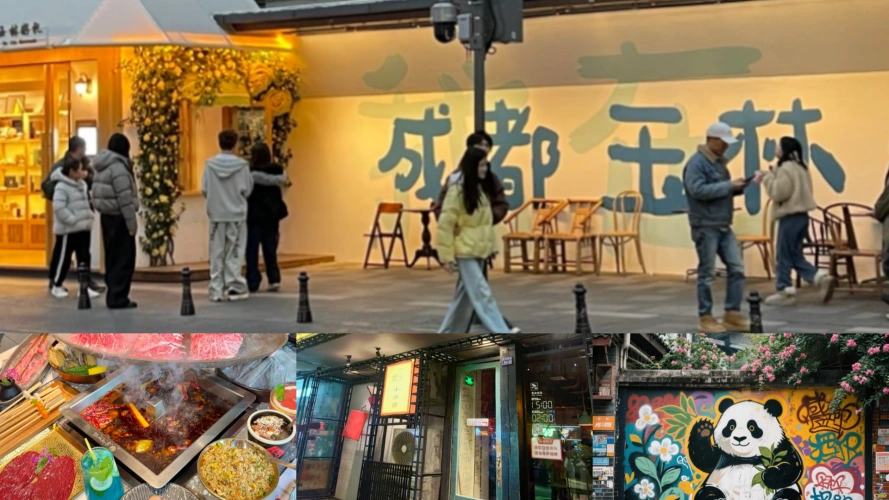
In a country as vast as China, claiming the title of “Best Food City” is a bold move. Guangzhou has its delicate Dim Sum; Xi’an has its ancient Silk Road spices; Shanghai has its refined, sweet-savory elegance. Yet, in 2026, Chengdu remains the undisputed heavyweight champion of the Chinese culinary world.
It isn’t just about the heat or the UNESCO “City of Gastronomy” title. It’s about a unique combination of geography, a 2,000-year-old “Slow Life” philosophy, and a culinary diversity that goes far deeper than the red oil you see on Instagram. Whether you are planning a Chengdu food tour or just passing through, here is why this city stands alone at the top.
The UNESCO Pedigree & The “24 Flavors”
Many travelers arrive thinking Sichuan food is a “one-note” experience—spicy. The biggest surprise for most is discovering the technical complexity that earned Chengdu its UNESCO status.
While other regional cuisines focus on a handful of profiles, Sichuanese cooking is built on 24 distinct flavor profiles. As we explore Sichuan food culture, “spicy and numbing” (Ma La) is just the tip of the iceberg. There is the “Fish-Fragrant” (Yu Xiang) profile that uses no fish, the “Strange Flavor” (Guai Wei) that balances five tastes at once, and the “Lychee Flavor” that provides a sweet-and-sour relief.
This variety means you can eat in Chengdu for a month and never have the same sensation twice. It’s a city where a $2 bowl of Chengdu street food has the same structural complexity as a Michelin-starred banquet.

Geography: The “Land of Abundance”
You cannot understand Chengdu’s food without understanding the Sichuan Basin. Known as Tianfu Zhiguo (the Land of Abundance), the basin acts as a giant natural greenhouse.
Because of the ancient Dujiangyan irrigation system (which you can visit after a Chengdu panda tour), the region has avoided major droughts and floods for two millennia. This constant supply of fresh water and fertile silt means the “farm-to-table” movement isn’t a trend here—it’s a 2,000-year-old reality.
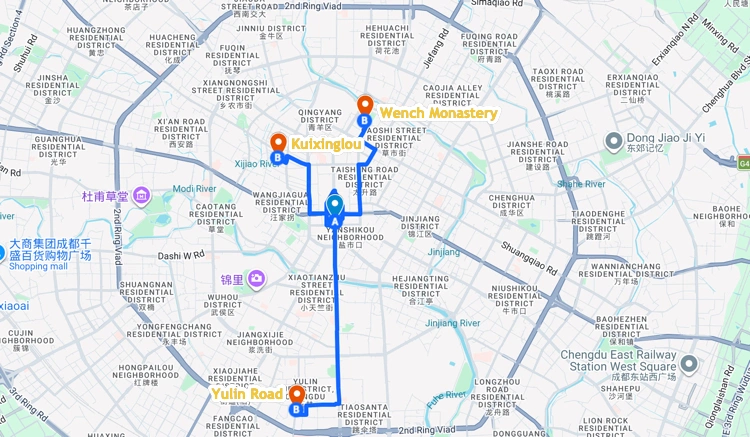
In 2026, the local markets are still overflowing with seasonal bamboo shoots, “wasabi” greens, and over 100 varieties of mushrooms. This access to high-quality raw ingredients is why even the simplest stir-fry at a Yulin neighborhood “fly restaurant” tastes vibrant and alive.
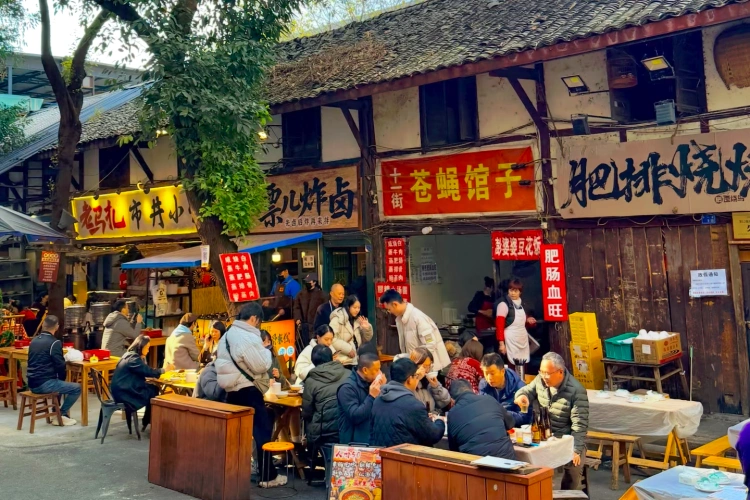
The “Fly Restaurant” Culture: Meritocracy on a Plate
In many global cities, the best food is hidden behind high prices and reservation apps. In Chengdu, the best food is found in “Fly Restaurants” (Cangying Guan).
These are no-frills, family-run eateries tucked into 1980s apartment complexes or down narrow alleys. They are called “fly restaurants” because they are tiny and unpretentious, but they attract people from all walks of life. In 2026, it is common to see a billionaire in a Bentley parked next to a delivery driver on a moped, both waiting for the same bowl of “pock-marked” tofu.
This culinary meritocracy ensures that quality stays high and prices stay low. If a shop isn’t excellent, it doesn’t survive the week. This competitive environment is why many believe a Chengdu food tour is worth it—it’s the only way to find the “Top 1%” of these unmarked, residential gems.
The “Shufu” Lifestyle: Eating as an Art Form
Chengdu’s secret ingredient isn’t a spice; it’s time. The local philosophy of Shufu (comfort/leisure) means that food is never rushed.
In Beijing or Shanghai, lunch is often a hurried affair. In Chengdu, lunch is followed by three hours at a teahouse. This culture of “Slow Life” allows for long-simmering broths, hand-pulled noodles, and the social ritual of Hotpot.
Hotpot in Chengdu isn’t just a meal; it’s a three-hour social contract. As we discuss in how locals eat in Chengdu, the act of sharing a boiling vat of spices is the ultimate form of community. This relaxed pace allows the city to develop a depth of “Supper” (Xiaoye) culture that other Chinese cities simply can’t match.

Innovation Meets Tradition (2026 Trends)
While Chengdu is fiercely protective of its tradition, it is also China’s most creative food city. In 2026, we are seeing a “New Sichuan” movement:
Boutique “Fly” Bistros: Young chefs are taking traditional flavors and pairing them with natural wines and craft beers.
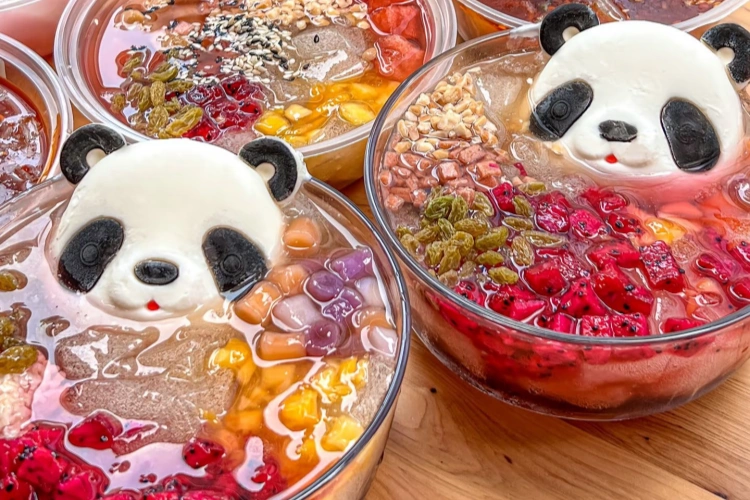
Refined Street Food: Old favorites like Guokui are being reimagined with high-grade Wagyu beef or seasonal truffles.
The “Spice Translator” Movement: With the rise of digital ordering, as noted in our guide on how to order food without Chinese, the city has become more accessible than ever to international foodies.
The Verdict: A City That Feeds the Soul
Is Chengdu China’s best food city? If you measure “best” by the number of flavors, the affordability of world-class meals, and the sheer joy the locals take in every bite, then the answer is an easy yes.
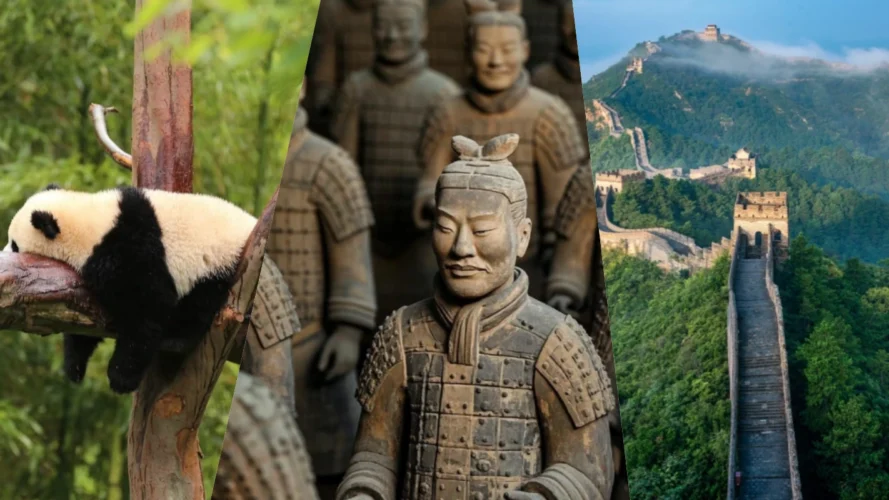
It is a city where you can spend your morning with the bears on a Chengdu panda tour and your evening discovering a flavor you didn’t know existed. It’s a place that respects the “Slow Life” while delivering a high-voltage culinary shock to the system.
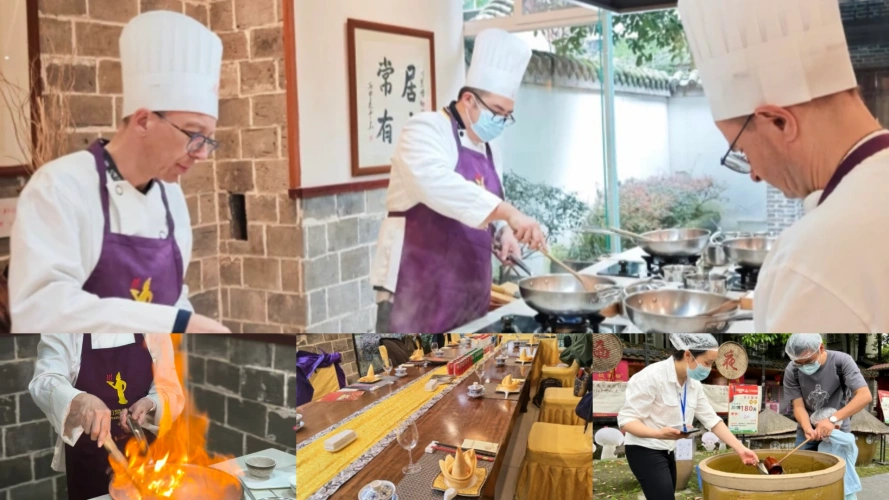
Want to know what food Chengdu is famous for? Ready to taste the champion? Whether you’re looking for a group or private experience, our curated Chengdu food tour is designed to show you exactly why this city holds the crown. Let us take you beyond the red oil and into the heart of the “Land of Abundance.”