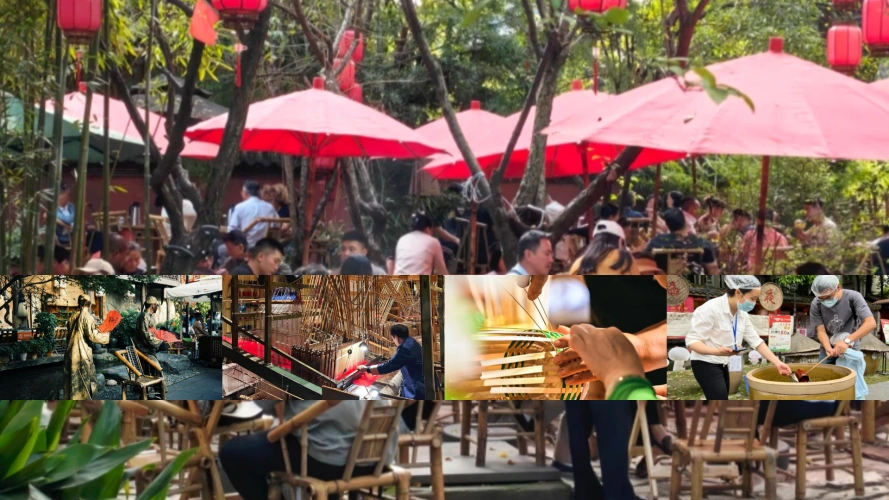
Chengdu isn’t just a destination on a map; it’s a global culinary pilgrimage site. As the first city in Asia to be named a UNESCO City of Gastronomy, Chengdu has spent decades refining a food culture that is both ancient and fiercely experimental.
When travelers ask, “What food is Chengdu famous for?”, the answer usually starts with a warning about spice. But as any local “foodie” will tell you, the heat is just the handshake. The real conversation happens within the 24 flavor profiles of Sichuan cuisine—a complex system where sweetness, acidity, fermentation, and numbing spice perform a delicate dance.
Most visitors find that a guided Chengdu food tour is the only way to truly decode these layers, moving past the tourist traps to find the “soul food” hidden in the city’s backstreets.
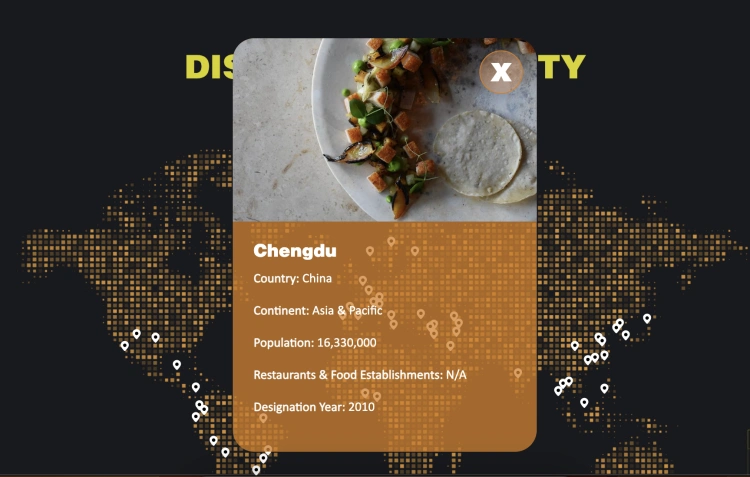
Three Global Icons of Chengdu Food
If you only have 24 hours in the city, these are the non-negotiables. They represent the DNA of Chengdu’s culinary identity.
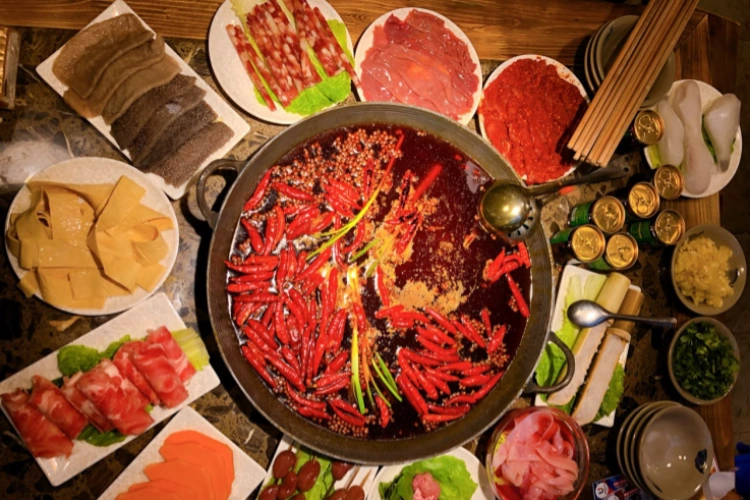
Sichuan Hotpot (Huoguo)
Hotpot is the social soul of the city. Unlike the heavy, beef-tallow intensity found in Chongqing, Chengdu’s version is more fragrant and refined, using rapeseed oil and a sophisticated blend of star anise, cinnamon, and bay leaves.
“Yin-Yang” pots are now the standard for international travelers, allowing you to switch between a numbing-spicy broth and a soothing tomato or mushroom base.
Pro Tip: After your morning Chengdu panda tour, a long, bubbling hotpot lunch is the ultimate way to recharge.
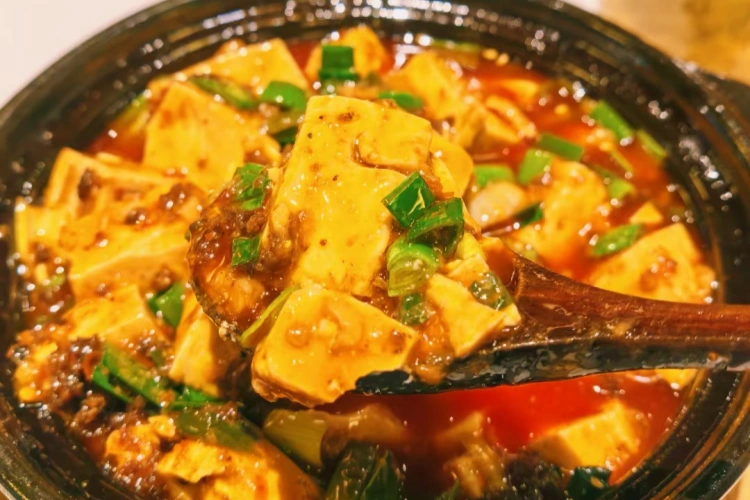
Mapo Tofu
This is the dish that put Sichuan on the map. Authentic Mapo Tofu is defined by the “Eight Elements,” including Ma (numbing) and Tang (piping hot). The legendary Chen Mapo Tofu remains the gold standard, serving the dish in a sizzling stone pot that keeps the fermented bean paste bubbling until the last bite.
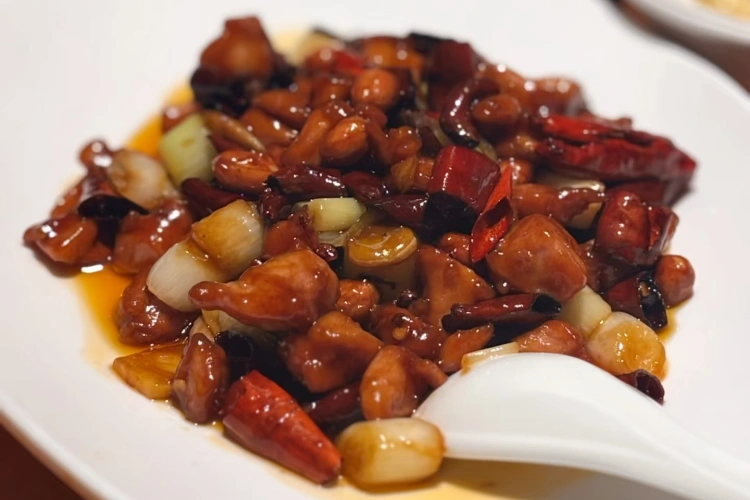
Kung Pao Chicken (Gong Bao Ji Ding)
Forget the sugary versions found abroad. In Chengdu, this is a masterclass in the “Lychee” flavor profile—a delicate, fruity balance of sweet and sour, punctuated by scorched dried chilis and the crunch of freshly fried peanuts.
Chengdu Xiaochi (Snacks) on the Street
In Chengdu, some of the best food isn’t served in a grand hall; it’s eaten while standing on a sidewalk or perched on a plastic stool.
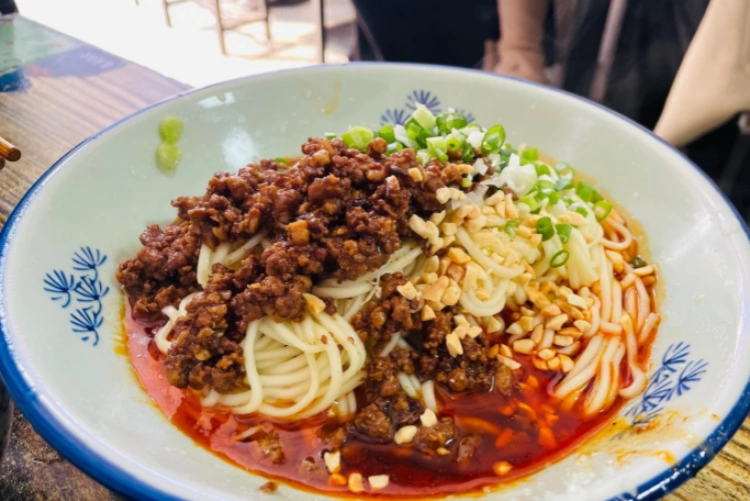
Dan Dan Noodles
The classic street-side fuel. Thin wheat noodles are tossed in a savory mix of minced pork, pickled mustard greens, and red chili oil.
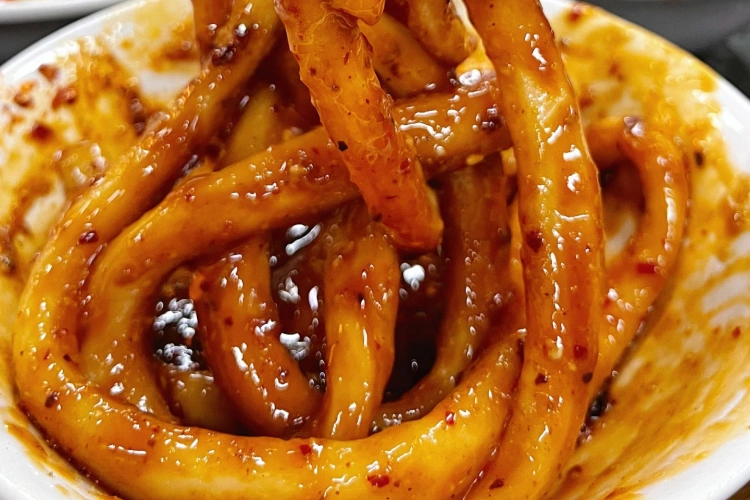
Sweet Water Noodles (Tian Shui Mian)
Thick, chewy, and hand-pulled, these are the “chopstick-thick” noodles that locals crave. The sauce is a unique blend of sweet soy and raw garlic.
Guokui
Think of this as the Sichuanese meat pie. These crispy, flaky pastries are stuffed with spiced beef or pork and baked in a traditional clay oven until they shatter at the first bite.

The “Brave” Delicacies (For the Adventurous)
Chengdu food can get “wild,” but these dishes are cherished local traditions for a reason.
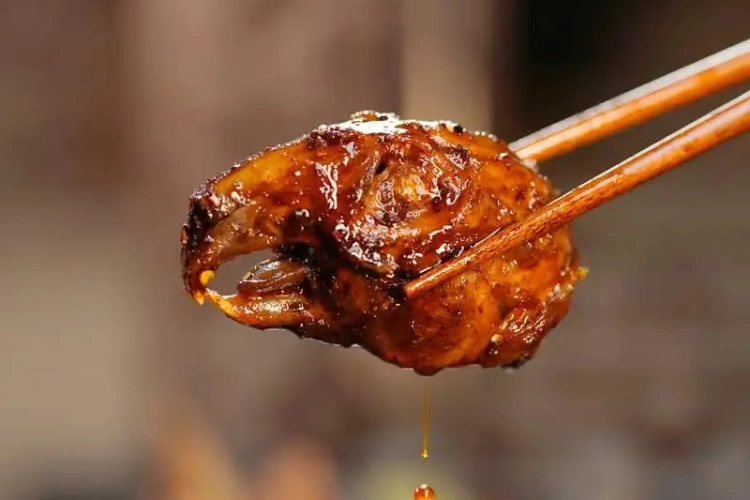
Spicy Rabbit Head
A quintessential Chengdu snack. It’s messy, social, and packed with flavor. If you’re feeling bold, look for the “Second Sister” stalls in local markets.
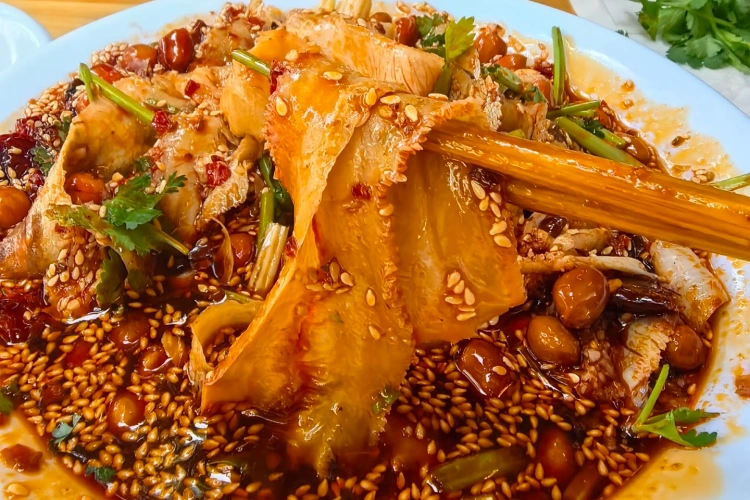
Fuqi Feipian
Translated as “Husband and Wife Lung Slices,” this is a cold dish of thinly sliced beef and offal bathed in a sophisticated, nutty chili oil.
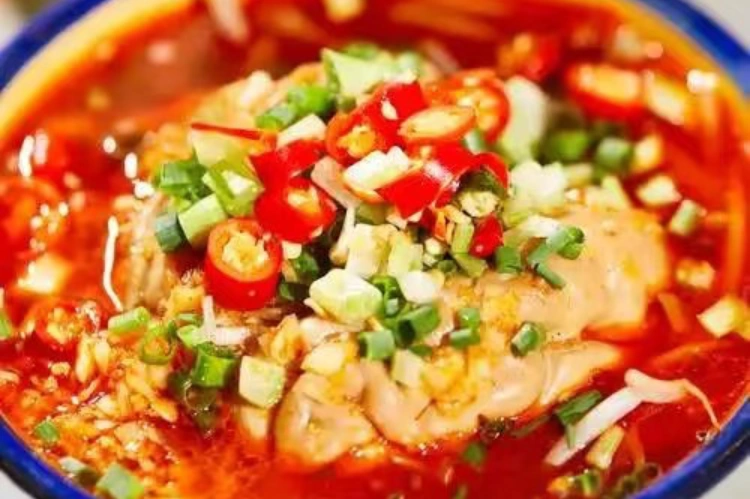
Brain Flower (Nao Hua)
Often grilled in tinfoil with heaps of garlic and chili, pig brain has a creamy, custard-like texture that absorbs the spicy aromatics perfectly.
Non-Spicy Heroes (The “Panda Palate Cleansers”)
It is a common myth that every dish in Chengdu will burn your tongue. In fact, some of the most prestigious “literati” dishes are entirely mild.
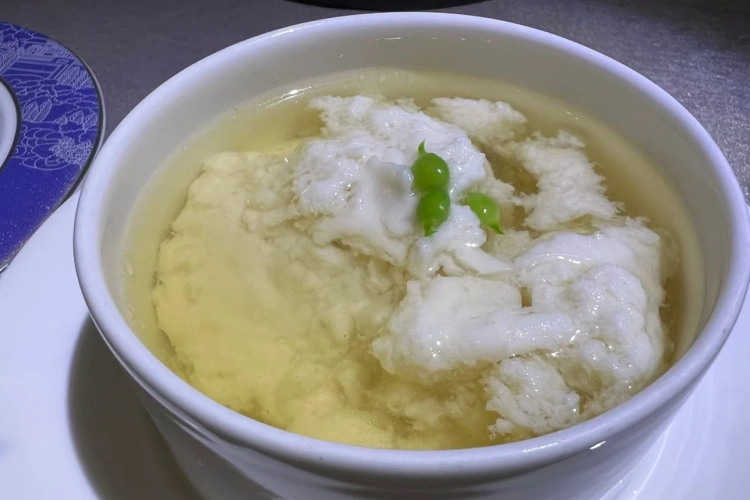
Chicken Tofu Pudding (Ji Douhua)
This is a high-end masterpiece. It looks like soft tofu in a clear broth, but the “tofu” is actually made of finely minced chicken breast and egg whites—a dish of pure, silky elegance.
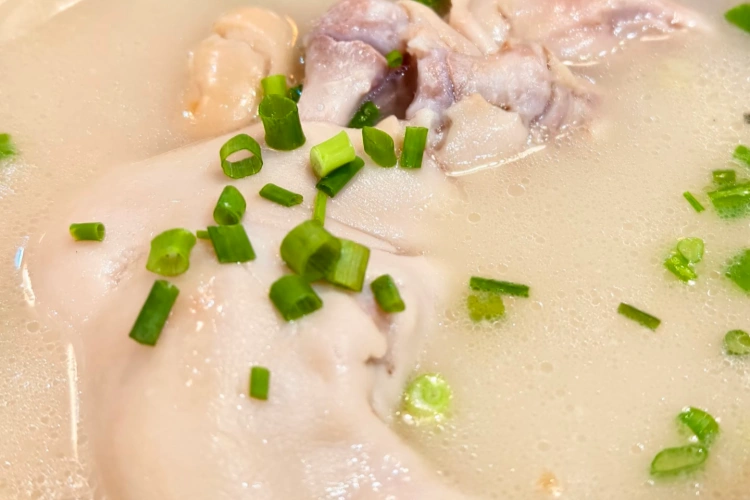
Laomatihua
A comforting, milky-white soup made from slow-braised pig trotters and white beans. It’s the ultimate “comfort food” for those who want to skip the chili for a night.
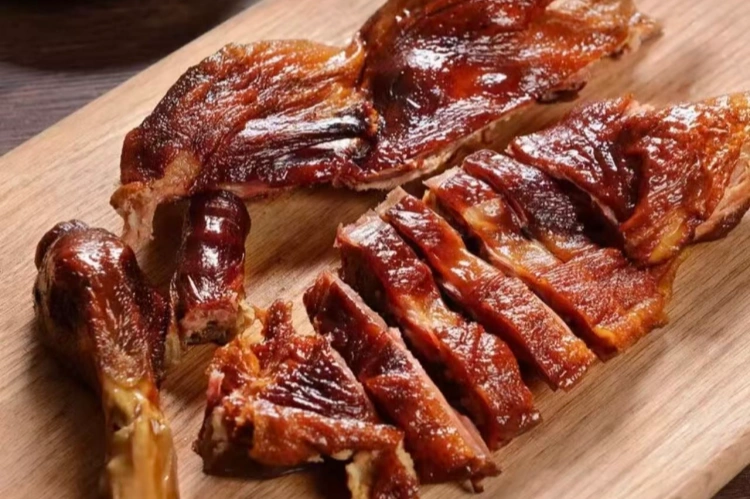
Tea-Smoked Duck
A festive favorite where the duck is marinated, smoked over tea leaves and camphor wood, and then deep-fried to a crisp.
Where to Find These Flavors
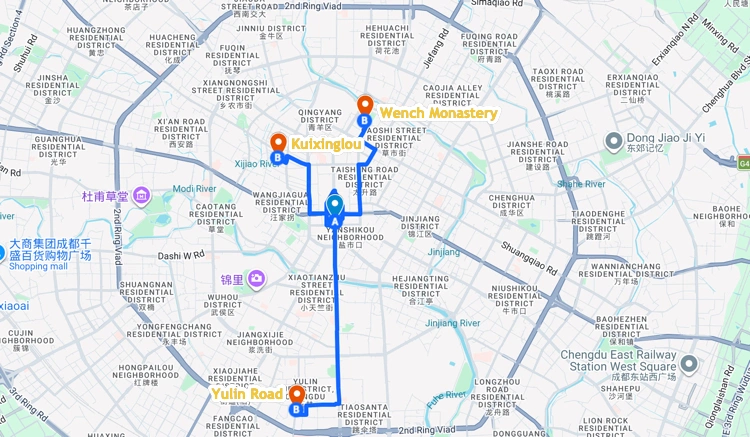
Geography is everything in Chengdu dining. To experience the city like a local, you need to know the best places to eat like the locals.
Yulin (玉林): The undisputed champion of “Fly Restaurants”, tiny, legendary eateries that attract diners like flies.
Wenshu Monastery: The spiritual home of traditional snacks and Buddhist vegetarian buffets.
Kuixinglou Street: The modern “Foodie Mecca” near Kuanzhai Alley, where the city’s newest culinary trends are born.
Practical Tips for Your Chengdu Culinary Journey
Ordering Tech: In 2027, cash is rare. Ensure your Alipay or WeChat Pay is linked to an international card for the seamless “Scan-to-Order” experience.
The “Ma” Factor: If your tongue feels like it’s vibrating, don’t panic! That’s the numbing sensation of the Sichuan peppercorn—a physical experience unique to this region.
Spice Control: When ordering, say “Wei La” for mild spicy or “Bu La” for no spice at all.
Final Thoughts
What Chengdu is truly famous for isn’t just the heat—it’s the harmony. Whether you are eating a 15 RMB bowl of noodles or a Michelin-starred banquet, you are participating in a 2,000-year-old conversation about flavor.
Ready to start your journey? Most travelers find it best to start with a morning Chengdu panda tour to see the city’s icons, followed by an evening Chengdu street food tour to taste the real soul of Sichuan.