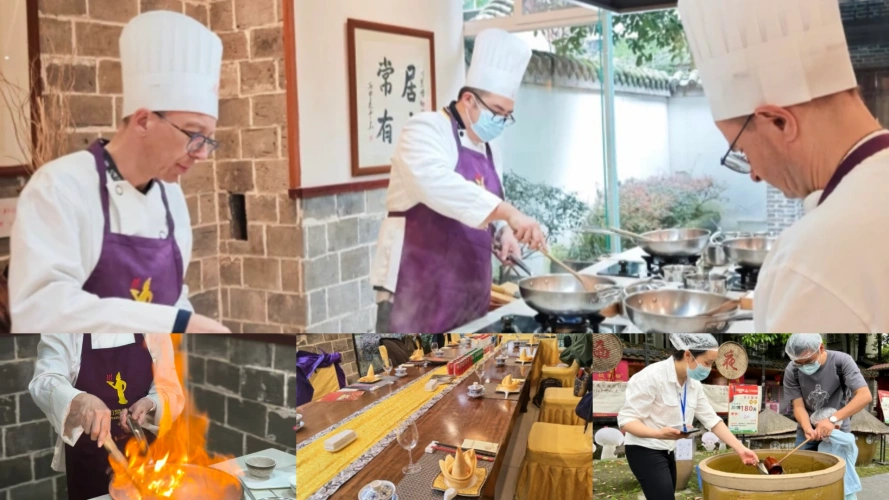
If you are planning a Chengdu food tour, you are about to step into more than just a kitchen; you are entering a living museum of flavor that has evolved over thousands of years. While the world often reduces Sichuan cuisine to the “Ma La” (numbing and spicy) stereotype, local chefs live by a much more sophisticated mantra: “One Dish, One Flavor; a Hundred Dishes, a Hundred Flavors” (百菜百味).
In 2026, as travelers seek deeper “slow travel” experiences, understanding the philosophy behind the plate has become just as important as the taste itself. This guide breaks down the history, geography, and social soul of Sichuan’s culinary identity.
The Three Pillars of Sichuan Flavor
To understand Sichuan food, you must look at the three ingredients that form its holy trinity. In 2026, these are still the markers of quality at any of the best places to eat in Chengdu.
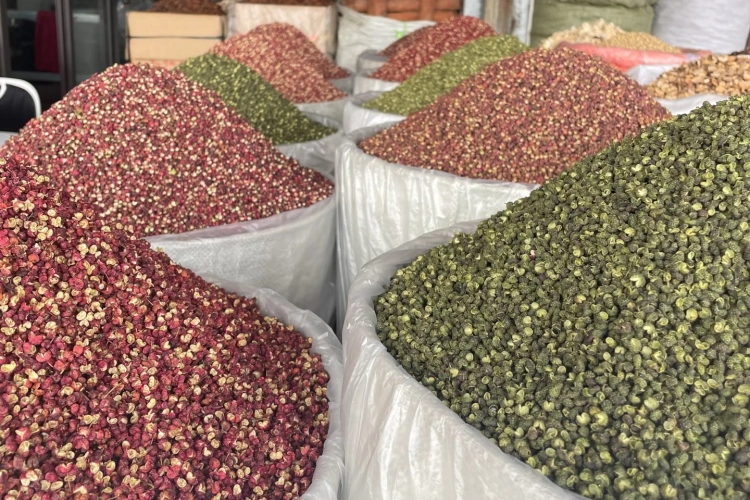
The “Ma” (Numbing): Sichuan Peppercorn
The native Sichuan peppercorn (Huajiao) is not a chili; it’s a berry from the prickly ash tree. Used for over 2,000 years, it produces a tingly, citrusy sensation that vibrates your taste buds at approximately 50 Hertz. Historically, it was used to mask the smell of raw meat and as a medicinal stimulant.
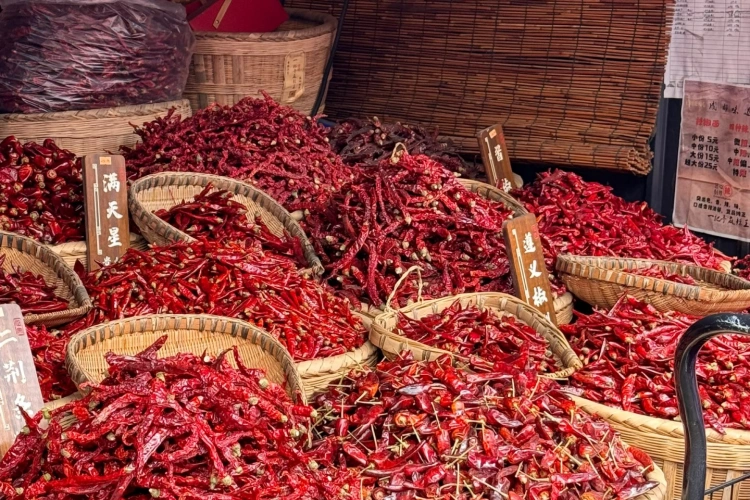
The “La” (Spicy): The Global Traveler
Interestingly, the chili pepper is a relatively new addition. It arrived in China from the Americas via Portuguese and Dutch traders in the late 16th century. It took another hundred years to reach the landlocked Sichuan basin, where it eventually replaced ginger and black pepper as the primary heat source.
The “Soul”: Pixian Doubanjiang
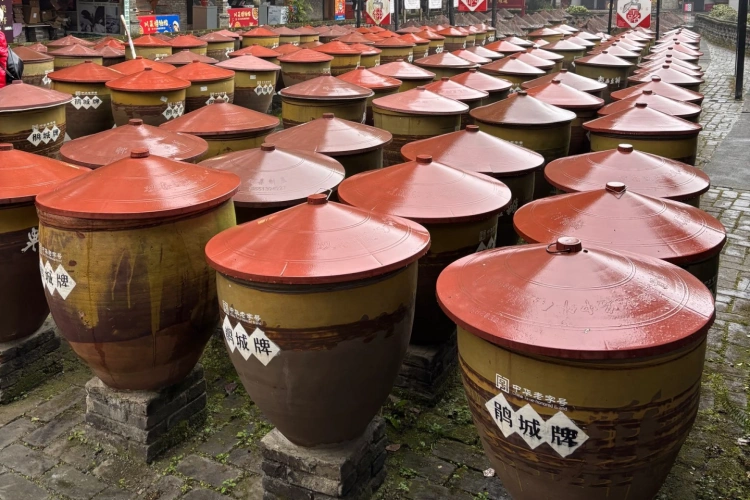
Often called the “Soul of Sichuan Cuisine,” this fermented broad bean chili paste is aged in giant ceramic jars for 1 to 5 years. It provides the deep, umami-rich base for dishes like Mapo Tofu and Twice-Cooked Pork. On a guided Chengdu food tour, ask your guide to show you a dish where the Doubanjiang has been fried until the oil turns a bright, “ruby” red—that is the mark of a master chef.
Decoding the “24 Flavor Profiles”
Most visitors are shocked to learn that nearly one-third of classic Sichuan dishes are not spicy at all. The cuisine is built on 24 distinct flavor profiles. Here are a few you will encounter:
Yu Xiang (Fish Fragrant): Contrary to the name, there is no fish here. It uses the seasonings traditionally used for fish (pickled chilis, ginger, garlic, and vinegar) to create a sweet, sour, and savory profile perfect for eggplant or pork.
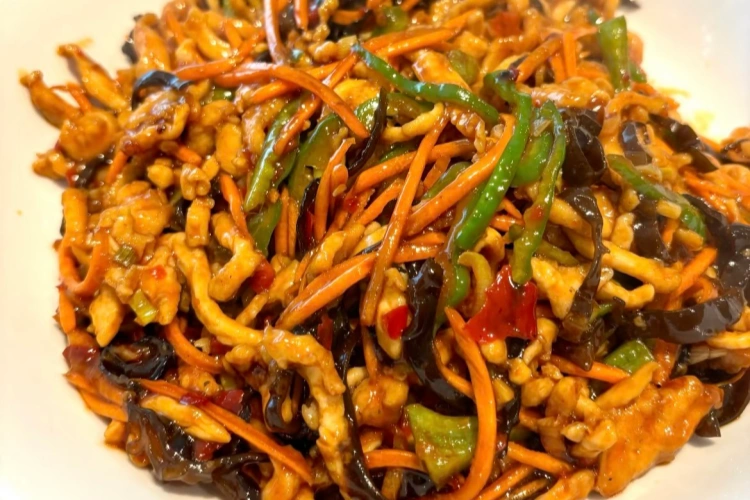
Guai Wei (Strange Flavor): A 2026 cult favorite. It balances salty, sweet, sour, spicy, and numbing in exactly equal measure. You’ll often find it in cold chicken or nut dishes.
Suan Ni (Garlic Paste): A refreshing, aromatic profile found in cold appetizers, which is mildly spicy.
Geography as Destiny: The “Dampness” Theory
Why did this region specifically become the “Capital of Spice”? The answer lies in the geography of the Sichuan Basin.
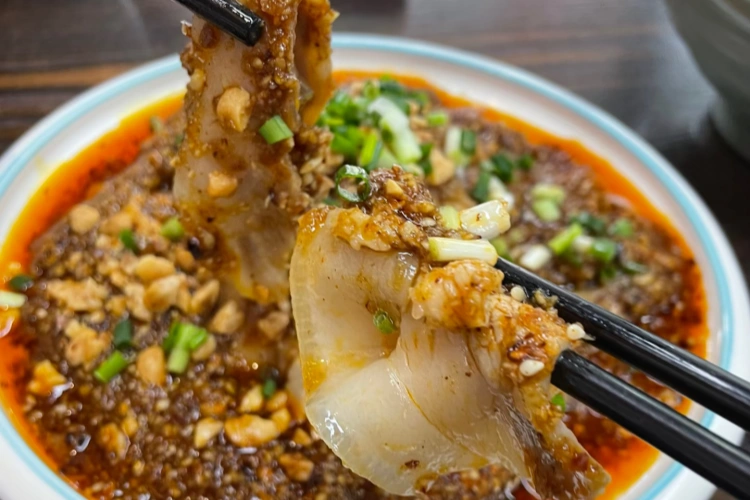
Sichuan is a giant bowl surrounded by mountains, leading to a climate that is notoriously humid, foggy, and damp. According to Traditional Chinese Medicine (TCM), this “dampness” (Shi) can cause lethargy and illness. To maintain balance (Yin and Yang), the Sichuanese eat “hot” (Yang) foods like chilies and peppercorns to induce sweating and expel moisture from the body.
Pro Tip: This is why locals eat spicy hotpot even in the middle of a 35°C (95°F) summer—it’s believed to be the most effective way to cool the body down!

The Philosophy of “Shufu”: Food as Social Glue
In Chengdu, food is inseparable from the concept of Shufu—a word that translates to “comfortable” or “at ease,” but represents an entire lifestyle.
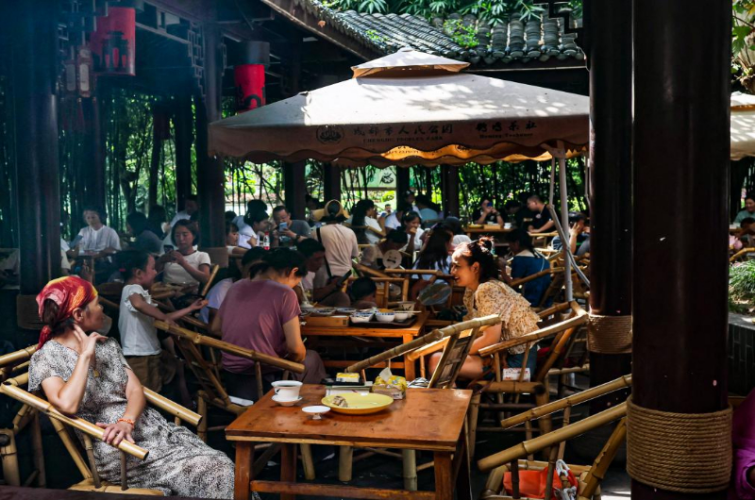
The Teahouse Origins: Many Chengdu street foods originated in teahouses. In the old days, porters and scholars alike would spend hours drinking tea and snacking on small plates (Xiaochi), turning eating into a communal, slow-paced ritual.
Communal Harmony: This is best seen in the Hotpot. Unlike Western dining where everyone has their own plate, hotpot is a shared “cauldron” of brotherhood. Sharing a pot is considered the ultimate sign of friendship and inclusivity.
Cultural Etiquette: How to Eat Like a Local in 2026
If you want to show respect for the culture during your meal, keep these modern 2026 etiquette tips in mind:
The “Elder First” Rule: Always wait for the eldest person at the table to pick up their chopsticks before you start.
Chopstick Taboos: Never stick your chopsticks vertically into a bowl of rice (it looks like incense sticks at a funeral) and never point them at others while talking.
The “Bone Plate”: In Chengdu, it is perfectly acceptable (and expected) to put bones or inedible spices (like the peppercorns) on the small side plate or even directly on the table cloth in some casual “fly restaurants.”
Order of Eating: It’s common to start with cold dishes (Liangcai) before moving to the hot, heavy main courses.
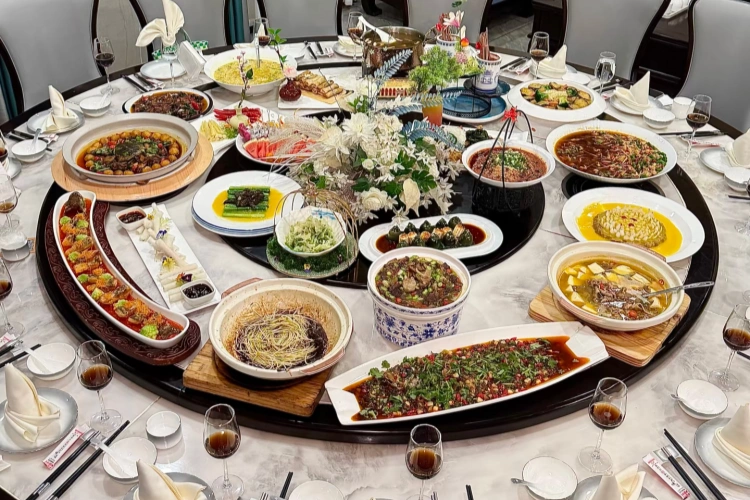
Is a Cultural Deep Dive Worth It?
When you learn that Mapo Tofu was named after a “pock-marked grandma” who cooked for local laborers, or that Kung Pao Chicken traces its name back to a Qing Dynasty governor, Gongbao, the food suddenly tastes better. Whether a Chengdu food tour is worth it comes down to how deeply you want to experience the city—but a guided food tour helps bridge the gap between simply eating and truly understanding.
Final Thoughts: The Soul of the Basin
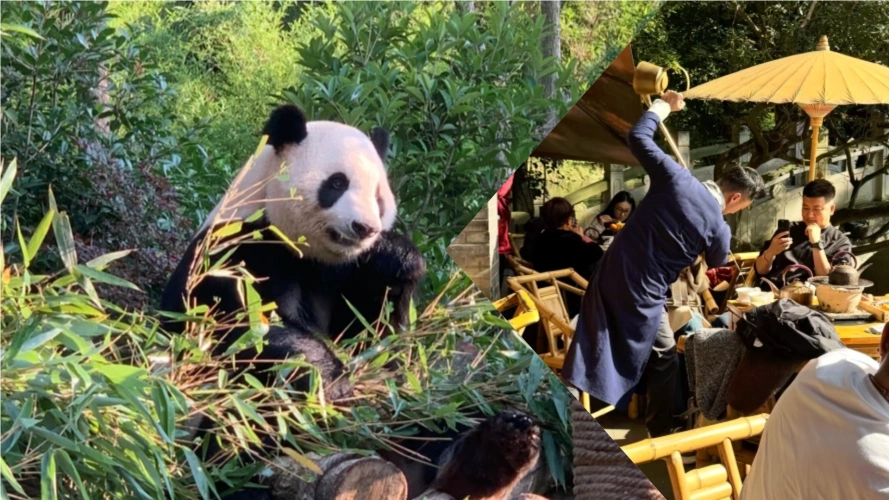
Sichuan food culture is a reflection of its people: resilient, spicy, and incredibly welcoming. Whether you are spending your morning on a Chengdu panda tour or your evening navigating the alleys of Yulin, remember that every bite is a piece of a 2,000-year-old puzzle.
Ready to taste the history? Explore our curated Chengdu food tour options and let us introduce you to the real flavors of the basin.