Traveling in China during Chinese New Year is often described in extremes. Some travelers warn you to avoid it entirely, while others call it the most meaningful time they’ve ever visited. The truth lies somewhere in between. Chinese New Year is not the easiest time to travel in China — but it is without question the most culturally significant. Whether it’s a good idea depends less on logistics and more on what kind of experience you’re looking for.
If your goal is smooth sightseeing, fast transport, and ticking off highlights efficiently, Chinese New Year may test your patience. But if you want to witness China at its most emotional, symbolic, and alive with tradition, this period offers something no other season can replicate.
What Actually Happens in China During Chinese New Year
Chinese New Year, also known as Spring Festival, is the most important holiday in China. It’s a time for family reunions, ancestral traditions, and symbolic renewal. Millions of people travel back to their hometowns, making it the largest annual human migration in the world.
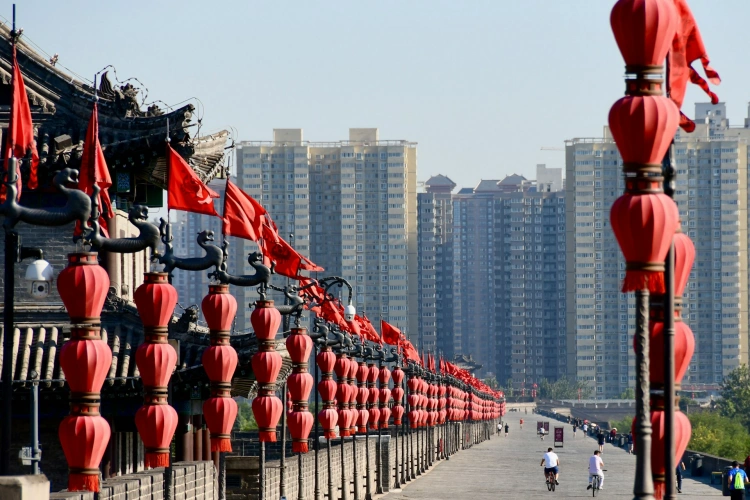
In the days leading up to the New Year, cities begin to change. Red lanterns appear on streets and storefronts. Markets fill with decorations, snacks, and gifts. On New Year’s Eve and New Year’s Day, many small, family-run businesses close as people stay home with relatives. This is often why travelers hear that “China shuts down.”
In reality, China doesn’t close — it shifts. Public transportation continues to run, major tourist attractions remain open, and hotels still operate, especially in large cities. What changes is the rhythm. Streets may feel quieter in business districts, while temples, parks, and historic areas become lively gathering spaces.
Is China Closed During Chinese New Year?
This is one of the most common concerns, and the short answer is no — China is not closed during Chinese New Year.
However, it does function differently. Government offices, banks, and small local shops often close for several days. At the same time, major restaurants, shopping malls, museums, and tourist sites in big cities usually remain open, sometimes with adjusted hours. In fact, many attractions are busiest during this period because domestic travelers are also on holiday.
For foreign visitors, the experience can feel surprisingly manageable in major cities, while smaller towns may feel very quiet. Understanding this contrast is key to planning well.
Can You Travel During Chinese New Year?
Yes, you can travel during Chinese New Year, but it requires more flexibility and realistic expectations. Transportation is busier than usual, particularly trains before the holiday and in the days after. Booking in advance is essential, and spontaneous travel is more difficult than at other times of the year.
That said, once you arrive at your destination, travel often becomes easier. Traffic inside cities can be lighter, and popular landmarks, like Chengdu panda base, are well organized for crowds. Guided travel or thoughtfully planned independent travel can make a big difference during this season.
Is It a Good Time to Travel to China During Chinese New Year?
This is where opinions diverge — and where personal travel style matters most.
Some travelers choose to avoid China during Chinese New Year, and for good reasons. If it’s your first time in the country and you prefer convenience, open local eateries, and a fast-paced itinerary, the holiday period can feel limiting. Language barriers may feel more noticeable when fewer small businesses are open, and transport hubs can be crowded at peak times.
But for travelers who actively want to experience Chinese culture, Chinese New Year can be one of the most rewarding times to visit. The holiday is deeply symbolic, filled with rituals that rarely appear in guidebooks. From temple fairs to family-style banquets, from fireworks to quiet moments of reflection, this is when cultural traditions move from theory into daily life.
Chinese New Year is not a sightseeing season — it’s a cultural season.
Is It Bad Luck or Disrespectful to Travel During Chinese New Year?
Some visitors worry that traveling during Chinese New Year might be considered unlucky or disrespectful. In Chinese culture, many families do avoid travel during this period, prioritizing reunion over tourism. However, this expectation does not apply to foreign visitors.
Travelers are generally welcomed, especially in cities accustomed to tourism. Visiting temples, observing celebrations, and participating respectfully in public festivities is not seen as inappropriate. Simple awareness goes a long way — dressing modestly in temples, avoiding disruptive behavior, and understanding that some places may be closed for family reasons.
Rather than being unlucky, your presence as a traveler is often met with curiosity and warmth.

Big Cities During Chinese New Year: Where Travel Still Works Well
If you’re considering traveling during Chinese New Year, large cities are often the easiest and most rewarding choices.
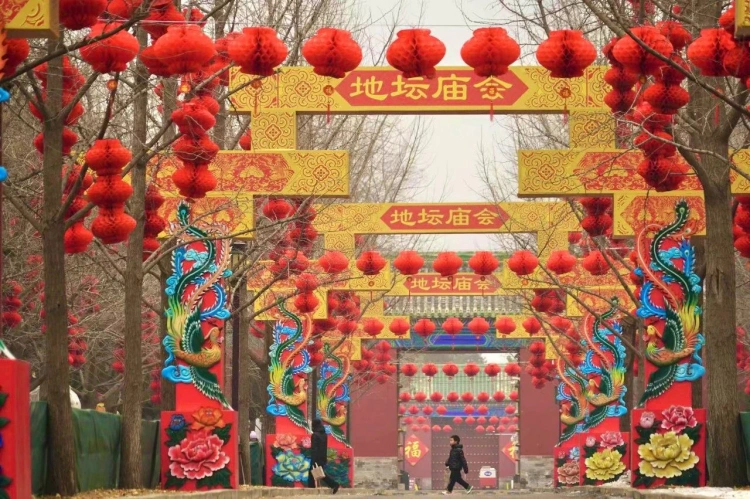
Beijing takes on a ceremonial atmosphere during the holiday. Temple fairs, particularly around places like Ditan and Longtan, become focal points for traditional performances, snacks, and decorations. Major attractions such as the Forbidden City and the Great Wall remain open, though they may be busier than usual.
Shanghai is one of the most comfortable cities to visit during Chinese New Year. While some neighborhoods quiet down, shopping malls, restaurants, and waterfront areas stay lively. The city’s blend of modern convenience and festive decoration makes it especially suitable for first-time visitors during this season.
Chengdu offers a warmer, slower-paced New Year experience. Teahouses, parks, and temples host local celebrations, and the city’s food culture remains active throughout the holiday. It’s a good choice for travelers interested in everyday traditions rather than large-scale spectacle.
In contrast, very small towns or rural areas may feel too quiet unless you’re visiting friends or family locally.
How Travelers Can Experience Chinese New Year Meaningfully
Experiencing Chinese New Year as a traveler isn’t about rushing between headline events. It’s about slowing down and noticing the rhythm of daily life during the most important season of the year. Here are some meaningful ways travelers can experience it:
- Visit temples during the New Year period
Step into local temples to watch families light incense, make quiet wishes, and pray for health and prosperity. Even as an observer, the atmosphere feels deeply reflective and welcoming. - Explore lantern festivals after dark
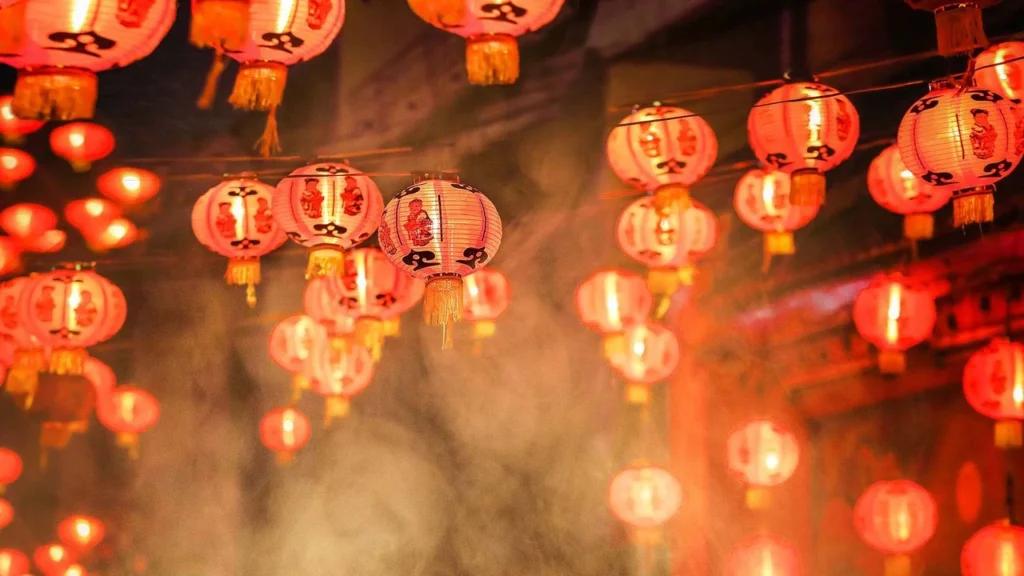
Lantern displays light up parks, riversides, and old streets in many cities. Walking among glowing lanterns at night offers a peaceful, almost magical way to experience the holiday. - Attend traditional temple fairs
Temple fairs combine folk performances, snacks, crafts, and seasonal rituals. They are lively, informal, and open to everyone — a great place to feel the festive energy without needing language skills. - Share seasonal food in local restaurants
Dumplings, noodles, sweet rice balls, and New Year set menus appear everywhere. Eating alongside local families — even in a simple restaurant — is one of the easiest ways to connect with the holiday. - Observe everyday family life
Parks fill with relatives strolling together, children playing, and grandparents chatting. Sitting on a bench and watching these scenes can be more revealing than any planned activity. - Walk through decorated neighborhoods
Red lanterns, couplets, and paper cuttings appear on doors and windows. Wandering residential areas gives travelers a quieter, more authentic look at how people celebrate at home. - Join public cultural performances
Dragon dances, lion dances, and seasonal shows are often staged in open squares and tourist areas. They are free, energetic, and designed to be shared with the wider community.
Even without speaking Chinese, travelers can feel the emotional tone of Chinese New Year — reflective yet hopeful, intimate yet communal. It’s a time when China feels slower, warmer, and deeply human, making it a surprisingly meaningful moment to visit.
When Not to Travel to China — Including 2026
Chinese New Year is not the only time travelers should consider carefully. The days immediately before New Year’s Eve and the peak return days afterward are the busiest for transportation. If you plan to travel during Chinese New Year 2026, avoiding those peak transit days can significantly improve your experience.
Compared with other peak periods like National Day Golden Week, Chinese New Year is actually more culturally rich, even if it’s logistically complex.
Chinese New Year vs. the Best Time to Visit China
If the “best time” to visit China is defined purely by weather and convenience, spring and autumn usually win. But if the best time is defined by cultural depth and emotional atmosphere, Chinese New Year stands apart.
It is not a perfect travel season — but it is a meaningful one.
So, Is Chinese New Year Worth Experiencing?
Chinese New Year is not for everyone, and that’s okay. Some travelers may prefer to avoid it, and for practical reasons, that choice makes sense. But for those who want to understand China beyond landmarks — to feel its traditions rather than just observe them — Chinese New Year offers something rare.
It is a special time, deeply rooted in culture, memory, and identity. If you approach it with curiosity, patience, and respect, traveling in China during Chinese New Year can be not just worthwhile, but unforgettable.