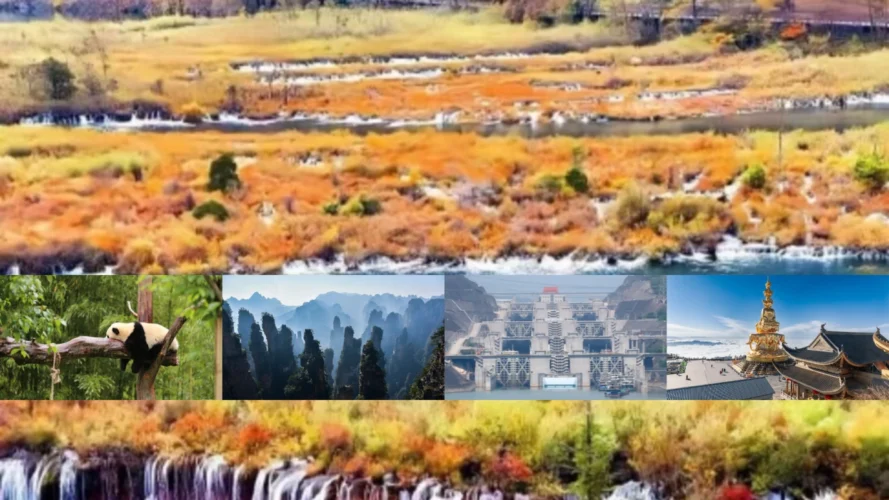
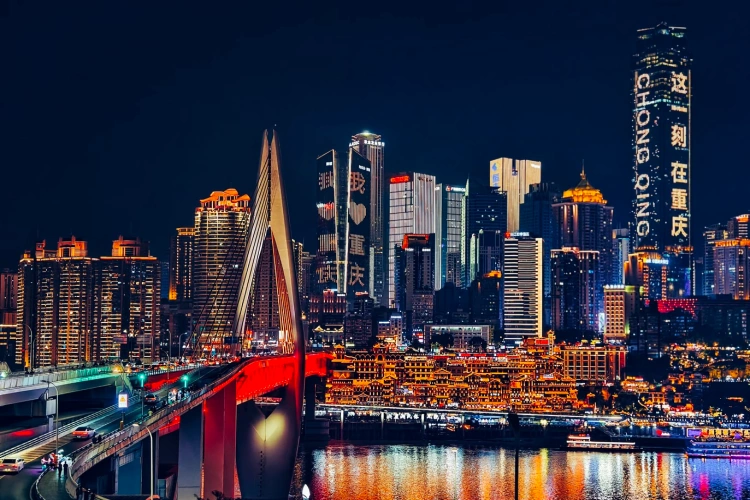
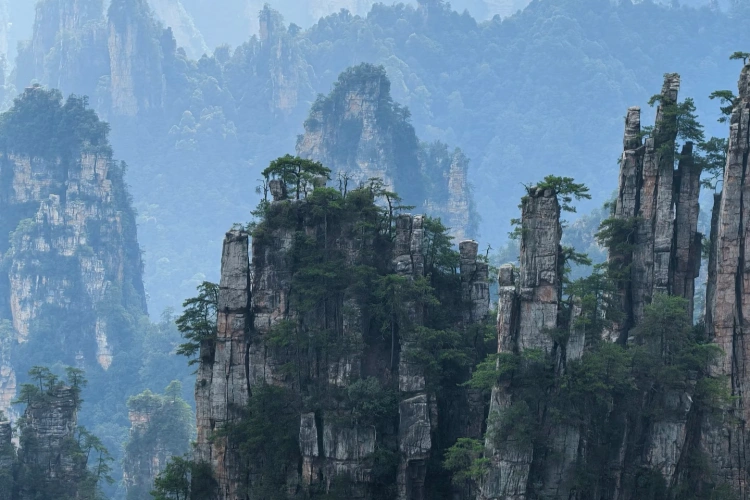
For years, the journey from the teahouses of Chengdu to the gravity-defying pillars of Zhangjiajie was a traveler’s test of endurance. It required either an indirect, overpriced flight or a convoluted 10-to-12-hour overland odyssey that involved transferring through Chongqing or Changsha. Combining the “Panda Capital” with the “Avatar Mountains” in a single week-long itinerary was a logistical puzzle.
In 2026, the map has been redrawn. With the maturation of the Chengdu-Chongqing-Hunan high-speed rail corridor, this route has officially become a “half-day journey.”
Whether you are looking for the fastest “door-to-door” option or the most budget-friendly scenic route, this comprehensive guide breaks down exactly how to get from Chengdu to Zhangjiajie using the optimized transport network in China.
Chengdu to Zhangjiajie Distance & Travel Overview
Before diving into the specifics, let’s get a glance at the distance and transportation options between Chengdu and Zhangjiajie.
| Transport | Time | Ease | Cost | Best Choice For |
|---|---|---|---|---|
| Flight | 1.5–2 hrs | Very Easy | Medium–High | Most travelers |
| Train | 5–7+ hrs | Moderate | Medium | Budget travel |
| Private Tour | Flexible | Very Easy | High | Comfort & customization |
The 2026 Verdict:
For 90% of travelers, the High-Speed Train is the superior option in 2026. While the flight is faster in the air, the massive commute to Chengdu’s Tianfu (TFU) airport (60-90 minutes) and the mandatory 2-hour check-in cushion negate its speed advantage. The train delivers you from city center to city center, landing you closer to the actual Wulingyuan scenic area than the airport does.
Best Ways to Get from Chengdu to Zhangjiajie
Now let’s compare each option based on speed, comfort, and practicality.
Option 1: High-Speed Bullet Train (Top Pick)
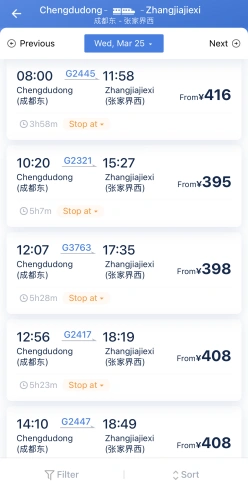
Since June, 2025, the introduction of direct “G-series” (350 km/h) bullet trains has revolutionized this corridor. Now travelers can get from Chengdu to Zhangjiajie by direct high-speed train. There are approximately 7 to 9 daily services, ensuring you can leave Chengdu in the morning and be hiking the Golden Whip Stream before sunset.
The Route & Stations
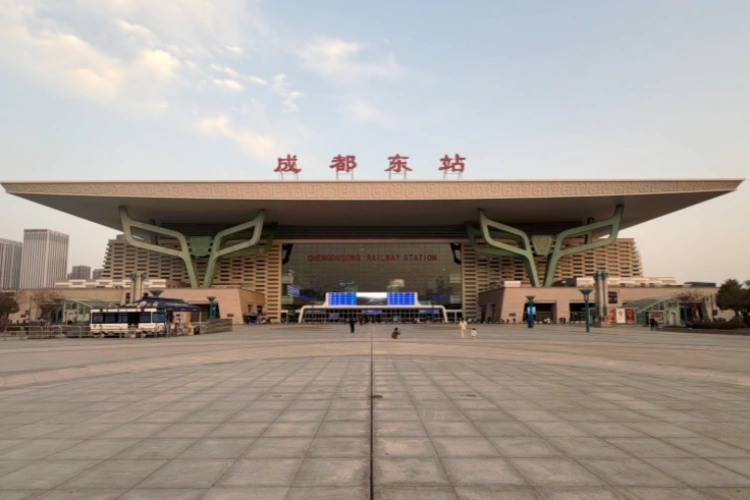
Departure: Nearly all high-speed services depart from Chengdu East Railway Station (Chengdu Dong). This is a massive hub easily accessible via Chengdu Metro Line 2 and Line 7.
Arrival: You will arrive at Zhangjiajie West Railway Station (Zhangjiajie Xi).
NOTE: This station is significantly closer to the Wulingyuan East Gate (the main entry point for the “Avatar” peaks) than the older Zhangjiajie (Main) station or the airport. A taxi or direct tourist bus from Zhangjiajie West will get you to your Wulingyuan hotel in just 30–40 minutes.
2026 HSR Schedule Highlights
While schedules adjust seasonally, the 2026 core timetable has standardized around these “G” trains:
The “Morning Express” (G-Train): Typically departs around 8:00 AM. This is the prime tourist train, arriving at Zhangjiajie West by 12:00 PM. You have the entire afternoon to check into your hotel and explore Tianmen Mountain (accessible from the city center) or the 72 Wonder Tower.
Mid-Morning to Early Afternoon Trains: There are around 6 additional high-speed trains departing between 9:30 AM and 2:40 PM, with a travel time of 4–5 hours. Ticket prices are usually around 400 RMB (~$55–60 USD).
These options still allow you to arrive in Zhangjiajie on the same day, making them a flexible choice.
Afternoon Departure (After Panda Visit): If you plan to visit the Chengdu Panda Base in the morning, you can take a train departing around 2:30 PM, arriving in Zhangjiajie in the evening.
How to Book Your Train Ticket (Must-Read)
In 2026, China’s rail ticketing system is strictly real-name registration and digital-only.
Where to Book: Use the official 12306.cn app or international platforms like Trip.com. International cards (Visa/Mastercard) are widely accepted on both in 2026.
The Booking Window: Tickets are released exactly 15 days before departure at a specific time (usually 11:30 AM or 3:30 PM for Chengdu East departures).
HSR Tip: During peak seasons (especially July, August, and October), the direct G-trains (4-hour) often sell out within the first 10 minutes of release. Be ready to book 15 days out.
The Passport is Your Ticket: There are no paper tickets. You swipe your passport at the automated turnstiles at both Chengdu East and Zhangjiajie West.
Option 2: Chengdu-Zhangjiajie Flights
While the train is the logical pick for most, flying remains an excellent alternative if you are prioritized for absolute “pure” speed, if the train is sold out, or if you are connecting from an international flight at TFU.
Till now, nearly all domestic flights have shifted from the older Shuangliu (CTU) airport to the massive, new Chengdu Tianfu International Airport (TFU).
The Distance: TFU is 65 km (40 miles) southeast of central Chengdu.
Getting There: Metro Line 18 is the fastest way, connecting Chengdu South Station to TFU in about 30 minutes (Express) or 55 minutes (Local). A taxi will take 70–100+ minutes, depending on traffic, and cost approximately 180 RMB (~US$26).
Logistics Check: If your flight is at 10:00 AM, you must leave central Chengdu by 7:00 AM to allow for the metro commute and the 2-hour check-in. This is why flying isn’t always “faster.”
The Zhangjiajie Arrival: You will land at Zhangjiajie Hehua International Airport (DYG).
The Location: DYG is very close to the city center, only 15 minutes by taxi. It is convenient if your hotel is downtown (for Tianmen Mountain access), but it is about a 60-minute drive from the Wulingyuan scenic area.
Chengdu-Zhangjiajie Airlines
Sichuan Airlines: The dominant local carrier with the most consistent direct flights.
Air China: Offers daily direct services, often as an evening flight.
Air Travel Advice (2026)
The Summer Delay: The DYG airport faces weather-related delays during the foggy summer monsoon (June-August). High-speed trains are far more punctual during adverse weather.
Read more: Chengdu to Zhangjiajie Train vs. Flight: Which is Better?

Option 3: The Chongqing Transfer (For the Explorer)
If the direct Chengdu-Zhangjiajie G-trains are sold out, don’t panic. The high-speed network makes transferring through Chongqing an efficient and appetizing alternative.
The Logic of the Chongqing Loop
- Chengdu East ➔ Chongqing: Catch one of the dozens of daily high-speed trains that connect Chengdu and Chongqing in just 1 hour to 1.5 hours. These leave every 15–30 minutes in 2026.
- Chongqing ➔ Zhangjiajie West: Take one of the multiple direct trains from Chongqing to Zhangjiajie West (approx. 3 hours).
Why it Works in 2026
The total travel time (including transfer) is now about 6 to 7 hours. For travelers who want to “break up the journey,” this option is perfect. You can leave Chengdu at 11:00 AM, have a classic spicy Chongqing Hotpot lunch near Chongqing station, and catch the train to Zhangjiajie, arriving in time for a late check-in.
Travel Tips for Chengdu-Zhangjiajie Journey
Luggage Limits: The high-speed rail limit is officially 20kg per person, but in practice, they are lenient as long as you can carry it. The overhead racks in the G-trains are spacious, but if you have giant suitcases, head to the luggage area near the doors immediately upon boarding.
Flight: 20kg for checked luggage (economy) is standard, but some budget-end Sichuan Airlines tickets may exclude checked bags. Always verify.
Connectivity: The direct G-train route is heavily tunneled as it passes through the mountain ranges dividing Sichuan, Chongqing, and Hunan. While 5G is available on the train, expect signal dropouts in the tunnels.
The “Reverse” Trip: Traveling from Zhangjiajie to Chengdu follows the same logistics. Zhangjiajie West is your departure point. The morning G-trains (7:30 AM departure) are again the most popular for a 12:35 PM Chengdu arrival.
Final Verdict: Efficiency Meets Experience
The transport landscape has officially closed the gap between Sichuan and Hunan. While flying remains an option, it is no longer the fastest way. Instead, more travelers choose the fast and comfortable high-speed trains.
Ready to Make the Leap from Pandas to Pillars?
Whether you need a seat-by-seat guide for the high-speed rail or a “Quiet” itinerary that dodges the peak crowds in Wulingyuan, we’re here to help you bridge the gap between China’s most iconic landscapes. Just send us a message, we’ll handle the rest.