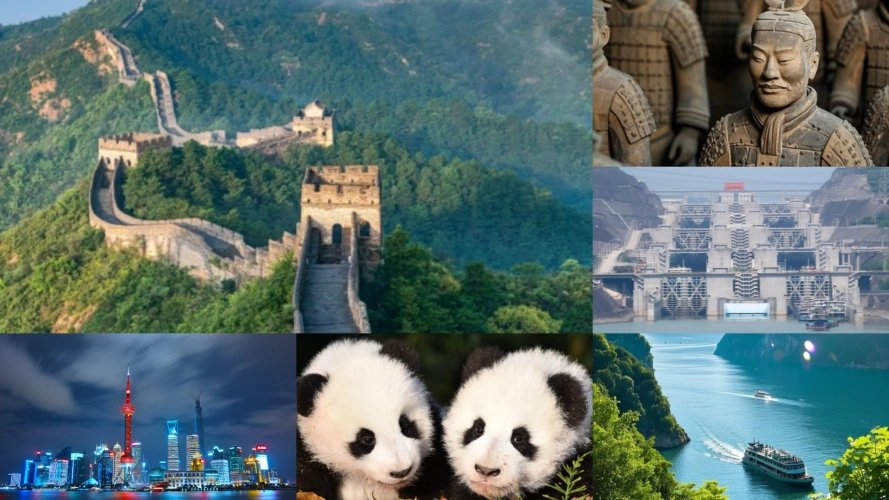
For decades, travelers to Western China had to make a difficult choice: the urban culture of Chengdu, the vertical neon chaos of Chongqing, or the ethereal blue waters of Jiuzhaigou. Combining them used to mean grueling 10-hour bus rides or expensive, weather-dependent regional flights.
But now the logistics have changed. Thanks to the full integration of the Sichuan-Qinghai High-Speed Railway, this “Golden Triangle” is now one of the most efficient and spectacular loops in Asia.
Here is how to combine Chengdu, Chongqing, and Jiuzhaigou in one trip without ruining the experience.
Is It Practical to Combine Chengdu, Chongqing & Jiuzhaigou?
Surprisingly, yes.
In fact, based on the inquiries from our agency, this route has become one of the strongest first-time China itineraries. The reason is that the three destinations complement each other so well.
Chengdu: Slow, Comfortable, Cultural
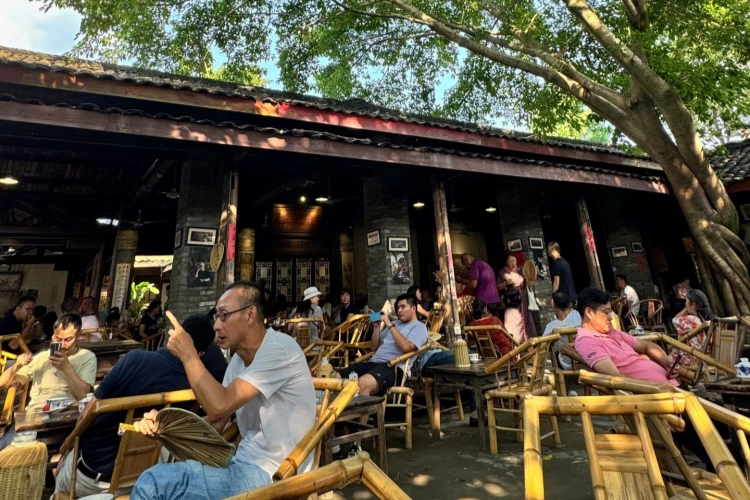
Chengdu feels relaxed in a way many Chinese megacities do not.
People spend afternoons in tea houses. Locals play mahjong in parks. Chengdu food culture is legendary. Even the city pace feels softer.
For many travelers, Chengdu becomes the “breathing space” of the trip.
Chongqing: Intense, Futuristic, Addictive
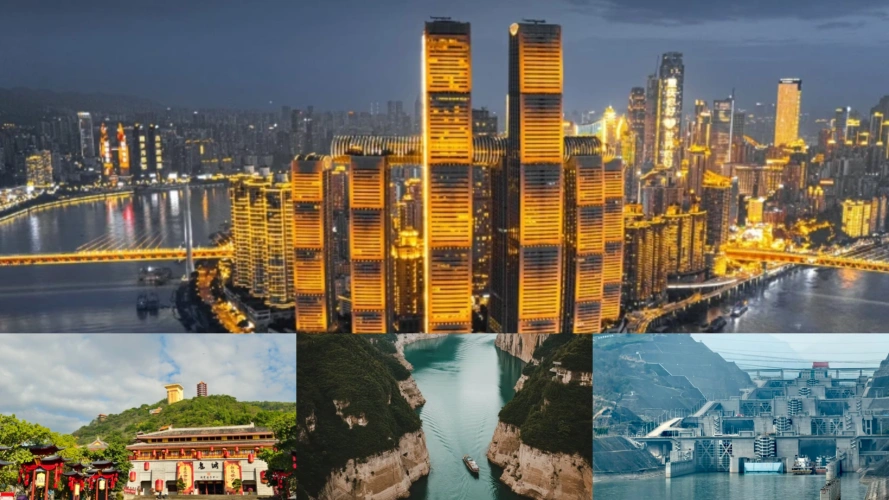
Then Chongqing hits you with the complete opposite energy.
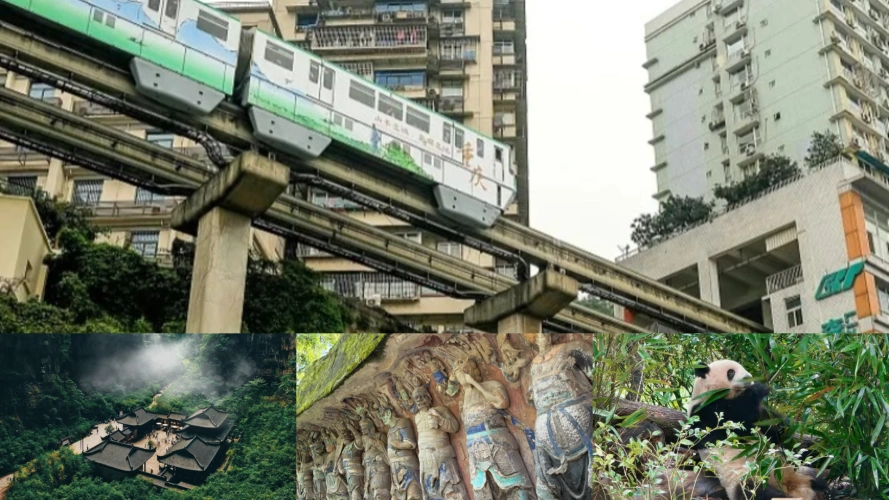
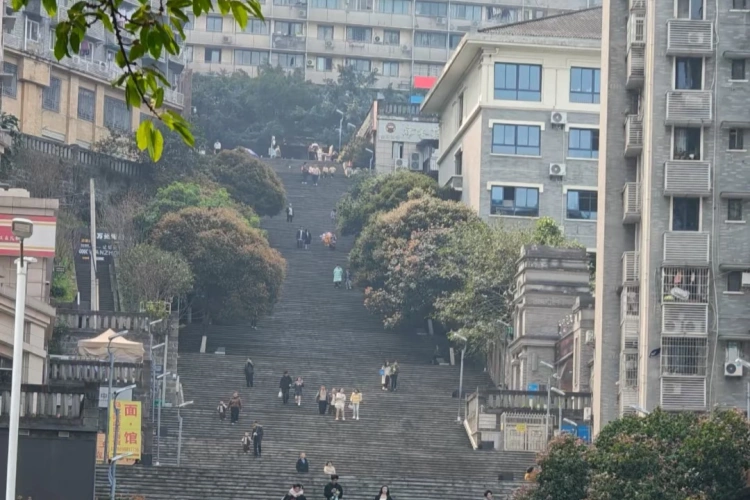
Massive bridges. Monorails through buildings. Endless staircases. Foggy skyscrapers. Hotpot restaurants open late into the night.
It feels cinematic and chaotic in the best possible way.
A lot of travelers now describe Chongqing as the most visually unforgettable city in China.
Jiuzhaigou Valley National Park: Nature That Feels Unreal
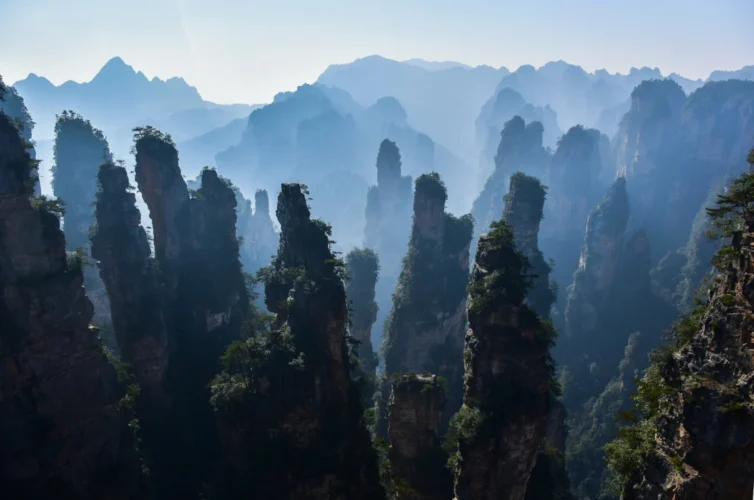
And then suddenly, after the giant cities, you arrive in Jiuzhaigou.
The contrast is dramatic.
Crystal lakes. Snow mountains. Waterfalls. Forest valleys. Quiet wooden walkways.
It almost feels like a different country entirely.

That contrast is exactly why this itinerary works so well emotionally. You are not seeing three similar places; you are seeing three completely different versions of western China.
Chengdu-Jiuzhaigou and Chengdu-Chongqing Transportation
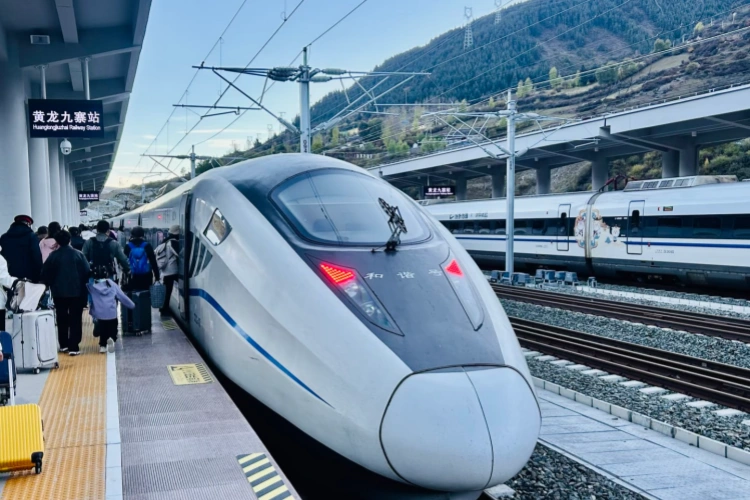
Since the Sichuan-Qinghai high-speed railway began operating in late August, 2024, the era of “Jiuzhaigou is too far” is officially over.
Chengdu ↔ Jiuzhaigou
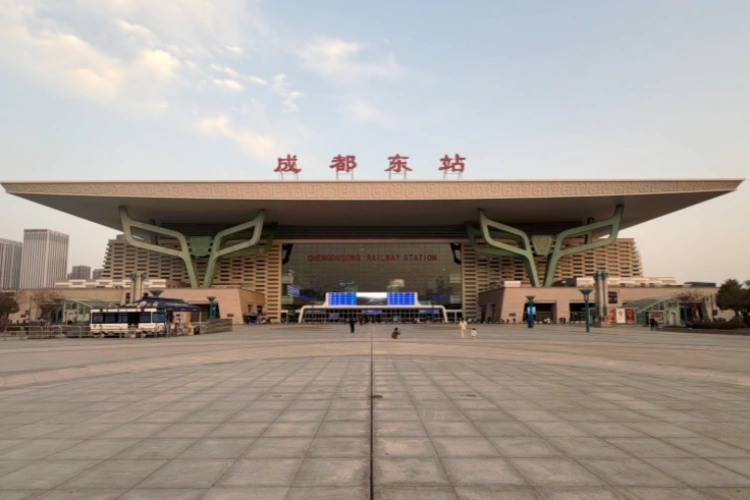
The high-speed train from Chengdu East Railway Station to Huanglongjiuzhai Station now takes roughly 1 hour and 50 minutes. From the station, it’s a 1.5-hour shuttle or taxi to the park entrance.
Read More: Chengdu to Jiuzhaigou High-Speed Train Guide
Chengdu ↔ Chongqing
These “twin cities” are connected by dozens of daily high-speed trains. The fastest “G” series takes only 62 minutes.
Can You Travel Directly Between Chongqing and Jiuzhaigou?
Not recommended.
For most travelers, Chengdu remains the better hub for organizing Jiuzhaigou and western China transportation.
Recommended Route
The most logical flow is Chongqing ➔ Chengdu ➔ Jiuzhaigou or Chengdu ➔ Jiuzhaigou ➔ Chongqing, depending on your arrival and departure city.
How Many Days Do You Really Need?
This is where many itineraries fail.
People underestimate both the size of western China and the tiring nature of constant travel.
Here is the realistic breakdown.
6 Days: Possible, But Fast
You can technically do:
- 2 days Chengdu
- 1–2 days Chongqing
- 2 days Jiuzhaigou
But it will feel rushed.
For most travelers, this is the minimum workable itinerary, not the ideal one.
7–10 Days: The Sweet Spot
This is where the trip becomes genuinely enjoyable.
You have enough time to experience Chengdu beyond the pandas, enjoy Chongqing at night instead of rushing through it, and then spend 2 nights around Jiuzhaigou.
Honestly, if your schedule allows it, this is the version worth doing.
2 Weeks or More: Extend to More Sichuan and China
In addition to pandas and waterfalls, there are still many landscapes in Sichuan, not to mention China.
You are recommended to visit:
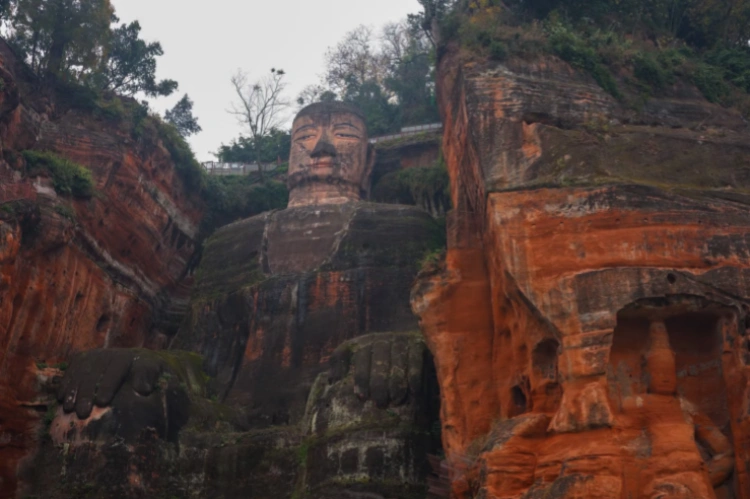
- Leshan Giant Buddha
- Mount Emei
- Dujiangyan Irrigation System
- Western Sichuan grasslands
- Tibetan culture areas in Aba Prefecture
And go beyond Sichuan:
and so on.
At that point, the trip becomes less of a “China highlights route” and more of a deeper China culture and nature journey.
A Realistic 7-Day Chengdu Chongqing Jiuzhaigou Itinerary
If you have a week, you can see the best of all three without feeling like you’re on a forced march.
Days 1–2: The Urban Pulse of Chengdu
Start in the “Land of Abundance.” Spend your first morning at the Chengdu Research Base of Giant Panda Breeding.
QuietRoutes Tip: Arrive by 7:30 AM. By 10:00 AM, the pandas fall into a “bamboo coma” and sleep for the rest of the day.
Spend your afternoons sipping jasmine tea at People’s Park or Wenshu Monastery to experience man shenghuo (the slow life), and hit Jinli Street at night for your first taste of authentic Mapo Tofu.
Days 3–5: Jiuzhaigou & Huanglong
Hop on the morning HSR to the mountains.
Day 3: Take the train, check into your hotel near the Jiuzhaigou park entrance, and adjust to the altitude (approx. 2,000m).
Day 4: A full day in Jiuzhaigou Valley. Use the park’s internal shuttle system to navigate the “Y” shape. Prioritize Five Flower Lake and the Nuorilang Waterfall.
Day 5: Visit Huanglong National Park on your way back to the train station. The travertine pools sit at over 3,500m, so take the cableway up and walk down to save your lungs.
Days 6–7: Cyberpunk Chongqing
Take the train back through Chengdu and straight into the “Mountain City.” Chongqing is a 3D maze.
The “Must-See”: The Liziba Station, where the monorail famously glides through a 19-story residential building.
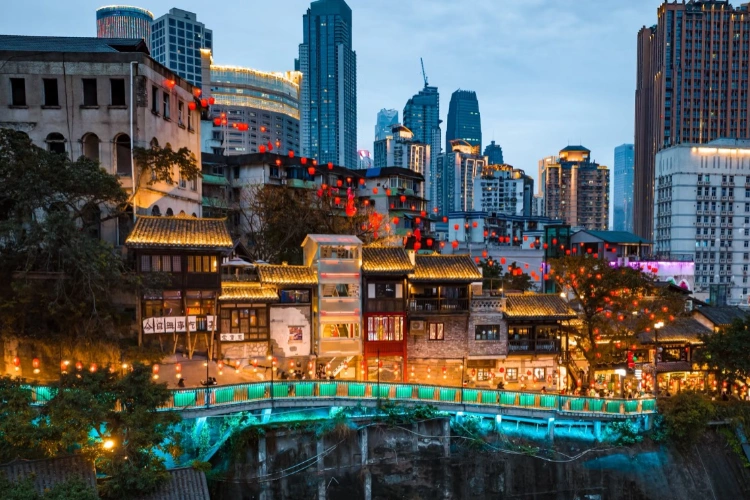
The Night View: Visit Hongya Cave. While it’s touristy, the stilted wooden buildings glowing against the backdrop of modern skyscrapers are a sight you won’t find anywhere else on earth.
The Finale: A hotpot dinner in a renovated air-raid shelter.
Or extended Chengdu Chongqing Jiuzhaigou route
When to Visit the Three Destinations
| Season | Experience | Crowd Level |
|---|---|---|
| Autumn (Oct–Nov) | Peak. The forests turn gold and red. The water looks impossibly blue. | Very High. Book 1 month in advance. |
| Spring (Apr–June) | Green hills and melting snow. Great for pandas (active weather). | Moderate. |
| Winter (Dec–Feb) | Blue ice and frozen waterfalls. Much cheaper. | Low. |
| Summer (Jul-Aug) | Chengdu and Chongqing are very hot. Nightlife is vibrant. | Moderate. |
Common Mistakes Travelers Make
1. Trying to Visit Jiuzhaigou as a Day Trip
This almost always becomes exhausting.
Even with improved transportation, Jiuzhaigou deserves at least one overnight stay nearby.
2. Spending No Night in Chongqing
A huge mistake.
Chongqing is a night city.
If you arrive late and leave early the next morning, you barely experience its atmosphere.
3. Underestimating Altitude
Jiuzhaigou is about 2,000 meters above sea level. Though not Tibet-level altitude, some travelers still feel mild discomfort.
So, move slowly during your first evening there.
4. Overpacking Every Day
China transportation is efficient, but it still takes energy.
Trying to squeeze pandas, hotpot, trains, viewpoints, nightlife, and mountain parks into every single day eventually becomes tiring.
Leave breathing room.
Don’t Miss: A Tale of Two Spices
If you come to Chengdu and Chongqing, don’t miss the food.
Don’t let anyone tell you the food is the same.
Chengdu food is Ma La (numbing-spicy) but leans into complexity and fragrance. It’s “polite” heat.
Chongqing food is aggressive. The hotpot uses heavy beef tallow and a mountain of chilies. It’s “rowdy” heat.
Try yourself.
Final Verdict
Visiting Chengdu, Chongqing, and Jiuzhaigou in one trip is no longer a logistical nightmare. It’s a world-class travel loop. If you have 7-8 days and a healthy appetite for spice and scenery, there is no better itinerary in China right now.