Overview
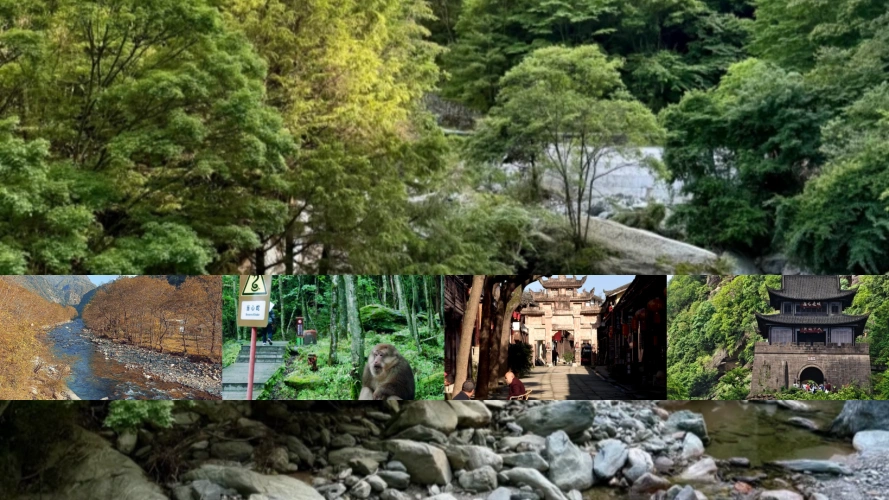
Tangjiahe Nature Reserve, in northern Sichuan, is one of the region’s most rewarding destinations for wildlife and nature experiences. Covering a large area of forests and mountains, the reserve provides habitat for golden takins, golden snub-nosed monkeys, black bears, serows, muntjac and many species of birds.
Unlike Sichuan’s more famous panda destinations, Tangjiahe is particularly well suited to travelers who want to combine hiking with genuine wildlife observation rather than simply visiting a scenic viewpoint.
Why Visit Tangjiahe National Nature Reserve
Tangjiahe offers the opportunity to experience Sichuan’s wildlife, including a wider variety of mammals and birds, in a relatively quiet and natural setting. Its combination of wildlife, mountain scenery and hiking makes the experience more active and immersive than a typical sightseeing attraction.
Fast Facts
- Province: Sichuan
- Area: 400 km²
- Elevation: ~1,100-3,900 m
- Travel Pace: Slow
- Safety: Very Safe
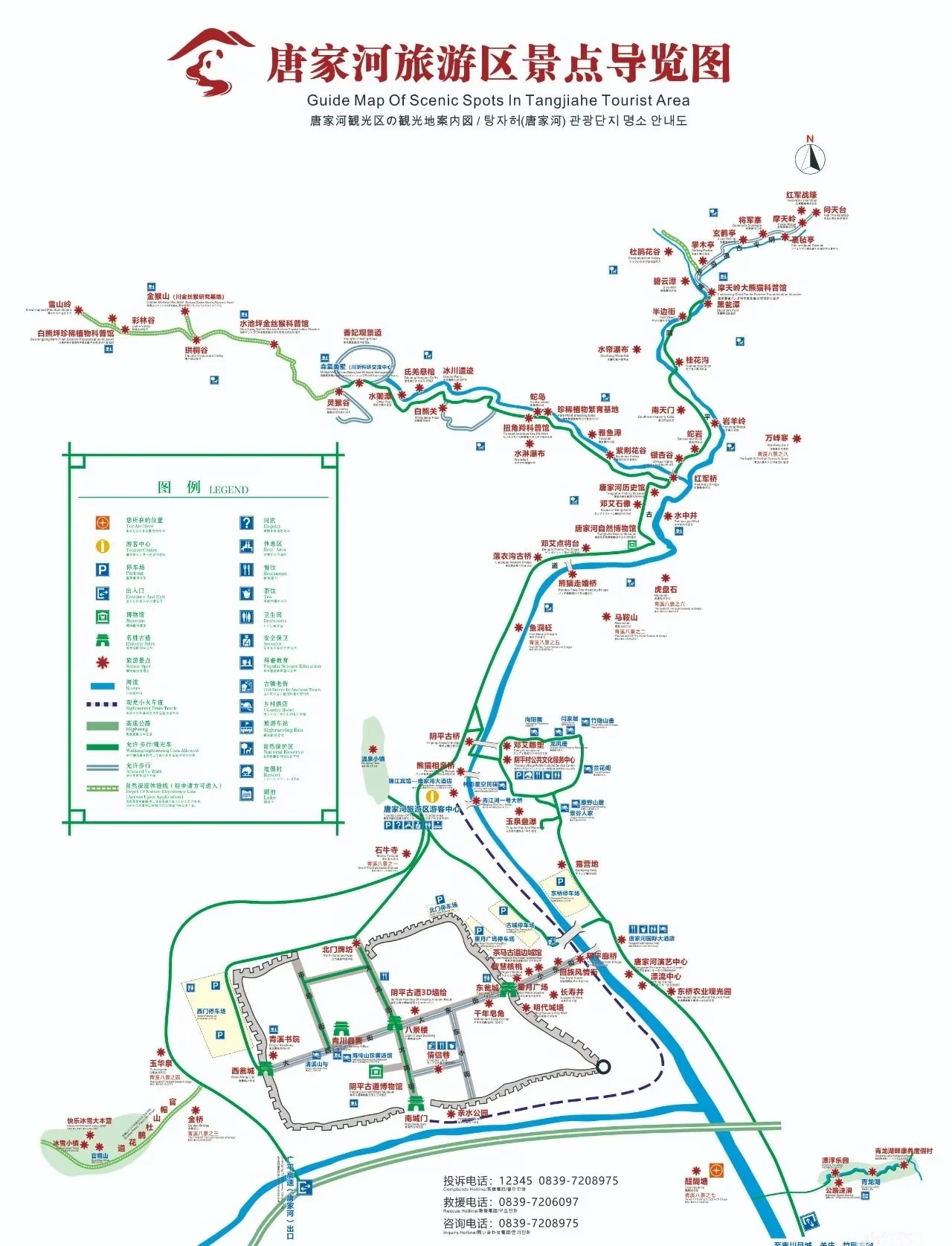
Tangjiahe National Nature Reserve Highlights
Wildlife Watching
Wildlife is the main reason many travelers visit Tangjiahe. The reserve provides habitat for golden takins, golden snub-nosed monkeys, serows, muntjac, black bears and many species of birds.
Wildlife Watching
Night Wildlife Observation
Tangjiahe also offers the possibility of observing wildlife after dark, when some forest animals become active.
Night Wildlife Observation
Forest Hiking
Trails pass through dense woodland, streams and mountain valleys, with opportunities to observe plants, birds and other wildlife along the way.
Forest Hiking
Nature Photography
Tangjiahe offers excellent opportunities to photograph wildlife, birds, forests and mountain landscapes, especially in Autumn.
Nature Photography
Best Time to Visit Tangjiahe National Nature Reserve
Quick Takeaway
- Spring: Mild temperatures, fresh greenery and active wildlife make spring a rewarding season for hiking and nature observation.
- Summer: The reserve is at its greenest, but frequent rain and higher humidity can make hiking and wildlife watching less predictable.
- Autumn: Cooler weather, autumn colors and good hiking conditions make October and November the most rewarding months for a Tangjiahe visit.
- Winter: Fewer visitors and a peaceful winter landscape appeal to experienced nature travelers, although colder conditions can limit some activities.
PRO TIP: Tangjiahe can be visited throughout the year. For most travelers, autumn offers the best balance of comfortable weather, beautiful forest scenery, wildlife observation and manageable visitor numbers. Spring is another excellent choice.
How to Get to Tangjiahe National Nature Reserve
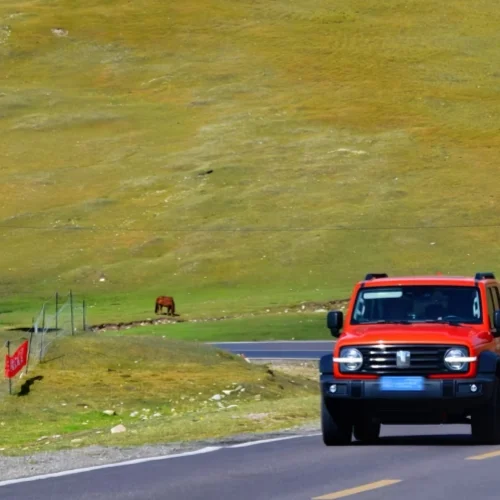
Private Vehicle
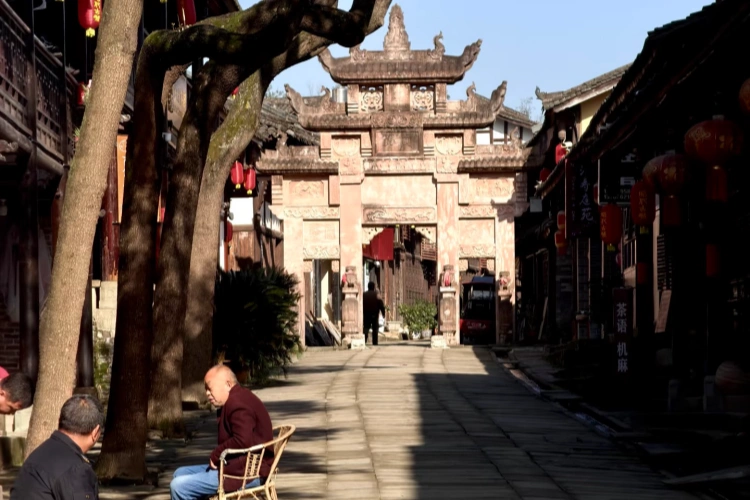
A private car with a driver is the most flexible way to reach Tangjiahe. It allows you to travel directly to the reserve and combine it with places such as Qingxi Ancient Town or Jianmen Pass.
Best for: Chengdu, Jiuzhaigou, northern Sichuan itineraries
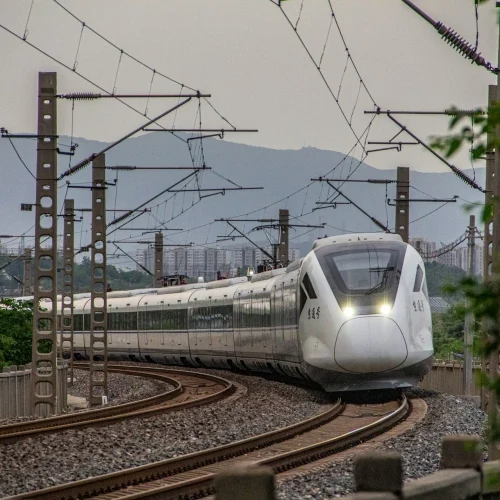
Train + Private Transfer
Take a high-speed train to Guangyuan, then continue to Tangjiahe by private vehicle. This is a comfortable option if you prefer not to spend the entire journey on the road.
Best for: Chengdu, Xi’an and other cities with trains to Guangyuan
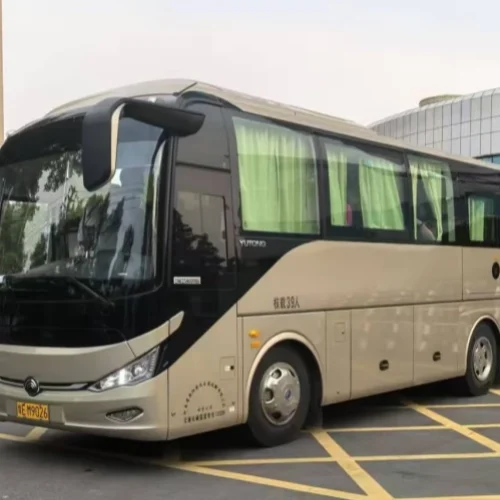
Public Transport
Public buses and local transfers are possible, but connections are limited and may require several changes. This option is less convenient if you are carrying luggage.
Best for: Budget travelers with flexible schedules
Get There from Important Cities
- From Chengdu: 5–6 hours by private vehicle
- From Guangyuan: 2.5–3 hours by private vehicle
- From Xi'an: high-speed train to Guangyuan + private transfer
- From Jiuzhaigou: 5–6 hours by private vehicle
Tangjiahe National Nature Reserve Travel Tips
- Allow at least 2 days. A longer stay gives you more time for hiking and multiple wildlife-watching opportunities.
- Early morning and late afternoon are generally the best times for observation. Wildlife sightings are never guaranteed, so patience is important. A local wildlife guide can also help identify suitable observation areas.
- Wear comfortable hiking shoes, bring layers and carry a lightweight rain jacket. Summer can be particularly wet, so waterproof protection for cameras is useful.
- Bring binoculars and camera essentials. Binoculars are helpful for spotting wildlife and birds at a distance. Bring a power bank and enough camera storage, as facilities can be limited in some areas.
- Respect the wildlife. Keep quiet, stay on permitted trails and never approach, feed or disturb wild animals. Always follow reserve regulations and your guide's instructions.
- Follow reserve regulations. Stay on permitted trails, follow your guide's instructions and never approach or feed wild animals.
- Tangjiahe is relatively remote, with fewer services and dining options than major tourist destinations. Private transportation is recommended, especially when combining Tangjiahe with other destinations.
- Consider a local wildlife guide as the guide knows the reserve, recent wildlife activity and suitable observation areas, which can make a big difference.
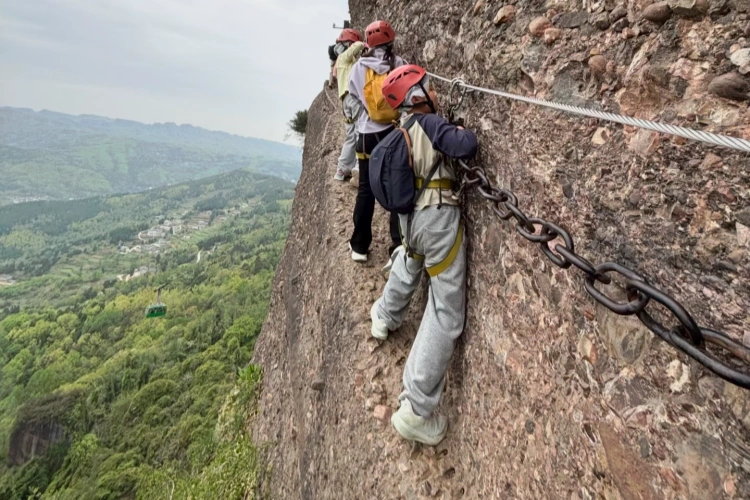
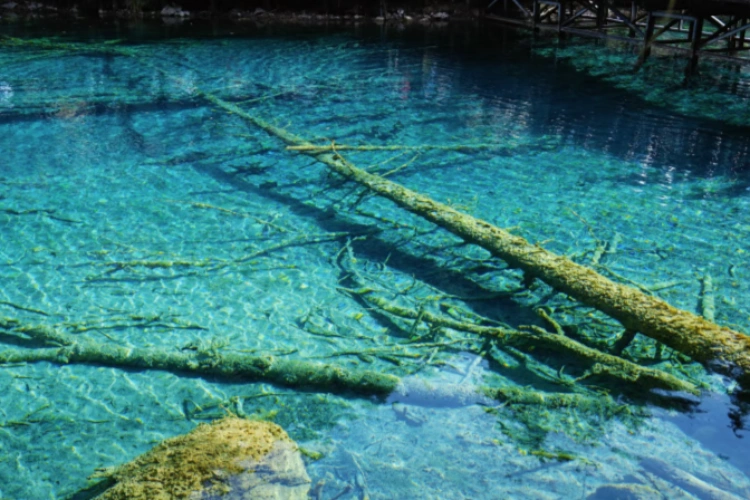
Tangjiahe National Nature Reserve Nearby Attractions


FAQ
Is Tangjiahe Nature Reserve worth visiting?
Yes, especially for wildlife enthusiasts, hikers and travelers looking for a quieter nature experience in Sichuan. Tangjiahe offers opportunities to see wildlife such as golden takins and golden snub-nosed monkeys while exploring forested mountain landscapes.
What animals can you see in Tangjiahe?
Tangjiahe is home to golden takins, golden snub-nosed monkeys, serows, muntjac, black bears and many species of birds. Wildlife sightings are never guaranteed, as animals live freely in the reserve.
Can you see golden takins in Tangjiahe?
Yes. Golden takins are one of the most sought-after animals in Tangjiahe. However, sightings depend on season, weather, recent animal activity and the areas you explore.
Can you see golden snub-nosed monkeys in Tangjiahe?
Yes. Tangjiahe provides habitat for golden snub-nosed monkeys, although they can be difficult to spot in the forest. A local wildlife guide can improve your chances of finding suitable observation areas.
Yes. Tangjiahe provides habitat for golden snub-nosed monkeys, although they can be difficult to spot in the forest. A local wildlife guide can improve your chances of finding suitable observation areas.
What is the best time to visit Tangjiahe Nature Reserve?
For most travelers, autumn, particularly October and November, is the best time to visit. The weather is generally comfortable, the forests take on autumn colors, and conditions are suitable for hiking and wildlife observation.
How many days do you need in Tangjiahe?
We recommend at least 2 days for a worthwhile wildlife experience. Three or four days is better for serious wildlife watching and photography because it allows more time for different trails and observation periods.
Can you hike in Tangjiahe Nature Reserve?
Yes. Tangjiahe has forest trails and mountain paths suitable for hiking. Routes vary in length and difficulty, and some can be combined with wildlife observation.
Is Tangjiahe good for wildlife photography?
Yes. The reserve offers opportunities to photograph mammals, birds, forests and mountain landscapes. Wildlife photography requires patience, and staying for several days generally gives you more opportunities than a short visit.
Can you see wildlife at night in Tangjiahe?
Night wildlife observation may be available depending on reserve regulations and local conditions. It offers a chance to look for species that are active after dark and should be conducted with an experienced local guide.
How do you get to Tangjiahe Nature Reserve from Chengdu?
The journey from Chengdu takes around 5–6 hours by private vehicle, depending on road and traffic conditions. Another option is to take a high-speed train to Guangyuan and continue by private transfer.
Can Tangjiahe be combined with Jiuzhaigou?
Yes. Tangjiahe and Jiuzhaigou can be combined as part of a longer northern Sichuan itinerary. Because both destinations require time to explore, we recommend allowing several days rather than trying to visit them as a rushed side trip.
Is Tangjiahe suitable for international travelers?
Yes, but Tangjiahe is more remote and less developed for international tourism than major Sichuan attractions. Arranging transportation and, especially for wildlife trips, a local guide in advance can make the visit much easier.