Planning a trip to Jiuzhaigou National Park and wondering how much it really costs?
You’re not alone. “Jiuzhaigou travel cost” is one of the most searched planning questions, and for good reason. The park is remote, transport options vary widely, and seasonal price differences can be significant.
This guide breaks down realistic 2026 costs for a 2–3 day trip from Chengdu, including transport, tickets, hotels, food, and hidden expenses. Whether you are a backpacker watching every yuan or a “Quiet Traveler” looking for a seamless private experience, it will help you plan your Chengdu to Jiuzhaigou tours confidently.
The “Big Three” Fixed Costs (2026 Rates)
These are the non-negotiables. Whether you’re a solo backpacker or a luxury seeker, your budget will revolve around these three parts.
Part 1: Transport (Chengdu-Jiuzhaigou)
Since the full integration of the high-speed rail line, the “cost of entry” to the mountains has become much more predictable.
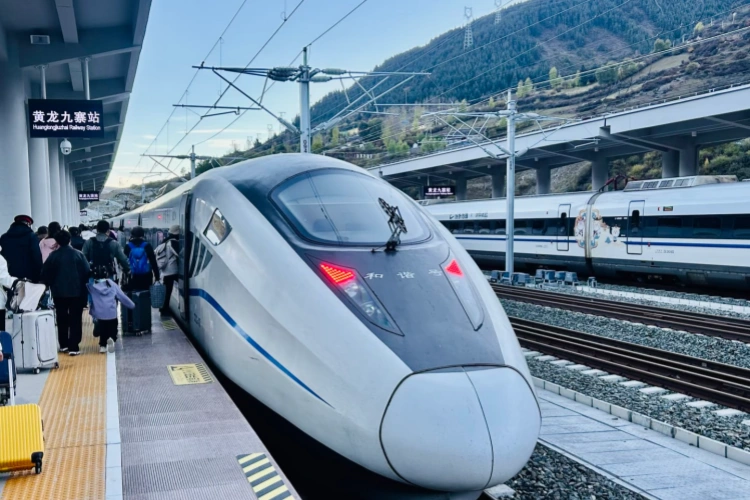
High-Speed Rail:
- One-Way: ¥140–¥220 (US$21-32, Second Class) | ¥230–¥350 (US$34-51, First Class).
- The “Last Mile”: Huanglongjiuzhai Station is roughly 90 minutes from the park. A shared shuttle or taxi to your hotel in Zhangzha Town adds ¥50–¥100 (US$8-15) per person.
- Round Trip Total: Expect to spend ¥400–¥800 (US$59-117) for a seamless rail experience.
Flights:
- One-way tickets range from ¥400 to ¥1,200 (US$59-175).
- Pro Tip: While fast (1 hour), the Jiuzhaihuanglong Airport (JZH) is prone to weather delays. Budget an extra ¥100–¥200 (US$15-30) for the higher-altitude airport transfer.
Long-Distance Bus:
- At ¥150–¥220 (US$22-32) one-way, this is the cheapest path. However, at 8–10 hours on winding mountain roads, the “time tax” is high.
Part 2: Jiuzhaigou Entrance Fees
Entry is transparent but strictly tiered by season. Note that the internal eco-bus is compulsory. The valley system covers over 70km, and private cars are prohibited.
Peak Season (April 1 – November 15)
- Entrance ticket: ¥190 (US$28)
- Mandatory sightseeing bus: ¥90 (US$14)
- Total: ¥280 (US$41)
Off-Season (November 16 – March 31)
- Entrance ticket: ¥80 (US$12)
- Mandatory sightseeing bus: ¥80 (US$12)
- Total: ¥160 (US$24)
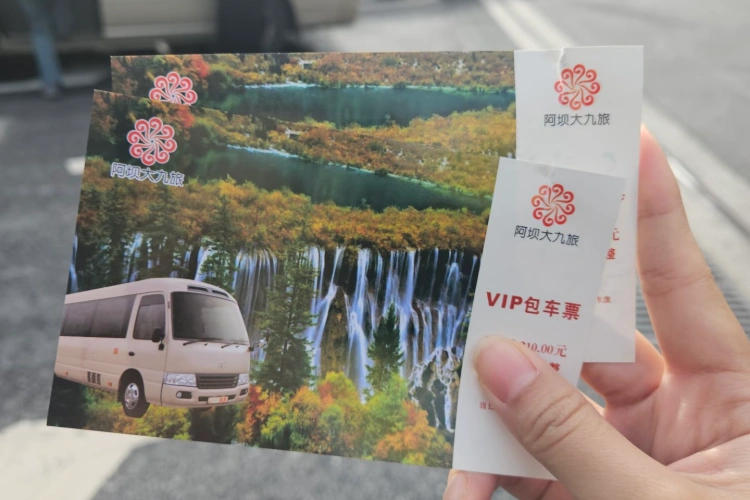
The VIP Upgrade: For photographers or those avoiding the 20,000-person morning rush, a VIP Private Shuttle (a 12-seater luxury van with a dedicated guide) is available for an additional ¥210–¥490 (US$31-72). In 2026, this remains the single best investment for a “quiet” experience.
Part 3: Accommodation
Most hotels are clustered near the park entrance. In 2026, the range of quality has never been better, but seasonality is the ultimate price driver.
- Budget Guesthouse (¥100–¥250, US$15-37): Simple, clean, and locally run. Perfect for backpackers who prioritize the trail over the thread count.
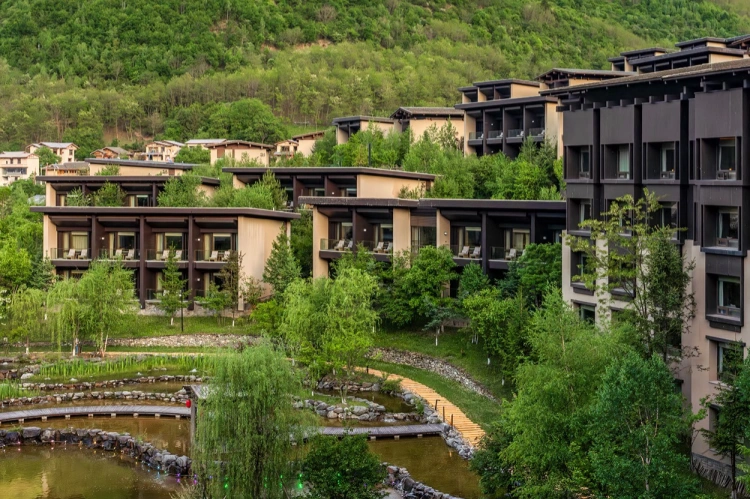
- Mid-Range Boutique (¥300–¥800, US$44-117): This is the “sweet spot.” Expect clean, comfortable rooms, often with beautiful Tibetan-style décor and reliable heating.
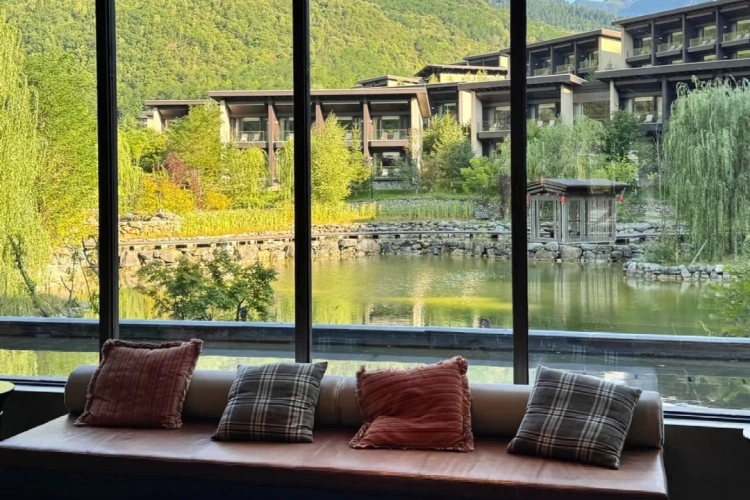
- High-End Resort (¥1,200–¥3,000+, US$175-436+): Global names like InterContinental Resort Jiuzhai Paradise or Hilton Jiuzhaigou Resort. You’re paying for mountain views, full-service amenities, and often, oxygen-enriched rooms.
Check the full accommodation guide: Where to Stay in Jiuzhaigou: Luxury vs. Tibetan Homestays (2026)
Note: Accommodation prices may increase during peak season, especially during the National Day holiday (October 1–7) and the autumn foliage season (September to early November).
Food & Daily Expenses
Expect a “mountain premium” on most items, but with a bit of strategy, you can eat remarkably well without overspending.
Dining in Zhangzha Town
Once you exit the park gates, the options expand significantly.
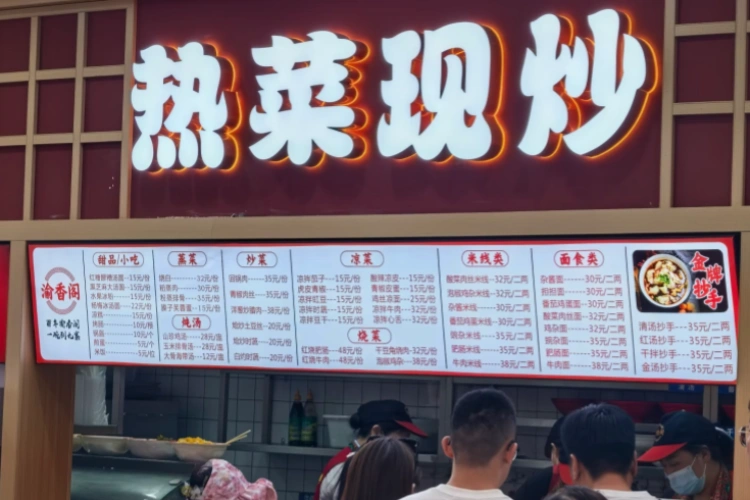
The Quick Fix: A simple bowl of Yak Butter Tea and local noodles will run you ¥25–¥40 (US$4-6).
Sichuan Standard: Most mid-range restaurants serving classic Sichuan stir-fry average ¥50–¥80 (US$8-12) per person.
The Tibetan Experience: A proper Yak Meat Hotpot, the ultimate way to recover from a day of hiking, typically costs ¥80–¥150 (US$12-22) per person.
Dining Inside the Park
Options inside the valley are intentionally limited to protect the ecosystem. Most travelers congregate at the Nuorilang Service Center, the only major dining hub.
The Nuorilang Buffet: Expect to pay ¥40–¥60 (US$6-9) for a basic set meal.
The “Quiet” Strategy: Most experienced travelers choose to skip the crowded service center lunch. Instead, pack a “Trail Kit” from the convenience stores in town:
- Flatbread (Naan) or energy bars
- Fresh fruit
- Self-heating instant pots (a local favorite for a warm lakeside lunch)
2-Day vs. 3-Day Cost Comparison
Thanks to the high-speed rail, the 2-day trip to Jiuzhaigou has become the standard option for travelers based in Chengdu, including both locals and international visitors. However, for a more comfortable and relaxed experience, a 3-day itinerary is usually the better choice.
The 2-Day / 1-Night Sprint
Total Average: ¥1,200 – ¥2,500 (US$175-364)
The Math: You pay the same for your train/flight, but save on one night of lodging and a few meals.
The Reality: It’s a “hit and run.” You arrive midday, rush to the park, and leave the next afternoon.
Pros: Lower absolute cost; perfect for those on a rigid “China Highlights” circuit.
Cons: You risk everything on a single day’s weather. If it rains on your only park day, there is no “Plan B.”
The 3-Day / 2-Night “Quiet” Strategy (Recommended)
Total Average: ¥1,800 – ¥3,500 (US$262-509)
The Math: You add an extra night of accommodation (¥300–¥800, US$44-117) and an extra day of food.
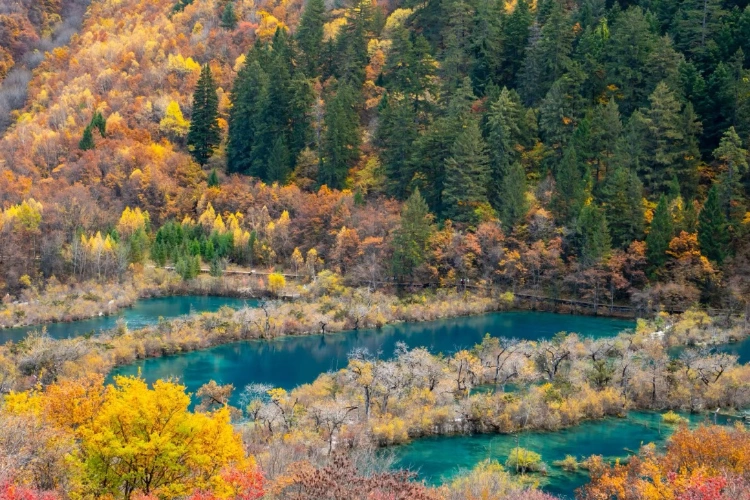
The Reality: This is the only way to experience Mirror Lake at 7:30 AM before the wind and the crowds arrive. It allows you to breathe, literally and figuratively.
Pros: You get a full, uninterrupted day inside the park. You have flexibility for weather changes and a much lower stress level.
Cons: Higher total spend.
The Verdict
For an additional ¥600–¥1,000 (US$88-146), you upgrade from a “commute” to a “vacation.” If your budget allows, the third day is where the magic of Jiuzhaigou actually happens.
Independent Travel vs. Tour Cost
Organized Tour (2–3 Days from Chengdu)
Estimated Cost: ¥1,500 – ¥3,000 (US$218-436)
The Inclusion: This is your “all-in” price. It typically covers your HSR tickets, a standard hotel in Zhangzha Town, park entry, a guide, and basic group meals.
The Upside: Zero logistical friction. You show up, and the machine moves you. For a first-time visitor in 2026, this eliminates the stress of navigating “Real-Name” booking systems.
The Downside: You are on a stopwatch. Many budget-friendly tours still include “cultural stops” (code for shopping) that eat into your precious daylight hours. You’ll see the park, but on someone else’s schedule.
Independent Travel
Estimated Cost: ¥1,200 – ¥6,000+ (US$175-872+)
The Inclusion: Whatever you decide it is.
The Upside: This is the “QuietRoutes” way. You decide when to linger at Five Flower Lake and when to skip the crowds. You choose the boutique hotel with the better oxygen system. There are no forced stops at yak meat factories.
The Downside: You are the dispatcher. You have to secure the HSR tickets exactly 15 days out and coordinate the “last mile” transfer from the station to the park. If a train is delayed or a booking glitches, the solution is on you.
The “Quiet” Verdict
If you are budget-conscious and want a fixed “receipt” before you leave home, a well-vetted tour is a solid choice. However, if you value your time as much as your money, Independent Travel (or a Hybrid Private Tour) allows you to spend your budget where it actually matters: on better views and a slower pace.
When Is Jiuzhaigou Most Expensive?
If you are planning to visit during the Summer Holiday (July-August), Golden Week (the First week of October), or the peak foliage window (Oct 15–30), take the numbers above into account. The prices may increase by 30–80%.
- Hotel rooms that cost 500 RMB (US$73)in March will jump to 1,200 RMB (US$175).
- Private drivers become nearly impossible to book unless secured 2 months in advance.
- Pro Tip: Travel in the “Shoulder Months” (May, June, or September) to get 90% of the beauty at 60% of the October price.
Check our full guide: Best Time to Visit Jiuzhaigou: Month-by-Month Travel Guide
The Hidden Cost to Consider
Beyond the big tickets and the hotels, there is a layer of micro-expenses that can add ¥200–¥400 (US$30-60) to your total trip if you aren’t prepared.
The Oxygen Canister: While most travelers feel perfectly fine at Jiuzhaigou’s 2,000m base, you may want an oxygen canister for the higher peaks (3,100m) or your day trip to Huanglong (3,500m+). Expect to pay ¥20–¥50 (US$3-8) per bottle.
QuietRoutes Tip: Buy these in Zhangzha Town before you enter the park to avoid the “scenic spot” markup.
Extra Snacks/Water Inside the Park: A bottle of water or a simple snack inside the park is priced at a premium. If you don’t pack your own “Trail Kit,” budget an extra ¥30–¥60 (US$5-10) for hydration and fuel.
Taxi Transfers if You Miss the Shuttle Bus: If you linger too long at a remote lake and miss the last scheduled eco-bus back to the gate, you may find yourself negotiating a private transfer with park staff or local services. This can be an unexpected ¥100+ expense.
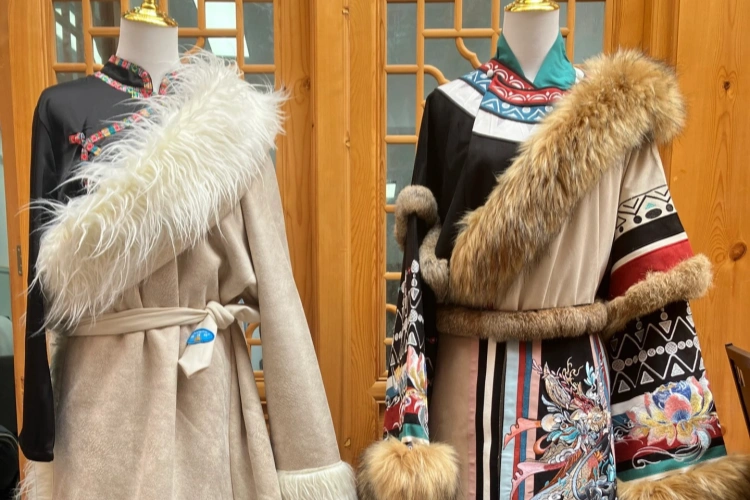
Photography Services: The “Travel Photography” (Lupai) industry is huge. If you want a professional 1-hour shoot in traditional Tibetan dress by the waterfall, budget ¥200–¥500 (US$30-73).
The Evening Performance (Cultural Shows): The two heavy hitters are Encore Jiuzhaigou and the Jiuzhai Pan-Tibetan Performance. If you’re interested, expect to pay ¥200–¥380 (US$30-56) depending on your seat class.
Luggage & Storage: If you are checking out of your hotel but taking the evening HSR train, most hotels offer free storage, but park-side lockers will cost ¥20–¥40 (US$3-6).
Travel Insurance: Given the high-altitude nature of Northern Sichuan, a policy that specifically covers “Altitude-related medical” is a non-negotiable ¥100–¥300 (US$15-44) investment for peace of mind.
Three Persona Budget Examples (3 Days / 2 Nights)
To give you a realistic “receipt,” here are three budget ways to visit Jiuzhaigou from Chengdu.
1. The “Smart Budget” Route
Focus: Public transport, local eats, and DIY logistics.
Transport: HSR Second Class (Return) + Shared Station Shuttle = 370 RMB (US$54).
Park: Peak Season Entry = 280 RMB (US$41).
Hotel: 2 Nights in a rated Guesthouse = 600 RMB (US$88).
Food: Local noodles and convenience store snacks = 300 RMB (US$44).
TOTAL: ~1,550 RMB ($226 USD)
2. The “QuietRoutes” Mid-Range
Focus: Comfort, time-efficiency, and a private guide for the park day.
Transport: HSR First Class (Return) + Private Station Transfer = 650 RMB (US$950).
Park: Entry + 1-Day Private Guide Fee = 980 RMB (US$143).
Hotel: 2 Nights in a 4-Star Boutique (e.g., Rezen Retreat) = 1,200 RMB (US$175).
Food: Nice Tibetan dinners + coffee = 600 RMB(US$88).
TOTAL: ~3,430 RMB ($499 USD)
3. The “Ultra-Luxe” Experience
Focus: Zero friction, oxygen-enriched suites, and the VIP shuttle.
Transport: Private SUV Transfer from Chengdu (Round-trip) = 2,400 RMB (US$349).
Park: Entry + VIP Private Shuttle Service = 750 RMB (US$109).
Hotel: 2 Nights at the Conrad Jiuzhaigou (Mountain View) = 4,000 RMB (US$582).
Extras: Private photography session + “Encore” show = 1,000 RMB (US$146).
TOTAL: ~8,150 RMB ($1,185 USD)
Money-Saving Hacks
The 15-Day HSR Window: Set an alarm. Booking your train the moment it opens on the 12306 app saves you from having to book an expensive last-minute flight or private car.
Stay in Zhangzha Town: Avoid the hotels located 10km away unless you have a private driver. The taxi fees to and from the park entrance will eat up any “savings” you found on the room rate.
The No-Shopping Rule: Many “cheap” tours from Chengdu (priced at 500–800 RMB for 3 days) are subsidized by mandatory shopping stops at yak meat factories and silk centers. Avoid these. You will spend more on lost time and “social pressure” purchases than you saved on the tour price.
Is Jiuzhaigou “Expensive”?
When you compare Jiuzhaigou to other “A-List” Chinese destinations like Zhangjiajie or Huangshan, the receipt is usually slightly higher. This isn’t because the hotels are pricier, but because of the “Geography Tax”: the cost of traversing the high-altitude plateau to get there.
How It Compares:
vs. Zhangjiajie: Jiuzhaigou’s daily costs are roughly 20% higher, mainly due to the mandatory internal shuttle fees and the higher cost of transporting fresh produce into the mountains.
vs. Yunnan (Lijiang/Shangri-La): Jiuzhaigou is more expensive for a short burst (2–3 days), whereas Yunnan offers more “slow travel” budget options for long-term stays.
Why the Price Tag is Justified
At QuietRoutes, we believe “value” isn’t about the lowest price. It’s about what you get for your money.
World-Class Infrastructure: In 2026, the park’s boardwalks, eco-toilets, and 5G connectivity are among the best in the global national park system.
The “Swiss” Level of Efficiency: The internal shuttle system is a marvel of logistics. You rarely wait more than three minutes for a bus, even during peak capacity.
Strict Conservation: A portion of your ticket goes directly into the preservation of the tufa waterfalls and high-alkaline lakes. You aren’t just paying for a view; you’re paying for the science that keeps the water blue.
The Quiet Verdict:
Jiuzhaigou is not a “cheap” weekend. It is a premium, bucket-list investment. While the upfront costs for transport and entry are high, the sheer visual density—the number of “wow” moments per kilometer—offers some of the strongest travel value in Asia.
Final Verdict: Is Jiuzhaigou Worth It?
In 2026, Jiuzhaigou remains one of the more expensive National Parks in China, but the value is unmatched. You are paying for a world-class infrastructure that protects one of the most fragile ecosystems on the planet. Spending an extra 100 RMB for a better hotel or a faster train is almost always the “smarter” play.