Planning a Yangtze River cruise is one of the most exciting parts of organizing a China trip. But once travelers begin comparing cruise options, one question almost always appears:
Should you cruise from Chongqing to Yichang (downstream), or from Yichang to Chongqing (upstream)?
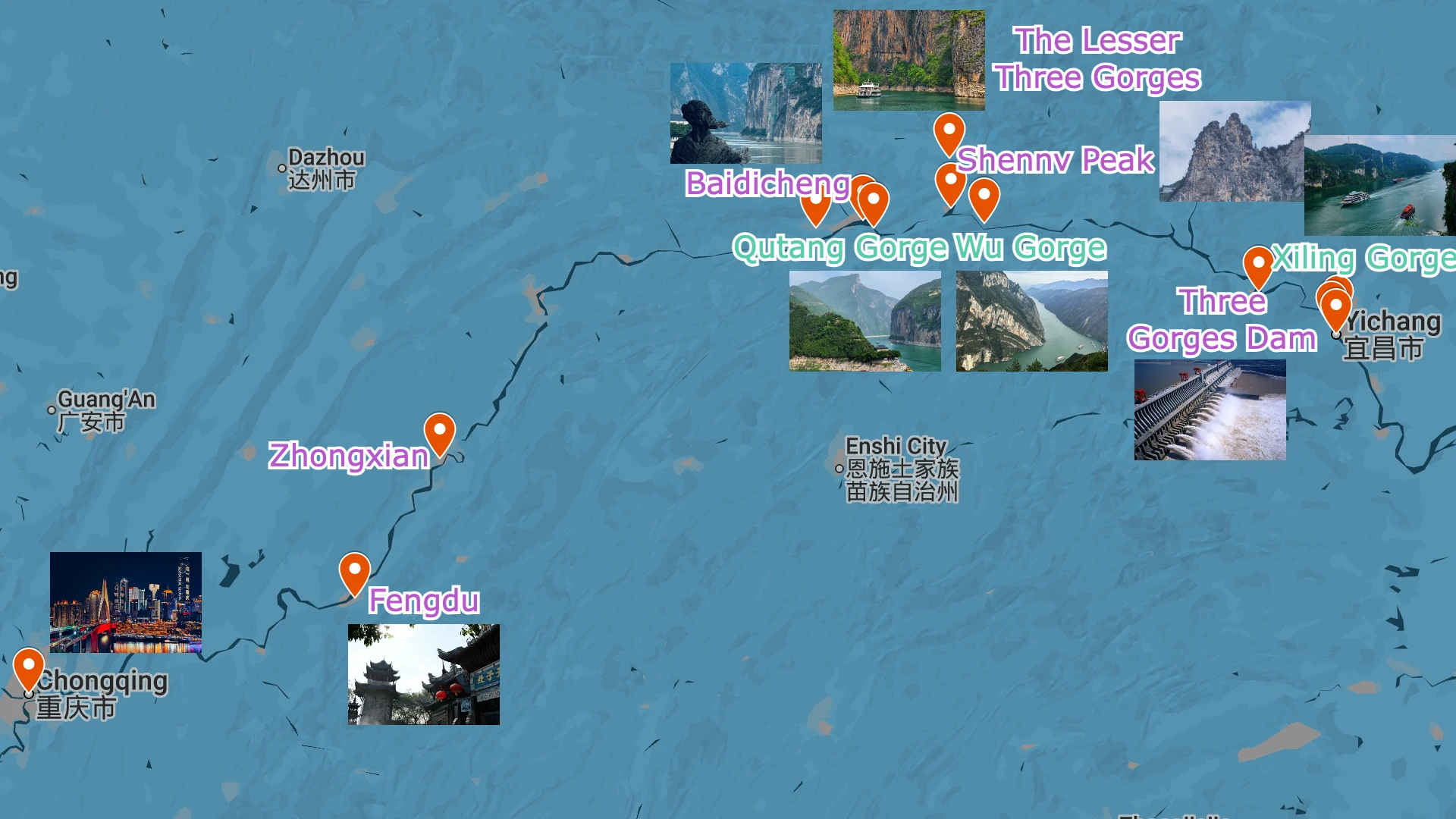
At first glance, the two routes look almost identical. Both sail the same 660-kilometer stretch of water, including the Three Gorges region, stop at famous cultural and scenic sites, and offer relaxing days on the Yangtze River.
But in reality, the direction can shape your overall travel experience more than many people expect.
The difference is not just about sailing upstream or downstream. It also affects total cruise duration, transportation convenience, and how easily the cruise fits into a longer China trip.
As a China-based travel team that regularly helps international travelers plan Yangtze cruises together with destinations like Beijing, Xi’an, Chengdu, Zhangjiajie, and Shanghai, we’ve found that the “better” route often depends on your travel style and schedule, not simply the scenery.
In this guide, we’ll compare Chongqing to Yichang and Yichang to Chongqing honestly and practically, so you can choose the route that fits you best.
Quick Comparison: What are the Differences
The primary differences come down to physics and time. The Yangtze River flows from West to East, meaning one route rides the current while the other fights it.
Let’s see the details.
| Operational Metric | Downstream (West → East) | Upstream (East → West) |
|---|---|---|
| Typical Route | Chongqing to Yichang | Yichang to Chongqing |
| Duration | 4 Days / 3 Nights | 5 Days / 4 Nights |
| Sailing Speed (V) | Faster (V≈28–30 kph) with the current | Slower (V≈16-19kph) against current |
| Night Sailing Habit | Some ships drop anchor at night; smooth sleeping environment. | Ships often sail through the night to maintain daytime schedules. |
| Value Proposition | Saves vacation days; highly efficient layout. | Extra night on board for the exact same base tier cabin rate. |
| Best For | First-time travelers | Relaxed travelers |
QuietRoutes Tip: For most international travelers, especially first-time visitors, we generally recommend Chongqing to Yichang because it fits more naturally into classic China itineraries and saves one full travel day. However, that does not automatically make it “better” for everyone.
Chongqing to Yichang (Downstream Cruise)
Typical Duration: 4 Days / 3 Nights
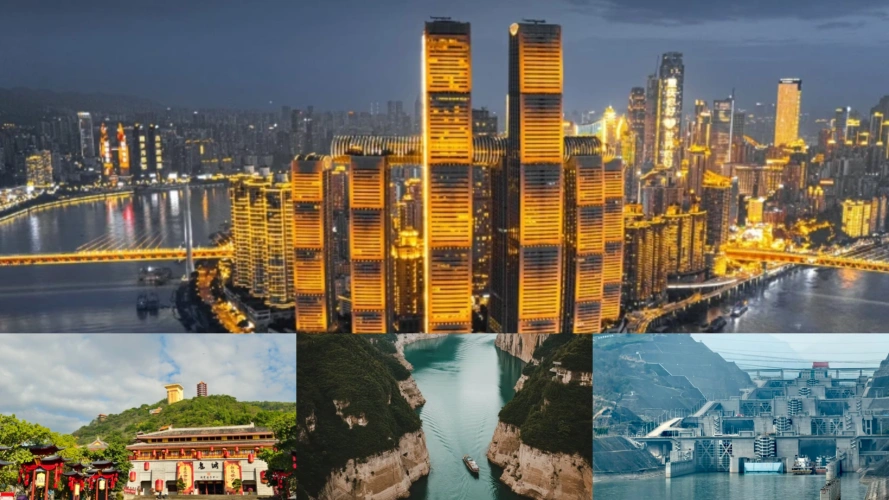
You board your ship at Chongqing’s bustling Chaotianmen Dock in the evening and arrive in Yichang four days later. Along the way, the scenery gradually builds in scale and drama. By the third day, you’ll cruise through the breathtaking Three Gorges one after another, creating a journey that feels increasingly cinematic as the landscapes become more spectacular.
This is also the most popular direction for international travelers. Why?
The biggest reason is efficiency. It saves roughly one full day, which can make a big difference for travelers visiting multiple destinations across China. It also fits much more naturally into classic first-time China itineraries.
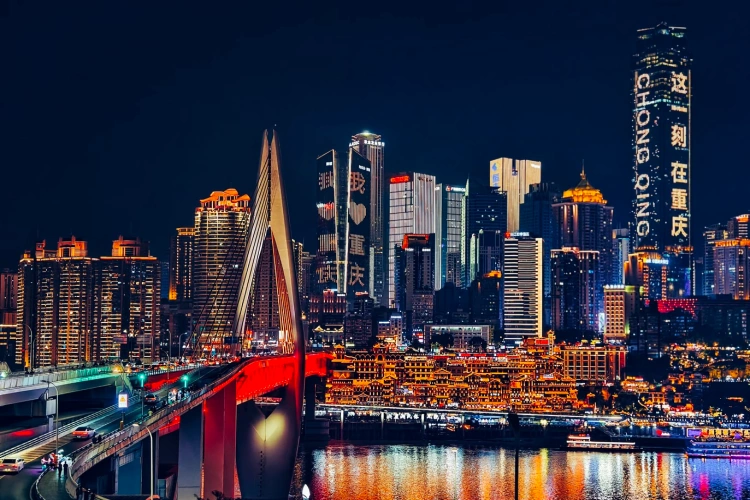
Another major advantage is Chongqing itself. As one of western China’s largest transportation hubs, Chongqing offers excellent connections through international and domestic flights, high-speed rail, and river transport. It links conveniently with major cities as well as nearby highlights like Chengdu, Zhangjiajie, and Guilin.
For most foreign travelers, this combination of convenience, flexibility, and time efficiency makes the Chongqing to Yichang route the most practical and popular choice.
Yichang to Chongqing (Upstream Cruise)
Typical Duration: 5 Days / 4 Nights
Your journey begins with a complimentary shuttle transfer from Yichang to Maoping Port, where you board the cruise ship. On Day 2, you’ll pass through the impressive Three Gorges Dam, one of the world’s largest engineering projects, before sailing deeper into the misty mountain gorges upstream.
The dramatic finale usually comes on Day 4, when the ship enters the spectacular Qutang Gorge, famous for its towering limestone cliffs and the iconic view featured on the back of China’s 10-yuan banknote.
If your main goal is to slow down and fully enjoy life on the river, the upstream route may suit you better. The extra day onboard creates a noticeably more relaxed rhythm, with more time to enjoy the scenery, unwind on deck, and settle into the cruise experience itself.
Many travelers, especially retirees, seniors, and long-term visitors to China, find the slower pacing more immersive and enjoyable.
That said, Yichang is less convenient internationally compared with Chongqing. Although the city has airports and high-speed rail connections, it is still a smaller transportation hub. As a result, upstream cruises sometimes have fewer departure dates, fewer ship choices, and less flexibility during the low season.
Is the Scenery and Experience Different?
This is probably the biggest misconception about Yangtze River cruises.
In terms of the core landscapes, the scenery is largely the same. Both directions pass through the famous Three Gorges region, including Qutang Gorge, Wu Gorge, and Xiling Gorge.
However, the overall experience can still feel quite different depending on the cruise direction.
Because the ships pass certain scenic areas at different times of day, the lighting, atmosphere, weather, and mood can completely change how the landscapes feel. For photographers and scenery lovers especially, this can create surprisingly different experiences.
Here are some of the most noticeable differences.
The Three Gorges Dam & Ship Lift
Downstream passengers usually visit the Three Gorges Dam toward the very end of the cruise, often in the morning before disembarkation. Upstream passengers experience it near the beginning of their journey.
If your cruise includes the optional Three Gorges Ship Lift, the massive elevator system capable of lifting or lowering 3,000-ton vessels, the feeling can also differ. Going downstream feels like a dramatic descent, while upstream cruising feels more like a gradual rise into the heart of the reservoir region.
White Emperor City
Located at the entrance of Qutang Gorge, White Emperor City is famous for its dramatic scenery and deep connection to the Three Kingdoms period.
Downstream cruises often arrive here in the afternoon, when warm golden light illuminates the famous Kuimen Gate scenery.
Upstream cruises usually visit in the morning, when mist and softer lighting often create a quieter, more atmospheric mood across the mountains and river.
The Tributary Streams
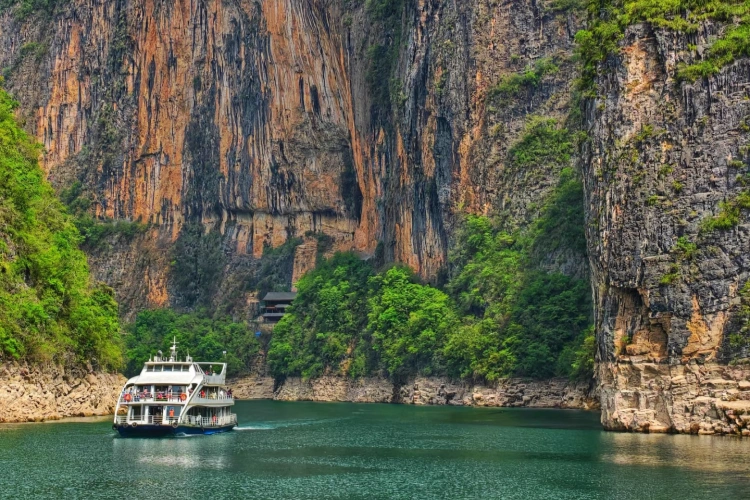
Both cruise directions usually include an excursion into one of the Yangtze’s narrower tributary valleys by smaller sightseeing boats.
Depending on the cruise line and water conditions, this may include:
- Goddess Stream,
- Shennong Stream,
- or the Lesser Three Gorges.
For many travelers, this becomes one of the highlights of the entire journey. The scenery here feels much more intimate, with towering cliffs, emerald water, ancient hanging coffins, and small riverside villages hidden deep within the valleys.
Which Route Fits Better into a China Itinerary?
This is where real travel planning experience becomes especially important.
In many cases, the best cruise direction depends less on the cruise itself and more on how smoothly it fits into the rest of your China itinerary.
Based on our experience customizing China trips for international travelers, these are the two most practical and popular itinerary flows we usually recommend.
China Itinerary with Yangtze Cruise Flow #1
Beijing → Xi’an → Chengdu → Chongqing → Yangtze Cruise → Shanghai
This is probably the most common classic China route for international travelers.
Why downstream works perfectly:
- Chengdu connects easily to Chongqing
- Chongqing is a major boarding city
- The cruise naturally moves eastward
- Shanghai becomes a convenient next stop
China Itinerary with Yangtze Cruise Flow #2
Beijing → Xi’an → Guilin → Yangshuo → Chongqing → Yangtze Cruise → Yichang → Shanghai
This route is ideal for travelers who want to combine China’s most famous natural landscapes into one journey.
China Itinerary with Yangtze Cruise Flow #3
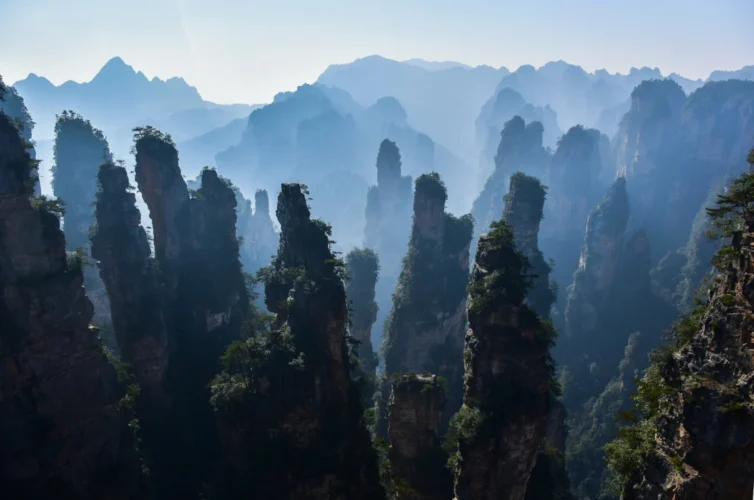
Chengdu → Jiuzhaigou → Chongqing → Yangtze Cruise → Zhangjiajie
This itinerary is especially popular among first-time visitors who want a balanced mix of history, landscapes, modern cities, and slower scenic travel.
What Most Travelers Don’t Realize Before Booking
A Balcony Cabin Makes a Huge Difference
One of the best parts of a Yangtze cruise is waking up to misty gorge views right outside your room. Having a private balcony allows you to quietly enjoy the scenery anytime without competing for space on the public decks.
For most travelers, upgrading from a standard window cabin is well worth it.
Newer Ships Are Noticeably Better
The newest Yangtze cruise ships are much quieter, smoother, and more environmentally friendly than older vessels.
Modern ships like the Century Voyage use advanced hybrid propulsion systems, which greatly reduce engine noise and diesel smell, especially noticeable when relaxing on deck or on your balcony.
River Conditions Can Change Boarding Ports
Because the Yangtze River is affected by seasonal water levels and dam operations, ships sometimes use alternative ports instead of downtown Chongqing’s Chaotianmen Dock.
When this happens, cruise companies normally arrange smooth shuttle transfers automatically, so there is usually no need to worry.
Final Thoughts
A Yangtze River cruise is not only about sightseeing. It is also about rhythm.
Some travelers want efficiency, smooth logistics, and a classic China route. Others want quiet mornings on the balcony, drifting through misty mountain gorges with nowhere urgent to be.
That’s why the “best” cruise direction is personal.
For most travelers, Chongqing to Yichang is the easiest and most practical choice.
But for travelers who value slower travel and a more immersive river experience, Yichang to Chongqing can feel wonderfully peaceful and rewarding.
Whichever direction you choose, the Three Gorges remain one of China’s most unforgettable journeys.
FAQ
Is Chongqing to Yichang better than Yichang to Chongqing?
For most first-time travelers, yes, mainly because it is shorter and easier for itinerary planning.
However, travelers who prefer slow travel may enjoy upstream cruises more.
Is the scenery different?
Not significantly. Both routes pass through the same Three Gorges region.
Why is Yichang to Chongqing longer?
Because the ship travels upstream against the Yangtze River current.
Which route is more popular?
Chongqing to Yichang is generally more popular among international travelers.
Is the Yangtze River cruise worth it?
For many travelers, absolutely.
It combines scenery, culture, engineering history, and a relaxing travel rhythm that feels very different from China’s busy cities.
What is the best month for a Yangtze cruise?
April, May, September, and October are usually considered the best overall months.