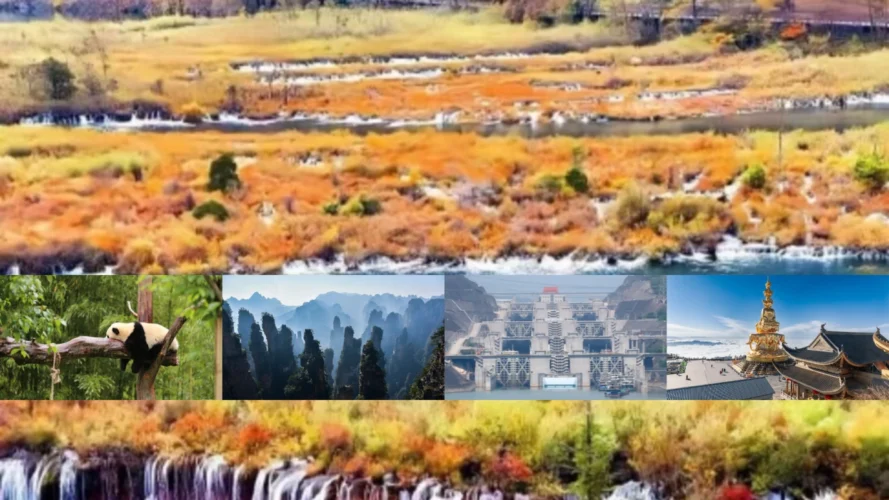
Jiuzhaigou is famous worldwide for its turquoise lakes, multi-level waterfalls, and colorful alpine forests. But while most travelers come for the scenery, the local food culture around Jiuzhaigou is also an interesting part of the experience.
Located in the mountains of northern Sichuan within a Tibetan region, Jiuzhaigou sits at the crossroads of Tibetan cuisine and Sichuan cooking traditions. As a result, visitors can try unique local specialties such as yak meat dishes and butter tea, while also finding familiar Chinese meals in restaurants around the valley.
Food options inside Jiuzhaigou National Park are relatively simple, but the nearby town offers a variety of restaurants serving both local Tibetan dishes and classic Sichuan favorites.
This guide explains what to eat in Jiuzhaigou, where to find local specialties, and what international travelers should expect when dining near the national park.
Must-Try Local Dishes in Jiuzhaigou
Yak Meat Dishes
Yak is one of the most iconic ingredients in Tibetan cuisine. These hardy animals thrive in high-altitude environments and have been part of local diets for centuries.
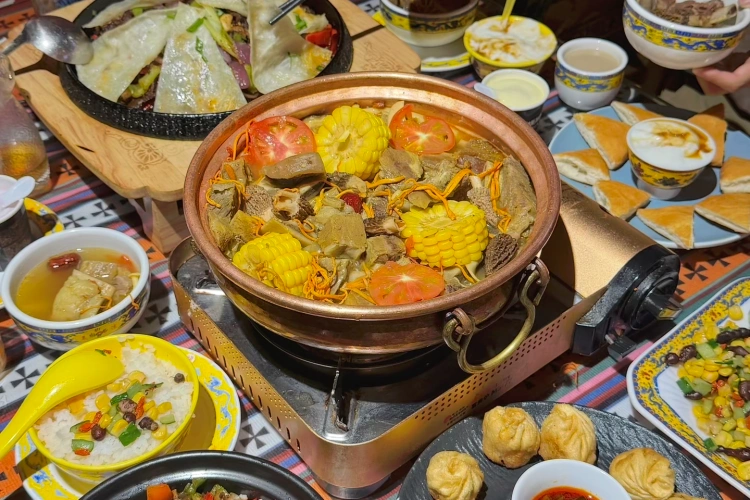
Yak meat is lean, slightly sweet, and richer in flavor than beef. Around Jiuzhaigou, you will often find it served in several forms: yak hotpot, yak stir-fry with vegetables, or yak dumplings.
Yak hotpot is particularly popular among travelers, especially during colder months when a warm meal after a day of exploring the park is very satisfying.
Tibetan Butter Tea
Butter tea is one of the most traditional drinks in Tibetan culture. It is made from black tea, yak butter, and salt.
The drink has a creamy, savory flavor that may surprise first-time visitors. While it is very different from sweet Western tea, it plays an important role in Tibetan hospitality and is often served to guests in local restaurants or homestays.
Trying butter tea is less about the taste and more about experiencing a cultural tradition of the Tibetan plateau.

Zanba (Roasted Barley Flour)
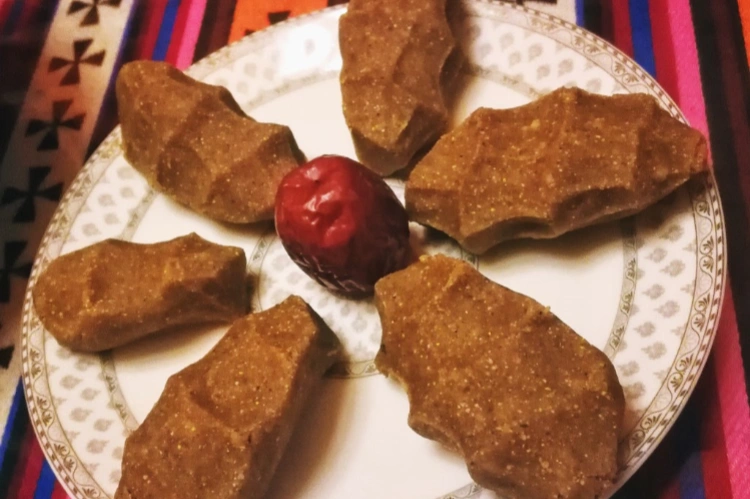
Zanba is a staple food across Tibetan communities. It is made from roasted barley flour mixed with butter tea or water to create a dough-like consistency.
Historically, zanba was a convenient food for nomadic lifestyles because it is easy to prepare and highly nutritious. While it may appear simple, it represents an important part of Tibetan culinary heritage.
Some restaurants near Jiuzhaigou still serve zanba as a traditional dish or cultural experience for visitors.
Sichuan Cuisine
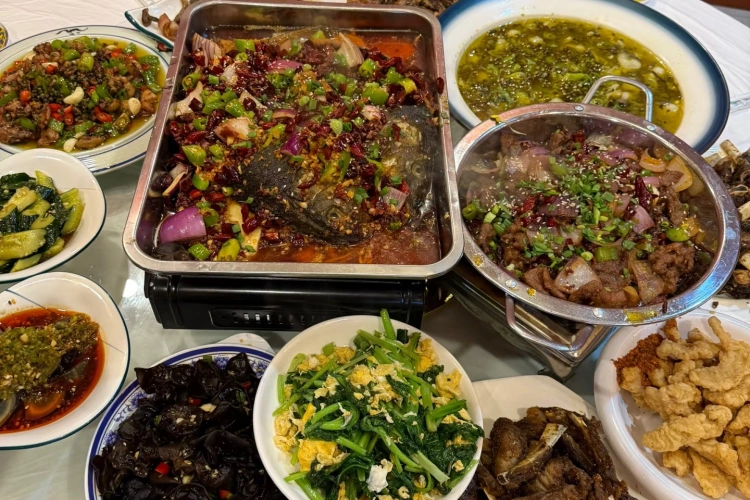
In addition to Tibetan food, many restaurants near Jiuzhaigou serve classic Sichuan dishes, which are known for their bold flavors and use of chili peppers and Sichuan peppercorns.
Common dishes you may encounter include mapo tofu, kung pao chicken, stir-fried vegetables, and spicy noodles.
Sichuan food tends to be much spicier than Tibetan cuisine, so travelers who prefer milder flavors should let the restaurant know when ordering.
Food Inside Jiuzhaigou National Park
Many travelers wonder whether food is available inside Jiuzhaigou National Park.
The answer is yes, but the options are limited.
Several visitor service areas inside the park offer simple cafeteria-style meals. These usually include noodle soups, rice dishes, dumplings, snacks, and drinks.
The food is convenient if you need a quick lunch during your visit, but it is generally basic and slightly more expensive than meals outside the park.
Because of this, many travelers choose to eat breakfast at their hotel, have a quick lunch inside the park, and then enjoy dinner in a restaurant near the park entrance.
This approach provides more variety and better dining experiences overall.
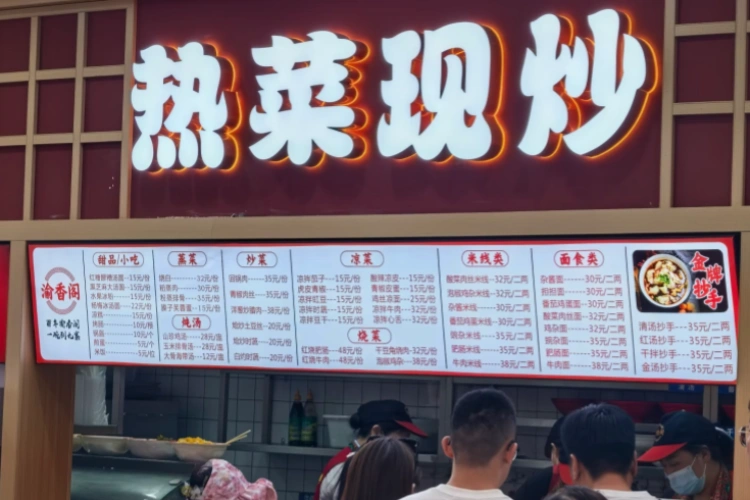
Best Places to Eat Near Jiuzhaigou
Most restaurants are located in Zhangzha Town, the main tourist town near the entrance of Jiuzhaigou National Park. This area developed to support visitors and now has a wide range of dining options.
Typical choices include:
Tibetan Family Restaurants
These restaurants often offer the most authentic local dishes. You may find yak meat specialties, butter tea, and traditional cooking styles. The atmosphere is usually warm and casual, reflecting Tibetan hospitality.
Sichuan Restaurants
Sichuan restaurants are very common around Jiuzhaigou. They serve a wide variety of stir-fried dishes, spicy specialties, and shared plates that are perfect for groups.
Hotel Restaurants
Many hotels in Jiuzhaigou have their own restaurants serving both Chinese and international-style dishes. These can be convenient for travelers who prefer a more comfortable dining environment after a long day of sightseeing.
Food Tips for International Travelers
Travelers visiting Jiuzhaigou for the first time may find the local food scene slightly different from large Chinese cities. A few practical tips can make dining easier.
Expect Spicy Flavors
Sichuan cuisine is famous for its spicy taste. If you prefer mild food, it is helpful to mention this when ordering.
Vegetarian Options Exist
Vegetarian travelers can still find suitable dishes. Common choices include stir-fried vegetables, tofu dishes, and noodle soups.
Restaurants Are Usually Casual
Most restaurants near Jiuzhaigou are informal and designed for quick meals after sightseeing. Service may be simple, but the food is often fresh and satisfying.
Try Local Specialties
Even if Tibetan dishes are unfamiliar, trying at least one local specialty can add a memorable cultural element to your trip.
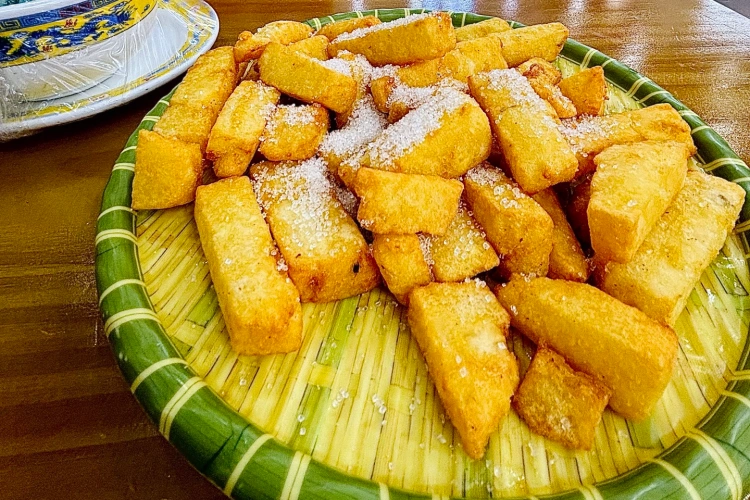
Should You Try Tibetan Food in Jiuzhaigou?
For many travelers, tasting Tibetan cuisine is one of the most interesting cultural experiences in Jiuzhaigou.
While the flavors are generally simpler than Sichuan food, Tibetan dishes reflect the lifestyle and traditions of mountain communities that have lived in this region for centuries.
Trying yak dishes, butter tea, or Tibetan hotpot offers a small glimpse into the culture that surrounds Jiuzhaigou’s famous landscapes.
Even if you ultimately prefer familiar Chinese dishes, sampling local food can make the journey feel more authentic.
Conclusion
Jiuzhaigou may be best known for its breathtaking scenery, but the local food culture also adds an enjoyable dimension to the travel experience.
The region’s cuisine blends Tibetan traditions with Sichuan flavors, giving visitors the chance to try unique dishes such as yak hotpot, butter tea, and roasted barley foods alongside classic Chinese meals.
While food options inside Jiuzhaigou National Park are relatively simple, the nearby town offers plenty of restaurants where travelers can explore regional flavors.
For visitors willing to try something new, tasting local food in Jiuzhaigou can become a memorable part of the journey—just like the lakes and waterfalls that made the valley famous.
FAQ
What food is famous in Jiuzhaigou?
Yak meat dishes are among the most famous foods in Jiuzhaigou. Visitors can also try Tibetan specialties such as butter tea and barley-based foods, along with popular Sichuan dishes served in local restaurants.
Is there food inside Jiuzhaigou National Park?
Yes. Several service areas inside the park offer simple meals such as noodles, rice dishes, and snacks. However, many travelers prefer to eat breakfast and dinner at restaurants outside the park.
Is Tibetan food spicy?
Traditional Tibetan cuisine is usually mild and focuses on natural flavors. However, many restaurants in Jiuzhaigou also serve Sichuan dishes, which can be quite spicy.
Are there vegetarian options in Jiuzhaigou?
Yes. Vegetarian travelers can usually find dishes such as stir-fried vegetables, tofu, noodle soups, and rice-based meals in restaurants near Jiuzhaigou.
Do restaurants in Jiuzhaigou accept foreign visitors?
Yes. Jiuzhaigou is an international tourist destination, and restaurants are accustomed to serving travelers from different countries. Most places are casual and welcoming to visitors.