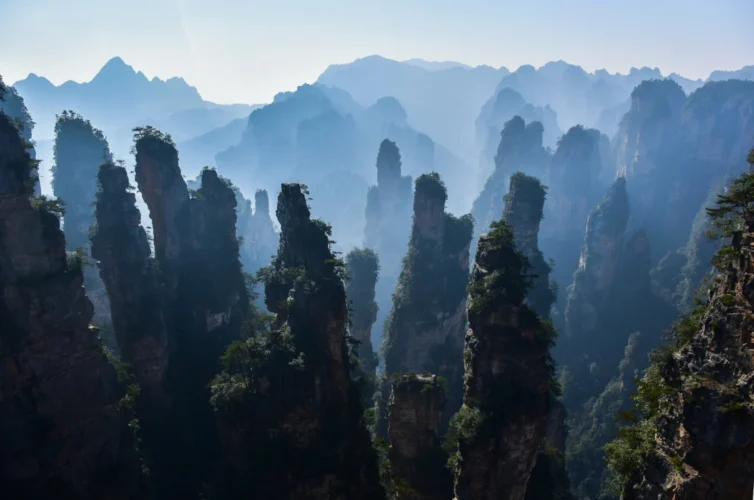
Traveling from Chengdu to Jiuzhaigou by bus is the most budget-friendly option. However, compared to modern, fast flights and high-speed trains, it’s also the longest and most physically demanding. The journey typically takes 8–10 hours through the Min Mountains.
If you are a budget traveler, someone who missed out on competitive train tickets, or simply a fan of slow-travel road trips, this guide gives you everything you actually need to know, from where to catch the bus to what the journey really feels like.
Read before you decide if it’s the right option for your Chengdu to Jiuzhaigou tour.

Is There a Direct Bus from Chengdu to Jiuzhaigou?
The short answer is yes, there are direct long-distance buses from Chengdu to Jiuzhaigou.
However, unlike trains or flights, bus services are less frequent. In most cases, there’s only one departure per day.
Besides, the long-distance bus can be more affected by weather and road conditions, especially during winter or after heavy rain.
So, you need to keep a close eye on real-time updates from the bus station before you head out.
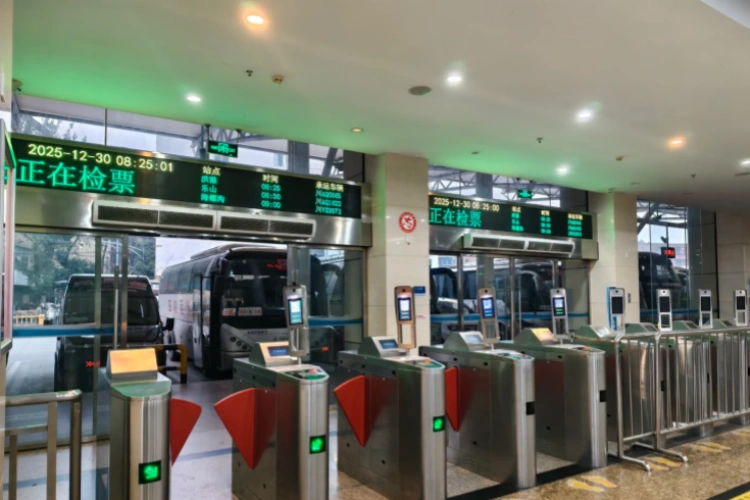
Bus Stations in Chengdu
In 2026, there are mainly 3 options for the Chengdu-Jiuzhaigou direct route.
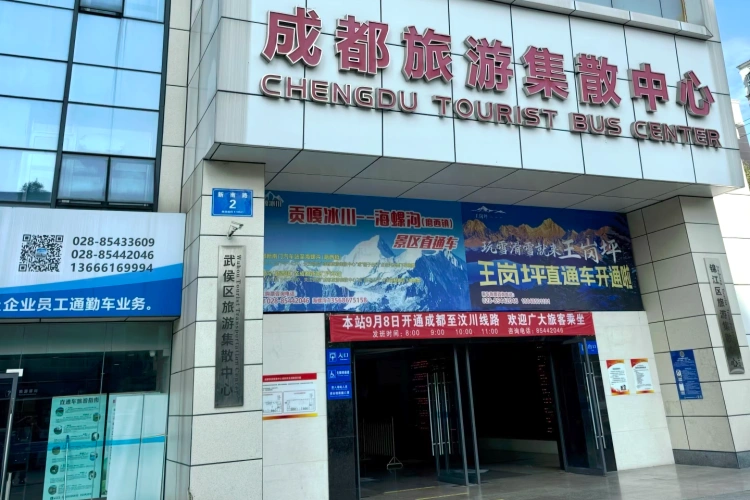
1. Xinnanmen Tourist Bus Center
Historically, the “go-to” station for foreigners. Xinnanmen is more central and has more daily departures to Jiuzhaigou than other stations.
Location: Near Huaxiba (Metro Line 3, Xinnanmen Stop).
Pros: Very central; easy to reach from most downtown hotels.
Cons: Tickets sell out fast; older facilities.
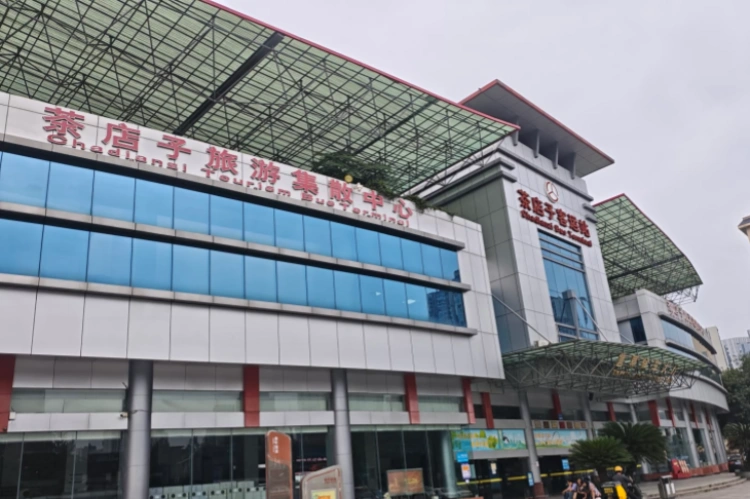
2. Chadianzi Bus Station
This is also a reliable station for Jiuzhaigou. It mainly serves the northwest routes of Sichuan.
Location: Xisanhuan Road (Metro Line 2, Chadianzi Bus Station Stop).
Pros: Frequent departures; buses are generally newer.
Cons: It’s a bit far from the city center (Wuhou/Chunxi Road area).
3. Chengdu East Railway Bus Terminal
This is the rising favorite. While it is a massive train station, its associated bus terminal serves as the main hub for shared vans and 7-9 seat business class cars.
Location: Chengdu East Railway Station (Metro Lines 2 & 7).
Pros: Offers “door-to-door” style service where you are dropped off directly at your hotel in Jiuzhaigou; much more comfortable seating than a standard bus.
Cons: Higher prices; departures are fewer and often rely on the vehicle being full before leaving.
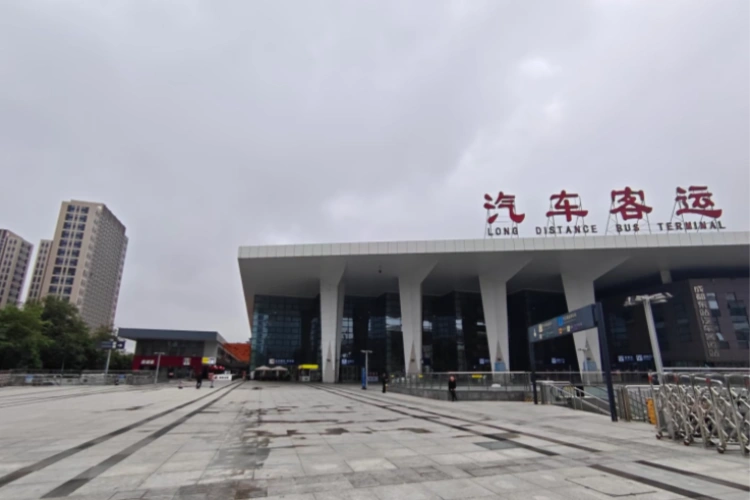
Chengdu to Jiuzhaigou Ticket
Standard tickets are about 120-200 RMB / 18-30 USD. Premium 8-seater “Business Coaches” departing from Chengdu East Railway Station can cost up to 230 RMB / 34 USD.
How to buy:
On-site: You can buy at the station windows with your Passport.
Online (Chinese Apps): Apps like Ctrip or Official Station Wechat Mini-programs require a Chinese ID or phone number, making them difficult for international tourists.
Third-Party Agencies: Websites like Trip.com or local agencies (like our team at QuietRoutes) can pre-book these for a small service fee.
QuietRoutes Tip: In the peak season (July–October), buy your ticket at least 2 days in advance. Do not show up at 7:00 AM expecting a seat on the 8:00 AM bus during a holiday.
Chengdu to Jiuzhaigou Bus Station Schedule, Duration and Price
Due to the long distance between Chengdu and Jiuzhaigou Valley, the bus schedule is heavily weighted toward early morning (between 07:00 and 9:00) departures. If you miss the morning window, you will likely have to wait until the next day or pivot to the train.
| Station | Location | Schedule | Duration | Price |
|---|---|---|---|---|
| Xinnanmen Tourist Bus Center | Metro Line 3, Xinnanmen Stop | Daily | 8–10 hours | ¥120–180 / $18-26 |
| Chadianzi Bus Station | Metro Line 2, Chadianzi Bus Station Stop | Daily | 8–10 hours | ¥120–200 / $18-30 |
| Chengdu East Railway Station (Bus Terminal) | Metro Lines 2 & 7, Chengdu Railway Station | Flexible departures (usually morning–midday, not fixed) | 7–9 hours | ¥230–350 / $34-52 |
QuietRoutes Tip: Though scheduled, delays may happen due to strict speed limits, weather conditions, and legally required stops for driver rest every 2-3 hours. So, plan your trip with more flexibility.
What the Bus Journey is Really Like
This isn’t a luxury tour; it’s a functional transit. Here is the unfiltered reality:
You will spend hours winding through the Min River valley. While the expressway is smooth, the final 100km into Jiuzhaigou involves sharp turns and steep grades.
You will stop at “Service Areas.” Expect “squat” toilets and stalls selling yak jerky, instant noodles, and fruit.
You will climb from Chengdu (~500m) to the Jiuzhaigou area (~2,500m). Most people don’t get severe altitude sickness on the bus, but you might feel a slight headache or lethargy.
If you are prone to car sickness, take medication 30 minutes before boarding. The constant swaying on the mountain segments is a major trigger.
Pros and Cons of Taking the Bus
Pros
- Cheapest price available
- Drops you closer to the scenic gate.
- No transfers needed with luggage.
- Beautiful riverside views.
Cons
- Extremely long (loses a whole day).
- Basic restrooms at stops.
- Cramped seating for 8+ hours.
- Higher risk of delays than the train.
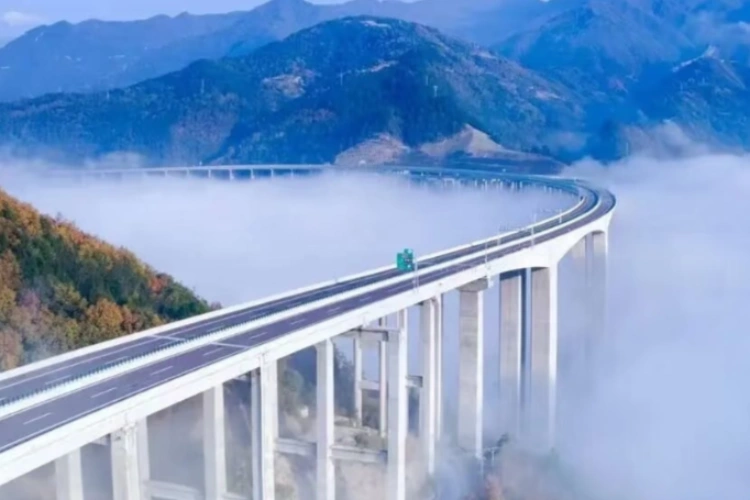
Bus vs Train vs Flight: Which to Choose
| Option | Time | Comfort | Cost | Best For |
|---|---|---|---|---|
| Bus | 8–10h | Low | ¥120-200 / $18-30 | Budget travelers |
| Train + Bus | 4–5h | Medium | ¥200-260 / $30-38 | Balanced choice |
| Flight | 3-4h | High | ¥800+ / $117+ | Fast & easy travel |
Quick Takeaway:
Choose the bus if the trains are sold out (which happens within minutes during the Golden Week); or if wanna a budget-friendly trip.
Otherwise, choose the train. The 100-minute bullet train to Huanglongjiuzhai Station followed by a 2-hour shuttle is the “standard” route.
When NOT to Take the Bus
If you have a tight schedule, such as only having 3 days in Sichuan, do not spend 2 of them on a bus.
If traveling with the elderly or toddlers, do not choose the bus. The lack of onboard toilets and the long duration make it very stressful for young children and seniors.
Not during the “Golden Week”. Traffic jams on the mountain roads during National Day (Oct 1–7) can turn an 8-hour trip into a 14-hour nightmare.
Travel Tips for Taking the Bus
Bring a power bank (buses rarely have working USB ports), noise-canceling headphones, and a neck pillow.
Drink water sparingly. Rest stops are 2-3 hours apart, and there are no toilets on the bus.
The bus will drop you at the Jiuzhaigou (Zhangza Town) bus station. Most hotels are within a 15 RMB / 3 USD taxi ride from here. If you’re taking a shared car, your driver will drop you off at the hotel.
Buy your snacks in Chengdu. Prices at mountain rest stops are doubled.
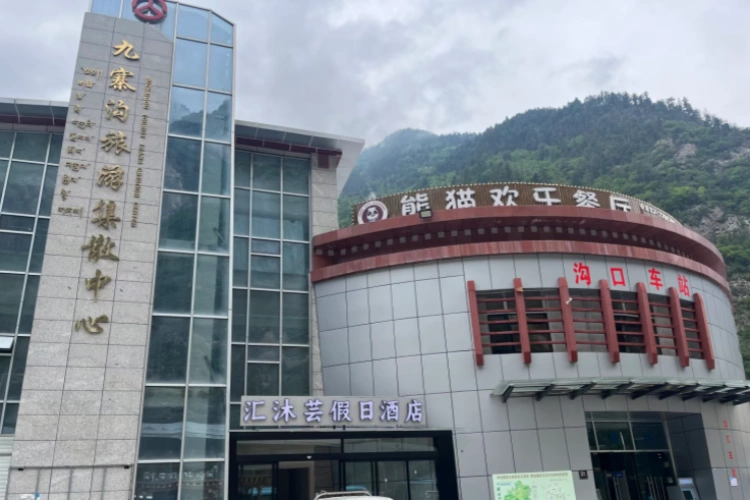
Best Alternative Routes to Jiuzhaigou
If the direct bus feels too daunting, consider:
The “Train-Bus” Hybrid: Take the morning bullet train to Huanglongjiuzhai Station, then take a bus or shuttle to Jiuzhaigou. It is more efficient and comfortable.
Private Transfer: For groups of 3 or more, a private driver from Chengdu offers the ability to stop at the Yingxiu Earthquake Memorial or Diexi Lake along the way. But make sure the driver and the vehicle are reliable.
Need a Stress-Free Way to the Valley?
At QuietRoutes, we specialize in helping travelers bypass the “crowd chaos” of Sichuan. Whether you need a pre-booked high-speed rail ticket, a private driver who knows the scenic backroads, or a tailor-made China itinerary that avoids the peak-hour bus rush, we can help.
Final Thoughts
Taking the bus from Chengdu to Jiuzhaigou is a practical but not comfortable choice. It works well if you’re traveling on a budget and don’t mind a long day on the road.
But if you want a smoother experience, especially for a once-in-a-lifetime destination like Jiuzhaigou, it’s worth considering faster and more comfortable alternatives.
FAQ
Is the Chengdu to Jiuzhaigou bus safe?
Yes, generally safe, but mountain roads require careful driving and can feel intense.
Can I book tickets online?
Possible via Chinese apps, but not very foreigner-friendly.
Are there overnight buses?
No. This route is typically daytime only.
What if the road is closed?
Buses may be delayed or canceled. You’d better have a backup plan, especially in the rainy season (Jun-Aug).