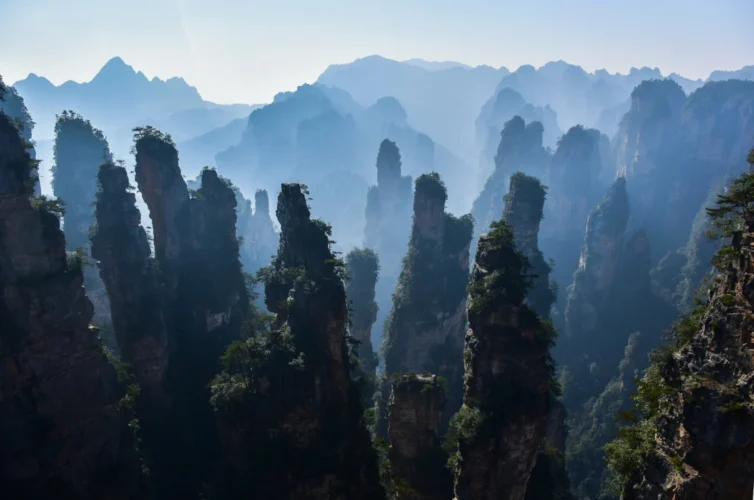
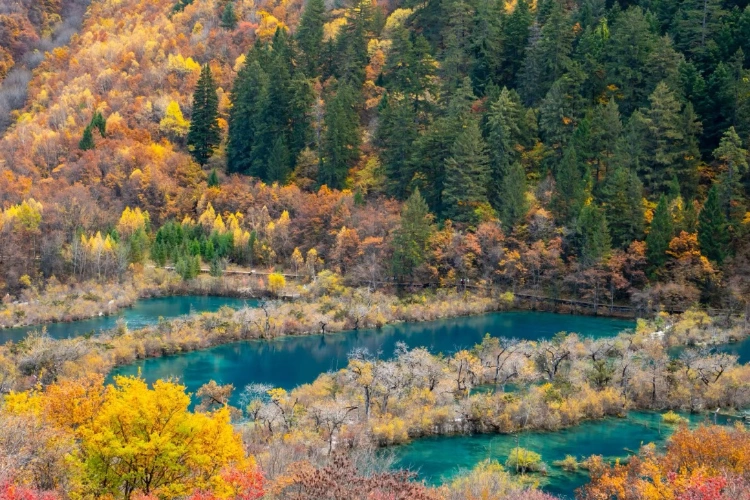
Chengdu is a city that refuses to be rushed. Whether you’re here to witness the “Panda morning rush hour” or to lose yourself in a smoky teahouse, the timing of your trip will drastically change your experience. In 2026, with shifting climate patterns and specific holiday shifts, planning is more vital than ever.
Based on local experience, here is the breakdown of the best time to visit Chengdu.
Overview: Chengdu Weather By Month
| Month | Avg Temp | Rain | Crowd Level | Best For... |
|---|---|---|---|---|
| Jan-Feb | 6°C | Low | High (CNY) | Chinese New Year vibes & hotpot |
| Mar-May | 18°C | Med | Moderate | Panda activity & blossoms |
| Jun-Aug | 29°C | High | High | Water festivals & mountain retreats |
| Sep-Nov | 19°C | Low | Moderate | Hiking & photography |
| Dec | 8°C | Low | Low | Budget travel & quiet temples |
The “Golden Season”: March to May & September to November
If you want the short answer: Visit in April or October.
These months offer the most comfortable temperatures (avg. 15°C to 22°C) and the highest chance of seeing the giant pandas active outdoors.
1. Spring (March – May): Best for Flowers & Pandas
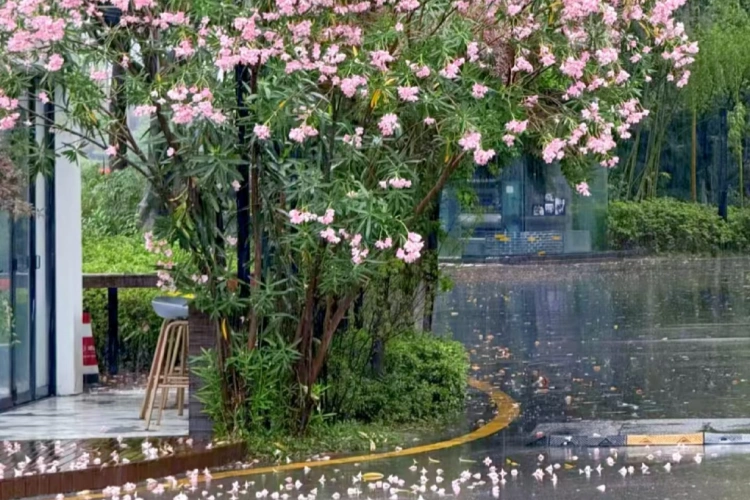
Spring is arguably the most beautiful time. The city’s parks, like People’s Park and the Qingyang Palace, explode with cherry blossoms and peonies.
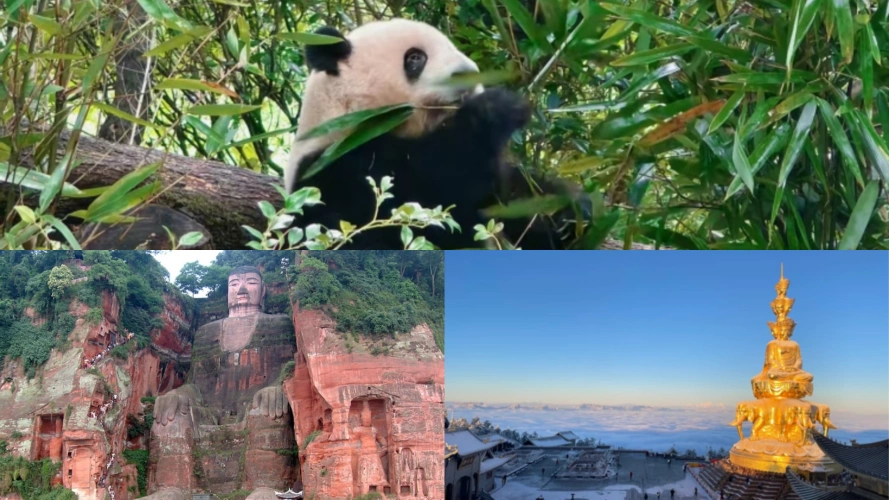
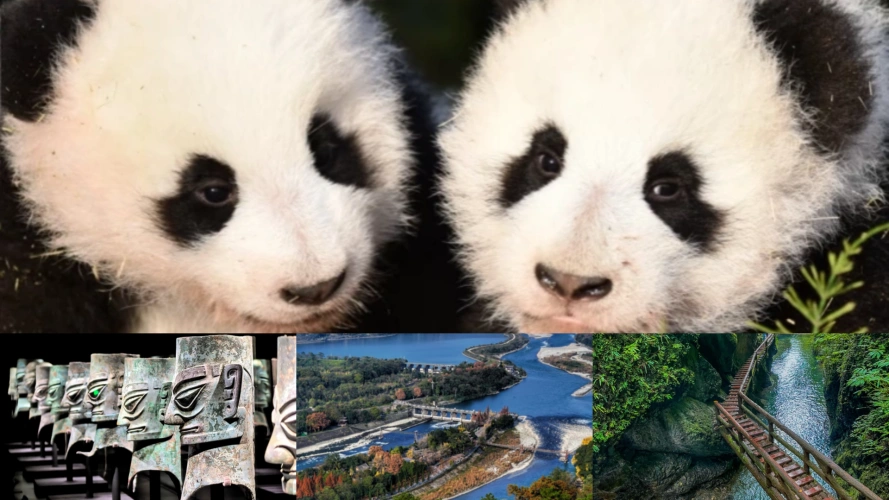
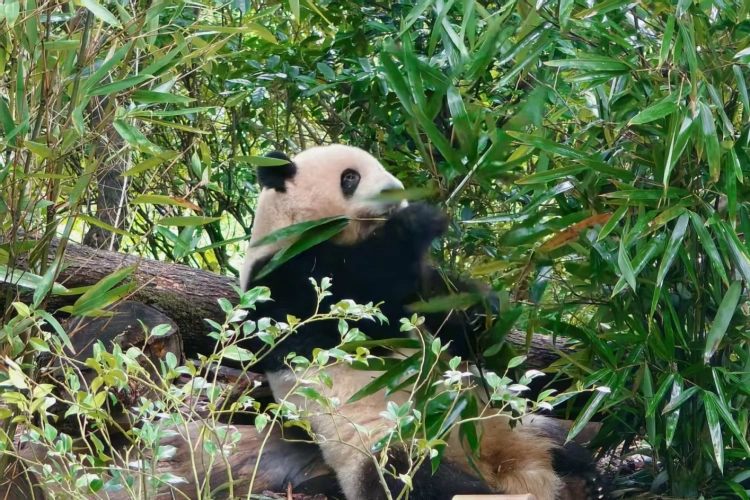
This is the best time to see pandas. They hate the heat; in spring’s mild air, they spend hours wrestling and climbing trees rather than sleeping in air-conditioned dens.
2026 Tip: Avoid the Labor Day break (May 1–5, 2026). Domestic tourism in China is at an all-time high, and the Chengdu Research Base of Giant Panda Breeding can reach capacity by 9:00 AM.
2. Autumn (September – November): Best for Photographers
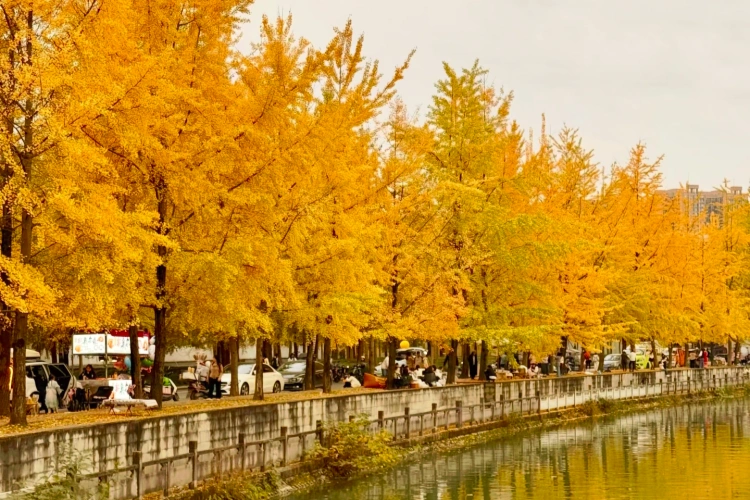
By late October, Chengdu turns gold. The city is famous for its ginkgo trees, which transform the streets into yellow-brick roads.
You can shortly enjoy the crisp air and clear skies (a rarity in foggy Chengdu). It’s the perfect weather to walk through Jinli Ancient Street.
Warning: In 2026, the Mid-Autumn Festival holiday (September 25-27) is very close to the National Day “Golden Week” (October 1–7), which will be the busiest travel week in the world. Unless you love massive crowds, do not visit during this time.
Surviving in Summer in Chengdu (June – August)
Summer is hot, humid, and rainy in Chengdu. Temperatures often hover around 35°C, and sometimes go up to 39°C. The humidity makes it feel even worse.
If you plan to visit pandas now, you must be at the Panda Base gate at 7:30 AM. By 10:30 AM, the pandas usually move into their indoor glass enclosures to escape the heat.
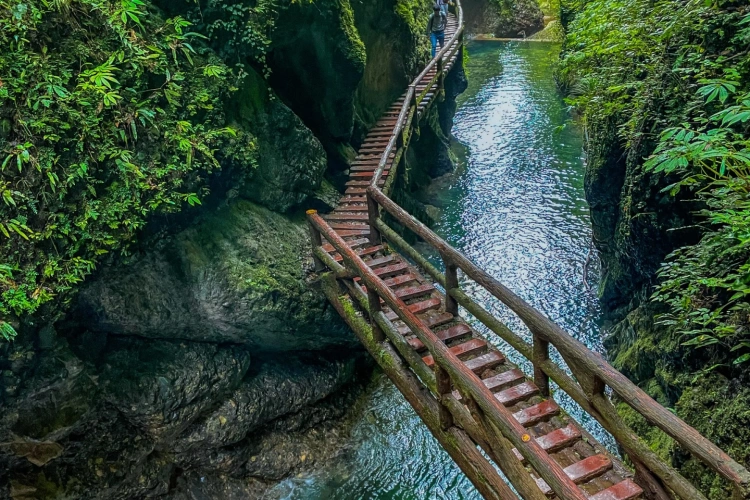
The survival tip: Do what the locals do: head to the mountains. Mount Qingcheng or Mount Emei is significantly cooler (usually 5-8°C lower) and provides a lush, misty refuge from the city heat.
Winter (December – February):
Best for Budget Travelers
While Chengdu is gray and damp in winter, it rarely freezes.
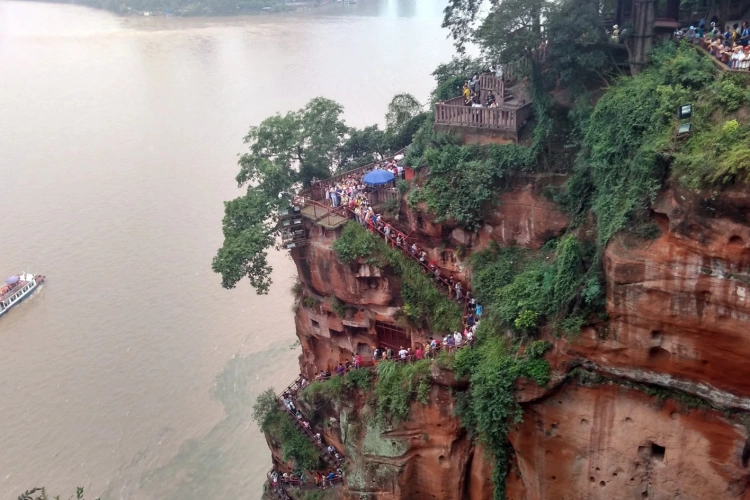
In these months, hotels are at their cheapest, and the crowds at the Leshan Giant Buddha disappear. There is nothing quite like eating spicy Sichuan hotpot when it’s 5°C outside. The steam, the spice, and the “slow life” (Man Shenghuo) of Chengdu are best felt in the quiet winter months.
2027 Spring Festival (Chinese New Year) falls around February 5, 2027. Expect a week of fireworks and temple fairs, but be prepared for many small family shops to close.
Genuine Local Experience Tips
The “Chengdu Blue” Myth: Chengdu is famously overcast. If you see a blue sky, drop your plans and go to a rooftop bar or the Twin Towers immediately. It might not last!
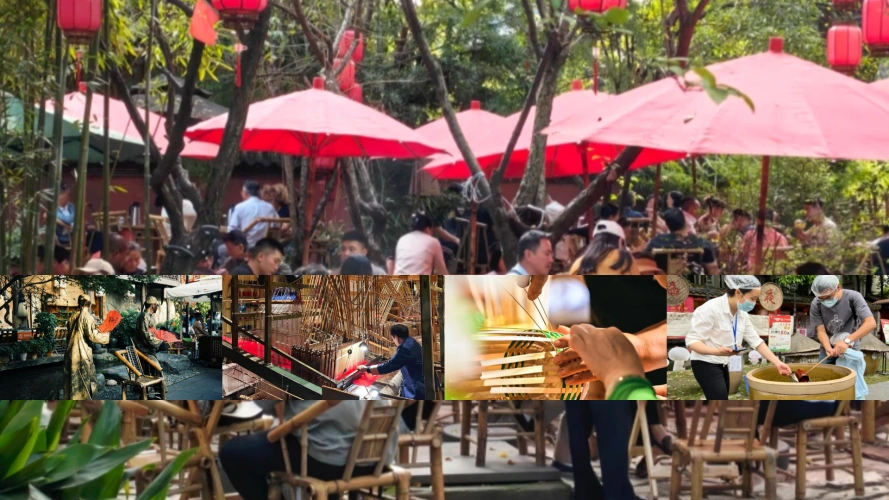
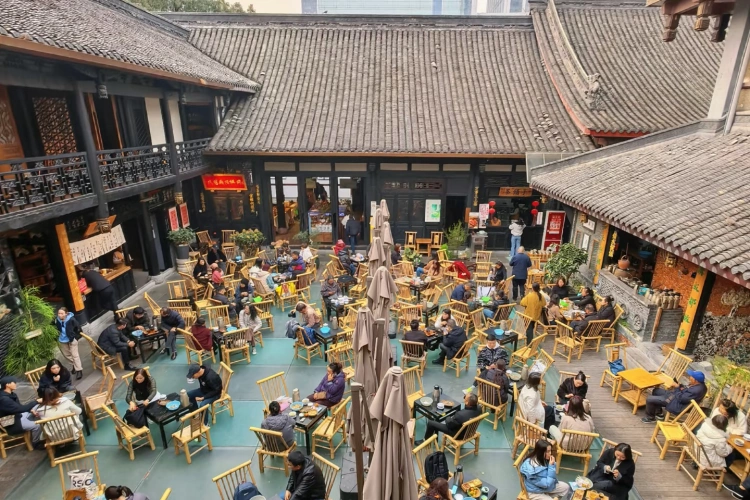
Teahouse “Slow-Motion” Hack: Skip the tourist-heavy teahouses in Wide and Narrow Alley. Instead, head to Wenshu Monastery or the Wukuaishi Tea Market early in the afternoon. These spots remain the “soul” of the city.
The 144-Hour Visa-Free “Lounge”: If you are transiting through Tianfu International Airport (TFU) in 2026, take advantage of the expanded 144-hour visa-free transit.
New for 2026: Visit the newly expanded Tianfu Garden City areas. They offer incredible green architecture that stays cool even during the humid summer months.
Final Verdict: When Should You Actually Go to Chengdu?
For the absolute best experience in 2026, target the month of April or late October. These “shoulder” windows are the only times you can reliably count on the Chengdu travel: active pandas, comfortable walking weather, and manageable queue times. If you are a foodie who can handle a bit of gray sky, December is our runner-up for a cozy, budget-friendly hotpot tour. Avoid the first week of October at all costs unless you want to see more people than pandas.
FAQ
Is Chengdu worth a winter trip?
Absolutely, if you’re here for the “Slow Life.” It’s the best time for steaming hotpot, quiet Buddhist temples, and snagging luxury hotels at a fraction of their peak price. Just don’t expect the sun; Chengdu’s winter sky is a permanent shade of “misty gray.”
What are the hottest months?
July and August are the heavyweights. The humidity can be intense, often making a >35°C day feel significantly more stifling. This is the only time of year when “mountain escapes” like Mt. Qingcheng aren’t just a suggestion. They’re a survival strategy.
When does the rainy season hit?
The “Big Rain” typically lands between June and August. You’ll mostly encounter short, dramatic thunderstorms in the late afternoon that clear the humidity for a few hours, rather than constant drizzling.
Is there a "bad" time to visit?
Not really, but there are “busy” times. Chengdu is a 365-day city, but if you value personal space, the first week of October (National Day) is the one window you might want to skip.
When is "Panda Prime Time"?
The golden rule is before 9:00 AM. Pandas are most active when the air is cool. In the spring and autumn, they’ll play outside for hours. In the heat of summer, they clock out and head to their air-conditioned indoor dens by mid-morning.
Is 7 days in Chengdu too long?
Not if you plan to explore the “Greater Chengdu” area. While you can see the city highlights in 3 days, 7 days allows you to include essential day trips like the Leshan Giant Buddha, Mount Qingcheng, and even a 2-day excursion to the Jiuzhaigou alpine lakes (now easily accessible via the high-speed rail line). For slow-travelers, a week is perfect to truly soak in the teahouse culture without rushing.
What is the coldest month in Chengdu?
January is officially the coldest month. Temperatures typically hover between 3° and 9°C. Because of the high humidity in the Sichuan Basin, the cold feels “damp” and can bite through light layers, so a windproof, heavy coat is a must.
Which one is better: Chengdu or Chongqing?
It depends on your “vibe.”
Choose Chengdu if you want a walkable, laid-back city with deep history, adorable pandas, and a balanced spice level in your food. It’s the “intellectual” sibling, calm and cultural.
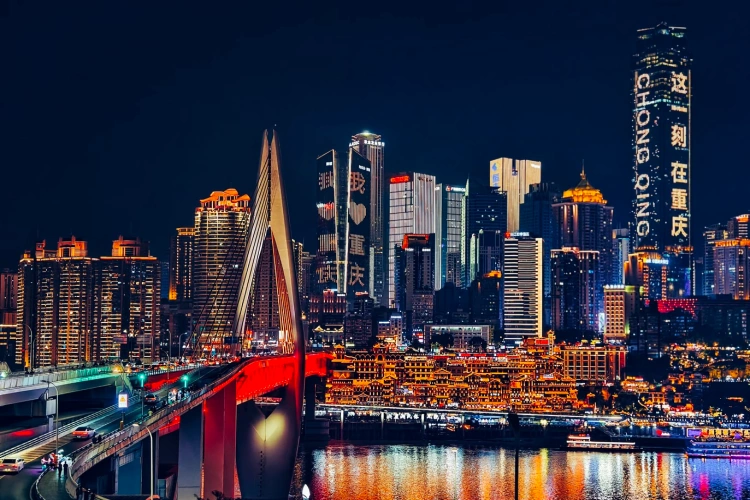
Choose Chongqing if you want a high-energy, “cyberpunk” atmosphere. It’s a 3D mountain city with vertical skyscrapers, dramatic river views, and a much more intense, numbing spice profile.
Our 2026 Tip: They are only 1.5 to 2 hours apart by high-speed rail. There’s no reason not to visit both!
How many days do I need to visit Chengdu?
1–2 Days: Just the essentials (Panda Base, Wide & Narrow Alleys, and a hotpot dinner).
3–4 Days (Recommended): The “Classic” stay. This covers the pandas, the city culture, and a full day trip to the Leshan Giant Buddha or Dujiangyan.
5+ Days: The “Explorer” route. This gives you time for the Sanxingdui Museum (a 2026 must-see for history buffs) and overnight stays in the surrounding mountains.