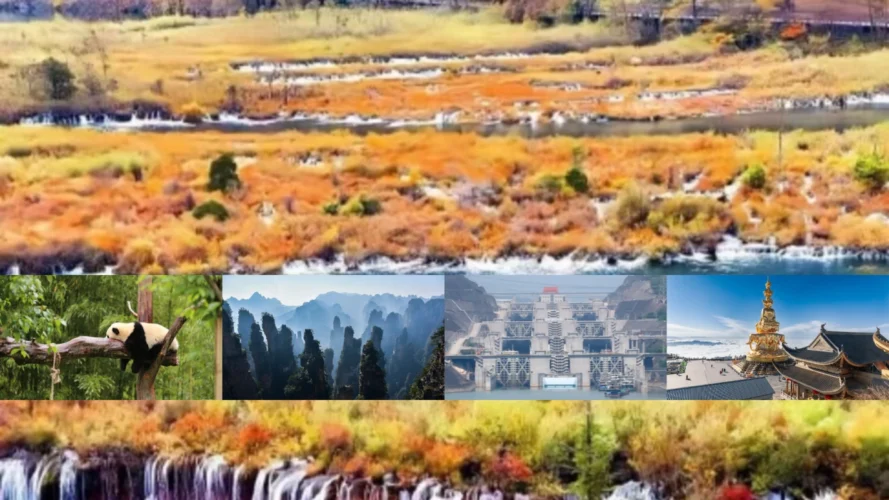
When travelers talk about the “bucket list” of China, Jiuzhaigou National Park usually sits right at the top, often accompanied by the lofty title: “Fairyland on Earth.” But for many, the “Question behind the Question” isn’t about the beauty. It’s about the effort.
Is it worth the high ticket price? Is it worth the thin mountain air? And most importantly, is it worth the journey from Chengdu? After the 2017 earthquake and the massive infrastructure shifts of the last few years, the Jiuzhaigou of 2026 is a different beast than it was a decade ago.
Here is an honest, balanced evaluation to help you decide if this UNESCO World Heritage site deserves a spot on your itinerary.
What Makes Jiuzhaigou So Famous?
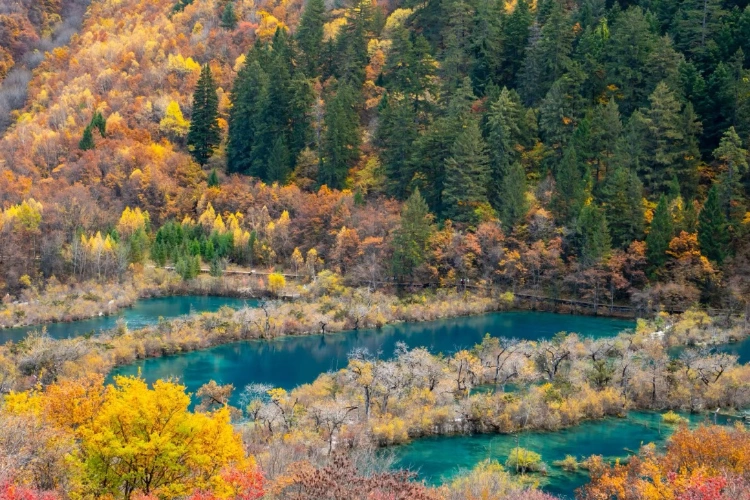
Jiuzhaigou isn’t just a park; it’s a geological anomaly. Located in the Aba Tibetan and Qiang Autonomous Prefecture of Sichuan, it is a Y-shaped valley system that looks like a watercolor painting come to life.
A UNESCO World Heritage Landscape: Recognized for its “superlative natural phenomena,” the park is home to multi-tiered waterfalls like Pearl Shoal and Nuorilang, high-altitude alpine forests, and nine ancient Tibetan villages that give the park its name (Jiuzhai means “Nine Villages”).
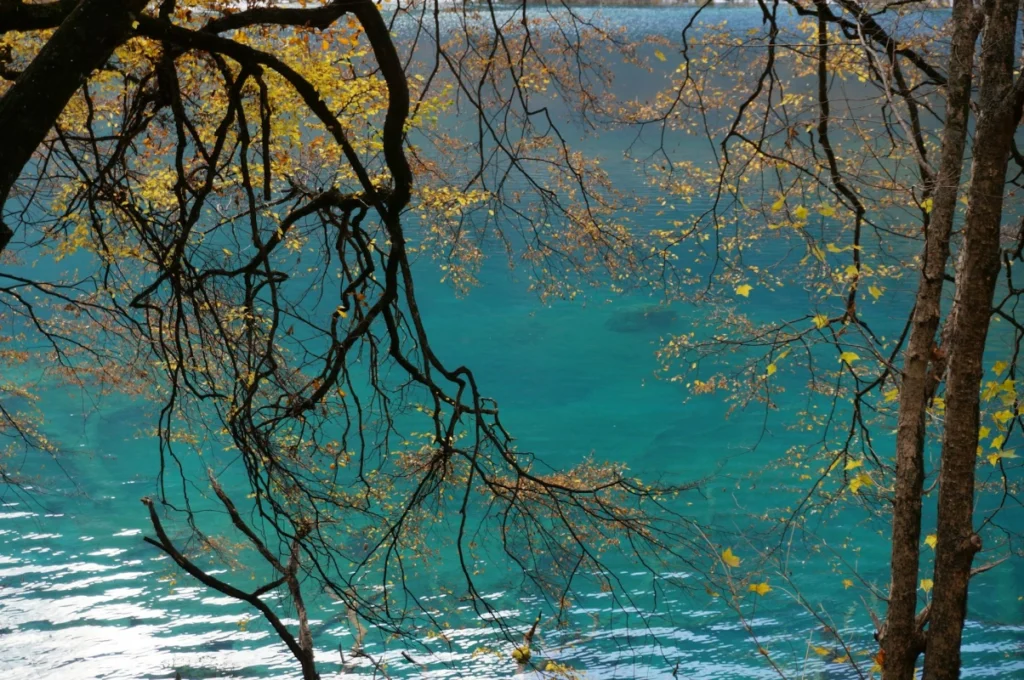
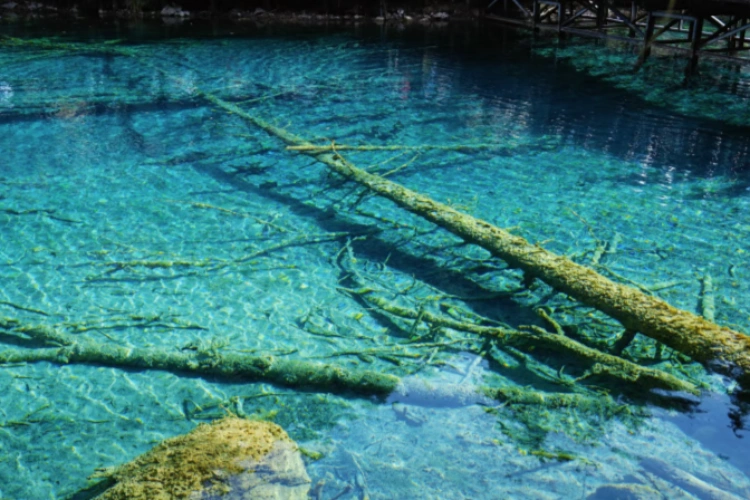
The “Five-Color” Effect: The lakes are the primary draw. Due to high concentrations of calcium carbonate and remarkably clear spring water, the lakes act as natural prisms. On a sunny day, the water shifts between turquoise, emerald, and sapphire, creating a surreal “underwater forest” effect where fallen ancient trees are perfectly preserved and visible through the depths.
The Real Pros: Why It Lives Up to the Hype
If you are looking for scenery that is genuinely unique in China, and arguably the world, Jiuzhaigou delivers.
Unmatched Photographic Quality: Whether it’s the glass-like reflection of Mirror Lake in the morning or the fiery maples of autumn, the “hit rate” for beautiful photos is 100%. You don’t need to be a professional; the landscape does the work for you.
World-Class Infrastructure: Unlike many rugged mountain parks, Jiuzhaigou is highly structured. The park features an efficient eco-bus system that whisks you between sights, paired with miles of pristine wooden boardwalks. It is incredibly safe and easy to navigate for independent travelers, seniors, and families.
The “Quiet Routes” Potential: While the main hubs are busy, the boardwalks between stations allow you to disappear into the forest. Most tourists stay near the bus stops, meaning 15 minutes of walking can often buy you a private view of a turquoise stream.

The Honest Downsides (The Credibility Check)
To be authoritative, we have to talk about the “pain points.” Jiuzhaigou is not a perfect experience for everyone.
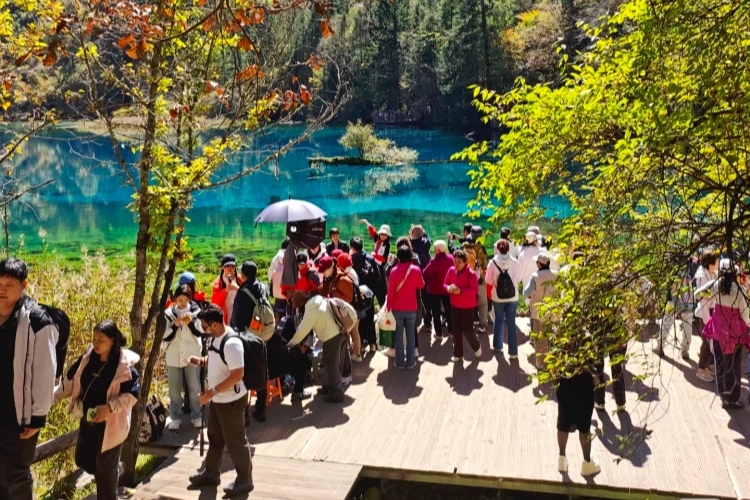
The “Human Sea”: During the Autumn, especially late October to early November, the park can feel like a crowded shopping mall. The daily cap of 41,000 visitors is large, and the queues for shuttle buses can test your patience.
Altitude Concerns: The park sits between 2,000m and 3,100m. While most people don’t suffer severe altitude sickness, the thin air makes climbing stairs or long walks much more exhausting than at sea level.
The Cost: Jiuzhaigou is often considered one of the more expensive national parks, but the pricing is fairly straightforward. The combined entrance ticket and shuttle bus fee is approximately US$41 during peak season and around US$24 in the off-season.
Beyond the ticket, daily expenses tend to be higher because all supplies must be transported into the mountains. As a result, even a simple bowl of noodles or a bottle of water can cost nearly double what you would pay in Chengdu.
Post-Earthquake Reality: Is it Restored?
The 7.0 magnitude earthquake in 2017 was a major blow, but in 2026, the recovery is a success story.
Nuorilang Waterfall, which famously cracked and drained, has naturally re-calcified.
Sparkling Lake, which was damaged, has been carefully restored using high-tech eco-materials that are now virtually invisible.
In many ways, the park feels “refreshed.” The infrastructure is newer, the digital booking systems are smoother, and nature has reclaimed the scars of the quake.
Who Should (and Shouldn’t) Visit Jiuzhaigou?
Ideal For:
Landscape Photographers: It is your playground.
Nature Lovers: If you find peace in water and forest, this is your Mecca.
Couples & Slow Travelers: The romantic vistas and luxury resorts (like the new Ritz-Carlton) make it a premier “slow travel” destination.
May Not Be Ideal For:
Party Seekers: There is very little nightlife. Zhangzha Town is quiet by 10 PM.
Culture Purists: While there are Tibetan villages, they are highly commercialized. For “raw” Tibetan culture, you’re better off in Western Sichuan or Tibet proper.
The Altitude-Sensitive: If you struggle significantly with elevation, the physical demands might outweigh the visual rewards.
Is It Worth the Journey from Chengdu?
The question used to be the dealbreaker.
The Old Way: 8–10 hours by bus.
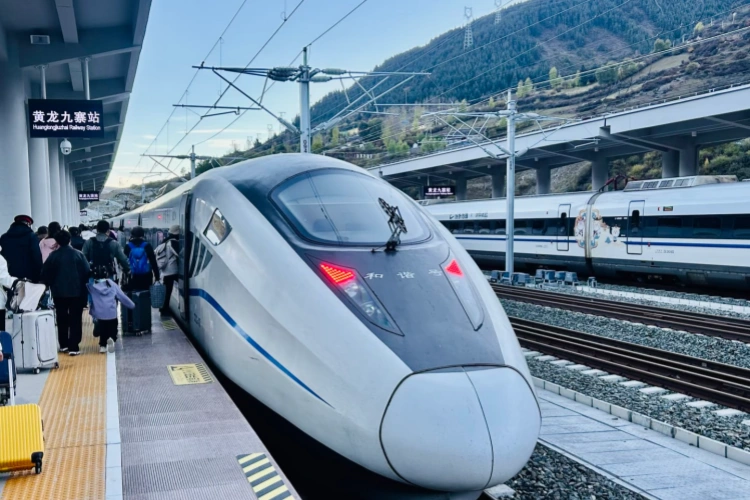
The 2026 Way: The High-Speed Rail has changed everything. You can now reach Huanglongjiuzhai Station in under 2 hours. Here’s the full guide to traveling from Chengdu to Jiuzhaigou by high-speed train.
The journey is no longer a barrier; it’s an invitation. However, if you prefer the scenic route, a private tour allows you to stop at Songpan Ancient Town and Mount Zhegu, which adds immense value to the trip.
Cost vs. Value: Is It Overpriced?
At approximately ¥280 (US$41 USD) for a peak-season day pass, it is expensive. For comparison, it is pricier than Zhangjiajie or Huangshan.
However, when you consider the scale of the maintenance and the environmental protection required to keep those lakes that specific shade of blue, the value proposition holds up. You aren’t just paying for a park; you are paying for the preservation of a geological miracle.
2026 Head-to-Head: Jiuzhaigou vs. Zhangjiajie
Many travelers only have time for one “Natural Wonder.” In 2026, both have become far more accessible, but they offer fundamentally different experiences. Choosing between them is like choosing between a high-definition watercolor painting and a vertical sci-fi blockbuster.
The Verdict
Choose Jiuzhaigou if: You want a “wow” factor from the ground up. If you love the play of light on water, the rustle of Tibetan prayer flags, and a landscape that feels almost impossibly colorful, this is your winner. It is the more “relaxing” of the two wonders.
Choose Zhangjiajie if: You want heart-pounding heights and sci-fi landscapes. If you want to stand on the “World’s Highest Glass Bridge” or look down from the Bailong Elevator at a forest of stone fingers, Zhangjiajie will provide the adrenaline rush you’re looking for.
The “Quiet Routes” Pro Tip: In 2026, you no longer have to choose only one. With improved flight/railway connections and smoother regional transfers, it is now entirely feasible to combine both icons into a single, well-paced journey. Our thoughtfully designed route begins in Chengdu, allowing you to experience the luminous lakes of Jiuzhaigou before transitioning to the dramatic sandstone pillars of Zhangjiajie — a progression from serenity to spectacle.
Final Verdict: So… Is Jiuzhaigou Worth It?
YES, if… You visit mid-week, book your train tickets in advance, and have a genuine love for water-based landscapes. It is a world-class wonder that lives up to its reputation.
MAYBE, if… You are on a very tight budget or are only in China for a few days. The total cost and travel time might eat into other cultural experiences.
NO, if… You are visiting during “Golden Week” (Oct 1-7). The crowds will likely ruin the “Fairyland” magic you came to see.