
12-Day Chengdu Tibet Train Tour: Scenic Chengdu to Lhasa Journey
- Chengdu, Tibet
- 12D / 11N
From $2,020 p.p
Overview
- 12D / 11N
- Train, Private Vehicle
- Private
- Custom
Ride the Legendary Chengdu to Lhasa Train through Tibet’s Most Breathtaking Landscapes
This 12-day Chengdu Tibet train tour combines the cultural charm of Chengdu with one of the world’s most scenic railway journeys aboard the famous Qinghai–Tibet Railway.
Travel from Chengdu to Lhasa by train across vast plateaus, snow-capped mountains, and remote Tibetan landscapes before exploring the spiritual heart of Tibet. Discover iconic highlights including Lhasa, Potala Palace, Jokhang Temple, Yamdrok Lake, and Shigatse.
Designed for first-time Tibet travelers, this route blends unforgettable rail adventure, cultural immersion, and breathtaking Himalayan scenery into one extraordinary journey.
Highlights

Itinerary
Day 1:
Chengdu Airport / Railway Station→ Hotel
The Experience:
Upon arrival in Chengdu, your local driver will meet you at the airport or railway station and transfer you to your hotel in the city center.
The rest of the day is free for relaxation after the journey or independent exploration at your own pace.
Chengdu
None
Chengdu
Day 2:
Chengdu Panda Base → Local Food Tour → Opera Performance
The Experience:
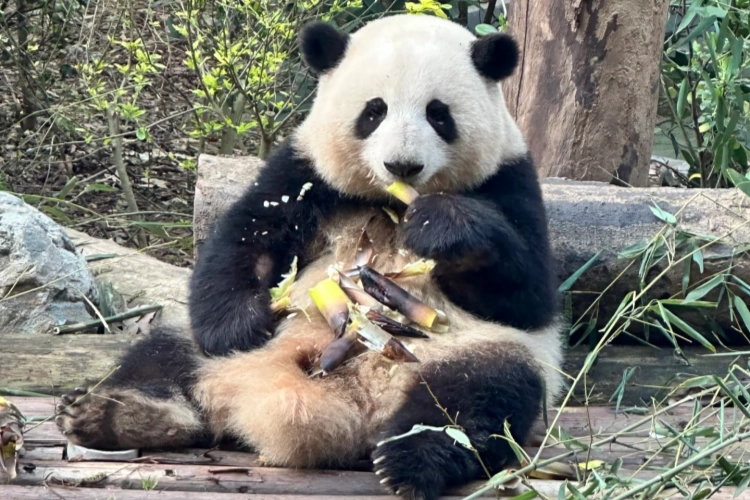
After breakfast, you will visit the famous Chengdu Research Base of Giant Panda Breeding, one of the best places in China to see giant pandas in a natural-style environment.
Pandas are most active in the early morning, when they eat bamboo, climb, and play. The base also offers insight into panda conservation and breeding programs in Sichuan.
Later, continue with a local food experience to discover the flavors of authentic Sichuan cuisine.
Explore lively streets and local eateries while tasting regional specialties such as dumplings, noodles, and classic Sichuan snacks.
In the evening, visit Jinli street, enjoy a traditional Sichuan opera performance featuring face-changing, folk music, fire-spitting, and classic theatrical arts unique to the region. This centuries-old performance tradition offers a fascinating introduction to local culture before the upcoming Chengdu to Lhasa train journey.
Highlights
- Close-up panda encounter
- Authentic Sichuan cuisine tasting
- Traditional face-changing performance
Tips
- Visit the pandas before 9 AM
- Bring light snacks; lunch can be flexible
- Photography is allowed, but avoid flash
Chengdu
Breakfast
Chengdu Research Base of Giant Panda Breeding, Opera Performance
Day 3:
Chengdu → Leshan Giant Buddha → Local Food Experience → Chengdu
The Experience:
Today, we’ll take a day trip from Chengdu to visit the world-famous Leshan Giant Buddha, the largest stone Buddha statue on Earth and a UNESCO World Heritage Site.
Built during the Tang Dynasty over 1,200 years ago, the 71-meter-tall Buddha was carved directly into the riverside cliff where three rivers meet. You can explore the site on foot along the cliffside pathways. Optionally, you can take a boat ride to enjoy panoramic views from the river.
After sightseeing, enjoy a local food experience in Leshan, a city highly regarded across Sichuan for its rich culinary traditions.
Compared with Chengdu flavors, Leshan cuisine is often slightly milder but deeply savory, with many beloved street snacks and traditional dishes.
In the late afternoon, return to Chengdu by private transfer. You can take a rest in the hotel.
Highlights
- Visit the iconic Leshan Giant Buddha
- Experience authentic Leshan local cuisine and street food culture
- Scenic riverside landscapes and historical Buddhist heritage
Tips
- Wear comfortable walking shoes
- Summer can be warm and humid, so light clothing and water are recommended
Chengdu
Breakfast
Leshan Giant Buddha
Day 4:
Chengdu → Overnight on the Qinghai–Tibet Railway
The Experience:
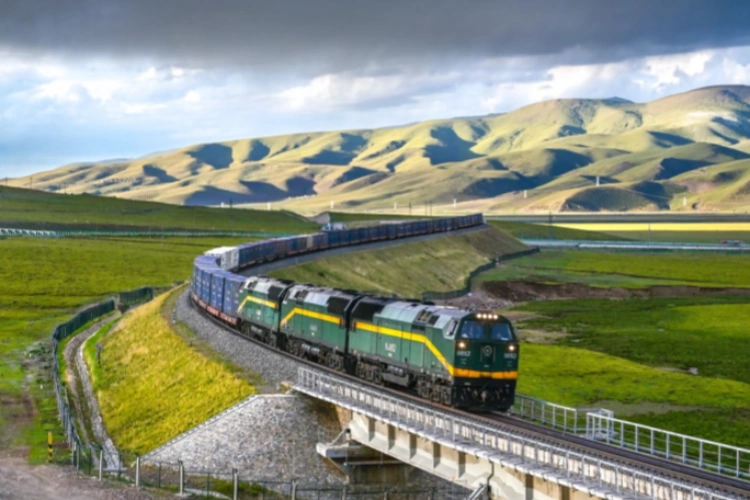
Today begins one of the most unforgettable parts of the journey: the legendary Chengdu to Lhasa train experience.
After breakfast, your driver will transfer you to Chengdu West Railway Station and board the famous Qinghai–Tibet Railway bound for Lhasa.
As the train gradually leaves the Sichuan Basin behind, the landscapes begin to transform from dense urban scenery into vast grasslands, remote mountains, and high-altitude plateau views. The train is equipped with oxygen systems to help passengers better adapt to Tibet’s elevation, making it one of the most comfortable ways to enter the region.
Relax in your soft sleeper cabin, enjoy the changing scenery, and experience one of the world’s highest railway journeys.
Highlights
- Board the world-famous Chengdu to Lhasa train
- Scenic transition from Sichuan landscapes to the Tibetan Plateau
- Unique overnight rail experience across Western China
Tips
- Keep passports and Tibet Travel Permit easily accessible before boarding
- Pack snacks, power banks, and entertainment for the long train journey
- Staying hydrated and avoiding strenuous activity can help with altitude adjustment
Train
None
Overnight on the Qinghai
Day 5:
Lhasa Train Arrival → Hotel
The Experience:
Today, the Chengdu to Lhasa train arrives in Lhasa, the spiritual heart of Tibet and one of the highest cities in the world.
Upon arrival at the railway station, your local Tibetan guide will welcome you and transfer you to the hotel.
The rest of the day is reserved for acclimatization and rest. At an altitude of around 3,650 meters, allowing the body time to gradually adapt is very important for a comfortable Tibet travel experience.
It is recommended to move slowly, drink plenty of water, and avoid intense physical activity during the first day in Lhasa.
Depending on your energy level, you may take a light walk near the hotel to experience the atmosphere of this historic Himalayan city, surrounded by mountains, monasteries, prayer flags, and Tibetan culture.
Highlights
- Complete the legendary Chengdu to Lhasa train journey
- First impressions of Tibet’s unique culture and Himalayan scenery
- Gentle introduction to life on the Tibetan Plateau
Tips
- Rest well and avoid overexertion on the first day in Tibet
- Drink plenty of water and avoid alcohol
- Mild altitude symptoms such as light headache or shortness of breath can be normal during acclimatization
Lhasa
Breakfast
Lhasa
Day 6:
Potala Palace → Jokhang Temple → Barkhor Street
The Experience:
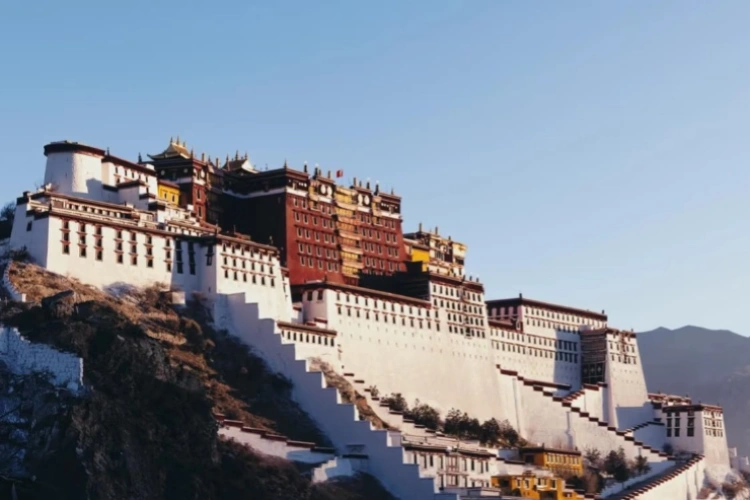
After breakfast, begin exploring the iconic Potala Palace, the most recognizable landmark in Tibet and the former winter residence of the Dalai Lamas.
Rising dramatically above Lhasa, the palace contains historic chapels, Buddhist murals, meditation halls, and panoramic views over the city.
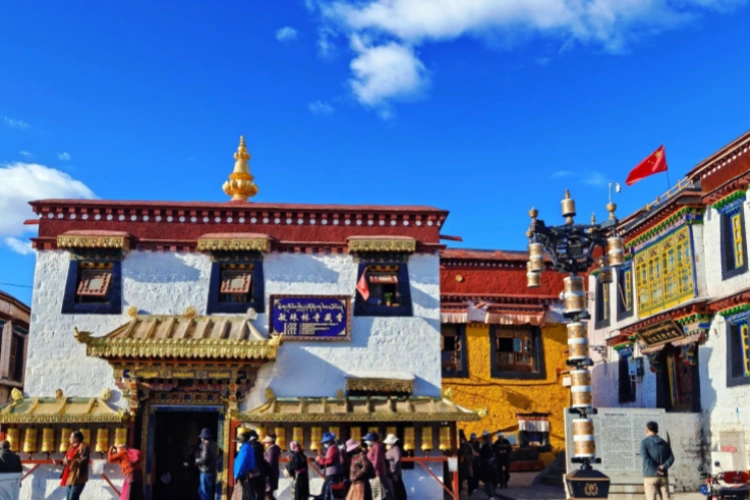
Later, continue to Jokhang Temple, considered the holiest temple in Tibetan Buddhism. Pilgrims from across Tibet gather here to worship, creating one of the most atmospheric cultural experiences in Lhasa.
Surrounding the temple is Barkhor Street, a traditional pilgrimage circuit lined with prayer wheels, incense-filled alleys, handicraft shops, and local Tibetan life. Walking here offers a close look at Tibet’s living spiritual traditions and daily culture.
Highlights
- Visit the legendary Potala Palace, a symbol of Tibet
- Experience Tibetan Buddhist culture at Jokhang Temple
- Explore the vibrant atmosphere of Barkhor Street
Tips
- Potala Palace visits involve stairs and moderate walking at high altitude
- Photography may be restricted inside certain religious halls
- Walking clockwise around Barkhor Street follows local pilgrimage customs
Lhasa
Breakfast
Potala Palace, Jokhang Temple, Barkhor Street
Day 7:
Sera Monastery → Traditional Handicraft Center
The Experience:
Today, we will visit Sera Monastery, one of the great Gelug monasteries of Tibet and an important center of Tibetan Buddhist learning.
Founded in the 15th century, the monastery is best known for its lively monk debate sessions, where monks gather in the courtyard to discuss Buddhist philosophy through animated gestures and traditional debate techniques.
After exploring the monastery halls, prayer chapels, and peaceful surroundings, you will continue to a traditional Tibetan handicraft center to learn about local artisan culture. Discover how Tibetan incense, Thangka paintings, carpets, and handmade crafts are created using techniques passed down through generations.
This experience offers a deeper understanding of Tibetan daily life, spirituality, and artistic traditions.
Highlights
- Witness the famous monk debates at Sera Monastery
- Learn about traditional Tibetan arts and handicrafts
Tips
- Monk debates usually take place in the afternoon and may vary by monastery schedule
- Respect local customs and remain quiet inside prayer halls
- Tibetan handicrafts make meaningful cultural souvenirs, especially handmade local products
Lhasa
Breakfast
Sera Monastery, Traditional Handicraft Center
Day 8:
Lhasa → Yamdrok Lake → Karola Glacier → Shigatse
The Experience:
After breakfast in Lhasa, you will begin your journey toward the dramatic landscapes of the Tsangpo Valley.
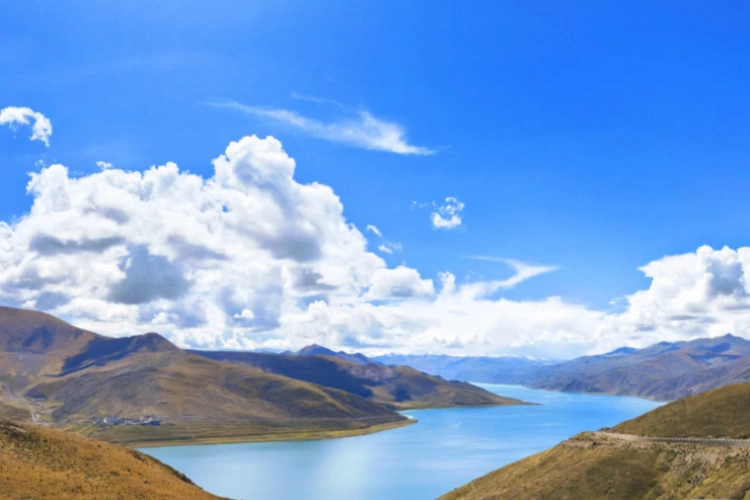
The drive winds up the Kamba La Pass (4,790m), where you are rewarded with a breathtaking panoramic view of Yamdrok Lake. One of Tibet’s three most sacred lakes, its fan-shaped turquoise waters stretch across the plateau, framed by distant snow-capped peaks.
As you descend toward the lakeshore, the route continues toward the towering Karola Glacier. This magnificent ice cap, visible directly from the highway, tumbles down from Mt. Noijin Kangsang.
You will have the opportunity to stand at the foot of this ancient glacier, feeling the crisp mountain air and witnessing the stark contrast between the white ice and the rugged high-altitude desert.
In the afternoon, the journey takes you through the historical town of Gyantse before arriving in Shigatse, Tibet’s second-largest city. This transit through the heart of the plateau allows for a slow, intentional transition into the deeper Himalayan landscape, ensuring your body continues to adapt comfortably to the altitude.
Highlights
- Turquoise Waters of Yamdrok
- Himalayan Glacial Proximity
- A peaceful drive through traditional Tibetan farming villages and high passes
Tips
- The Kamba La Pass can be very windy and significantly colder than Lhasa; keep a windbreaker or down jacket accessible.
- The UV radiation is exceptionally high near the glacier; apply high-SPF sunscreen and wear sunglasses.
- When visiting Yamdrok Lake, please avoid swimming or walking into the water, as it is a deeply spiritual site for locals.
Shigatse
Breakfast
Yamdrok Lake, Karola Glacier, Shigatse
Day 9:
Tashilhunpo Monastery → Lhasa
The Experience:
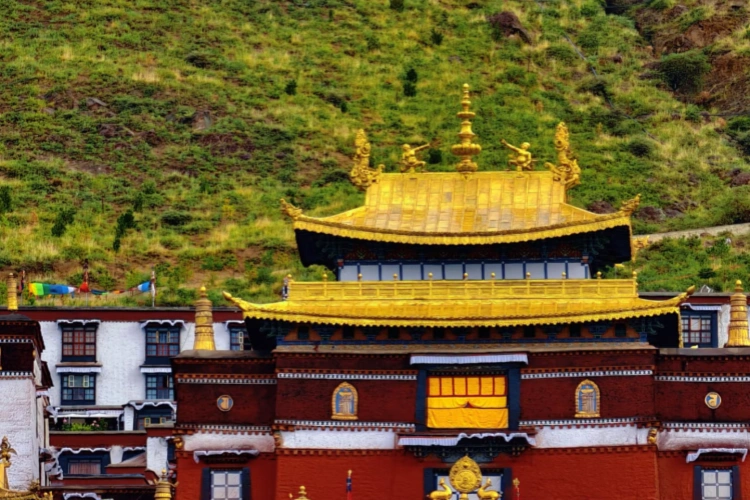
After breakfast, we will visit the magnificent Tashilhunpo Monastery, one of the most important monasteries in Tibet and the traditional seat of the Panchen Lama.
Founded in the 15th century, the monastery is famous for its golden rooftops, impressive prayer halls, giant Buddha statues, and peaceful mountain setting.
Walking through the monastery complex offers a deeper look into Tibetan Buddhist traditions, monastic life, and religious art. Pilgrims turning prayer wheels and chanting monks create a spiritual atmosphere unique to Tibet.
Later, begin the return journey to Lhasa by road across the Tibetan Plateau, passing highland scenery, villages, and distant Himalayan landscapes along the way.
Highlights
- Explore the historic Tashilhunpo Monastery
- Experience Tibetan Buddhist culture beyond Lhasa
- Scenic overland journey across the Tibetan Plateau
Tips
- Sun protection is recommended due to strong high-altitude sunlight
- Roads in Tibet can involve long driving hours, so comfortable clothing is helpful
- Carry water and snacks during the return journey
Lhasa
Breakfast
Tashilhunpo Monastery
Day 10:
Lhasa Free Exploration
The Experience:
Today is free for independent exploration in Lhasa at your own pace. After several days of guided cultural experiences, this flexible day allows you to slow down and experience the atmosphere of Tibet more personally.
You may revisit favorite areas such as Barkhor Street, relax in a traditional Tibetan teahouse, explore local markets, or simply enjoy the peaceful rhythm of daily life in Lhasa.
For travelers interested in photography or culture, the city’s old alleys, monasteries, prayer wheels, and mountain views provide endless opportunities to observe authentic Tibetan life.
This is also a good day to rest and further adapt to the altitude while enjoying the unique atmosphere of the Himalayan plateau city.
Highlights
- Flexible time to explore Lhasa independently
- Experience local Tibetan daily life and traditional culture
- Relaxed pace after days of sightseeing
Tips
- Walk slowly and avoid overexertion at high altitude
- Local teahouses are great places to experience Tibetan social culture
- Keep your passport and Tibet Travel Permit with you while exploring
Lhasa
Breakfast
Lhasa
Day 11:
Lhasa → Namtso Lake → Lhasa
The Experience:
Today, take a full-day excursion to the breathtaking Namtso Lake, one of the highest saltwater lakes in the world and one of Tibet’s most sacred natural sites.
Located on the vast Tibetan Plateau and surrounded by snow-capped mountains, the lake is famous for its crystal-clear blue waters, dramatic skies, and peaceful spiritual atmosphere.
The drive from Lhasa offers spectacular highland scenery, with open grasslands, nomad settlements, yaks, and panoramic Himalayan landscapes along the way.
Upon arrival, enjoy time to walk along the lakeshore, take in the stunning views, and experience the tranquil beauty of Tibet’s sacred nature.
After sightseeing, return to Lhasa in the evening.
Highlights
- Visit the sacred Namtso Lake on the Tibetan Plateau
- Spectacular alpine scenery and Himalayan landscapes
- Experience Tibet’s unique connection between nature and spirituality
Tips
- Namtso Lake sits at a very high altitude, so move slowly and stay hydrated
- Weather can change quickly; warm layers and sun protection are recommended
- The sunlight on the plateau is very strong, even on cloudy days
Lhasa
Breakfast
Namtso Lake
Day 12:
Lhasa Hotel → Airport / Railway Station → Departure
The Experience:
After breakfast, you can enjoy some free time depending on your departure schedule. Your driver will then transfer you from the hotel to Lhasa Airport or the railway station for your onward journey.
As the Chengdu Tibet train tour comes to an end, take with you unforgettable memories of the Tibetan Plateau, from the legendary Chengdu to Lhasa train ride and ancient monasteries to sacred lakes, Himalayan scenery, and the unique spiritual culture of Tibet.
We hope this journey through Tibet leaves lasting impressions and meaningful travel experiences far beyond the mountains.
None
Breakfast
Lhasa
Accommodation
- Chengdu: 3 Nights
- Train: 1 Night
- Lhasa: 6 Nights
- Shigatse: 1 Night
This Chengdu-Tibet train tour includes carefully selected 3-star to 4-star hotels in convenient locations, balancing comfort, local character, and value throughout the journey.
In Chengdu and Lhasa, accommodations are typically centrally located for easy access to restaurants, cultural sites, and local experiences.
During the famous Chengdu to Lhasa train journey, soft sleeper cabins on the Qinghai–Tibet Railway provide a comfortable and scenic way to cross the Tibetan Plateau.
In smaller Tibetan towns, accommodations are simpler compared to major cities, but remain clean, safe, and well-suited for the high-altitude travel experience.
Cost
Included
- High-speed train tickets with soft sleeper (Chengdu – Lhasa).
- Private air-conditioned vehicle for all local transfers.
- Expert English-speaking local guide.
- All entrance fees mentioned in the itinerary.
- 10 nights of hand-picked accommodation with breakfast.
- Tibet Travel Permit.
Excluded
- International or domestic flights to Chengdu.
- Lunches and dinners (freedom to explore local tastes).
- Personal expenses.
- Gratuities for the guide and driver.
Transportation
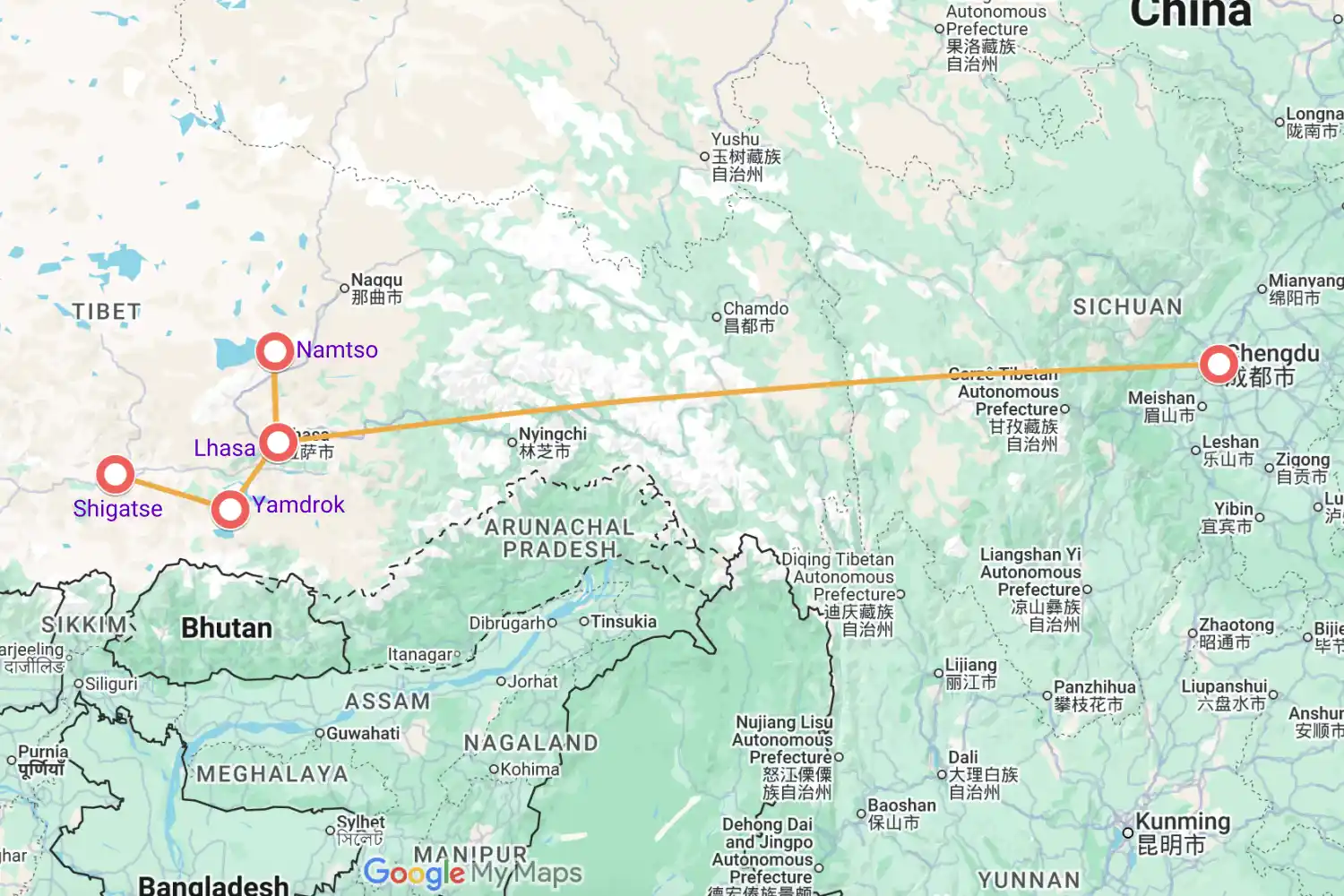
- Chengdu → Lhasa: Qinghai–Tibet Railway (soft sleeper train)
- Chengdu City Transport: Private transfers and comfortable tourist vehicles
- Lhasa City Transport: Private tourist vehicle for all sightseeing
- Lhasa → Yamdrok Lake → Shigatse: Private vehicle, scenic plateau drive
- Shigatse → Lhasa: Tourist bus or train
- Airport Transfers (Chengdu & Lhasa): Private transfers
Essential Tips
- Allow time for altitude acclimatization
- Respect local religious customs
- Tibet Permit required (we arrange it)
Route Designer Notes
Jack Chen
We included the train journey because getting to Tibet can be part of the experience, not just a way to reach the destination. It’s worth knowing, though, that the train ride is long, so this route suits travelers who enjoy the journey itself as much as the destination.

Like This Route, But Want It Your Way?
Whether you’re taking the whole journey or just need a few services, we’ll help make it work.
FAQ
Yes, for gradual altitude adaptation and scenic value.
Yes. It must be arranged before entering Tibet.
Some travelers feel mild symptoms; acclimatization days are included.
From $2,020
price per person, based on a group of 2
We Handle
- Private transportation
- Accommodation
- Train & flight tickets
- Attraction tickets
- Airport & station transfers
- Experienced local guides
- Any other arrangements you need
- Free itinerary customization within 24 hours
You May Also Like
Explore More Destinations

Why Travel with Us
10+ Years
Proven experience planning journeys across China.
Local Experts
China travel knowledge from people who live here.
100% Tailor-Made
Journeys designed around your interests and pace.
Authentic Trips
Local places and experiences beyond the usual routes.
98%+ Happy Guests
Trusted by travelers from around the world.
Always Supported
Our team is here whenever you need us.
How to Book Your Private Journey
Submit Your Inquiry
Customize Your Trip
Secure Your Booking
Enjoy Your Journey
Start Planning Your China Journey
Tell us a few details about your trip, and our local experts will design a personalized itinerary tailored to your travel style, pace, and interests.