Overview
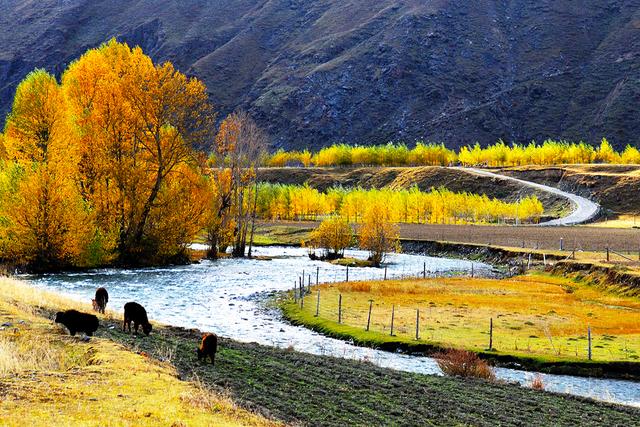
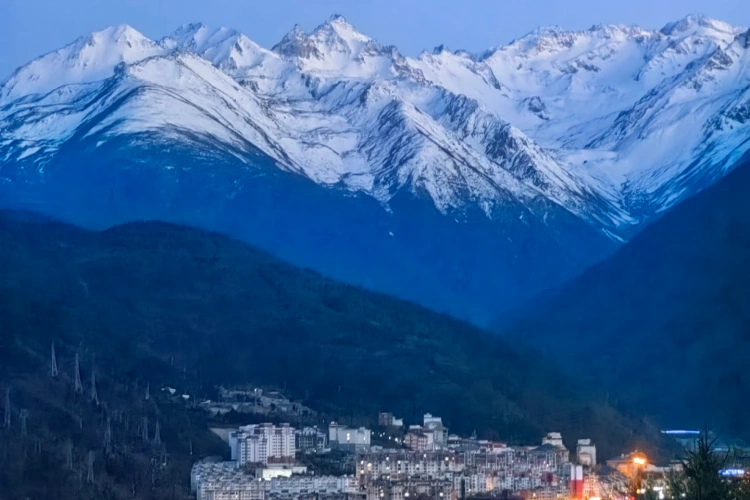
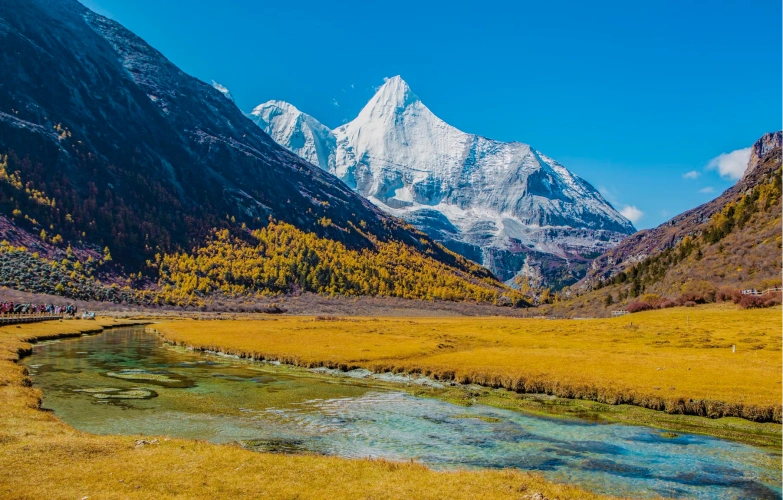
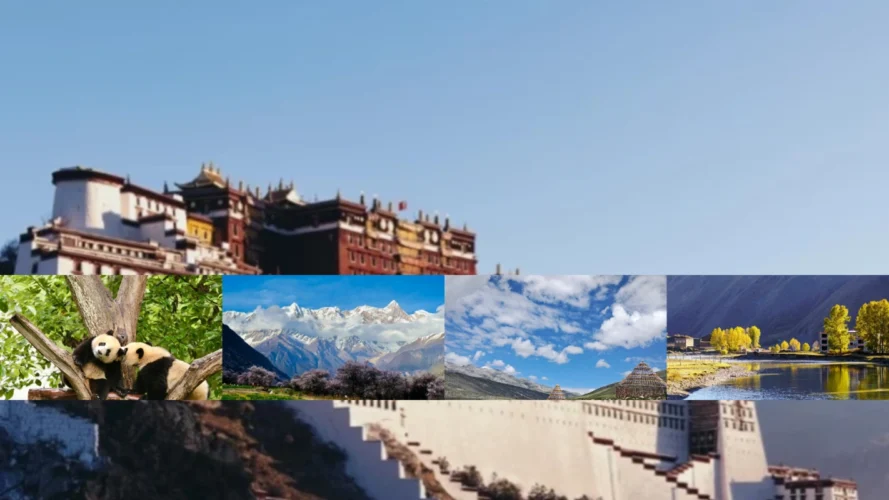
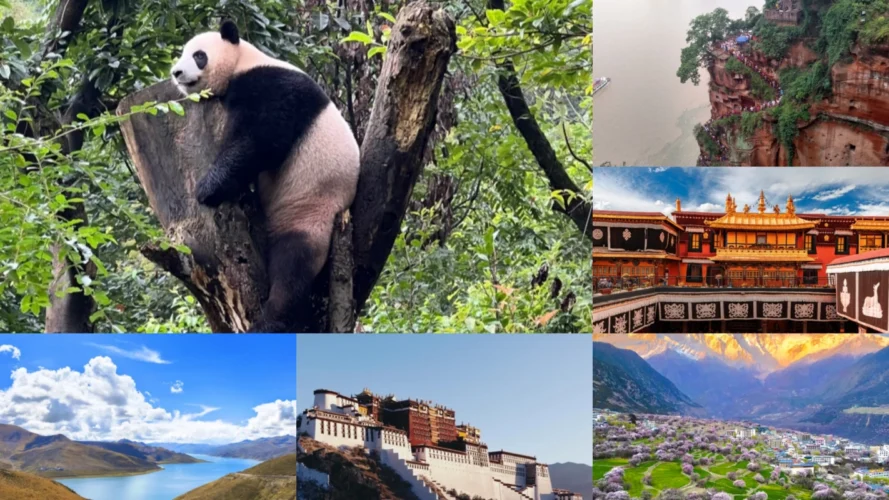
As the capital of the Tibet Autonomous Region, Lhasa has been the political and spiritual center of Tibet for centuries. Surrounded by mountains and bathed in intense highland sunlight, the city blends sacred devotion with daily Tibetan life.
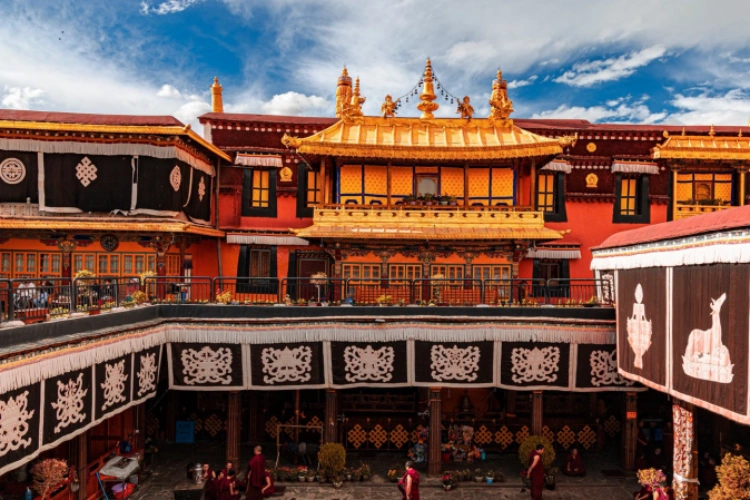
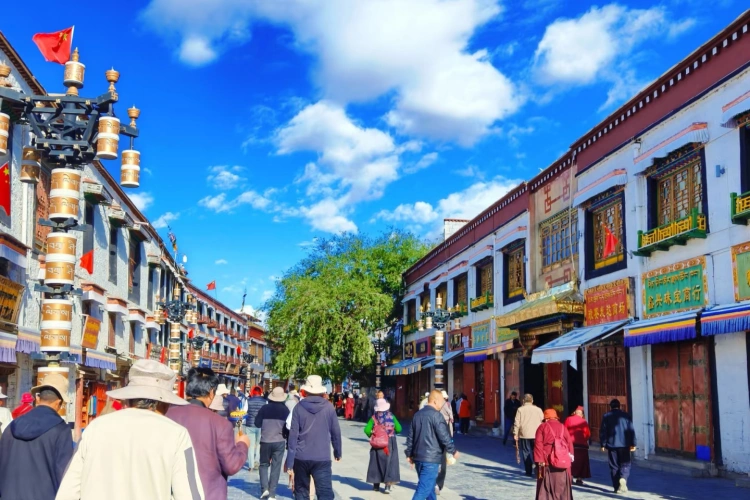
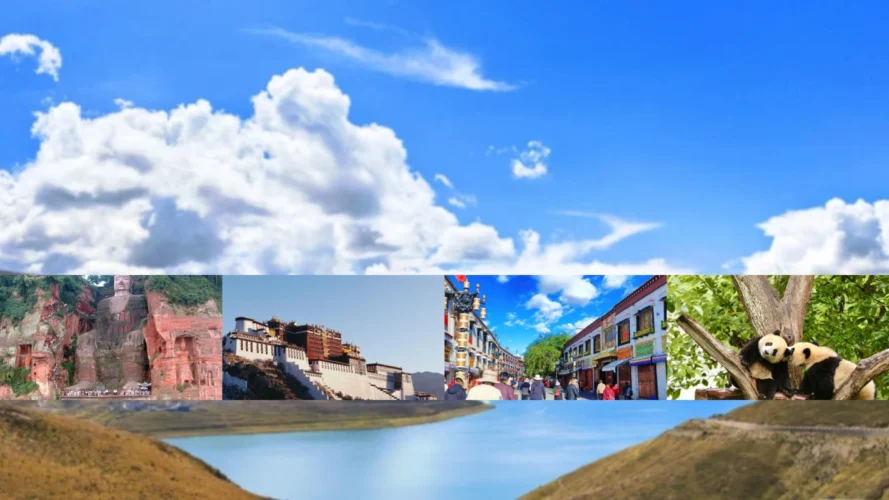
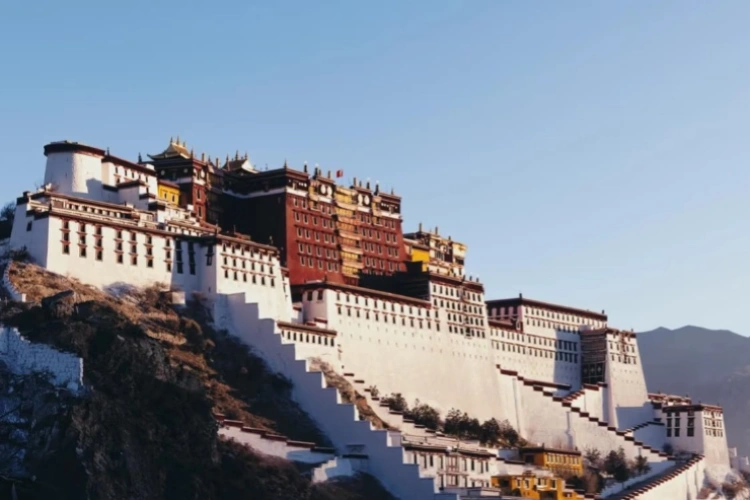
The skyline is dominated by the magnificent Potala Palace, while the streets around Jokhang Temple pulse with pilgrims performing prostrations along Barkhor Street.
Lhasa is not a place to hurry through. It is where travelers begin to understand Tibet: slowly, respectfully, and thoughtfully.
Why Visit Lhasa
Lhasa offers a rare window into living Tibetan Buddhism.
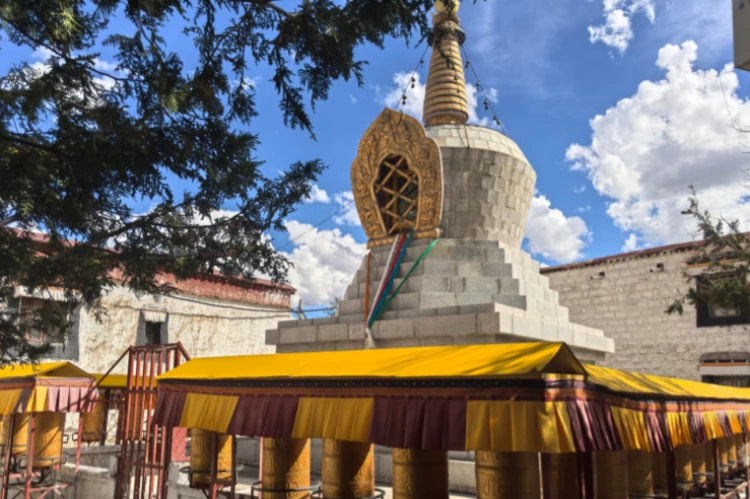
You don’t just see monasteries. You witness faith in motion. Elderly pilgrims spin prayer wheels at sunrise. Monks debate philosophy in monastery courtyards. Incense smoke drifts beneath golden roofs against a cobalt sky.
Beyond spirituality, Lhasa also provides the best environment for altitude acclimatization and cultural immersion before exploring the wider plateau. It is both a gateway and a destination.
Fast Facts
- Pron: LAH-suh
- Province: Tibet
- Area: 29,500 km²
- Elevation: 3,650 meters
- Climate: High-altitude mild
- Travel Pace: Slow & cultural
- Safety: Very Safe
Best Time to Visit Lhasa
Quick Takeaway
- Best Overall Season: Summer & Early Autumn
- Best for Comfortable Weather: Late Spring – Early Autumn
- Best for Fewer Crowds: Winter
- Best for Cultural Festivals: Summer
How to Travel to Lhasa

By Air
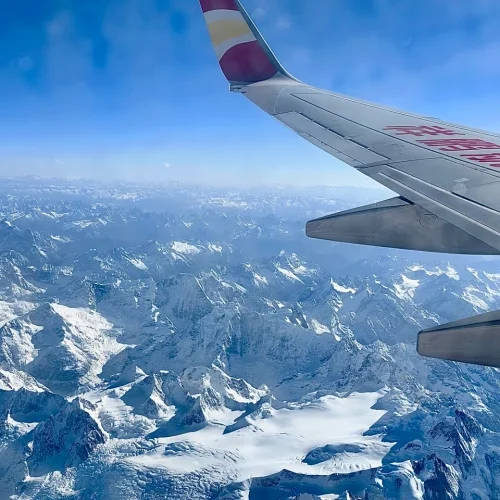
Lhasa Gonggar Airport connects Lhasa with major Chinese cities such as Chengdu, Chongqing, Xi'an, and Beijing. Flights are the fastest and most common way to reach Tibet.
By Train
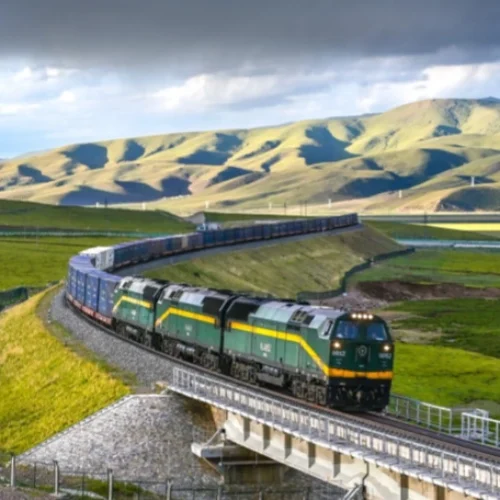
The famous Qinghai–Tibet Railway offers one of the world’s most scenic rail journeys across the Tibetan Plateau. Trains run to Lhasa Railway Station from cities like Xining, Chengdu, and Beijing.
Overland
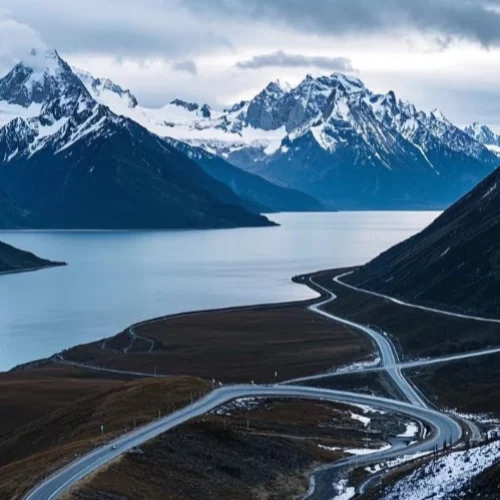
Adventurous travelers sometimes reach Lhasa by road along routes such as the Sichuan–Tibet Highway or the Qinghai–Tibet Highway, offering dramatic landscapes but requiring longer travel time.
Flights and trains connect Lhasa with several major Chinese cities, though Chengdu is the most convenient gateway to Tibet.
| City | By Air | By Train | Notes |
|---|---|---|---|
| Chengdu | ~2 hrs | ~36 hrs | Most convenient gateway; frequent flights. |
| Chongqing | ~2.5 hrs | ~34–36 hrs | Flights recommended for time efficiency. |
| Xi’an | ~3 hrs | ~30–32 hrs | Both flights and trains available. |
| Beijing | ~4.5 hrs | ~40 hrs | Flights are the fastest option. |
| Xining | ~2 hrs | ~21 hrs | Main starting city for the Qinghai–Tibet Railway. |
Lhasa Must-See Attractions

Potala Palace
Best Time: Apr-Oct
Duration: 2-3 Hours

Jokhang Temple
Best Time: Year-round
Duration: 1-2 Hours

Barkhor Street
Best Time: Morning or sunset
Duration: 1-2 Hours

Sera Monastery
Best Time: Apr-Oct
Duration: 2 Hours
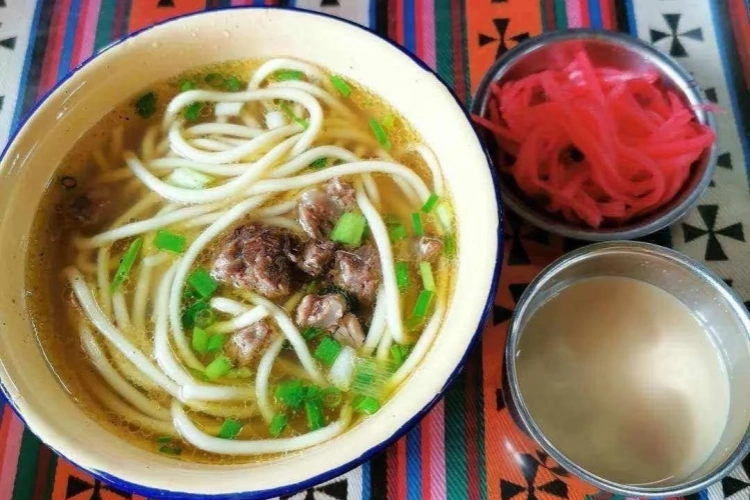
Lhasa Local Food to Try


Lhasa Travel Style & Cost
Because Tibet is a restricted region, independent travel is not permitted for foreign passport holders. All travelers must arrange their trip through a licensed agency with an approved Tibet Travel Permit and guide.
Below are the available travel formats.
Private Tibet Tour
Fully personalized journey with expert support-
Tibet Travel Permit arranged
-
Private vehicle & experienced driver
-
Licensed English-speaking Tibetan guide
-
Flexible pacing for altitude adaptation
-
Handpicked hotels
-
Hotel pickup & drop-off
-
All entrance tickets included
-
24/7 local assistance
Small Group Tour
Cost-effective with fixed departures-
Tibet Travel Permit arranged
-
Licensed English-speaking tour guide
-
Entrance tickets included
-
Selected hotels
-
Hotel pickup & drop-off
-
24/7 local assistance
-
Private vehicle & experience
-
Flexible itinerary & schedule
Essential Tips for Lhasa Tours
Tibet Travel Permit
All foreign travelers need a Tibet Travel Permit (TTP) to enter Lhasa. Arrange this through a licensed travel agency well before departure.
Acclimatize Gradually
Lhasa sits at 3,650m. Spend at least 1–2 days adjusting to the altitude, stay hydrated, and avoid strenuous activity upon arrival.
Health Prep
Bring basic medication for altitude discomfort (like Acetazolamide or Hongjingtian) if needed. Avoid alcohol initially, and keep warm.
Packing for Layers
Temperatures can fluctuate 20°C (68°F) in a single day. Pack layered clothing, sun protection, and a windproof jacket.
Connectivity
While 5G is remarkably stable across China, offline maps and payment apps are essential for remote stretches of the Northern Route.
Bring Cash
Outside major towns, ATMs and international card facilities are limited. Carry enough cash and personal necessities for remote stretches of the journey.
More Lhasa Travel Guides
FAQ about Lhasa Travel
Is Lhasa difficult due to altitude?
Most travelers adjust well with 1–2 days of rest. Mild symptoms such as headache or fatigue are common but manageable.
Do I need a permit to visit Lhasa?
Yes. Foreign travelers must obtain a Tibet Travel Permit arranged through a licensed agency.
Can I explore Lhasa independently?
Foreign visitors require a registered guide and arranged transport, even within the city.