Traveling to Chengdu is a dream for food lovers. However, if you have dietary restrictions, the “Land of Abundance” can feel like a bit of a minefield. Why? Sichuan cuisine is famous for its complex “composite flavors,” which often means a single dish contains ten or more ingredients. Some are visible, some are just hidden in fermented pastes or infused oils.
Don’t worry. Having a restricted diet doesn’t mean you’re relegated to plain white rice in Chengdu or Sichuan. With a bit of Sichuan cuisine savvy, you can navigate the food capital safely.
Here is how to handle the most common dietary needs in Chengdu today.
The “Hidden” Risks in Sichuan Kitchens
Chengdu’s dining scene has become more international, but the foundational cooking methods remain traditional. If you ask a local waiter, “Is there wheat in this?” they might say “No” simply because they don’t consider soy sauce or bean paste “wheat.” Understanding these hidden components is key to your safety.
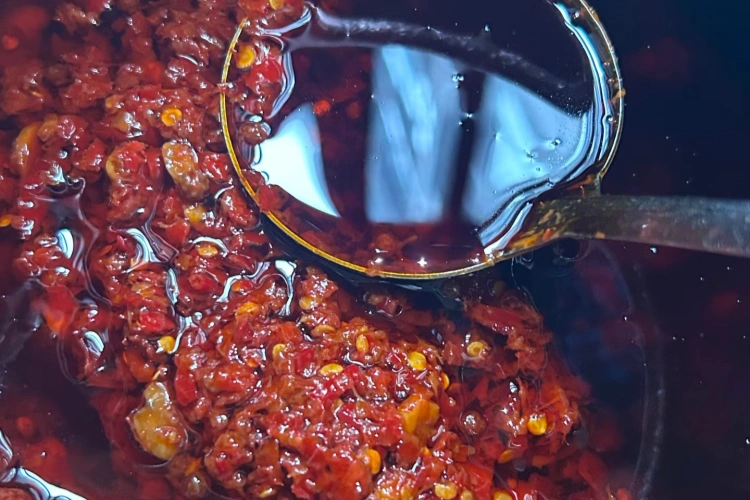
The Soul of the Problem: Doubanjiang
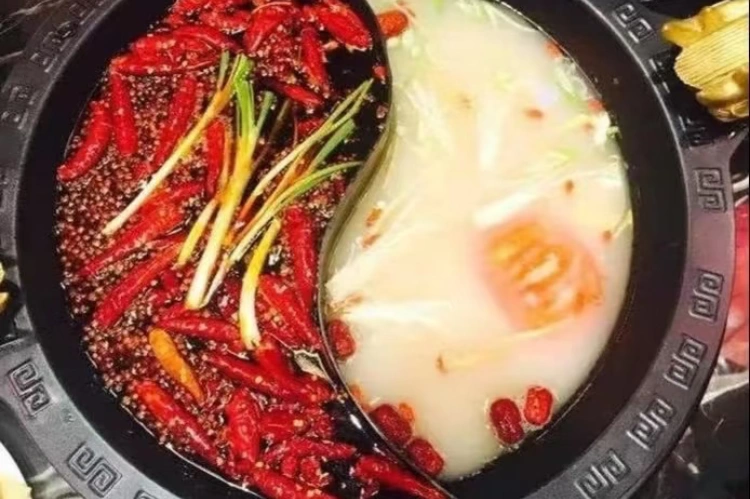
Almost every classic Sichuan dish (Mapo Tofu, Twice-Cooked Pork, Red-Oil Hotpot) uses Pixian Doubanjiang (fermented broad bean paste).
The problem is right here. Traditional fermentation of this paste almost always involves wheat flour as a starter. For those with Celiac disease, this makes most “red” dishes off-limits unless specified otherwise.
The Fragrance Factor: Lard and Nut Oils
Sichuan chefs prize aroma above all else.
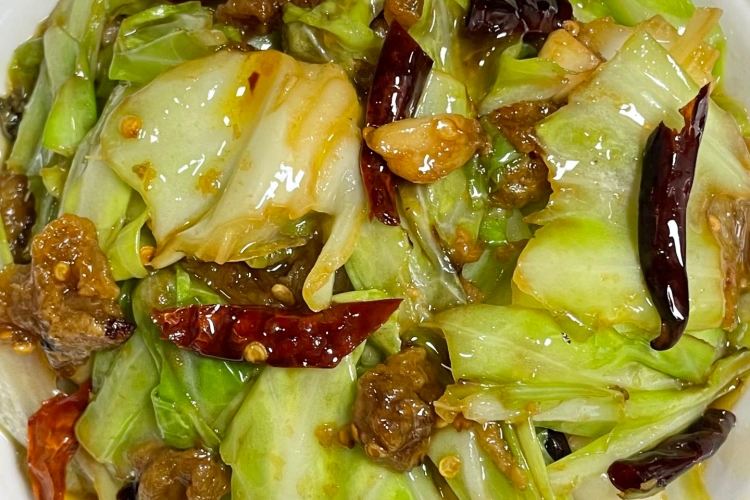
Lard (Zhūyóu): Many vegetable stir-fries that look vegan are actually cooked in pork lard to give them a “meaty” depth.
Peanut Oil (Huāshēng Yóu): While rapeseed oil is the standard, high-end restaurants often blend in peanut oil for its high smoke point and nutty scent.
Strategies for Common Restrictions
Gluten-Free (Celiac/Intolerant)
In fact, Sichuan is surprisingly friendlier than Northern China (where wheat noodles rule), but you must be vigilant about sauces.
Safe Staples: Stick to Rice Noodles (Mǐxiàn), Sweet Potato Noodles (Féicháng Fěn), and steamed rice.
Safe Dishes: Steamed fish (ask for no soy sauce), stir-fried eggs with tomato, and “Clear Water” boiled vegetables.
The Soy Sauce Trap: Most soy sauce in China contains wheat. It’s highly recommended to carry a small bottle of Travel Tamari or gluten-free soy sauce to add to your own rice or steamed dishes.
Vegetarian & Vegan
Thanks to a deep-rooted Buddhist heritage, Chengdu is a haven for plant-based travelers as long as you know where to go.
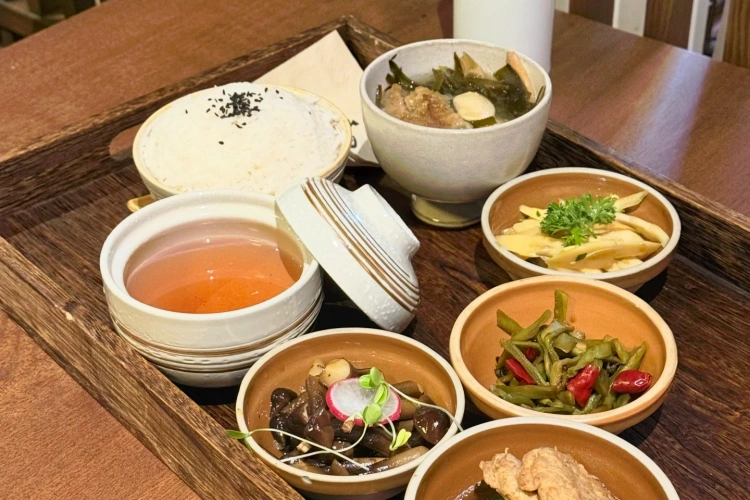
Wenshu Monastery Area: This is your “Base Camp.” The Wenshu Monastery Vegetarian Buffet and surrounding restaurants, like A Lotus on the Water, offer 100% vegan Sichuan classics without hidden meat.
The Michelin Edge: Mi Xun Teahouse (at The Temple House) holds a Michelin Green Star for its refined, sustainable vegetarian Sichuan menu.
QuietRoutes Tip: Tell the waiter you eat “Buddhist Style” (Chī Zhāi). This usually ensures no meat, lard, or even “pungent” vegetables like garlic and onions.
Nut Allergies (Peanuts/Sesame)
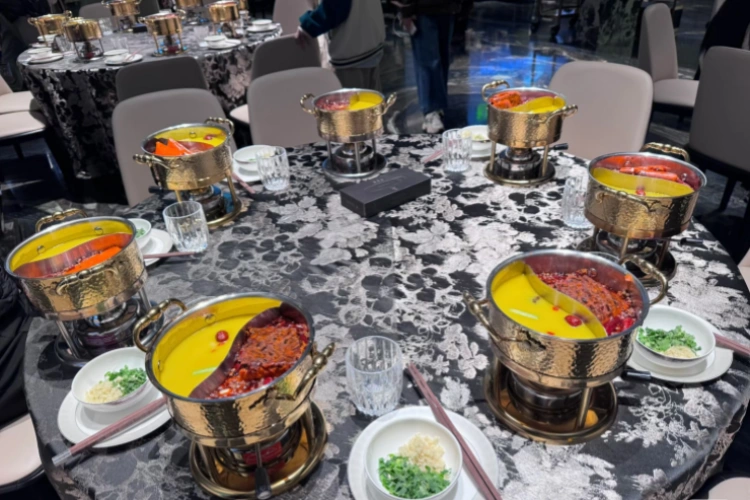
Peanuts are common but usually visible as a garnish. The real danger is Sesame Oil, which is the primary ingredient in hotpot dipping sauces.
QuietRoutes Tip: If you have a severe sesame allergy, hotpot is high-risk for cross-contamination. If you must go, ask for a “Dry Dip” (Gān Dié) made only of chili and salt, and double-check the cooking oil.
The “Allergy Card” & Key Phrases
Don’t rely on oral communication alone. Visual “Chef Cards” are respected in Chengdu’s busier kitchens. Showing these characters can save your trip:
| English | Chinese (Characters) | Pinyin |
|---|---|---|
| I am allergic to Wheat | 我对小麦过敏 | Wǒ duì xiǎomài guòmǐn |
| I am Vegetarian | 我吃素 | Wǒ chī sù |
| No Lard please | 不要猪油 | Bú yào zhūyóu |
| No Soy Sauce | 不要酱油 | Bú yào jiàngyóu |
| Is there Peanut in this? | 这里面有花生吗? | Zhè lǐmiàn yǒu huāshēng ma? |
Top “Safe Haven” Restaurants
If you want to dine with 99% confidence, these locations are accustomed to dietary requests:
Wenshu Monastery (Various): The best for Vegans/Vegetarians. Try the buffet for a low-cost, high-variety meal.
Ma Wang Zi (Taikoo Li): A modern Michelin-standard restaurant where staff are trained to handle allergen inquiries.
The Temple House (Mi Xun Teahouse): Award-winning vegetarian cuisine that satisfies even the most hardcore meat-eaters.
Individual Hotpot Chains: Look for “Individual Pot” (Xiǎo Huǒ Guō) restaurants. This prevents cross-contamination from communal chopsticks.
Pro Tips for Safe Exploration
- If a dish arrives and you suspect it’s too oily or has hidden garnishes, ask for a bowl of warm plain water. Rinsing your food is a common local practice for the health-conscious and helps remove excess oil or small bits of meat/garlic.
- Avoid the peak 12:30 PM and 7:00 PM rushes. When the kitchen is slammed, chefs are less likely to be careful about cross-contamination.
- Apps like WeChat have built-in translation scanners. Use them to read the ingredient labels on packaged snacks in 7-Eleven or FamilyMart.
Final Thoughts: Don’t Miss Out
A dietary restriction shouldn’t bar you from the world’s most exciting food city. While it requires 10% more planning, the reward of a safe, authentic Sichuan meal is worth the effort.
Want a worry-free experience? Our private Chengdu food tour is fully customizable. We have a pre-vetted list of “Safe-Eats” restaurants and our guides speak the “kitchen language” to ensure your Mapo Tofu is exactly how you need it, whether that’s vegan, gluten-free, or extra spicy!