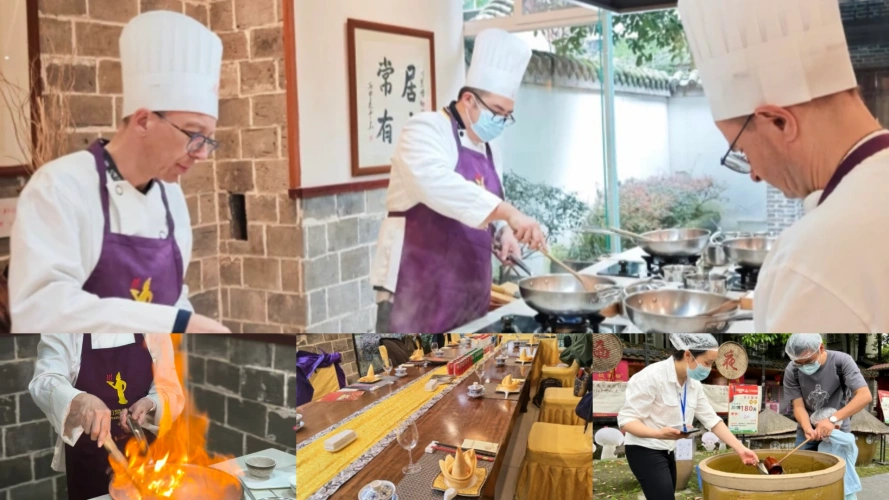
If you are planning a trip to Sichuan, you probably have one major concern: Can I actually survive the food? The global reputation of Chengdu is one of fire and brimstone—vats of bubbling red oil, mountains of dried chilies, and the infamous numbing peppercorn. However, as any local will tell you in 2026, the idea that all Chengdu food is “blow-your-head-off” spicy is actually a myth. In reality, authentic Sichuan cuisine is a sophisticated balance of 24 distinct flavor profiles, and more than half of them aren’t spicy at all.
Whether you’re a “chili-head” or someone who breaks into a sweat at the sight of a bell pepper, this guide will help you navigate the heat levels of a Chengdu food tour with confidence.
The “Mala” Misconception: Heat vs. Numbness
To understand Chengdu food, you must distinguish between two different sensations: La (Chili Heat) and Ma (Numbing).
La (辣): This is the familiar burn of capsaicin from chili peppers.
Ma (麻): This is the unique, tingling, “electric” sensation caused by the Sichuan peppercorn. It’s not “hot”—it actually vibrates your taste buds (literally at about 50 Hertz!).
The magic of Sichuan food is the combination of the two. The numbing effect actually desensitizes your mouth slightly, allowing you to taste the complex aromatics of the spices without being overwhelmed by the fire. If you find a dish is “too much,” it’s often the numbness that surprises travelers more than the actual spice.
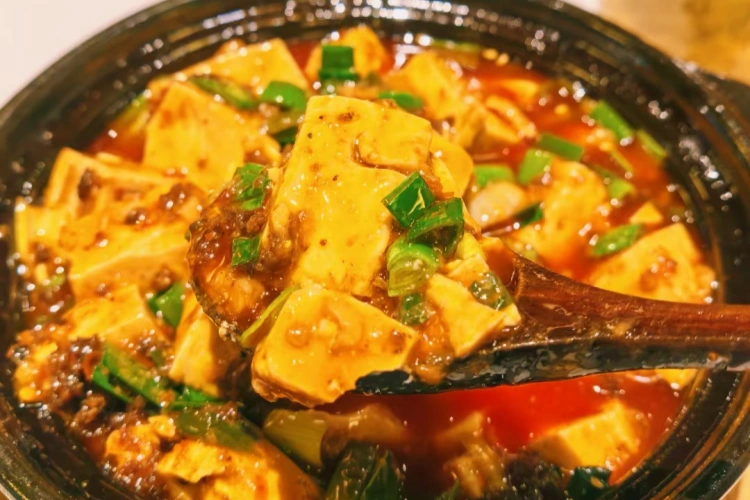
The 24 Flavors: It’s Not All Red Oil
The UNESCO City of Gastronomy title wasn’t awarded just for spicy food. Sichuan cuisine is celebrated for its complexity. While you’ll see plenty of red oil on a Chengdu street food guide, you will also find these non-spicy staples:
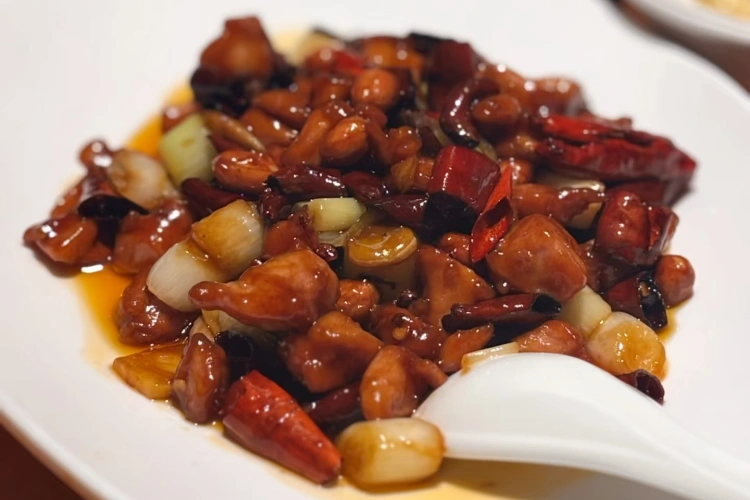
Sweet and Sour (Lychee Flavor): Found in dishes like Gong Bao (Kung Pao) Chicken, which is more tangy and sweet than it is hot.
Garlic Paste Flavor: Heavy on the umami and aromatics, used in cold pork dishes.
Strange Flavor (Guai Wei): A fascinating 2026 favorite that balances sweet, salty, sour, and spicy in exactly equal measure.
Fish-Fragrant (Yu Xiang): A savory, vinegary profile used for eggplant and pork that contains zero fish and very little heat.
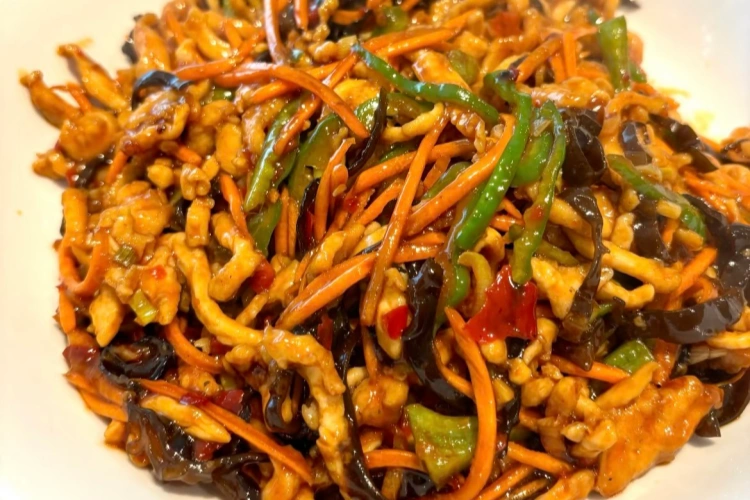
Knowing what food Chengdu is famous for helps you realize that a balanced meal usually includes only one or two “fiery” dishes paired with several mild ones.
How to Order: Your “Spice Survival” Cheat Sheet
In 2026, most restaurants are very accommodating to different tolerances. Use these phrases when ordering or looking at digital menus:
Bù là (不辣): Not spicy. (Perfect for children or those with sensitive stomachs).
Wēi là (微辣): Tiny spice. (Be careful: “Sichuan mild” is often “Western medium”).
Zhōng là (中辣): Medium spice. (For the brave).
Tè là (特辣): Extra spicy. (Proceed with extreme caution).
The “Split Pot” Strategy
When eating at the best places to eat in Chengdu for hotpot, always ask for a Yuanyang Guo (Mandarin Duck Pot). This gives you a divided pot: one side is the traditional spicy beef tallow, and the other is a mild mushroom, tomato, or bone broth.

The “Fire Extinguishers”: What to Eat to Cool Down
If you do overdo it, don’t reach for water—it only spreads the chili oil around. In 2026, locals use these three “secret weapons”:
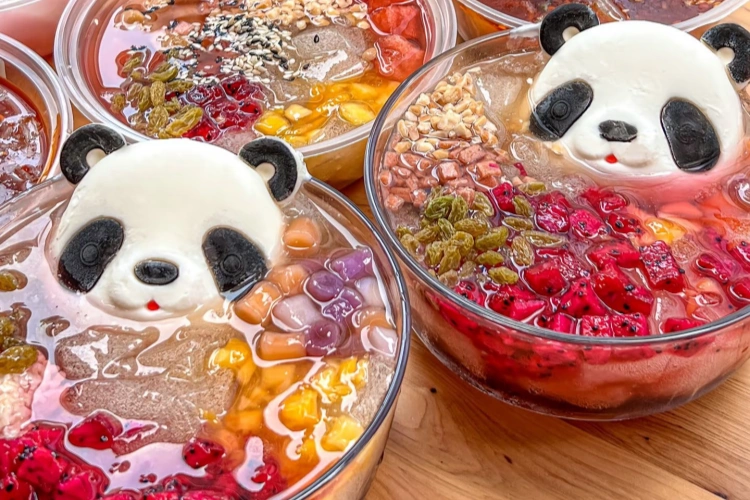
Bingfen (Ice Jelly): A cold, sweet jelly topped with brown sugar and fruit. It’s the ultimate palate cleanser.
Suanmeitang (Sour Plum Drink): The acidity cuts right through the heavy oils.
Milk or Yogurt: Dairy contains casein, which binds with capsaicin and washes it away. Most street stalls sell small bottles of local yogurt for this exact reason.
Is it Worth the Risk?
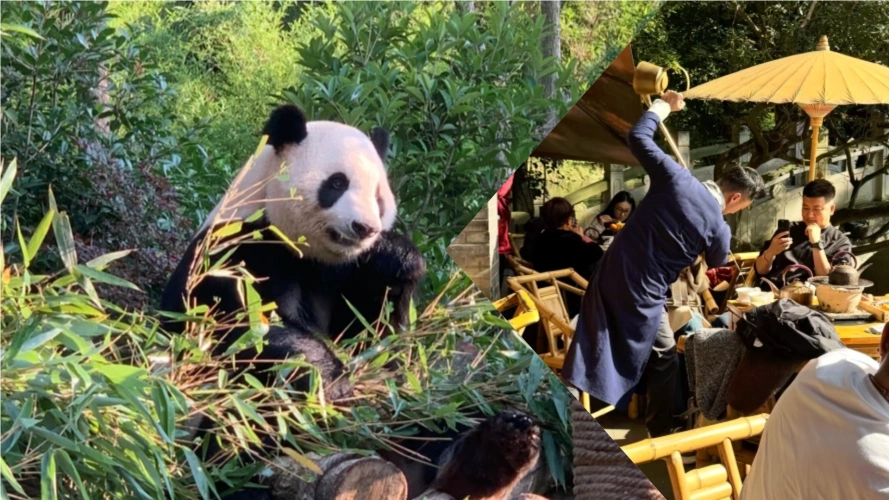
Many travelers worry that a “spicy city” will ruin their trip. However, a guide can help you curate a “safe” path through the markets. You can spend your morning on a Chengdu panda tour and your evening enjoying a meal that is perfectly calibrated to your taste buds.
Final Thoughts: A Flavorful Journey
Chengdu food isn’t about the “burn”—it’s about the aroma. The chilies are often toasted until they are fragrant and nutty, rather than just raw and painful. Whether you choose a group or private tour, you’ll find that the “heat” is just one instrument in a much larger orchestra of flavor.
Ready to test your limits (gently)? Join us for a Chengdu food tour where we specialize in showing you the full spectrum of Sichuan flavor, from the mildest dumplings to the boldest hotpot.