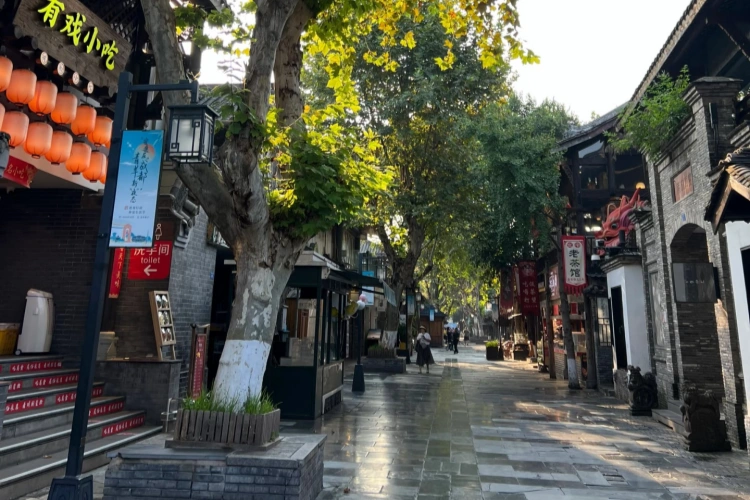
Kuanzhai Alley (Wide and Narrow Alleys) is the soul of old Chengdu, a stunning collection of Qing Dynasty courtyards that has become the city’s most famous landmark. But for a food lover, it presents a challenge: how do you separate the “tourist-priced” snacks from the authentic Sichuan flavors that locals still crave?
While the area is undeniably scenic, many visitors fall into the trap of only eating on the main thoroughfare. To truly experience the culinary depth of this district, you need to know which alleys to wander down and which “fly restaurants” are hiding just out of sight. The best way to decode this neighborhood is by joining a Chengdu food tour, but if you’re exploring on your own, this guide will help you navigate the “tourist vs. local” divide.
The Anatomy of the Alleys: Where to Eat
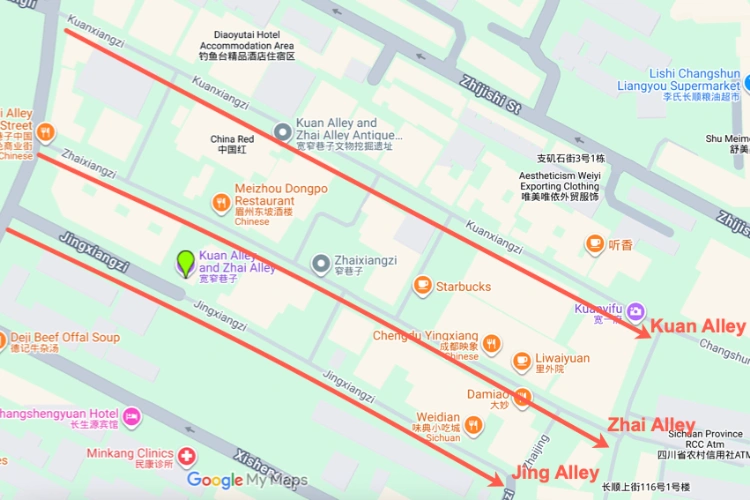
Kuanzhai isn’t just one street; it consists of three parallel alleys, each with a different culinary “vibe”.
Kuan Alley (Wide Alley): The “heritage” lane. This is where you’ll find high-end courtyard restaurants and traditional tea houses. It’s perfect for what food Chengdu is famous for in a formal setting, like refined Kung Pao Shrimp or Mapo Tofu.
Zhai Alley (Narrow Alley): The “lifestyle” lane. Here, slow-paced tea culture meets trendy cafés. It’s the place to grab a Gaiwan tea and watch the world go by.
Jing Alley (Well Alley): The “local” shortcut. Often overlooked by tourists, this alley contains more modern folk culture and is where you’ll find smaller, more affordable stalls that locals actually frequent for a quick bite.
Tourist Traps vs. Local Gems
To eat like a local, you have to know when to “buy for the photo” and when to “buy for the flavor.”
| The Food | The "Tourist" Experience | The "Local" Secret |
|---|---|---|
| San Da Pao | Buying the first one you see because of the "bang bang" sound. | Look for Li Changqing’s stall in the side lanes; the syrup is richer and the rice is fresher. |
| Zhong Dumplings | Eating them in a high-priced courtyard with a $20 set menu. | Walk 5 minutes to Long Chaoshou or Zhong Shui Jiao's local branches for a $3 bowl. |
| Rabbit Head | Buying a pre-packaged one from a souvenir shop. | Try the freshly braised ones at the small stalls in Jing Alley or nearby Kuixinglou Street. |
| Tea Culture | $30 "Opera & Tea" packages on the main road. | Find a quiet courtyard deeper in the alleys where a bowl of tea is still under $10. |
For those who want to skip the guesswork entirely, our guide on is a Chengdu food tour worth it explains how a guide helps you bypass these commercial traps.
Must-Try Snacks in the Kuanzhai District
Even if it’s “touristy,” some snacks in Kuanzhai are icons for a reason. Make sure these are on your list:
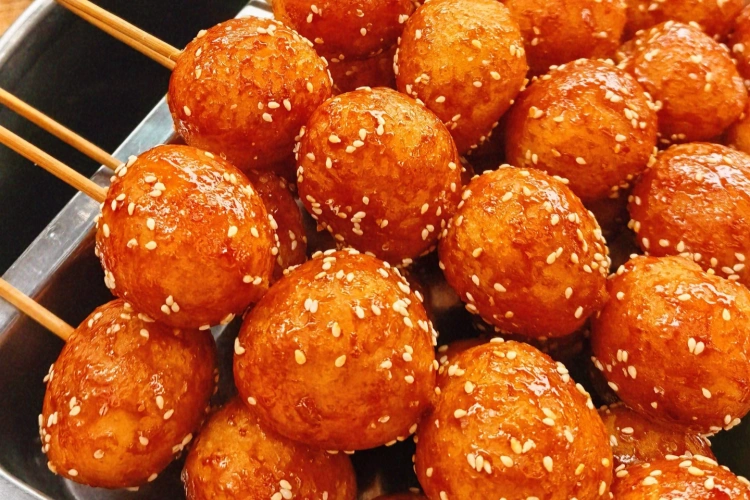
Tangyou Guozi (Sugar & Oil Fruit)
These are deep-fried glutinous rice balls coated in brown sugar and sesame. They should be crispy on the outside and hollow/chewy on the inside.
Local Tip: Don’t buy them if they look cold or oily. Only buy from stalls where you see them being fried fresh.
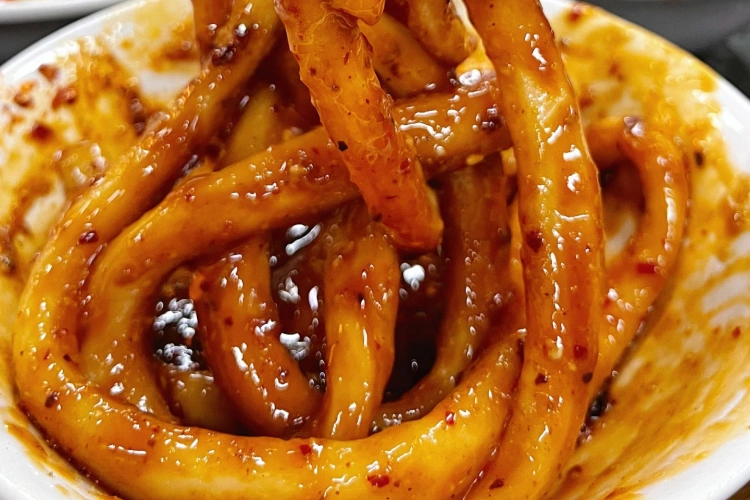
Tian Shui Mian (Sweet Water Noodles)
A cult favorite in our Chengdu street food guide. These thick, hand-pulled noodles are famous for their chewy texture and the perfect balance of sweet soy and spicy chili oil.
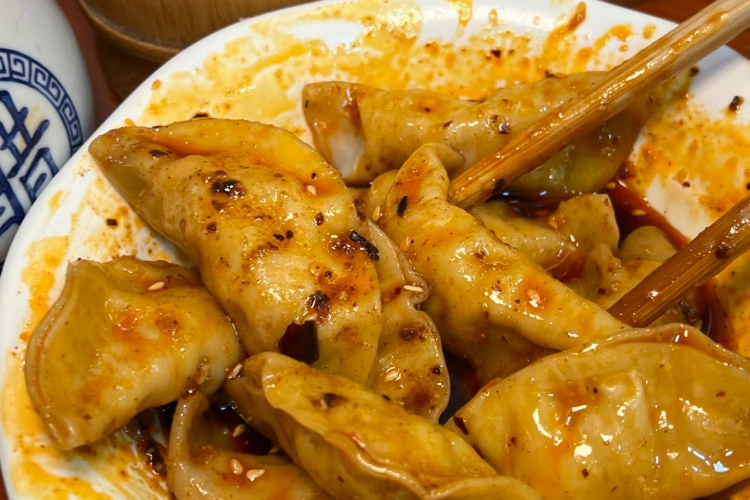
Zhong-Style Dumplings
Distinct from northern dumplings, these are served without soup and drenched in a savory, slightly sweet red oil. They are the quintessential “old Chengdu” snack.
The “Secret” Neighbor: Kuixinglou Street
If you find Kuanzhai Alley a bit too polished, simply walk 10 minutes north to Kuixinglou Street. This is where the real food scene lives. It is packed with some of the best places to eat in Chengdu, including legendary Boboji (cold skewers) and spicy Mao Cai.
Many travelers spend their morning at a Chengdu panda tour, take a taxi to Kuanzhai for the photos, and then head to Kuixinglou for a late lunch to escape the tourist prices.
Practical Tips
Go Early: Arrive before 9:30 AM to see the alleys at their quietest, when the elders are still exercising and the first baskets of Ye’er Ba (leaf-wrapped rice cakes) are steaming.
Digital Payments: Like the rest of the city, Kuanzhai is 100% digital. Ensure your Alipay or WeChat Pay is ready.
The “One Alley Over” Rule: Generally, the food gets better and cheaper for every alley you move away from the “Kuan” (Wide) main entrance.
Final Thoughts: Balancing Charm and Flavor
Kuanzhai Alley is a must-visit for the architecture and the “vibe,” but don’t let your culinary journey end at the gift shops. By walking just one block further, you can find the authentic, spicy, and affordable soul of Sichuan.
Ready to see the “real” side of the alleys? Join us on a Chengdu food tour to discover the hidden courtyards that tourists never find. Whether you want to know what food is famous in Chengdu or find the best places to eat nearby, we’ll make sure you eat like a local.