Chengdu is arguably the most rewarding food city in the world, but it is also one of the most intimidating. In 2026, the gap between a “tourist meal” and a “local feast” has grown wider than ever. While social media makes it look easy to just show up and eat, many travelers find themselves staring at a Chinese-only QR code menu in a back-alley “fly restaurant,” unable to order a single dish.
This leads to the ultimate question: Is a Chengdu food tour worth the investment?
If you are a solo traveler, a time-crunched foodie, or someone who wants to experience the city beyond the neon lights of the main shopping districts, the answer is a resounding yes. But to understand why, we need to look at the unique logistical landscape of Chengdu in 2026.
The “Digital Wall”: Why DIY is Harder in 2026
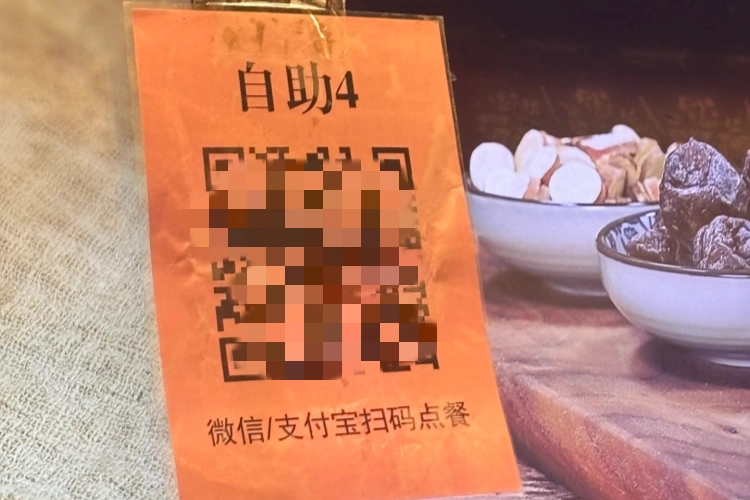
Five years ago, you might have been able to point at a picture on a menu or a dish on someone else’s table. In 2026, Chengdu has gone almost entirely digital.
Almost every reputable “Fly Restaurant” (the legendary, small-scale eateries that define the city) now uses a WeChat or Alipay mini-program for ordering. These interfaces are rarely translated, and they often require a local phone number or a specific digital payment setup to even view the menu.
When you join a curated food tour, your guide acts as a cultural and digital bridge. They don’t just translate; they navigate the tech, handle the payments, and ensure you are getting the “house specialty” rather than a generic dish. This allows you to focus on the flavors rather than the friction of the transaction.
Navigating the 24 Flavor Profiles
One of the biggest misconceptions about Sichuan cuisine is that it is only about “Mala” (spicy and numbing). As we discuss in our deep dive into what food is Chengdu famous for, the city actually boasts 24 distinct flavor profiles, including sweet, sour, tangerine-peel, and “strange-flavor.”
Without a guide, most travelers unintentionally order three or four dishes that all fall into the same spicy category. A professional tour is designed like a symphony; it balances the heavy heat of a Chengdu street food guide favorite like Guokui with the delicate, savory notes of a non-spicy “literati” dish. You aren’t just eating; you are receiving a culinary education that you simply can’t get from a translation app.
Access to “Local-Only” Geography
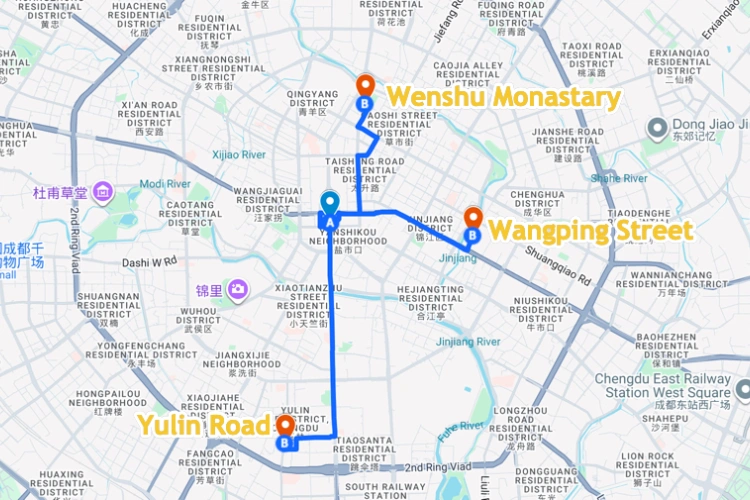
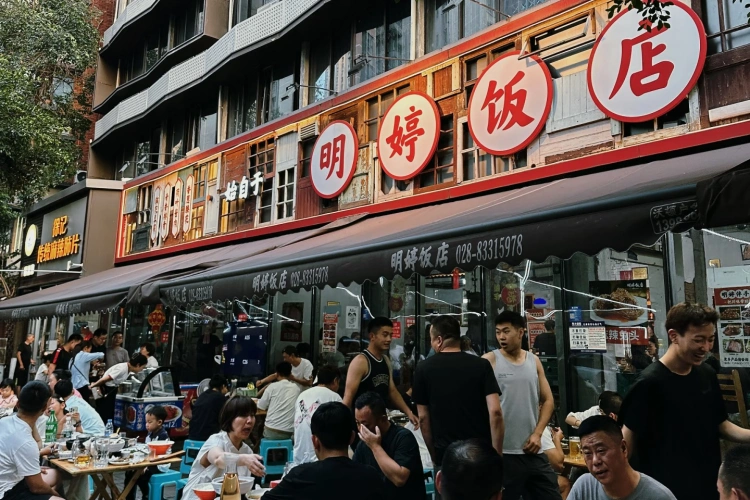
In 2026, the most authentic food has moved away from the commercial centers. While neighborhoods like Yulin remain iconic, the “soul” of the city is often found in residential “compound” restaurants—places located inside the gates of 1990s apartment blocks with no signs in English (or even Mandarin, sometimes).
These are the best places to eat in Chengdu, but they are invisible to Google Maps and TripAdvisor. A food tour grants you access to these locations. You’ll find yourself sitting on a plastic stool in a grandmother’s garage, eating the best dumplings of your life—an experience that is practically impossible to stumble upon as a solo tourist.
Efficiency: The “Panda to Plate” Strategy
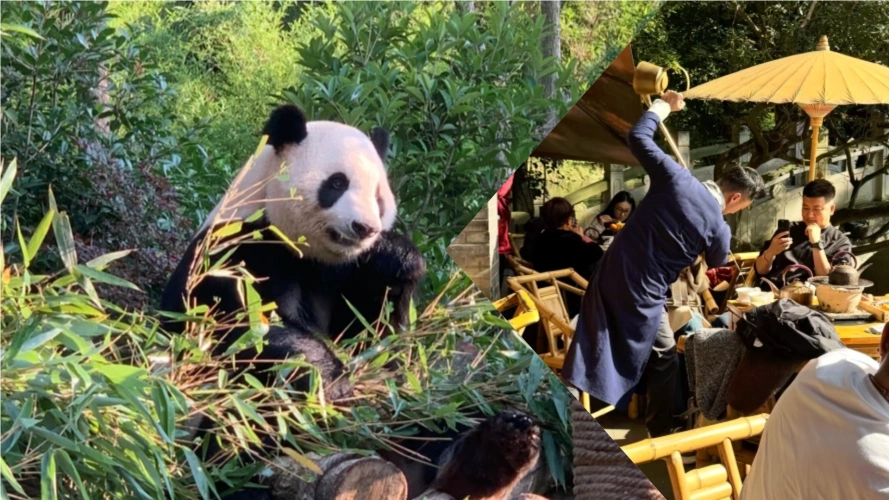
Most visitors have a limited amount of time in the Sichuan capital. A typical day starts early with a Chengdu panda tour to see the bears at their most active. By the time you return to the city center, you are usually exhausted and starving.
Trying to research, navigate, and wait in line for a famous hotpot spot can take up to three hours of your evening. A food tour maximizes your time. Because guides have established relationships with vendors, you often get “skip-the-line” access or have a table waiting for you. It turns a stressful logistical evening into a seamless, high-value experience where you can try 15+ dishes in a single night.
The “Sichuan Stomach” Insurance
Food safety is a valid concern for any international traveler. While Chengdu has high hygiene standards in 2026, your stomach might not be accustomed to the specific oils and spices used in street-side cooking.
A local guide knows which stalls have the highest turnover (meaning fresher ingredients) and which vendors use high-quality rapeseed oil versus cheaper alternatives. They also act as your “spice gatekeeper,” advising you on which dishes to approach with caution and which are safe for a “mild” palate. This “insurance” ensures that your trip continues smoothly rather than being interrupted by a day in the hotel bathroom.
Is it Worth it for Vegetarians or Solo Travelers?
For Solo Travelers: Hotpot and many Sichuan “big plate” dishes are designed for communal eating. Ordering alone is expensive and limits you to one or two flavors. A tour provides the “community” needed to try a massive variety of dishes for a fraction of the cost.
For Vegetarians: Sichuan food is notoriously pork-heavy (even the vegetables often contain lard or minced meat). A guide is essential for navigating these “hidden” ingredients and finding the incredible Buddhist vegetarian heritage spots that are often tucked away in temple back-alleys.
The Cost-Benefit Analysis: A 2026 Perspective
Typitcally in 2026, a high-quality food tour costs between $60 and $90 USD. While this is more expensive than a DIY meal, you must consider what is included:
Transport: Tuk-tuks or private cars between neighborhoods.
Volume: 10 to 15 different dishes and local drinks (beer, tea, or plum wine).
Expertise: A 3 to 4-hour narrated experience that teaches you how to eat in China for the rest of your trip.
Peace of Mind: No getting lost, no ordering mistakes, and no “tourist tax” prices.
Final Verdict: Why We Love It
The best part of a Chengdu food tour isn’t actually the food—it’s the feeling of being an “insider.” It’s the clink of a beer bottle with a local vendor, the stories of the families who have run these stalls for generations, and the ability to walk into a crowded market and feel like you belong.
If you want to spend your evening discovering the true “Shufu” (contentment) of Chengdu life, a food tour – guided or private – is the best investment you can make.
Ready to explore the back-alleys? After you’ve spent your morning at the Chengdu panda tour, let us take care of dinner. Whether you’re looking for the best places to eat in Chengdu or just want to graze through a Chengdu street food guide favorite, we’re here to show you the real Sichuan.