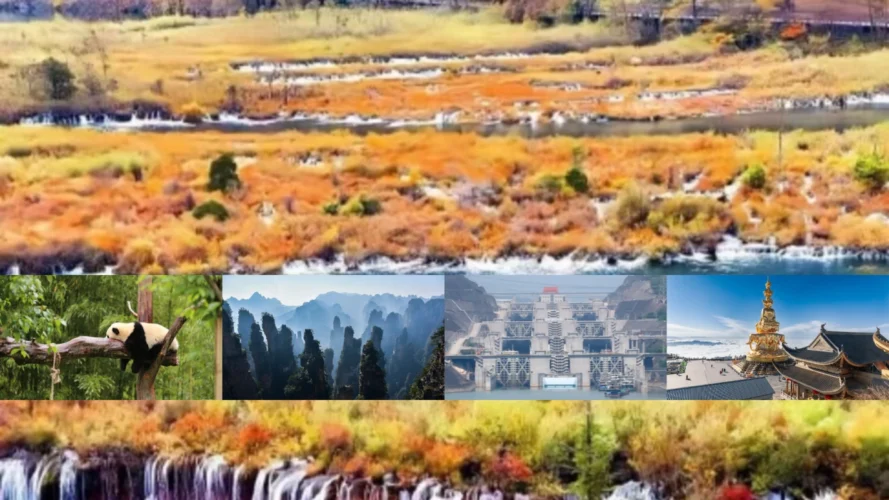
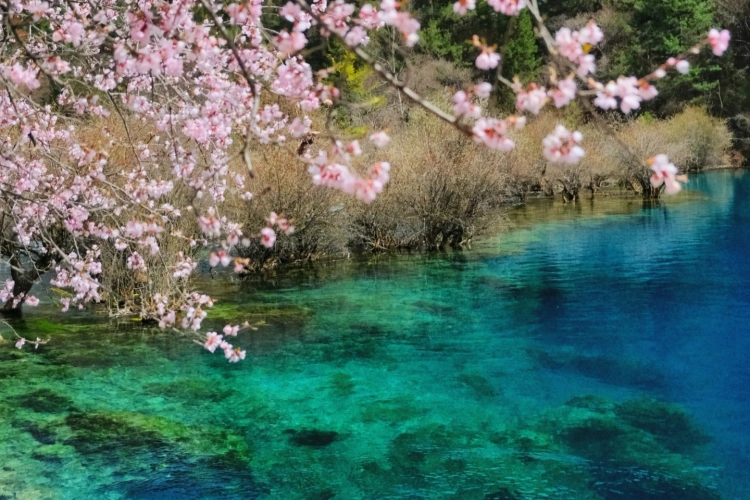
Jiuzhaigou is often described as a “fairyland on earth,” and for photographers, that description does not feel exaggerated. Located in the mountains of northern Sichuan, the valley is famous for its surreal turquoise lakes, layered waterfalls, colorful forests, and mirror-like reflections. The water is so clear that submerged tree trunks and minerals create shades of blue and green rarely seen elsewhere in the world.
But photographing Jiuzhaigou is not as simple as arriving and pressing the shutter during your Jiuzhaigou tours.
The park covers more than 700 square kilometers, and many of its most famous viewpoints are spread across different valleys connected by eco-buses. Lighting conditions change quickly in the mountains, crowds gather at popular lakes during peak seasons, and reflections can disappear within minutes if the wind picks up.
For photographers, success in Jiuzhaigou comes down to knowing where to go, when to shoot, and how to plan your route inside the park.
This Jiuzhaigou photography guide explains the best photo locations in the park, the best time of day and season for photography, a photographer-friendly route through the valley, and practical camera tips for shooting lakes and waterfalls.
Whether you are a casual traveler with a smartphone or a serious landscape photographer, understanding these details will help you capture the magic that makes Jiuzhaigou one of the most photogenic landscapes in Asia.
Why Jiuzhaigou Is a Photographer’s Paradise
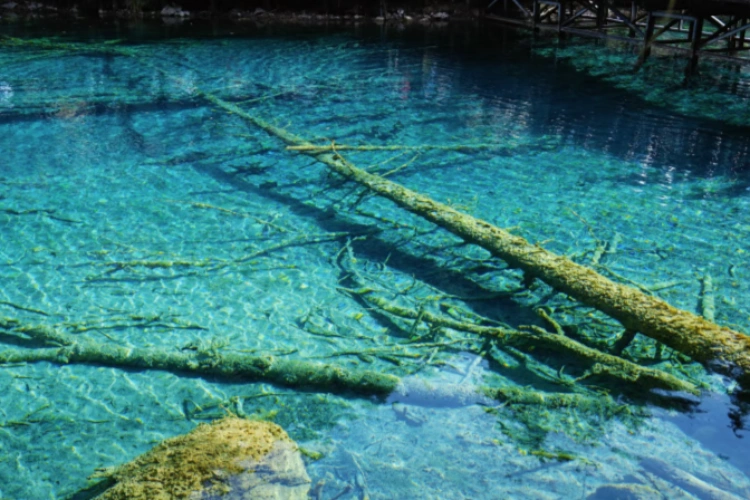
Jiuzhaigou National Park is a UNESCO World Heritage Site and one of China’s most famous natural landscapes. What makes the valley unique from a photography perspective is the extraordinary combination of geological and ecological features in a relatively compact area.
Mineral-Rich Turquoise Lakes
The lakes in Jiuzhaigou are famous for their vibrant colors. Minerals such as calcium carbonate and algae in the water create shades of turquoise, emerald, and deep blue. On sunny days, the colors can appear almost unreal.

Multi-Level Waterfalls
Instead of a single waterfall, Jiuzhaigou features numerous cascading falls flowing over travertine terraces. These layered waterfalls create beautiful textures and long-exposure opportunities for photographers.

Mirror Reflections
When the wind is calm, many lakes become perfect mirrors. Mountains, forests, and clouds reflect so clearly on the water that it can be difficult to distinguish the real landscape from the reflection.

Dramatic Seasonal Changes
The valley changes dramatically throughout the year:
- Autumn foliage turns forests red and gold
- Summer greenery contrasts with turquoise lakes
- Winter snow creates a peaceful monochrome landscape
This seasonal variety means Jiuzhaigou offers different photographic opportunities throughout the year. Choosing the best time to visit Jiuzhaigou can dramatically influence the colors, lighting, and atmosphere in your photos.
Best Time of Year for Jiuzhaigou Photography
Each season in Jiuzhaigou produces different colors and lighting conditions. Choosing the right time depends on the type of images you want to capture.
Autumn (Late September to Early November)
Autumn is widely considered the best season for photography in Jiuzhaigou.
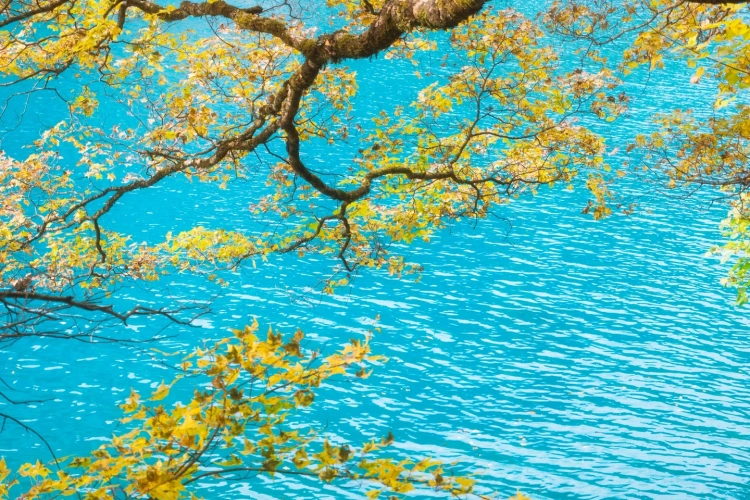
During this period, the forests surrounding the lakes turn vibrant shades of red, orange, and yellow. When these colors reflect on the turquoise water, the contrast creates some of the most iconic images of the park.
Why photographers love autumn:
- Dramatic foliage reflections
- Clear mountain air and bright colors
- Cooler, comfortable weather
However, this is also the busiest season, especially during China’s National Day holiday in early October.

Summer (June to August)
Summer brings lush greenery and powerful waterfalls fed by snowmelt and seasonal rain.
For photography, summer offers:
- Strong waterfall flow
- Rich green forests
- Deep turquoise lake colors
The downside is that weather can be more unpredictable, and occasional clouds may reduce sunlight.

Winter (November to March)
Winter transforms Jiuzhaigou into a quiet snow-covered landscape. Frozen waterfalls and snowy forests create a very different atmosphere from the colorful seasons.
Advantages of winter photography:
- Very few visitors
- Soft light and calm conditions
- Unique frozen waterfalls
However, some areas of the park may close temporarily due to snow.

Spring (April to May)
Spring is a quieter time in Jiuzhaigou. Fresh greenery begins to appear, and melting snow feeds the lakes and waterfalls.
While colors are less dramatic than autumn, spring offers:
- Fewer tourists
- Fresh mountain scenery
- Good lighting conditions
For photographers who prefer peaceful environments, spring can be surprisingly rewarding.
Best Time of Day: A Photographer’s Route
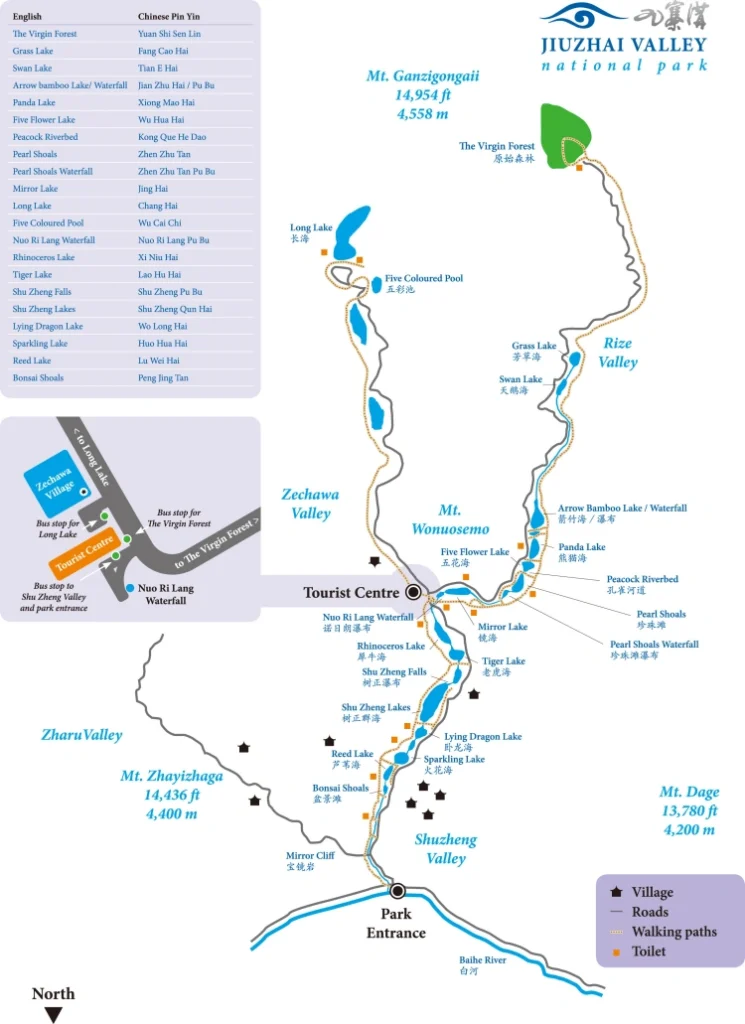
Light is one of the most important factors when photographing Jiuzhaigou’s lakes and waterfalls. Because the park follows a Y-shaped valley layout, with eco-buses transporting visitors between different areas, planning your route carefully can help you capture the best light throughout the day.
Morning Route
Start early and visit reflection-focused locations first:
- Mirror Lake
- Panda Lake
- Five Flower Lake
Morning calm conditions produce the best reflections.
Midday Route
Focus on locations where sunlight enhances water color:
- Pearl Shoal Waterfall
- Nuorilang area
Bright sunlight highlights turquoise lakes and flowing water.
Afternoon Route
Finish the day in the lower valley areas:
- Shuzheng Lakes
- Tibetan village viewpoints
Afternoon light adds warm tones to the forests and landscapes.
This route allows photographers to follow the natural progression of sunlight through the valley.
Top Photography Locations in Jiuzhaigou
Jiuzhaigou contains dozens of beautiful lakes and waterfalls, but several locations are particularly famous for photography.
Below are some of the most photogenic spots in the park.
Mirror Lake
Mirror Lake is only a “mirror” in the very early morning. By 9:00 AM, the temperature differential usually kicks up a mountain breeze that ripples the surface.
The Shot: Aim for 7:45 AM – 8:15 AM.
Settings: f/8, ISO 100, and a steady hand (or a tripod if you’re quick). You want to capture the perfect symmetry of the forest before the wind “wakes up.”

Five-Flower Lake
This is the “Holy Grail” shot of the park.
The Angle: Do not just shoot from the boardwalk at water level. Follow the road uphill to the Tiger’s Mouth (Laohu Zui) viewpoint. From here, you get a bird’s-eye view of the multicolored lake that resembles a peacock’s tail.
Best Time: 10:00 AM – 1:00 PM. This is when the sun is high enough to penetrate the water, making the colors pop to their maximum neon intensity.

Pearl Shoal Waterfall
The Angle: Walk to the very end of the boardwalk where the falls curve.
Settings: Use a 3-stop or 6-stop ND filter. At 1/4 or 1/2 second shutter speed, the water turns into a silky veil. If you prefer the “frozen” power of the 2026 summer melt, shoot at 1/1000 sec to catch individual droplets exploding off the rocks.

Long Lake: The 4:00 PM Soft Light
The Shot: Arrive between 3:00 PM and 4:30 PM. This is when the light softens, turning the deep indigo water into a “Mirror of the Sky.”
The Secret: In winter or early spring, this is the best spot to capture the “Ice Blue” contrast against the snowy Min Mountain peaks. Frame the “Lover’s Pine” (the lone, ancient tree on the shore) at the bottom-third of your frame to emphasize the scale.

Nuorilang Waterfall: Noon
Most photographers avoid midday sun, but Nuorilang, the widest calcified waterfall in China, needs it.
The Shot: 11:30 AM to 1:30 PM. Because the falls face east-southeast, the sun hits the water directly at noon, causing the spray to glow gold and often triggering rainbows in the mist.
Pro Tip: In the afternoon, the entire cliff face falls into shadow, making the water look flat and losing the “glow” that makes the calcified rock textures pop.

Shuzheng Lakes: Morning
The Shuzheng cluster consists of 19 terraced lakes that create a “necklace” of emeralds down the valley.
The Shot: 9:00 AM to 10:30 AM. At this hour, the light filters through the trees, creating “God rays” in the mist that often clings to the lower valley.
The Angle: Shoot from the Shuzheng Village side of the boardwalk, looking down the valley. You want the sun behind you or slightly to the side to illuminate the turquoise basins without creating a blown-out sky reflection.

The 2026 Photography Gear Bag
Before you even step onto the shuttle bus, your kit must be optimized for two things: glare and scale.
The Filter King: Circular Polarizer (CPL): This is your most important tool. Jiuzhaigou’s water is rich in calcium carbonate, which creates a high-reflectivity surface. Without a high-quality CPL, your camera will only see the sky’s reflection. A polarizer “cuts” the glare, revealing the neon-blue depth and the iconic “bone trees” (ancient submerged logs) that define the park’s character.
Lens Strategy:
- Ultra-Wide (14-24mm): Essential for the massive cascades like Nuorilang and Pearl Shoal. You need the width to capture the sheer horizontal scale of these falls.
- Telephoto (70-200mm): Many make the mistake of leaving the zoom at home. In Jiuzhaigou, a telephoto allows you to “compress” the layers of autumn foliage against the turquoise water, creating those dense, painterly compositions that wide angles miss.
The Drone Reality (2026 Update): As of May 1, 2026, China has implemented mandatory real-name registration and real-time tracking for all civilian drones via the UOM App.
The Rule: Drones are strictly banned inside the Jiuzhaigou National Park boundaries to protect the fragile ecosystem and avian life.
The Workaround: If you are a licensed pilot, fly in the nearby Zhongcha Valley (near the Conrad/Hilton resorts). You still get the dramatic Min Mountain peaks and Tibetan villages without risking the heavy 2026 fines or equipment confiscation at the park gate.

Essential Photography Tips for Jiuzhaigou
Carry a Tripod for Waterfalls: A tripod helps keep images sharp while using slow shutter speeds.
Protect Equipment from Moisture: Mist from waterfalls can create humidity around the camera lens. Bring a microfiber cloth to clean the lens regularly.
Arrive Early: Popular spots can become crowded later in the day. Early arrival allows you to photograph calm water and empty boardwalks.
Take the first bus to the Zechawa Valley (the left branch) first: You will have Long Lake and Five-Color Pond almost entirely to yourself for the first hour of the day.
Post-Processing the “Jiuzhai Blue”: High-altitude UV light and mineral-rich water often confuse a camera’s Auto White Balance, frequently leaning too far into the “magenta” or “green” tints.
Pro Tip: Shoot in RAW. When editing, pay close attention to the “Dehaze” slider—just a touch can help clear the mountain mist. However, be careful with the “Saturation” slider; Jiuzhaigou’s colors are naturally so intense that over-processing them will make your photos look artificial and “inhuman.”
Final Thought: The Ethics of the Frame
In 2026, park rangers are increasingly strict about visitors stepping off the wooden boardwalks to “get the angle.” Please, stay on the paths. The travertine (calcified) edges of these lakes take thousands of years to form and one footstep to shatter. A great photograph should never come at the cost of the landscape it celebrates.