If you land in Chengdu expecting a standard 9-to-5 city rhythm, you are in for a cultural shock. In the “City of Gastronomy,” time isn’t measured by a clock, but by the steam rising from a bamboo basket or the bubbling of a hotpot. To eat like a local in 2026, you have to understand the philosophy of “Shufu”—a Sichuanese term that encompasses comfort, leisure, and a refusal to be rushed.
Whether you are here for a single night or a week-long culinary deep-dive, navigating the city’s unique dining schedule is the difference between a tourist trap and a life-changing meal. If you’ve already booked your Chengdu food tour, this guide will help you understand the daily choreography of the people you’ll be sitting next to.
The Chengdu Daily Food Clock (2026)
The city follows a specific, almost ritualistic timing. In 2026, even as the city grows into a high-tech hub, these culinary windows remain sacred.
| Meal | Timing | The Local Vibe |
|---|---|---|
| Breakfast (Zǎocān) | 07:30 – 09:00 | Fast-paced, savory, and street-side. |
| Lunch (Wǔfān) | 11:30 – 13:30 | The "Fly Restaurant" peak; loud and efficient. |
| Tea Time (Hēchá) | 14:00 – 17:00 | The soul of the city; slow, social, and snack-heavy. |
| Dinner (Wǎnfān) | 18:00 – 20:30 | The main event; communal and grand. |
| Supper (Xiàoyè) | 21:30 – Late | Neon lights, skewers, and "cold beer" culture. |
Breakfast: The Savory Awakening
Forget cereal or fruit. In Chengdu, breakfast is a savory, spicy, and steaming affair. By 7:30 AM, the air in neighborhoods like Yulin or the backstreets of Wenshu Monastery is thick with the scent of toasted Sichuan peppercorns and pork lard.
The Habits
Locals rarely sit down for a long breakfast. It is a “grab and go” culture, but with high-quality ingredients. You will see office workers standing by a stall, waiting for a Chengdu street food legend: the Guokui (a crispy, meat-filled flatbread).
What to Order
Noodles: Unlike Northern China, Chengdu breakfast noodles like Dan Dan Mian or Feichang Fen (intestine sweet potato noodles) are served in small portions meant to “awaken” the stomach.
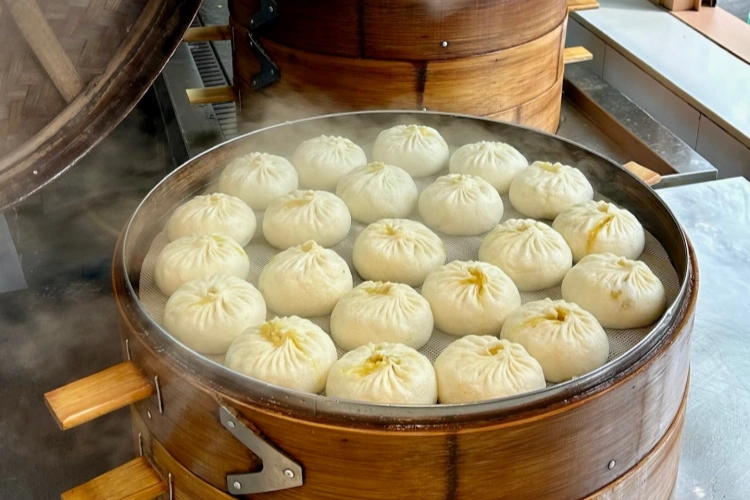
Baozi: Steamed buns filled with spicy pork or savory greens, often paired with a cup of fresh, unsweetened soy milk.
Lunch: The “Fly Restaurant” Hustle
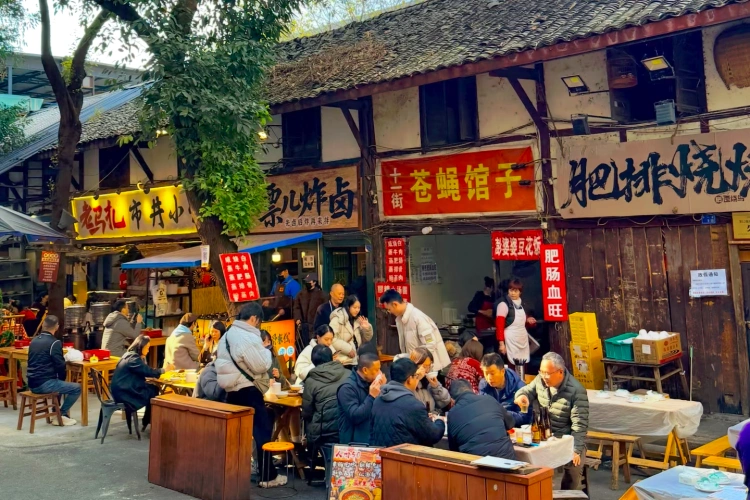
Between 11:30 AM and 1:30 PM, the city’s “Fly Restaurants” (Cāngying Guǎn) reach fever pitch. These are the best places to eat in Chengdu—no-frills, tucked-away eateries that attract people like flies because the food is just that good.
The Logistical “Wall”
One of the most important things to know for 2026 is that many authentic, family-run shops close between 2:00 PM and 5:00 PM. The staff (and the city) takes a mandatory afternoon siesta. If you try to find a famous noodle bowl at 3:00 PM, you will likely find the metal shutters down.
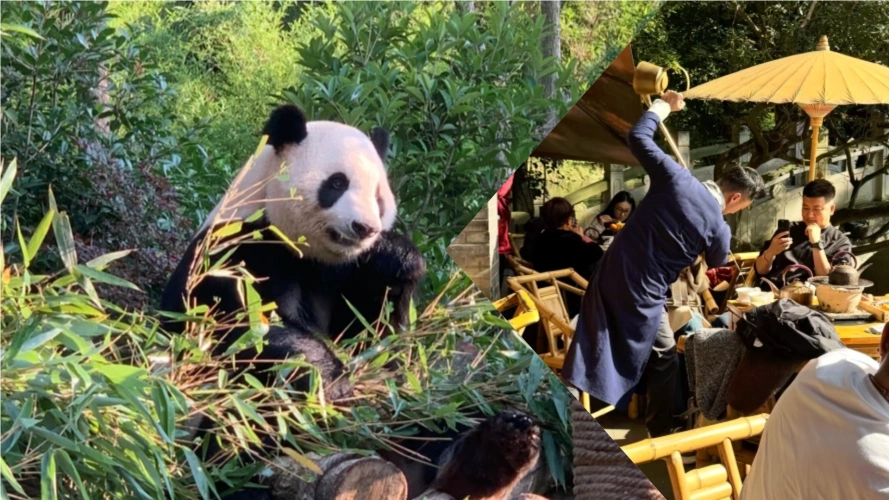
Plan your day around this: spend your morning on a Chengdu panda tour, but make sure you are back in a residential neighborhood by 12:30 PM for the lunch rush.
Afternoon: The Teahouse “Slow Life”
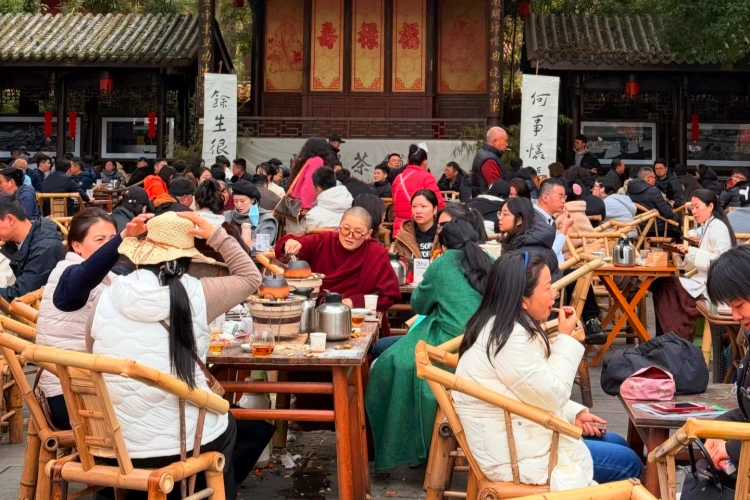
If you wonder where everyone goes during the afternoon “gap,” the answer is the teahouse. In 2026, the teahouse remains the “third space” for Chengdu locals.
The Social Habit
This isn’t just about drinking tea; it’s about social endurance. A local will pay for one cup of Zhuge green tea or Jasmine tea and spend four hours playing Mahjong, gossiping, or even getting their ears cleaned by a traditional practitioner.
Teahouse Snacks
This is where you’ll find the lighter side of Chengdu slow life. Sunflower seeds, dried tofu, and small bowls of Bingfen (ice jelly) are the standard accompaniment. It is the bridge that keeps the appetite alive until the spicy evening begins.
Dinner: The Communal Ritual
Dinner is the most formal—and yet most chaotic—meal of the day. In 2026, the trend has shifted back toward “Community Dining.” Instead of heading to the shiny malls, locals are staying in their own districts to eat at generational hotpot shops.
The Hotpot Habit
If it’s a Friday night, it’s hotpot. Locals will happily wait two hours for a table at their favorite neighborhood spot. The habit here is “slow boiling”—you don’t rush a hotpot. You order a “Mandarin Duck Pot” (split spicy and mild) and linger over the conversation as much as the food.
The Private vs. Group Dynamic
While tourists often stick to the big-name chains, locals favor the “compound” restaurants. This is why many find that a guided Chengdu food tour is the only way to find these unmarked, residential gems that don’t advertise to outsiders.

Supper (Xiàoyè): The Midnight Soul
Perhaps the most iconic Chengdu habit is the Xiàoyè (late-night snack). Around 9:30 PM, a second wave of culinary energy hits the city.
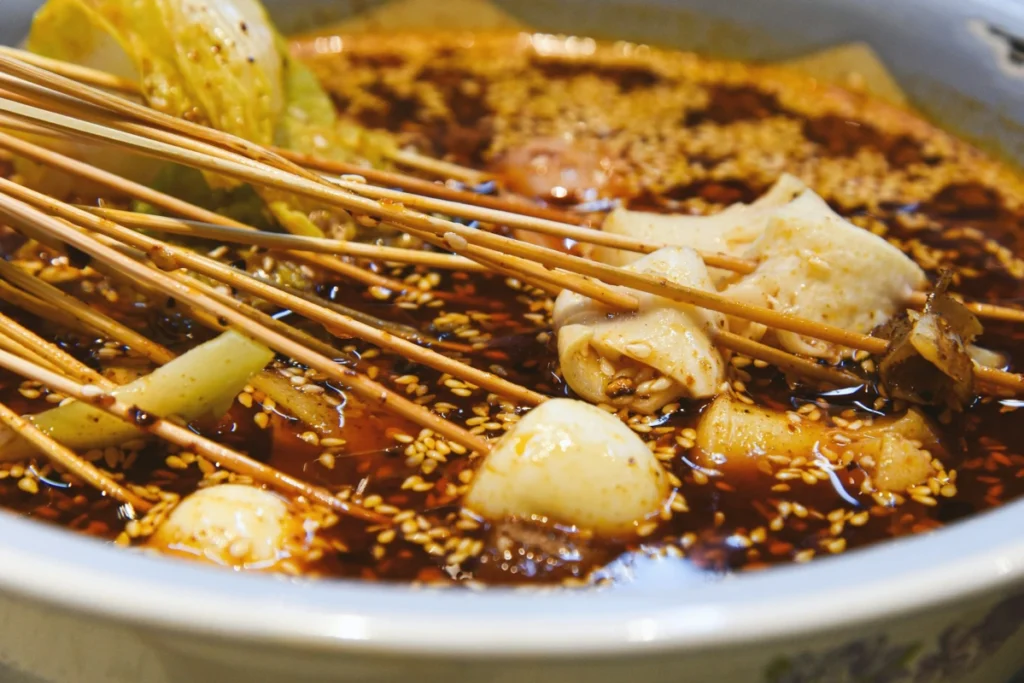
The “Chuanchuan” Culture
Night markets and street corners fill with Chuanchuan vendors. These are skewers that you dip into a shared spicy broth. It’s cheaper and more casual than a full hotpot, making it the perfect “supper” for younger crowds. Pairing these with a cold Snow beer or a bottle of local plum wine is the definitive way to end a Chengdu day.
Is it Worth Adapting to Local Habits?
You might ask: “Can’t I just eat when I’m hungry?” You can, but you’ll miss the soul of the city. The city’s best flavors are time-sensitive. Eating at 6:00 PM in a neighborhood like Yulin allows you to see the city’s transition from the “Slow Life” of the afternoon to the “Spicy Life” of the night.
How to Dine Like a Local in 2026
Start Savory: Skip the hotel continental breakfast for a street-side Guokui.
Respect the Nap: Eat lunch before 1:30 PM or be prepared to wait until dinner.
Park Yourself: Spend at least one afternoon in a park teahouse to experience the Shufu lifestyle.
Go Late: Don’t go to bed at 10:00 PM; the best BBQ and skewers are just getting started.
Digital Readiness: Ensure your Alipay/WeChat is ready for the digital queues that define 2026 dining.
Ready to find your seat at the table? Whether you want to navigate the morning noodle stalls or the midnight skewer markets, our Chengdu food tour is timed perfectly to match the local heartbeat. Let us take you beyond the menus and into the true rhythm of Sichuan.