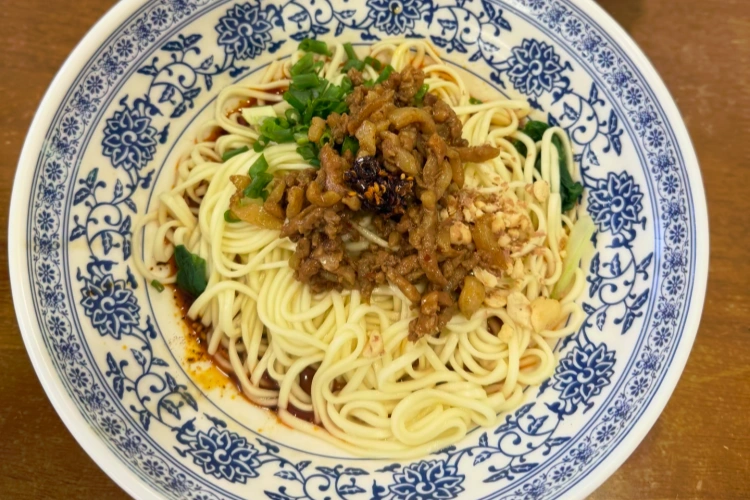
If you see a giant bowl of soupy noodles topped with peanut butter and called “Dan Dan Noodles,” you are likely anywhere in the world except Chengdu. In its home city, the Dan Dan Mian (担担面) is a disciplined, small-scale masterpiece.
The name comes from the Dan—the bamboo shoulder pole used by 19th-century street hawkers. One basket held the noodles, the other held the stove and the sauces. Because they had to carry everything on their backs, the original dish was “dry,” concentrated, and served in small, snack-sized portions.
In 2026, while the bamboo poles are mostly a memory, the debate over the “perfect” bowl is more heated than ever. To truly enjoy a Chengdu food tour, you must understand that not all Dan Dan noodles are created equal. This guide breaks down the regional lineages and the best places to find an authentic bowl in Chengdu today.
The Three Main Lineages: Chengdu vs. The World
While Chengdu is the birthplace, Dan Dan Noodles have evolved into distinct regional “species” to suit global palates. In 2026, understanding these differences is the first step to becoming a true Sichuan food connoisseur.
| Feature | Chengdu (The Original) | Hong Kong (The Traveler) | Japan (Tantanmen) |
|---|---|---|---|
| Broth Level | Dry or very little sauce. | Soupy/Broth-heavy. | Full Ramen-style soup. |
| Nut Component | Toasted peanuts (crunchy). | Heavy sesame paste (creamy). | Sesame/Peanut paste + Soy milk. |
| Green Element | Yibin Yacai (mustard greens). | Bok Choy or Cabbage. | Spinach or Bok Choy. |
| Portion Size | Small "snack" bowl. | Large meal size. | Large meal size. |
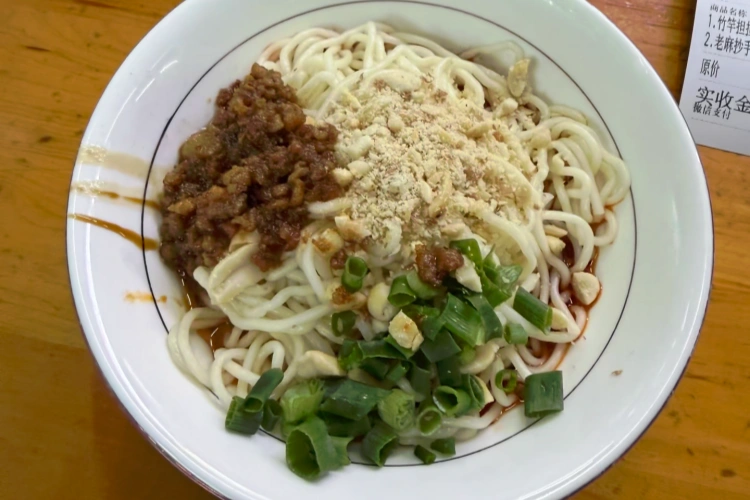
In Chengdu, the “soup” is actually a concentrated puddle of seasoning at the bottom of the bowl. If you are served a bowl where the noodles are swimming in liquid, you are likely in a tourist trap or a different province altogether.
Chengdu’s Internal Debate: The “Big Three” Variations
Even within Chengdu in 2026, local chefs argue over the “true” preparation. Knowing these variations helps you order exactly what you want when looking for Chengdu street food.
A. The “Dry-Toss” Purist
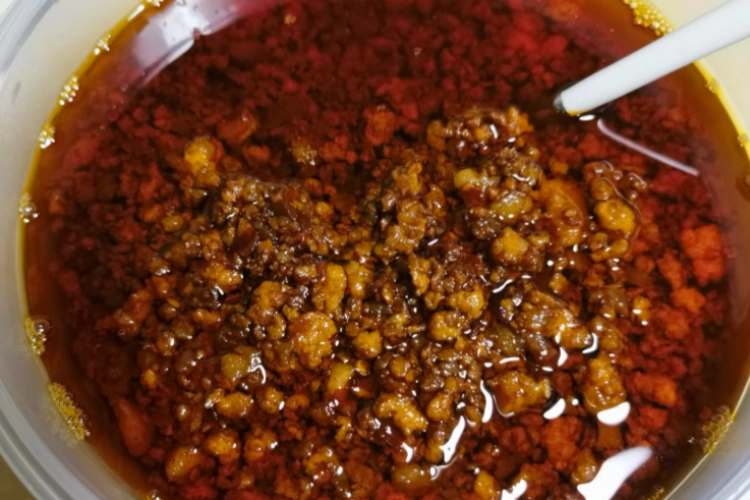
This is the closest version to the original 1841 recipe. The sauce sits at the very bottom, hidden by the noodles. It is a dark, potent mixture of Baoning vinegar, soy sauce, chili oil, and a pinch of sugar.
The Ritual: You must mix the noodles immediately. Because these noodles are high-starch wheat, they will lock together into a solid block if they sit for more than 60 seconds.
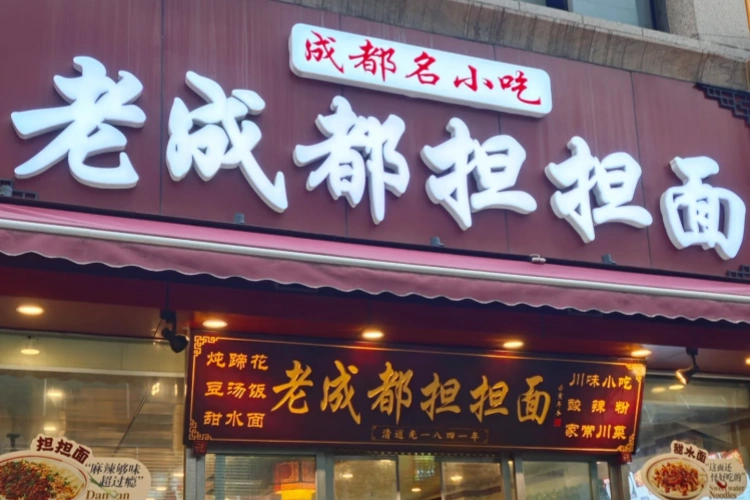
Where to find it: Chen Zuming Dan Dan Noodles. This 60-year-old institution remains a bastion of tradition.
The “Saozi” (Meat Sauce) Heavy
In this version, the focus is on the Saozi—the minced pork. The meat is fried until “crispy-dry” (Sū) with ginger and plenty of Yacai.
The Flavor: This version is saltier and more “umami” forward. It’s perfect for those who find the vinegar-heavy purist version too tart.
Where to find it: Chunyangguan. Widely considered by locals in 2026 as the gold standard for meat-to-noodle ratio.
The Modern “Fly Restaurant” Hybrid
The famous “Fly Restaurants” now offer a version with a slightly wider noodle.
The Vibe: It’s heartier and holds onto the chili oil better, though purists argue that the noodle should always be thin and delicate to reflect its “snack” origins.
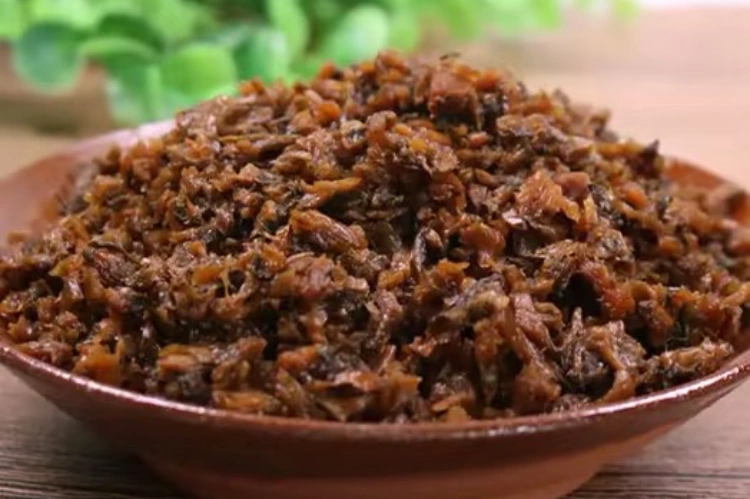
The Secret Ingredient: Yibin Yacai
If you take away the chili, the dish is still Dan Dan Noodles. If you take away the Yibin Yacai (宜宾芽菜), it’s just noodles with meat.
Yacai is a preserved mustard green from the nearby city of Yibin. It is fermented in salt and sugar for months until it turns dark brown and develops a flavor profile similar to salty licorice or highly concentrated miso. It provides the “crunch” and the deep, fermented soul that offsets the numbing heat of the peppercorns. When you are on a private Chengdu food tour, ask your guide to point out the Yacai—it’s the true mark of authenticity.
How to Spot “Fake” Dan Dan Noodles
With the rise of “Instagrammable” food, some shops have begun to prioritize looks over lineage. Watch out for these red flags:
Peanut Butter Overload: If the sauce tastes like Jif or creamy peanut butter, it’s a Westernized version. Traditional Chengdu Dan Dan uses toasted, crushed peanuts for texture, not a paste for creaminess.
Too Much Green: A few sprigs of pea shoots (Doumiao) is normal. A mountain of broccoli or bok choy is a sign they are “filling out” the bowl because the sauce lacks depth.
Large Bowls: Authentic Dan Dan is a “snack.” It should be served in a bowl about the size of your fist. This is why locals order it by the “Liang” (e.g., Yi Liang is roughly 50g of noodles). If you’re full after one bowl, it was too big.
Pro Tips for Your Noodle Adventure
The “Mix” is Mandatory: As soon as the bowl hits the table, stir from the bottom up until every strand of wheat is stained orange-red.
Ordering Size: Always order “Yi Liang” (one portion). This is the secret to a successful Chengdu food tour—eat small, eat often.
The Palate Reset: Pair your noodles with a bowl of Sweet Tofu Pudding (Douhua). The silky, sweet syrup perfectly counters the numbing Mala heat.
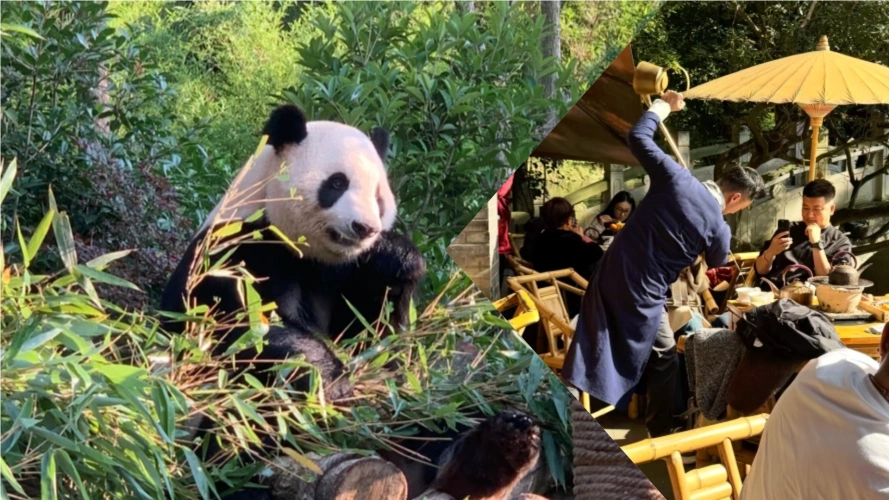
Timing: Like a Chengdu panda tour, the best noodle shops are best experienced early. Go at 11:00 AM to avoid the local office rush.
Final Thoughts: The Peddler’s Legacy
Dan Dan Noodles are a reminder that the best food doesn’t need a white tablecloth; it just needs a bamboo pole and a passion for spice. In 2026, despite the glitzy malls of Taikoo Li, the best bowl is still found on a tiny plastic stool in a back alley.
Ready to find the ultimate bowl? Don’t get lost in the “tourist version” of the city. Our group or private Chengdu food tours take you to the generational shops where the Yacai is aged for years and the chili oil is a family secret. Let’s go slurp some history together!