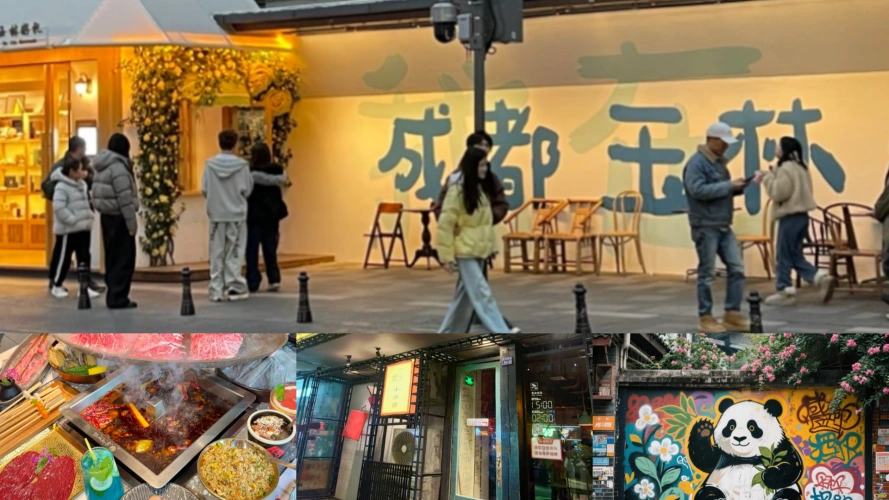
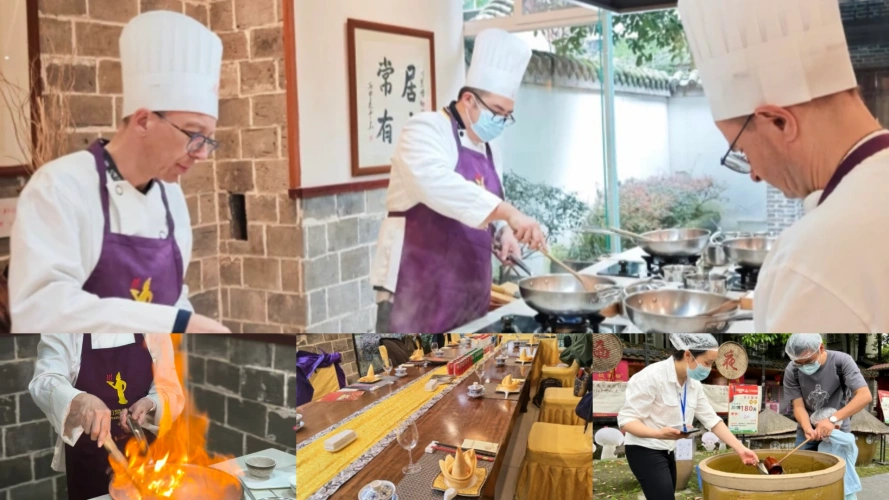
If there’s one thing that defines Chengdu, it’s not just pandas or tea. It’s the hotpot. Walk into any neighborhood at night, and you’ll see tables packed with locals, red oil bubbling, laughter rising with the steam. This isn’t just a meal. It’s a ritual.
For first-time visitors, Chengdu hotpot can feel intimidating: the heat, the unfamiliar ingredients, the ordering system. But once you understand how it works, it becomes one of the most memorable experiences of your trip to China.
This guide breaks it all down. From what makes it unique to how to order like a local, you can enjoy hotpot in Chengdu with confidence.
What Is Chengdu Hotpot?
Have you never heard of hotpot before coming to China? Doesn’t matter. I’ll tell the story.
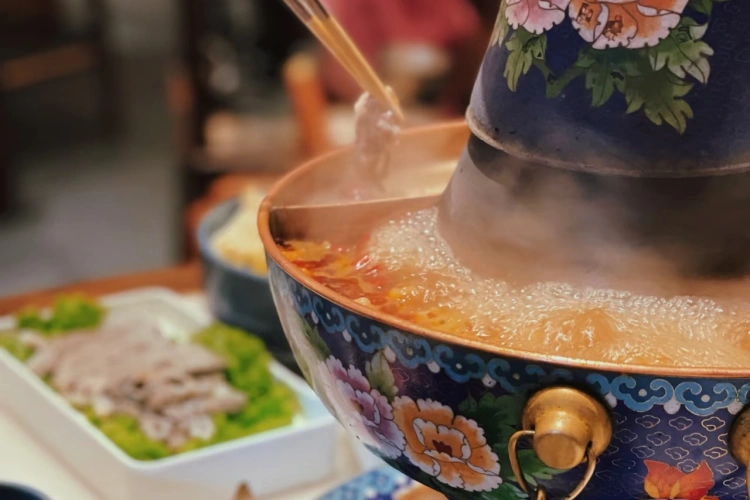
Chengdu hotpot is the most iconic version of Sichuan hotpot, famous for its bold mala flavor: a combination of spicy chili heat and the numbing sensation of Sichuan peppercorn.
At the center of the table sits a pot of simmering broth, typically deep red with chili oil and spices. Around it, plates of raw ingredients, such as thinly sliced beef, vegetables, tofu, mushrooms, etc., wait to be cooked.
Unlike Western meals, hotpot is:
- Shared – everyone cooks and eats together
- Interactive – you control how your food is cooked
- Slow-paced – meals can last hours
It’s less about eating quickly and more about the experience.

Why Chengdu Hotpot Is the World’s Best Social Meal
While hotpot exists across China, Chengdu is the undisputed capital. Why? Because here, hotpot is a cultural pillar.
Historically rooted in Sichuan, hotpot evolved as a communal way of eating, especially in humid climates where spicy food helps stimulate appetite and regulate the body. Over time, Chengdu refined it into something deeper: a social event.
Here, hotpot is a default dinner with friends, a late-night comfort ritual, and a way to celebrate, connect, and relax.
Chengdu vs. Chongqing Hotpot
Chongqing Hotpot is aggressive. It uses heavy beef tallow and focuses on pure, punchy spice.
Chengdu Hotpot is more fragrant and nuanced. We use a blend of vegetable oils and beef fat, adding more “aromatics” (like star anise and cinnamon) to create a complex, layered scent that lingers long after the heat fades.
Chengdu vs. Beijing Hotpot
If Sichuan hotpot is a spicy, chaotic symphony, Beijing hotpot is a clean, traditional folk song.
Often called “Mutton Hotpot” or Shua yangrou, the Beijing broth is often just plain water with ginger and scallions. The goal is to highlight the quality of paper-thin lamb slices, which are dipped into a rich, creamy sesame paste rather than fragrant oil.
Chengdu strikes a balance: rich, aromatic, and layered rather than just overwhelmingly spicy or pure meat.
Is Chengdu Hotpot Too Spicy?
Short answer: It can be, but it doesn’t have to be.
The signature mala flavor comes from:
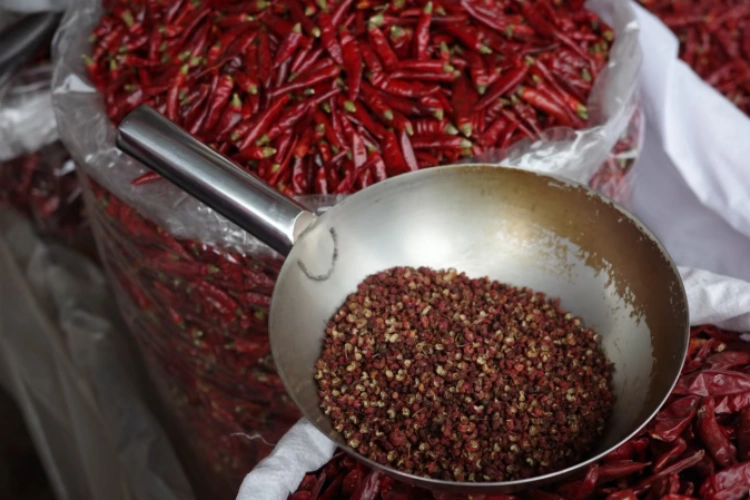
- Sichuan Peppercorn: This isn’t a pepper at all, but a citrus berry. It contains a molecule called hydroxy-alpha-sanshool, which causes “paralysis” of the nerve endings. It makes your lips tingle and prevents the chili from becoming painful.
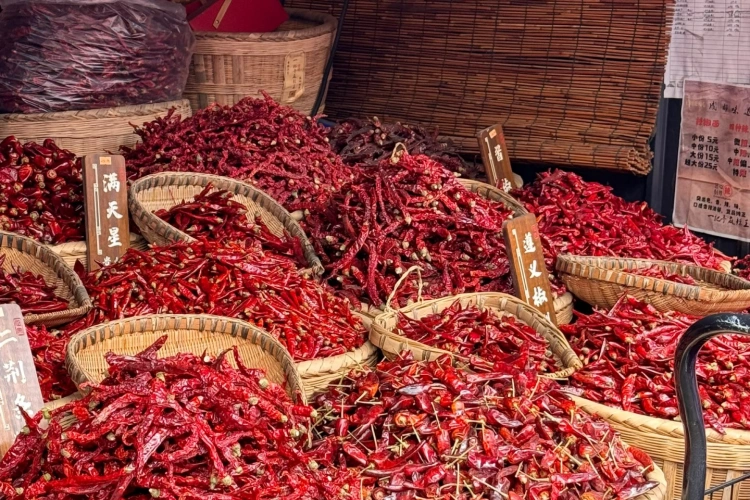
- The Dried Chilies: Hand-picked “Facing Heaven” chilies are fried in oil to release their capsaicin.
For first-timers, the numbing effect is usually more surprising than the spice.
How to Make It Manageable
Choose the “Mild” Spicy: In Chengdu, restaurants typically offer three primary levels of heat: Wei La (Mildly Spicy), Zhong La (Medium Spicy), and Te La (Extra Spicy).
But here is a fair warning: Chengdu’s “Mild” is a local’s baseline. For many travelers, a Wei La pot here is still significantly punchier than an “Extra Spicy” dish in London or New York.
Order a Yuan Yang Pot: If you’re worried about the heat, order a Yuan Yang Pot. It is a split pot with half fiery red, half mild mushroom or tomato broth. It’s a literal lifesaver.
Use Sesame Oil Dipping Sauce: It’s a bowl filled with sesame oil and crushed garlic. The oil creates a protective coating for your stomach and helps neutralize the sting of the chili on your tongue. It’s the local secret to eating hotpot three nights a week without regret.
If you feel the burn getting out of control, eat a spoonful of sugar or drink soy milk. Water only spreads the oil and makes it worse!
QuietRoutes Tip: Locals often embrace the intensity, but no one expects you to suffer through it. Adjusting spice is completely normal.
Read More: Is Chengdu Food Very Spicy? The Truth about Sichuan Heat
What to Order: Must-Try Hotpot Ingredients
The menu can look overwhelming, especially if it’s your first time. Here’s how to navigate it.
Meats (for Beginners)
- Beef slices (牛肉) – tender, quick-cooking, beginner-friendly
- Lamb (羊肉) – slightly stronger flavor, very popular
- Pork slices (猪肉) – mild and safe
Vegetables & sides
- Lotus root – crunchy, slightly sweet
- Potatoes – absorb spice beautifully
- Leafy greens – balance the richness
Tofu & mushrooms
- Firm tofu – soaks up broth flavor
- Enoki mushrooms – soft, delicate texture
For the adventurous
- Duck intestine (鸭肠) – very popular locally, quick dip (10–15 seconds)
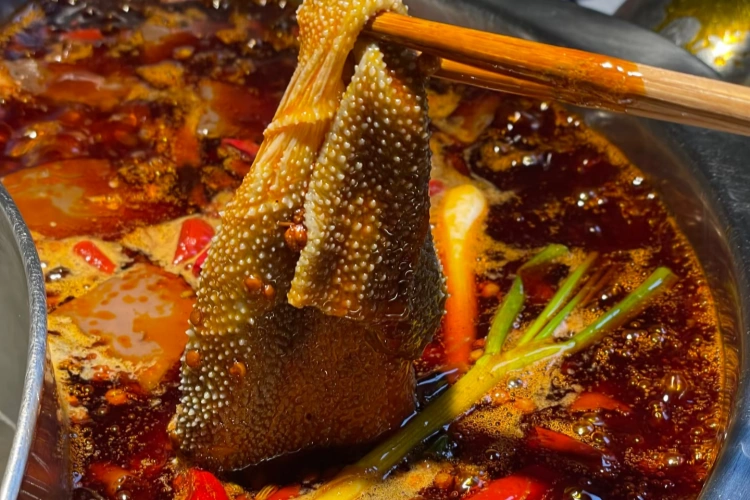
- Tripe (毛肚) – crunchy texture, a Chengdu classic
- Zhu Nao (Pig Brain) – Don’t knock it until you try it. When cooked in the spicy broth, it takes on the texture of a rich, spicy foie gras or silken tofu.
QuietRoutes Tip: Start with familiar items, then try one or two local specialties.
How to Eat Hotpot Like a Local (Step-by-Step)
This is the section that separates the tourists from the travelers. Follow these steps to earn the respect of the waitstaff:
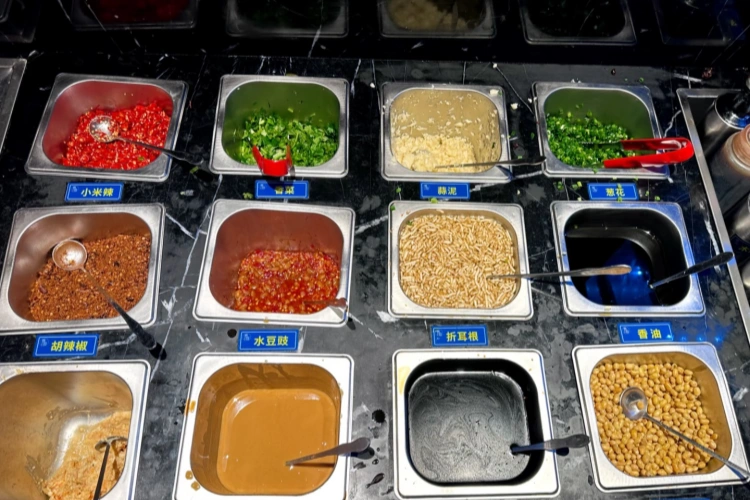
Step 1: The Dipping Sauce Station
Do not just pour soy sauce. A traditional Chengdu sauce bowl consists of:
- Sesame Oil: The base. It coats your stomach and “cools” the spice.
- Minced Garlic: Lots of it.
- Oyster Sauce: For umami.
- Cilantro and Green Onions: For freshness.
- Optional: A splash of black vinegar to cut through the fat.
Step 2: The Cooking Order
Don’t dump everything in at once!
- Start with Meats: They flavor the broth further.
- Follow with “Crunchies”: Tripe and intestines.
- End with Veggies and Starches: These act like sponges for the oil, so eating them last means they will be the spiciest thing you eat.
Step 3: Timing is Everything
- Leafy Greens: 30 seconds.
- Thin Beef: 10–15 seconds.
- Root Veggies: 3–5 minutes.
- The “Swish-Swish” Method: For tripe, use your chopsticks to dunk it in and out of the boiling oil 7 or 8 times.
QuietRoutes Tip: Eat slowly. Hotpot isn’t rushed. Locals chat, cook, and eat over time.
Best Hotpot Restaurants in Chengdu (2026 Picks)
While thousands of shops line the streets, these three are the most loved by locals.
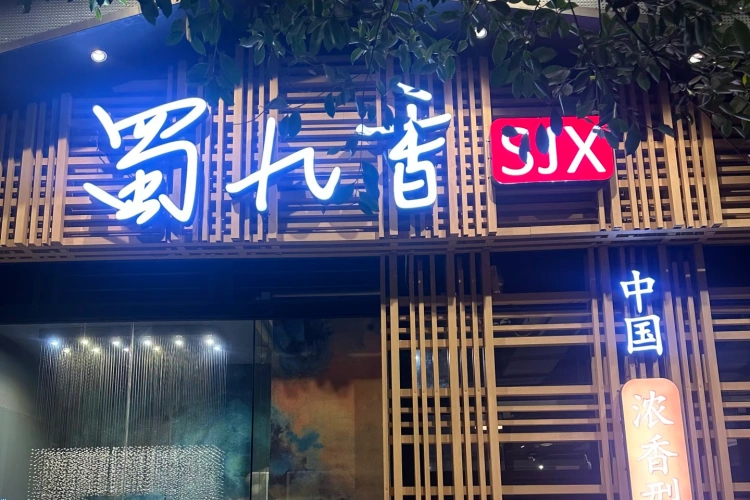
1. Shujiuxiang (蜀九香)
If you want the quintessential, “no-surprises” Chengdu experience, this is it. Shujiuxiang is famous for its extreme cleanliness and consistency.
Why It: It is incredibly tourist-friendly. Most locations offer English menus and waitstaff who are used to helping novices mix their first dipping sauce.
Must-Order: Their Jiuxiang Beef (marinated slices) and their handmade meatballs.
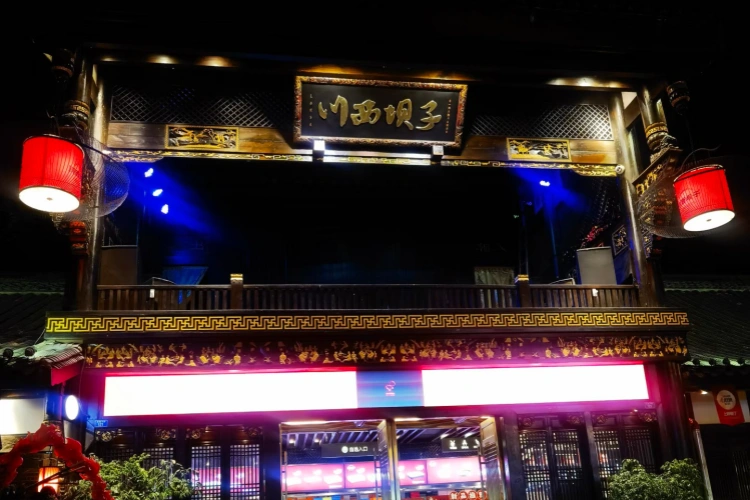
2. Chuanxi Bazi (川西坝子)
This is where the “New Chengdu” dines. Chuanxi Bazi has modernized the hotpot experience with an open-kitchen market style.
Why It: You can see the chefs preparing the tripe and goose intestines in real-time. It’s also known for having one of the best complimentary snack and dessert bars. Perfect for cooling down after a spicy session.
Must-Order: Their “Black Cow Tripe” is legendary for its crunch.
3. Xiaolongkan (小龙坎)
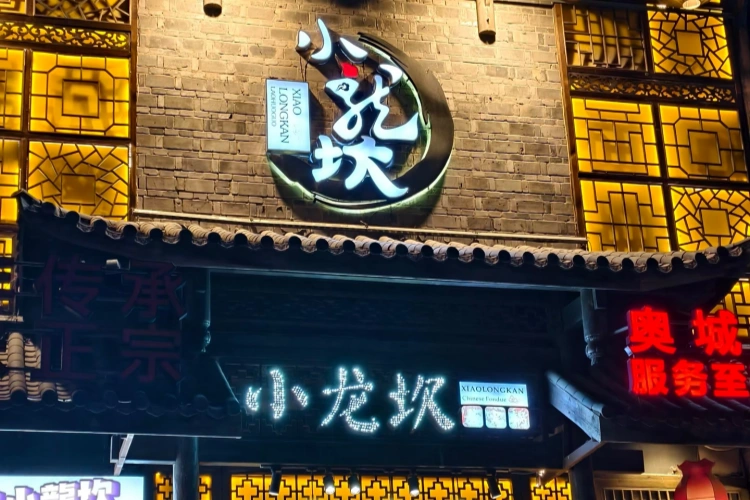
You’ve likely seen photos of this place on social media. Xiaolongkan is an institution located in the heart of the bustling Chunxi Road and Taikoo Li districts.
Why It: It represents the peak of “Mala” culture. The broth here is unapologetically bold and red. It’s the best place to feel the true energy of Chengdu’s nightlife.
QuietRoutes Tip: The queues here are notorious. Make sure to use their WeChat mini-program to “grab a number” remotely, or you might find yourself waiting for two hours on the sidewalk!
How Much Does Chengdu Hotpot Cost?
Hotpot is incredibly affordable for the value you get.
- Budget: CNY 70–90 per person ($10–$13 USD).
- Mid-Range: CNY 120–160 per person ($17–$22 USD).
- Premium: CNY 250+ per person ($35+ USD).
Prices depend on the restaurant type, ingredient quality, and how much you order.
QuietRoutes Tip: Dishes are priced individually, so it’s easy to over-order. Start small; you can always add more.
Essential Tips for First-Timers
Wear casual clothes. Hotpot smoke and chili oil cling to fabric easily, so avoid anything delicate or hard to wash.
Tie long hair. Steam rises constantly from the pot, and loose hair can quickly absorb the strong aroma.
Don’t over-order. Dishes come in small plates, but they add up fast; start with a few and add more if needed.
Use your dipping sauce. A simple sesame oil mix helps cool the spice and balances the intense flavors.
Take breaks while eating. The heat builds gradually, so pause between bites to avoid overwhelming your palate.
Follow the locals. Watch how others cook and time their food. It’s the easiest way to learn the rhythm of hotpot.
Final Thoughts: More Than Just a Meal
Chengdu hotpot isn’t just about spice. It’s about connection.
You sit around a table, cook your own food, share flavors, and slow down. It’s messy, intense, sometimes overwhelming, but that’s exactly why people remember it.
For many travelers, this becomes the highlight of their time in Chengdu, not because it’s comfortable, but because it’s real.
FAQ
Is it too spicy for foreigners?
If you order the “Yuan Yang” (Split) pot, you’ll be fine. You can enjoy the flavor without the pain.
Is hotpot vegetarian-friendly?
It’s tough. Most traditional bases use beef tallow. However, modern spots now offer “Qing You” (Vegetable Oil) bases. Just be aware that most of the “delicacies” are meat-based.
Can I eat hotpot alone?
You can. In Chengdu, you can find many One-Person hotpot in modern malls.
Do I need to speak Chinese?
Not necessarily. Many places have picture menus, and pointing works fine.