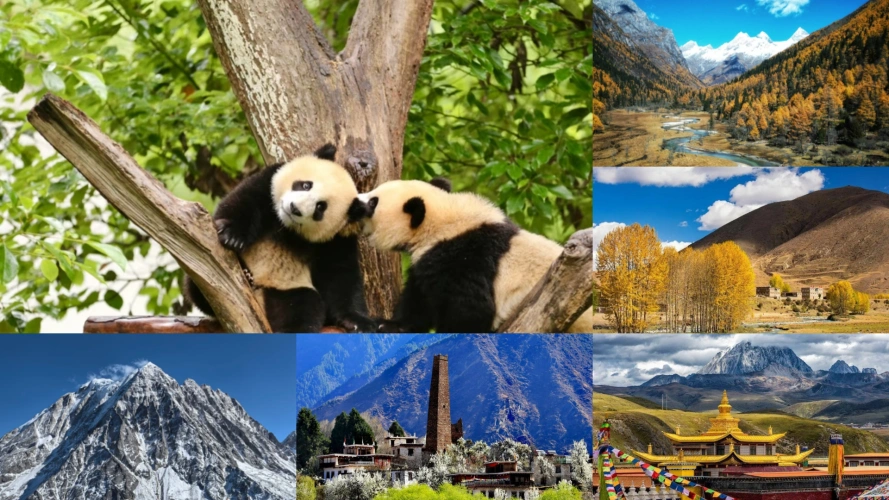
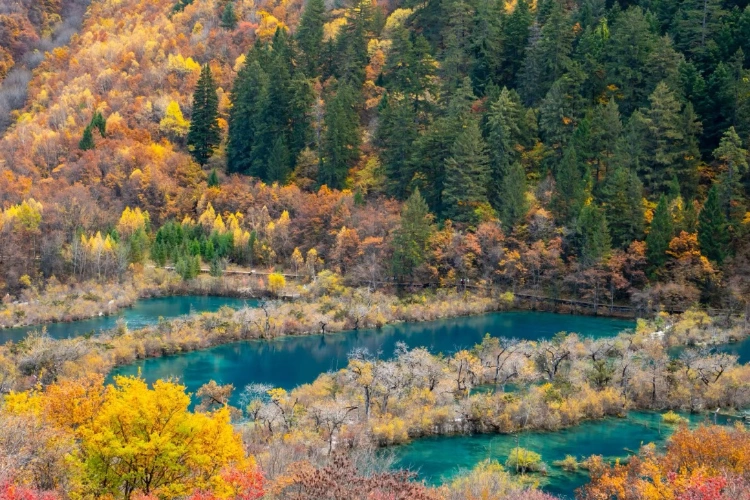
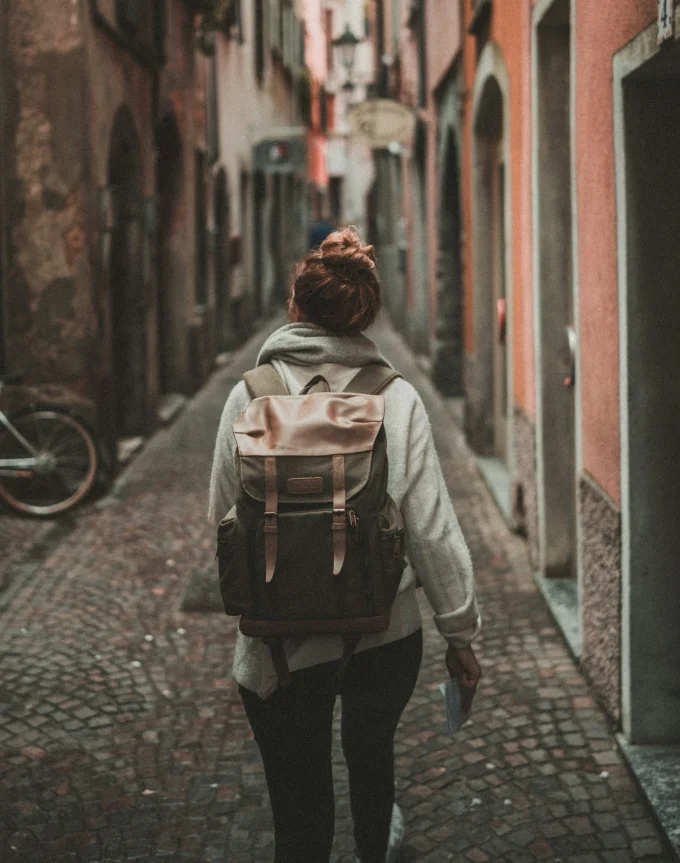
While the main “Y” of Jiuzhaigou (the Rize, Zechawa, and Shuzheng valleys) is world-famous for its kaleidoscopic water, Zharu Valley is famous for something else: its absence of people.
In 2026, Zharu remains the park’s primary conservation and ecotourism zone. It is a steep-sided limestone and granite valley that feels like a micro-version of the Swiss Alps, deeply rooted in the ancient Benbo (Bön) Tibetan religion.
What Makes Zharu Different?
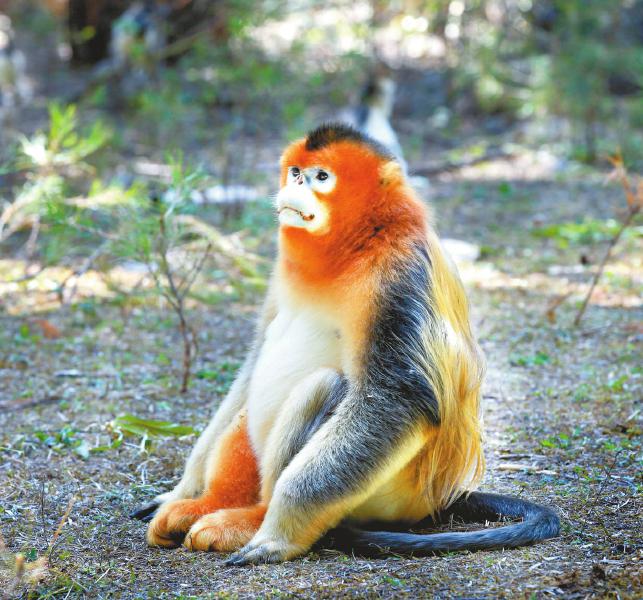
Unlike the other valleys, there are no shuttle buses zooming past every three minutes here. Zharu is dedicated to “slow travel.” It contains 40% of the total plant species found in the entire national park and is one of the last places you might realistically spot a Sichuan Takin or a Golden Snub-nosed Monkey in the wild.
The terrain shifts from abandoned Tibetan villages and 1,000-year-old cedar forests to high-altitude alpine meadows. While the rest of Jiuzhaigou is a “look but don’t touch” experience from the boardwalks, Zharu allows you to actually step onto the earth.
The Cultural Core: Zharu Monastery & Mt. Zhayizhaga
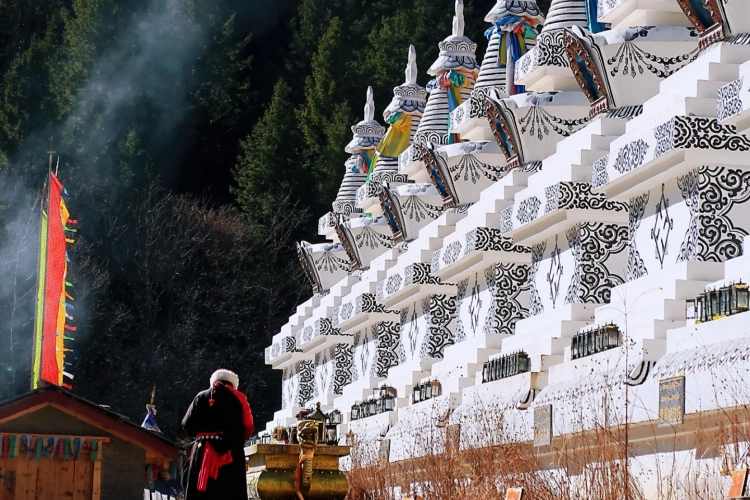
The gate to the valley is guarded by the Zharu Monastery, a stunning example of Benbo architecture. In 2026, the temple is still an active place of worship.
The valley serves as the starting point for the Kora (pilgrimage) around Mt. Zhayizhaga (4,528m). For local Tibetans, this isn’t just a hike; it’s a spiritual circumnavigation. You will see thousands of prayer flags strung across the mountain passes, their colors fading into the mist as they carry prayers into the wind.
Zharu Valley Hiking & Trekking
Before Jiuzhaigou became a masterpiece of high-speed logistics and manicured boardwalks, Zharu Valley was the secret handshake among the world’s most dedicated trekkers. It wasn’t about the “perfect teal” of a lake; it was about the raw, high-altitude spine of the Min Mountains.
In 2026, Zharu remains the park’s only true wilderness corridor, though the way we explore it has changed.
Historically, Zharu was the gateway for long-range mountain expeditions. These rugged trails once connected the valley to the deep forest basins of northern Sichuan, cutting through alpine meadows that feel more like the Himalayas than a tourist park.
Today, you won’t find the “free-for-all” trekking of the past. To protect the valley’s 40% share of China’s plant species, hiking is strictly managed. However, for those who secure the right permits, it remains the ultimate escape from the “theme park” feel of the main shuttle routes.
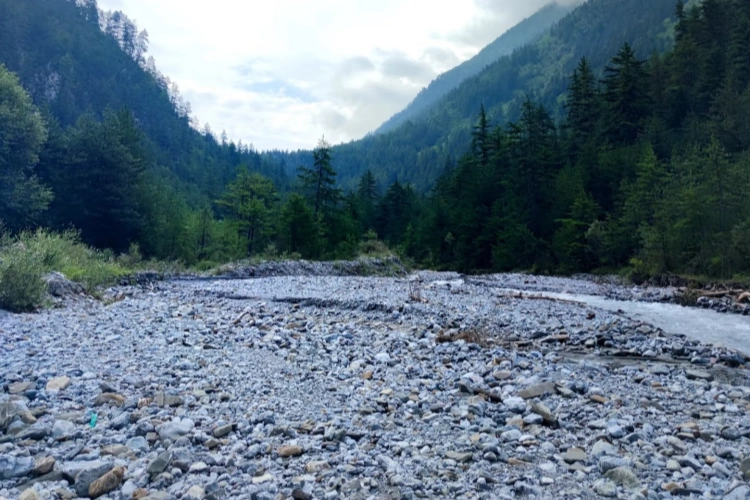
If you trade the main valley for Zharu, you are trading lakes for life. The routes here follow untamed streams, old-growth cedar forests, and the steep, jagged shadows of Mt. Zhayizhaga. It is a world of mud, moss, and mountain air, which is a stark, beautiful contrast to the iconic viewpoints just a few miles away.
Can You Visit Zharu Valley Today?
You cannot simply walk into Zharu Valley with a standard park ticket. Because it is a protected ecotourism zone, the park limits entry to those on “Scientific Research” or “Ecotourism” programs.
You must apply for a special permit through an authorized ecotourism agency or at the park’s research office.
For any hike going deeper than the Zharu Monastery, you are legally required to be accompanied by a park ranger or a certified eco-guide.
The Cost: Expect to pay a premium. While a standard park ticket is 280 RMB (Peak), a guided day-hike in Zharu typically starts at 600–800 RMB per person, including the permit and ranger fee.
When and How to Get to Zharu Valley
It is only open from May to October, for a very limited number of qualified travel agencies and guides. Typically, only 5-15 people each day.
There are no food stalls in Zharu Valley. You must carry all your water and food. The “Leave No Trace” policy is strictly enforced. Rangers will check your bag to ensure you aren’t carrying disposable plastics.
Conclusion: Is Zharu Worth the Extra Effort?
If you only have one day in Jiuzhaigou, stay in the main valleys. The blue lakes are a once-in-a-lifetime sight.
But if you have two or three days, Zharu is the “soul” of the park. It is the only place where you can escape the crowds and find the raw, spiritual wilderness that Jiuzhaigou was before the world discovered it.