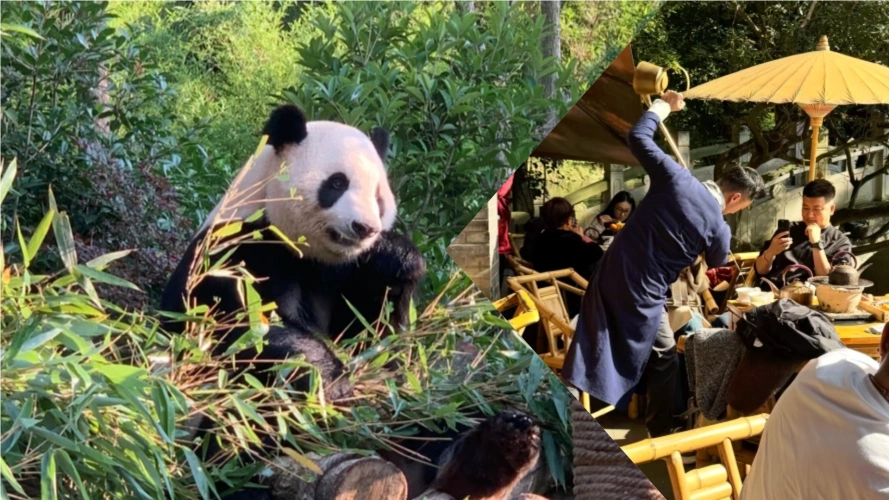
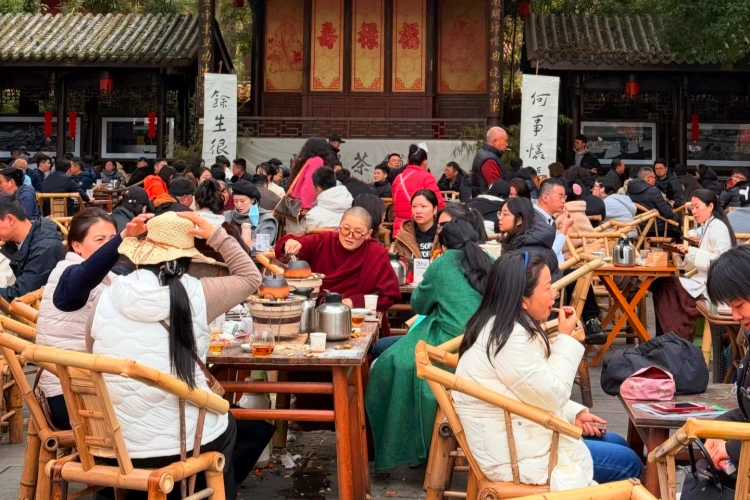
If you want to find the heart of Chengdu, don’t look at the skyscrapers—look at the steam rising from a Gaiwan (lidded tea bowl) and listen for the rhythmic clacking of Mahjong tiles. In 2027, despite being a burgeoning tech hub, Chengdu remains defined by its 10,000+ tea houses. This is where the city’s “Slow Life” (Shufu) is engineered, one cup at a time.
For travelers, the tea house is more than a place for a beverage; it is a living room, a social club, and a sanctuary. Whether you’re resting between a Chengdu panda tour and a night of hotpot, or dedicating an afternoon to a Chengdu food tour, understanding this trinity—Tea, Mahjong, and Snacks—is essential to understanding the local DNA.
The Gaiwan Ritual: How to Drink Like a Local
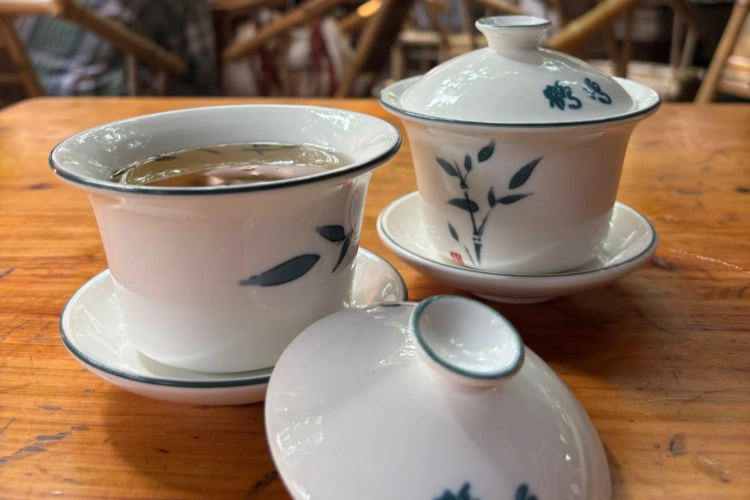
In Chengdu, tea is almost exclusively served in a Gaiwan, a three-piece set that locals call the “Sancai bowl,” representing the harmony of the universe.
The Lid (Heaven): Used to brush away floating leaves and regulate the temperature.
The Bowl (Man): Where the tea leaves unfurl and the “flavor of life” is brewed.
The Saucer (Earth): Providing stability and protecting your hands from the heat.
Etiquette 101: Signaling the Server
In a traditional open-air tea house like Heming, you don’t need to shout for a refill. In 2027, the silent language of the lid still rules:
- Tilt the lid against the bowl to signal you need more hot water.
- Place the lid upside down on the table to indicate you are finished or leaving temporarily.
- Place an object on the lid to show you are reserving your seat while you wander off for a snack or a bathroom break.
Mahjong: The “Soundtrack” of the City
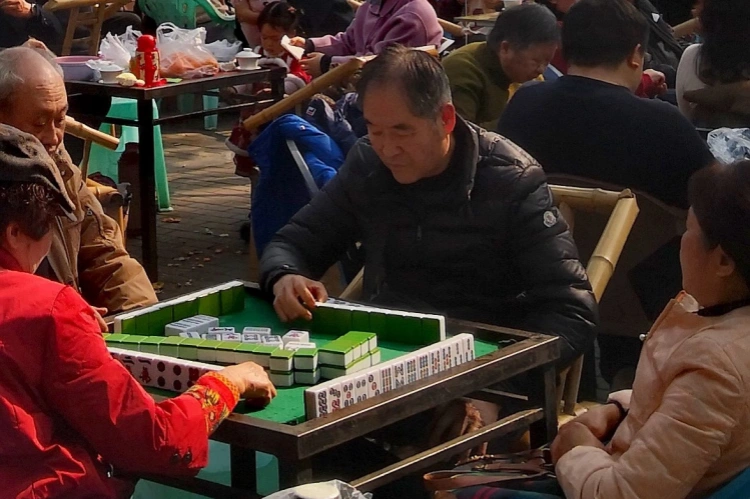
If the Gaiwan is the sight of Chengdu, Mahjong is its sound. The clack-clack of tiles being shuffled is the city’s background white noise.
More Than a Game
In 2027, Mahjong remains the primary social bond for Chengduers. It’s how neighbors catch up, how business deals are greased, and how the “Slow Life” is performed. Unlike the complex versions played in other parts of Asia, Sichuan Mahjong (Xuezhan Daodi) is famously aggressive and fast-paced—perfectly mirroring the local love for excitement balanced with leisure.
If you’re feeling brave, many neighborhood tea houses in the Yulin neighborhood or People’s Park will welcome a curious foreigner. Just remember: it’s rarely about the money; it’s about the “face” and the fun.
The Tea House Menu: What to Eat
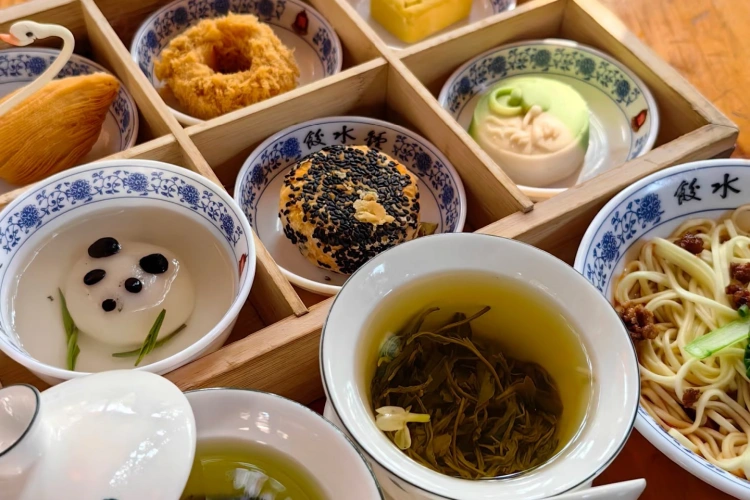
Unlike Cantonese Dim Sum where the food often outshines the tea, Chengdu tea houses focus on “leisure snacks” that complement, rather than replace, the tea.
Mandatory Tea Companions
Hand-Roasted Nuts: You aren’t officially a Chengdu local until you can crack a sunflower seed with your teeth while simultaneously holding a conversation. Garlic peanuts and spiced almonds are the 2027 favorites.
Traditional Pastries: Look for Guokui (meat-filled pancakes) or soft glutinous rice cakes topped with brown sugar syrup.
Street Food Hybrids: Because many tea houses are surrounded by stalls, it’s common to see people “smuggling” in a bowl of Zhong Dumplings or a spicy rabbit head from a nearby vendor.
For a more refined experience, the Mi Xun Teahouse (a Michelin Green Star winner in 2027) offers high-end vegetarian Sichuan snacks inspired by the nearby Daci Monastery. It’s one of the best places to eat in Chengdu for those seeking a modern twist on the ancient tea culture.
Where to Find the “Real” Vibe in 2027
While you can find a tea house on every corner, these three represent the pinnacle of the culture:
| Tea House | The Vibe | Best For |
|---|---|---|
| Heming (People's Park) | Iconic, open-air, 100+ years old. | Long-spout kettle shows & ear cleaning. |
| Guanyin Pavilion (Pengzhen) | Old World," mud walls, copper kettles. | Photography & "Mao-era" nostalgia. |
| Daci Temple Teahouse | Zen, spiritual, hidden among luxury shops. | A quiet escape after shopping in Taikoo Li. |
The “Shufu” Lifestyle: Why It Matters
You might ask, is a Chengdu food tour worth it if it includes a three-hour tea session? Yes. The tea house is the “digestive pause” of the city. After a morning spent witnessing the spicy reality of Sichuan heat, the tea house allows your palate—and your mind—to reset. It is the transition between the frantic morning markets and the neon-lit late-night skewer scene.
In 2027, the tea house isn’t just a place to drink; it’s where you learn that in Chengdu, “killing time” isn’t a crime—it’s an art form.
Final Thoughts: Find Your Bamboo Chair
To truly experience Chengdu, you must eventually stop walking. Put down the camera, order a cup of Bitan Piaoxue (Jasmine tea), and let the sound of Mahjong tiles wash over you.
Ready to find your favorite tea spot? Whether you want to navigate the historic parks or find a hidden courtyard in the back alleys, our Chengdu food tour includes the perfect tea break. Let us help you master the Gaiwan and the “Slow Life” of 2027.