Overview
This 14-day itinerary is designed for travelers who want to experience China’s most elegant and culturally rich region at a comfortable, immersive pace. Centered around Jiangnan, historically known as China’s land of refinement, gardens, and scholars, the route blends modern cities, ancient water towns, imperial history, and poetic natural scenery.
Rather than rushing between destinations, this journey allows time to linger: strolling old streets, cruising canals, enjoying tea villages, and balancing sightseeing with leisure.
It is especially well suited for honeymoons, first-time visitors seeking depth, or travelers who prefer culture and atmosphere over adventure travel.
Highlights
- In-depth exploration of Shanghai, from historic quarters to modern icons
- Zhouzhuang Water Town, one of China’s most atmospheric canal towns
- Classical gardens and canals of Suzhou
- Spiritual calm at Lingshan Giant Buddha and Nianhua Bay Zen Town
- Imperial heritage of Nanjing, China’s former capital
- Poetic landscapes of Hangzhou’s West Lake and tea villages
- Comfortable travel distances and well-paced days
Itinerary
Day 1: Shanghai | Arrival
The Experience:
Welcome to Shanghai, China’s most dynamic gateway city and the starting point of our journey through the water towns and cultural landscapes of Jiangnan.
Upon arrival, we will meet you at the airport and transfer you directly to your hotel by private vehicle.
Depending on your flight schedule and energy level, the rest of the day is intentionally kept flexible to help you settle in comfortably after your journey.
If time allows, we recommend a relaxed walk around your hotel neighborhood.
Shanghai is often described as a city where East meets West, and even a short stroll reveals layers of history, architecture, and daily life.
Highlights
- Private airport transfer and seamless arrival experience
Tips
- Keep your first day relaxed to minimize jet lag.
- Overnight: Shanghai
Day 2: Shanghai | Yu Garden → Old Town → French Concession → Jade Buddha Templ
The Experience:
Today, we explore a side of Shanghai that many first-time visitors overlook.
While the city is often known for its futuristic skyline, its roots stretch back centuries, and much of that story can still be found in its historic neighborhoods, gardens, and temples.
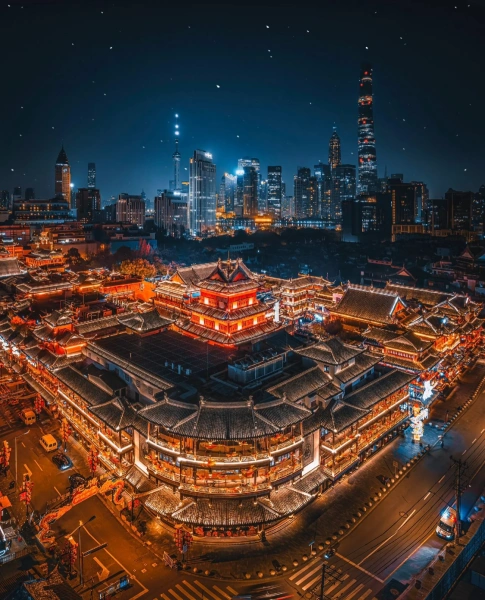
After breakfast, we begin in Yu Garden, one of the finest classical Chinese gardens in eastern China. Built during the Ming Dynasty, the garden was designed as a peaceful retreat, with elegant pavilions, koi-filled ponds, winding pathways, and carefully arranged rockeries that reflect traditional Chinese ideas of harmony between nature and architecture.
As we walk through the surrounding Old Town, you’ll see how Shanghai looked long before skyscrapers transformed the skyline. Narrow lanes, traditional shopfronts, local snack stalls, and historic teahouses create an atmosphere that feels worlds away from the city’s modern business districts.
Later, we continue by private vehicle to the former French Concession, one of Shanghai’s most charming neighborhoods. Here, we slow the pace and enjoy a relaxed walk beneath leafy plane trees, passing historic villas, hidden cafés, and quiet residential streets. This area tells the story of Shanghai’s international past while offering a glimpse into contemporary local life.
In the afternoon, we visit Jade Buddha Temple, an active place of worship that remains an important spiritual center for residents.
Highlights
- Explore the classical beauty of Yu Garden and its Ming Dynasty heritage.
- Wander through Shanghai’s atmospheric Old Town and historic lanes.
- Experience the contrast between colonial-era neighborhoods and traditional Chinese culture.
Tips
- Wear comfortable shoes, as much of today’s exploration is on foot.
- Early mornings in Yu Garden are often quieter and more enjoyable.
- Overnight: Shanghai
- Meals: Breakfast

Day 3: Shanghai | Oriental Pearl Tower → Shanghai Urban History Museum → Huangpu River Cruise → The Bund
The Experience:
Today, we explore the story of modern Shanghai, a city that has transformed from a small riverside trading port into one of the world’s most influential urban centers.
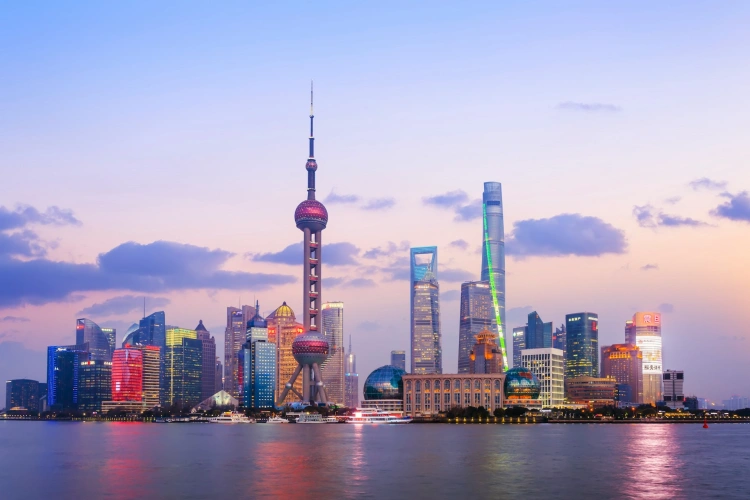
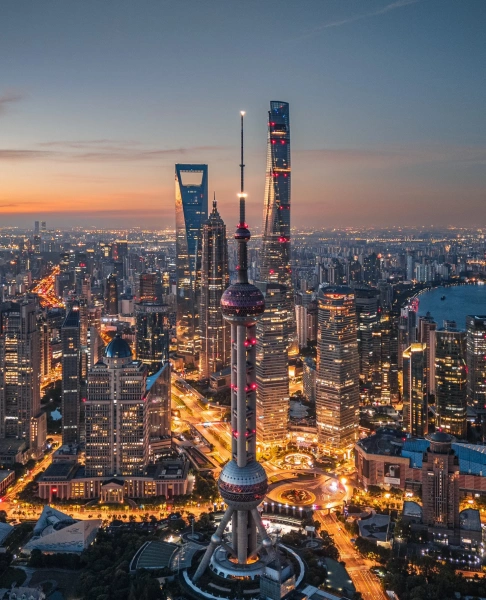
After breakfast, we head to the Oriental Pearl Tower, one of Shanghai’s most recognizable landmarks. Rising above the skyline of Pudong, the tower offers sweeping views across the city. From the observation decks, you’ll be able to appreciate Shanghai’s remarkable contrasts: historic neighborhoods and colonial-era architecture on one side of the river, and futuristic skyscrapers on the other.
We then visit the Shanghai Urban History Museum, located within the tower complex. Through detailed exhibits, reconstructed streetscapes, photographs, and artifacts, the museum tells the fascinating story of Shanghai’s evolution from a modest fishing settlement to a global metropolis.
In the afternoon, we board a Huangpu River cruise. Viewing Shanghai from the water offers a completely different perspective. As we sail along the river, you’ll pass the grand historic buildings of the Bund, former banks and trading houses from Shanghai’s international era, while across the river stand the soaring towers of Pudong.
As evening approaches, we return to the Bund for a leisurely walk along the waterfront. Locals gather here to enjoy the river breeze, take photographs, and admire the illuminated skyline.
Highlights
- Enjoy panoramic views across one of Asia’s most impressive skylines.
- Discover how Shanghai transformed from a small port into a global city.
- Experience the city’s famous waterfront from both the river and the Bund.
Tips
- Bring a camera for the skyline views and river cruise scenery.
- The observation decks can be busy during peak periods, so visiting earlier is often more comfortable.
- Overnight: Shanghai
- Meals: Breakfast
Day 4: Shanghai | Shanghai Disneyland
The Experience:
Today is dedicated to a full day of fun and imagination at Shanghai Disneyland. It is the largest Disney park in Asia and a favorite destination for families, couples, and Disney fans alike.
After breakfast, we travel to the resort and spend the day exploring its themed lands, attractions, shows, and entertainment at your own pace.
Whether you’re interested in thrilling rides, Disney storytelling, spectacular performances, or simply enjoying the atmosphere, there is plenty to discover throughout the park.
In the evening, you may choose to stay for the nighttime entertainment and fireworks before returning to your hotel.
Highlights
- Enjoy a full day at Shanghai Disneyland.
Tips
- Arrive early to make the most of popular attractions.
- Comfortable walking shoes are highly recommended.
- Consider using the park app for maps, showtimes, and ride information.
- Overnight: Shanghai
- Meals: Breakfast

Day 5: Shanghai | Shanghai LEGOLAND
The Experience:
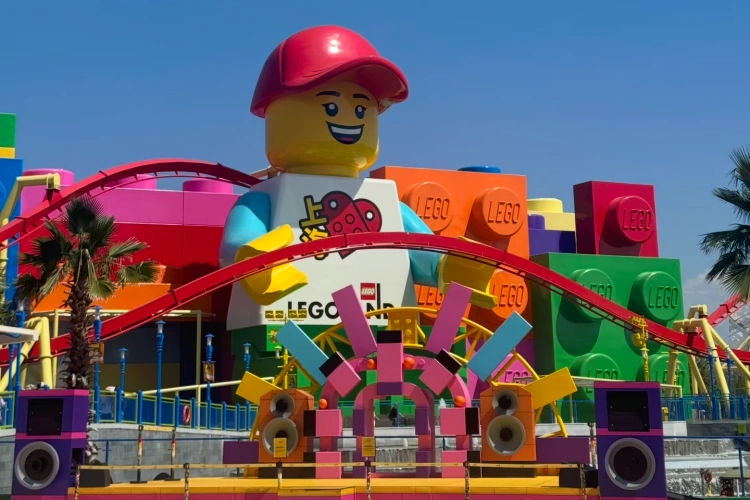
Today offers a fun and relaxed change of pace as we visit Shanghai LEGOLAND Resort. Designed for families and LEGO enthusiasts of all ages, the park combines creativity, imagination, and hands-on experiences in a uniquely playful environment.
After breakfast, we head to the resort and spend the day exploring its themed zones, interactive attractions, and impressive LEGO creations. One of the highlights is seeing famous landmarks and cityscapes recreated from millions of LEGO bricks, showcasing incredible craftsmanship and attention to detail. Throughout the park, you’ll find rides, shows, building activities, and family-friendly attractions that encourage both creativity and participation.
Unlike Shanghai’s busy urban districts, today is about slowing down, having fun, and enjoying time together. Whether you’re traveling with children or simply appreciate creative design, LEGOLAND offers an enjoyable experience that adds variety to your journey through eastern China.
Highlights
- Discover impressive LEGO-built cities and landmarks.
- Enjoy interactive experiences suitable for all ages.
Tips
- Wear comfortable shoes as the park covers a large area.
- Many attractions are designed for families, making it ideal for multigenerational travel.
- Check daily show schedules upon arrival to plan your visit efficiently.
- Overnight: Shanghai
- Meals: Breakfast
Day 6: Shanghai → Zhouzhuang → Suzhou | Twin Bridges → Zhang Hall → Shen Hall → Canal Boat Ride
The Experience:
Today, we leave metropolitan Shanghai behind and begin our journey into the heart of Jiangnan, a region famous for its elegant water towns, stone bridges, and canal-side communities.
After breakfast, we travel by private vehicle to Zhouzhuang, widely regarded as one of China’s best-preserved ancient water towns.
Upon arrival, we explore the town on foot, crossing the iconic Twin Bridges that have become a symbol of Zhouzhuang. As we wander through narrow stone lanes and along quiet canals, you’ll quickly notice how life here has revolved around water for centuries.
We visit Zhang Hall and Shen Hall, two beautifully preserved residences that offer insight into the wealth, architecture, and lifestyle of Jiangnan’s merchant families during the Ming and Qing dynasties.
A short wooden boat ride takes us through the town’s narrow waterways, providing a different perspective on the whitewashed houses, arched bridges, and waterside homes that make Zhouzhuang so distinctive. Along the way, we can pause to sample local snacks and observe daily life unfolding beside the canals.
Then, we will enjoy a brief Pingtan performance, a traditional Suzhou storytelling and music art form that has been passed down through generations.
In the late afternoon, we continue to Suzhou and check into our hotel there.
Highlights
- Discover one of China’s most authentic and historic water towns.
- Cruise through centuries-old canals lined with traditional architecture.
- Experience the elegance of Jiangnan culture through Pingtan music and storytelling.
Tips
- The stone streets can be uneven, so comfortable walking shoes are recommended.
- A boat ride offers some of the best photography opportunities in Zhouzhuang.
- Overnight: Suzhou
- Meals: Breakfast
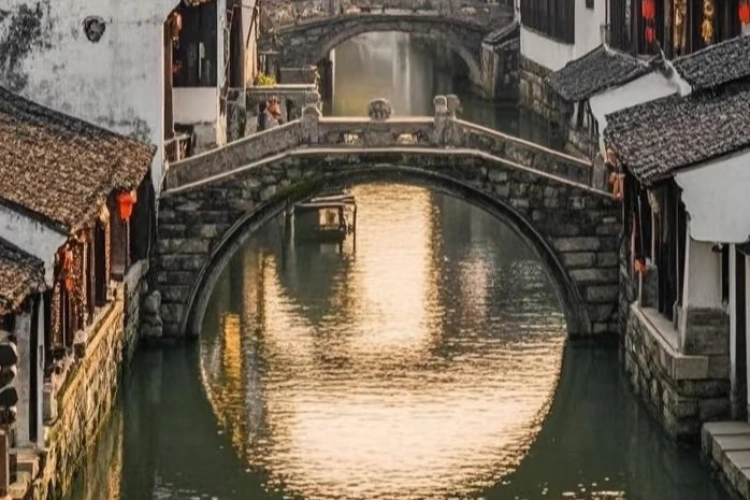
Day 7: Suzhou | Classical Gardens → Panmen Gate → Tiger Hill
The Experience:
Today is dedicated to discovering why Suzhou has been celebrated for centuries as one of China’s most refined cultural cities. Often called the “City of Gardens,” Suzhou was once home to wealthy scholars, officials, and merchants who created some of the finest classical gardens in Chinese history.
After breakfast, we begin by exploring one of Suzhou’s renowned classical gardens. Unlike Western gardens that emphasize symmetry and open space, Chinese gardens are designed as miniature landscapes, combining ponds, rockeries, pavilions, corridors, and carefully framed views into a harmonious whole. As we walk through these peaceful spaces, we’ll learn how garden design reflects traditional Chinese philosophy, art, and ideas about nature.
We then continue to Panmen Gate, the best-preserved section of Suzhou’s ancient city defenses. Built around both land and water entrances, it offers a fascinating glimpse into the city’s strategic importance during imperial times and its long connection to the canal networks of Jiangnan.
Later, we visit Tiger Hill, one of Suzhou’s most historic landmarks. The hill has attracted visitors for over a thousand years and is famous for its leaning pagoda, often compared to a Chinese version of the Leaning Tower of Pisa.
Highlights
- Explore one of China’s most celebrated classical gardens.
- Visit the historic Panmen Gate and ancient city defenses.
- Discover Tiger Hill and its famous leaning pagoda.
Tips
- Gardens are best enjoyed at a relaxed pace, so allow time to appreciate the details.
- Comfortable walking shoes are recommended for Tiger Hill’s pathways.
- Early morning and late afternoon often provide the best lighting for photography.
- Overnight: Suzhou
- Meals: Breakfast
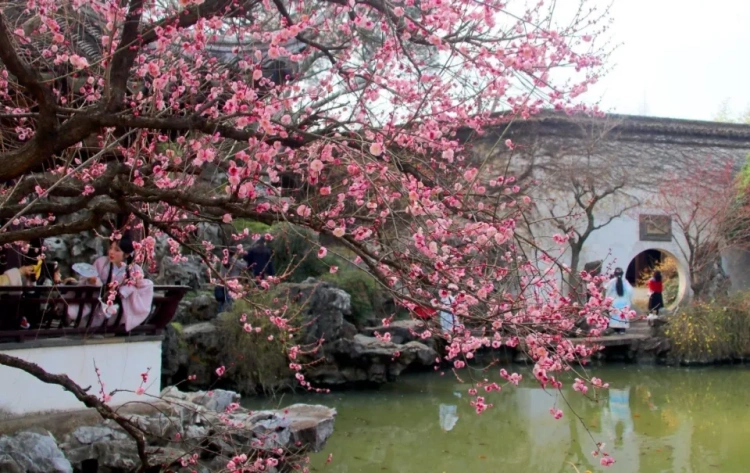
Day 8: Suzhou | Grand Canal Cruise → Shantang Street → Pingjiang Road
The Experience:
Today we experience the Suzhou that locals have known for generations: a city shaped by canals, bridges, and neighborhoods where daily life still unfolds beside the water.
After breakfast, we begin with a cruise along the ancient Grand Canal, one of the greatest engineering achievements in Chinese history. For more than a thousand years, this vast waterway connected northern and southern China, carrying goods, people, and ideas across the country.
Later, we explore Shantang Street, one of Suzhou’s most famous historic districts. The canal-side street is lined with traditional architecture, small shops, teahouses, and local food vendors. Despite its popularity, it still retains much of the atmosphere that made it famous during imperial times.
We then continue to Pingjiang Road, a beautifully preserved historic neighborhood where narrow lanes run alongside quiet canals. This is one of the best places in Suzhou to slow down and simply enjoy the surroundings.
Highlights
- Cruise along the historic Grand Canal and witness local life by the water.
- Explore the lively atmosphere of Shantang Street.
- Stroll through the charming canals and lanes of Pingjiang Road.
Tips
- Bring your camera; canal reflections and historic streets offer excellent photo opportunities.
- Pingjiang Road is best enjoyed slowly, with time to stop at cafés and local shops.
- Overnight: Suzhou
- Meals: Breakfast
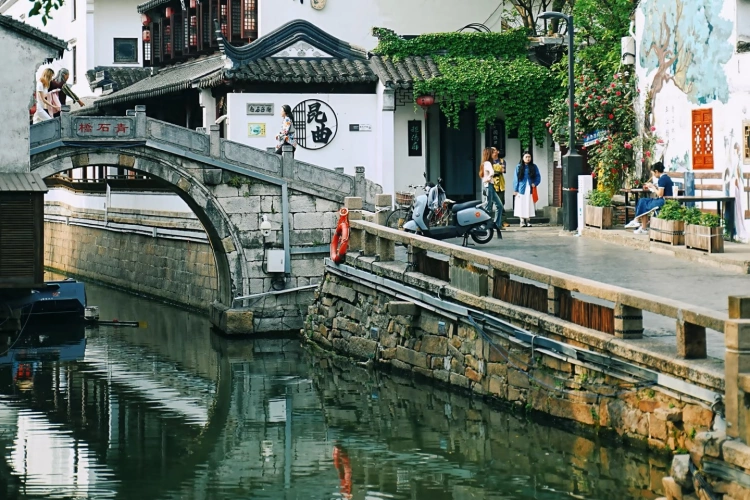
Day 9: Suzhou → Wuxi | Lingshan Giant Buddha → Nianhua Bay Zen Town
The Experience:
Today we leave Suzhou and travel by private vehicle to Wuxi, a city long associated with Buddhism, culture, and the beautiful landscapes of Taihu Lake. The journey is relatively short, allowing us to enjoy a full day of exploration after arrival.
Our first stop is the Lingshan Giant Buddha Scenic Area, home to one of the largest standing Buddha statues in China. Rising high above the surrounding hills, the statue is an impressive sight, but the area offers much more than its scale alone.
As we explore the temple complex, plazas, and Buddhist monuments, we’ll gain insight into the role Buddhism has played in Chinese culture for centuries. The peaceful surroundings and mountain backdrop create an atmosphere quite different from the bustling cities we have visited so far.
Later, we continue to Nianhua Bay Zen Town, a thoughtfully designed cultural village inspired by traditional Chinese architecture and Buddhist philosophy. Set beside the water and surrounded by landscaped gardens, it encourages a slower pace of travel. We wander through lantern-lined streets, quiet courtyards, and lakeside pathways while learning how concepts such as mindfulness, balance, and harmony continue to influence Chinese culture today.
Highlights
- Visit one of China’s largest and most impressive Buddha statues.
- Experience the peaceful atmosphere of Buddhist culture and architecture.
- Explore the scenic lakeside environment of Nianhua Bay.
Tips
- The walking distances within Lingshan Scenic Area can be longer than expected.
- Nianhua Bay is particularly beautiful in the late afternoon and evening.
- Overnight: Wuxi
- Meals: Breakfast
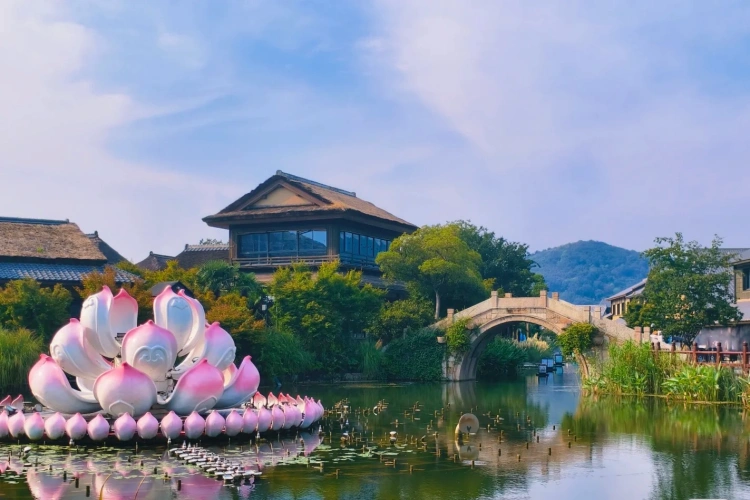
Day 10: Wuxi → Taihu Lake → Nanjing | Wuxi Film & TV Base → Taihu Lake Scenic Area
The Experience:
After breakfast, we begin at the Wuxi Film & TV Base, one of China’s most famous film production sites.
Built around large-scale historical sets, the complex has been used in countless Chinese television dramas and movies. As we walk through reconstructed palaces, ancient streets, and traditional architecture, it’s easy to imagine stepping back into different periods of Chinese history. Even for those unfamiliar with the productions filmed here, the site offers a fascinating glimpse into traditional architectural styles and historical storytelling.
We then continue to Taihu Lake, one of China’s largest freshwater lakes and a defining feature of the Jiangnan landscape. Here we slow down and enjoy the open views, lakeside scenery, and peaceful atmosphere that have inspired poets, artists, and scholars for centuries.
Compared with the intimate canals of Suzhou and Zhouzhuang, Taihu presents a much broader and more expansive natural landscape.
In the afternoon, we travel onward to Nanjing by private vehicle. We leave the water towns behind and enter one of China’s most historically significant cities.
Upon arrival, we check into our hotel and enjoy a relaxed evening.
Highlights
- Walk through impressive historical film sets and recreated ancient architecture.
- Enjoy the natural beauty and open landscapes of Taihu Lake.
Tips
- The Film & TV Base involves considerable walking across large grounds.
- Sunset often provides beautiful views along the lakeshore before departing for Nanjing.
- Overnight: Nanjing
- Meals: Breakfast
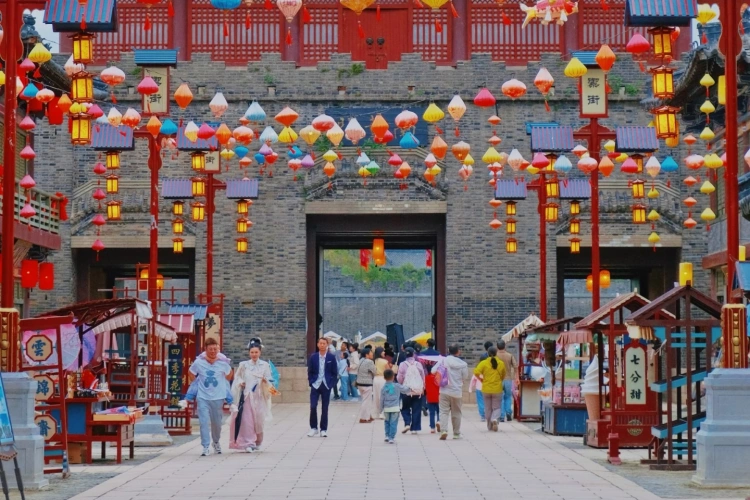
Day 11: Nanjing | Niushou Mountain → Giant Wild Goose Pagoda Ruins Park
The Experience:
Today, we explore a different side of Nanjing, one that blends spirituality, architecture, and nature. While Nanjing is best known for its imperial history, it is also home to important religious sites and peaceful green spaces that offer a welcome contrast to the city’s busy urban districts.
After breakfast, we travel to Niushou Mountain, a scenic area that has become one of Nanjing’s most remarkable cultural landmarks. Surrounded by forested hills, the site combines traditional Buddhist heritage with striking contemporary architecture.
As we explore the grounds, you’ll notice how modern design has been carefully integrated into the natural landscape. The area is known for its grand Buddhist structures, peaceful gardens, and sweeping views across the surrounding countryside. Beyond its visual appeal, Niushou Mountain offers insight into the continuing importance of Buddhism in modern China.
Later, we visit Giant Wild Goose Pagoda Ruins Park, a tranquil green space designed around the remains of a historic Buddhist site. Wide pathways, landscaped gardens, ponds, and open lawns make it an ideal place for a leisurely stroll. Here, local residents come to relax, exercise, and enjoy the outdoors, giving us another glimpse into daily life in Nanjing.
Highlights
- Discover the impressive architecture and spiritual atmosphere of Niushou Mountain.
- Enjoy scenic views and peaceful natural surroundings.
Tips
- The viewpoints around Niushou Mountain offer excellent photo opportunities.
- Overnight: Nanjing
- Meals: Breakfast
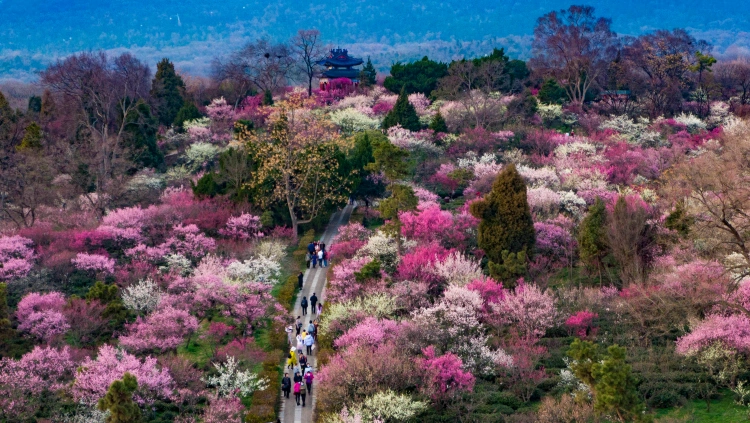
Day 12: Nanjing | Ming Xiaoling Mausoleum → Sun Yat-sen Mausoleum → Meiling Palace → Zhonghua Gate
The Experience:
Today is dedicated to Nanjing’s remarkable imperial and modern history. As one of China’s former capitals, Nanjing has witnessed the rise and fall of dynasties, political movements, and some of the country’s most important historical figures.
We begin at Ming Xiaoling Mausoleum, the resting place of the Hongwu Emperor, founder of the Ming Dynasty. Set within a beautiful wooded landscape, the mausoleum reflects the power and ambition of one of China’s most influential emperors. Walking along the Spirit Way, lined with stone animals and guardians, offers a memorable introduction to imperial burial traditions and Ming Dynasty architecture.
We then continue to Sun Yat-sen Mausoleum, dedicated to the founding father of modern China. Located on the slopes of Purple Mountain, the monument combines historical significance with impressive views over the city. Nearby, we visit Meiling Palace, once associated with Chiang Kai-shek and Soong Mei-ling. Surrounded by forested hills, the residence provides a fascinating glimpse into twentieth-century Chinese history.
In the afternoon, we explore Zhonghua Gate, the largest preserved ancient city gate complex in China. Built during the Ming Dynasty, its massive walls, defensive chambers, and military design reveal the strategic importance of Nanjing as an imperial capital. Walking through the fortress-like structure offers a powerful reminder of the city’s long and complex past.
Highlights
- Visit the tomb of the founding emperor of the Ming Dynasty.
- Discover the legacy of Sun Yat-sen and modern Chinese history.
Tips
- There are many steps at Sun Yat-sen Mausoleum, so comfortable footwear is essential.
- Early morning visits often provide cooler temperatures and fewer crowds.
- Overnight: Chengdu
- Meals: Breakfast
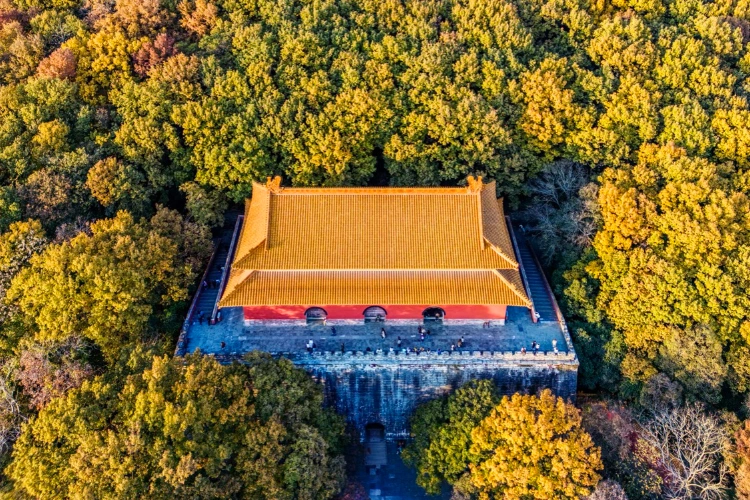
Day 13: Nanjing → Hangzhou → Shanghai | West Lake Cruise → Three Pools Mirroring the Moon → Lingyin Temple → Longjing Tea Village
The Experience:
After breakfast, we travel by high-speed train to Hangzhou, a city celebrated throughout Chinese history for its natural beauty, tea culture, and poetic scenery.
Upon arrival, we head to West Lake, the heart of Hangzhou and one of China’s most beloved cultural landscapes.
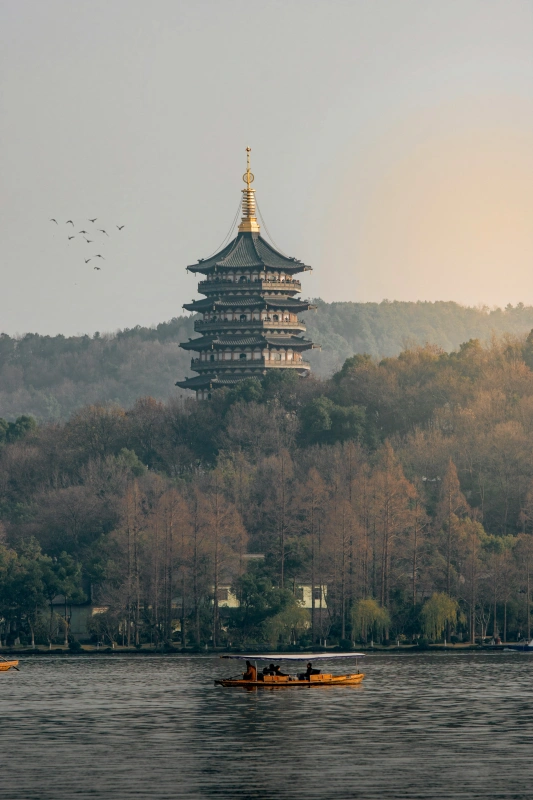
We board a boat and cruise across the calm waters, passing willow-lined shores and elegant pavilions while enjoying views that have inspired poets, painters, and scholars for centuries. Along the way, we see the famous Three Pools Mirroring the Moon, one of the lake’s most recognizable landmarks.
We then continue to Lingyin Temple and nearby Feilai Peak. Founded over 1,600 years ago, Lingyin is one of China’s most important Buddhist temples, while the surrounding hillsides are known for their ancient stone carvings and peaceful forest setting.
Later, we visit Longjing Tea Village, home of China’s most famous green tea. Walking through the tea fields, we’ll learn about local tea traditions before enjoying a tasting of freshly brewed Longjing tea. The experience offers a wonderful insight into a cultural practice that remains deeply woven into daily life across China.
In the evening, we return to Shanghai, bringing our journey through the water towns, gardens, historic cities, and cultural landscapes of eastern China to a memorable close.
Highlights
- Cruise across the UNESCO-listed landscapes of West Lake.
- Visit one of China’s most important Buddhist temples.
- Experience authentic Longjing tea culture in its place of origin.
Tips
- Keep your camera ready. West Lake offers some of the most photogenic scenery in eastern China.
- Overnight: Shanghai
- Meals: Breakfast
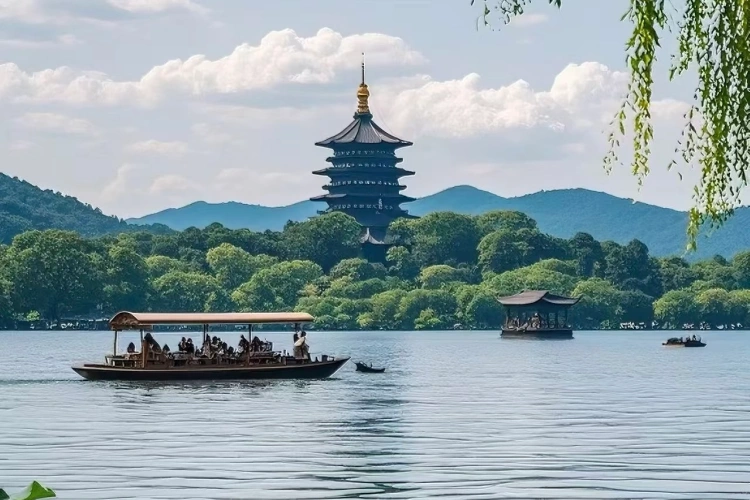
Day 14: Shanghai | Departure
The Experience:
After breakfast, it’s time to conclude your East China journey.
Depending on your flight schedule, you may have some free time to relax at the hotel or enjoy a final glimpse of Shanghai before departure.
At the arranged time, we will transfer you by private vehicle to the airport for your onward flight.
Over the past two weeks, you’ve experienced many different sides of eastern China, from Shanghai’s modern skyline and historic neighborhoods to the ancient canals of Zhouzhuang and Suzhou, the spiritual landscapes of Wuxi, the imperial heritage of Nanjing, and the timeless beauty of Hangzhou’s West Lake.
We hope this journey has offered not only memorable sights but also a deeper understanding of Jiangnan’s culture, history, and way of life.
Highlights
- Comfortable private airport transfer.
Tips
- Allow sufficient time for airport check-in and security procedures.
- Keep passports and travel documents easily accessible.
- Meals: Breakfast
Accommodation
- Shanghai: 6 Nights
- Suzhou: 3 Nights
- Wuxi: 1 Night
- Nanjing: 3 Nights
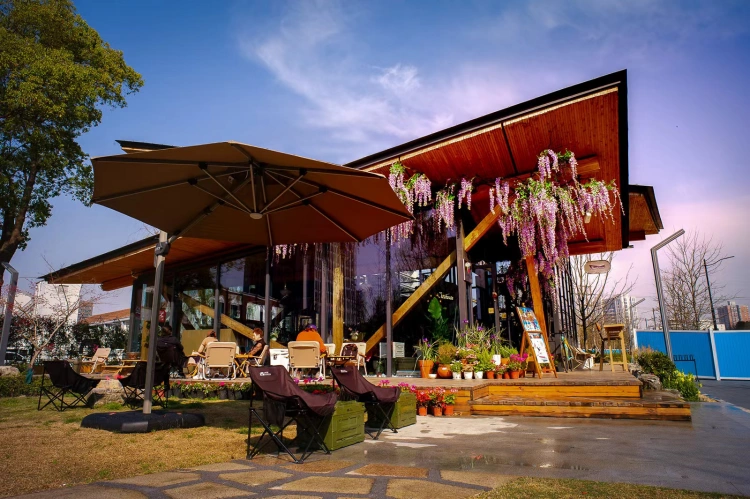
This route works best with a mix of modern city hotels and boutique heritage stays. International luxury hotels are ideal in Shanghai and Nanjing, while Suzhou and Hangzhou offer charming boutique hotels near old towns or scenic areas. Location matters more than hotel rating for comfort and pacing.
Every QuietRoutes journey is 100% tailor-made. Accommodation styles, room categories, budgets, and special preferences can all be customized, from boutique heritage inns to luxury resorts and family-friendly stays.
Cost
Included
- Private air-conditioned vehicle transfers throughout the trip
- Expert English-speaking local guide
- All entrance fees for the listed attractions
- River cruises listed in the itinerary
- 13 nights of hand-picked accommodation with breakfast
Excluded
- International or domestic flights to Shanghai
- Lunches and dinners
- Personal expenses
- Optional activities not listed in the itinerary
- Travel insurance
- Gratuities for guide and driver
Transportation
This itinerary uses a private vehicle throughout the entire journey, offering a much more flexible and comfortable experience compared with public transportation or fixed group tours.
Depending on your group size, we typically arrange:
- Comfortable 5–7 seat SUVs for couples, families, or small groups
- Spacious business vans for larger groups
Essential Tips
- Stay overnight in at least one historic town to enjoy quieter evenings.
- Comfortable walking shoes are highly recommended due to stone streets and bridges.
- Early mornings provide the best photography conditions.
- Pack light layers, especially during spring and autumn.
- Allow time to slow down; the charm of Jiangnan is often found away from major sightseeing spots.
Gallery

FAQ
What are the best water towns to visit near Shanghai?
Tongli, Nanxun, and Wuzhen are among the most rewarding options, each offering a different atmosphere, architecture, and cultural experience.
Is a 14-day East China itinerary too long?
Not at all. Fourteen days allows travelers to experience Jiangnan’s major highlights at a comfortable pace without rushing between destinations.
Which water town is better: Wuzhen or Tongli?
Wuzhen offers a larger, more developed heritage area and excellent evening atmosphere, while Tongli feels more intimate and locally lived-in.
When is the best time to visit East China's water towns?
March to May and September to November generally provide pleasant temperatures, beautiful scenery, and comfortable walking conditions.
Can this route be customized?
Yes. Every QuietRoutes itinerary is fully tailor-made and can be adjusted based on interests, travel style, budget, accommodation preferences, and available time.
Is this route suitable for first-time visitors to China?
Yes. The route combines iconic destinations with authentic cultural experiences while remaining easy to navigate and comfortable for international travelers.
Are the water towns crowded?
Popular towns can become busy during weekends and public holidays. Overnight stays and early morning visits provide a much more relaxed experience.
How much walking is involved?
Moderate walking is required in historic districts, gardens, and water towns, but the pace can be adjusted to suit different travel styles.
Is the itinerary rushed?
No. The pacing is intentionally relaxed, with leisure days included.
Can Disneyland or Legoland be replaced?
Yes. These days are flexible depending on travel preferences.
Is this route good for a honeymoon?
Absolutely. The combination of scenery, culture, comfort, and gentle pacing makes it especially suitable for couples.
Is it kid-friendly?
Absolutely. With two major theme parks and boat rides in every city, kids stay engaged throughout.
Do I need a visa?
Most travelers do. Check if you qualify for the 240-hour visa-free transit if you are staying in the Yangtze Delta region (though this 14-day trip requires a full L-Visa).