Shangri-La

Highland air, Tibetan rhythms, and open horizons.

Overview

Formerly known as Zhongdian, Shangri-La lies on the southeastern edge of the Tibetan Plateau. The town blends traditional Tibetan life with modern comforts, serving as a gateway to monasteries, alpine lakes, and wide open landscapes.

Life here moves slowly. Prayer flags flutter in the wind, yaks graze on distant hills, and mornings begin with the sound of chanting from nearby temples. Shangri-La is less about sights and more about atmosphere — a place to pause, breathe, and observe.

Best For: Families, Couples, Nature Lovers, Photography Travelers

Why Visit Shangri-La

Shangri-La feels expansive. Roads stretch into grasslands, skies seem larger, and silence comes easily once you step outside the town center.

The strong presence of Tibetan Buddhism shapes both the landscape and the rhythm of life. Monasteries are active, not symbolic, and spirituality feels lived-in rather than staged.

For travelers seeking space, reflection, and cultural depth — especially after busier destinations like Lijiang — Shangri-La offers a powerful contrast.


Must-See Attractions

Essential Shangri-La attractions that highlight Tibetan culture, monasteries, grasslands, and dramatic mountain scenery.
Shangri-La

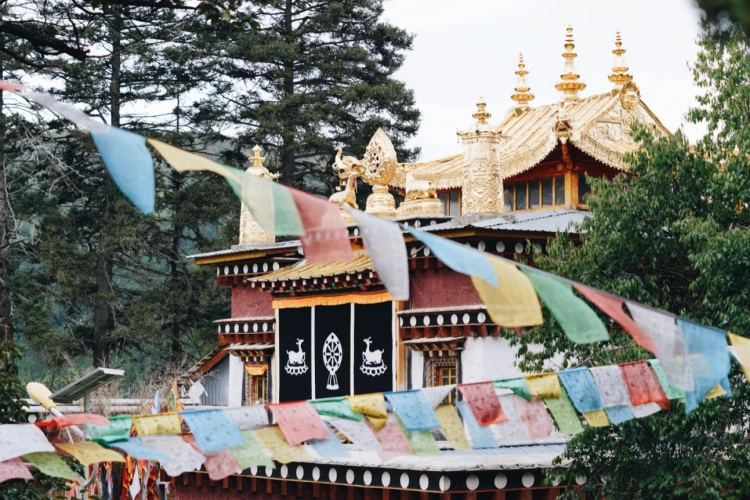
Songzanlin Monastery

Best Time: Early morning

Duration: 3-4 Hours

Shangri-La

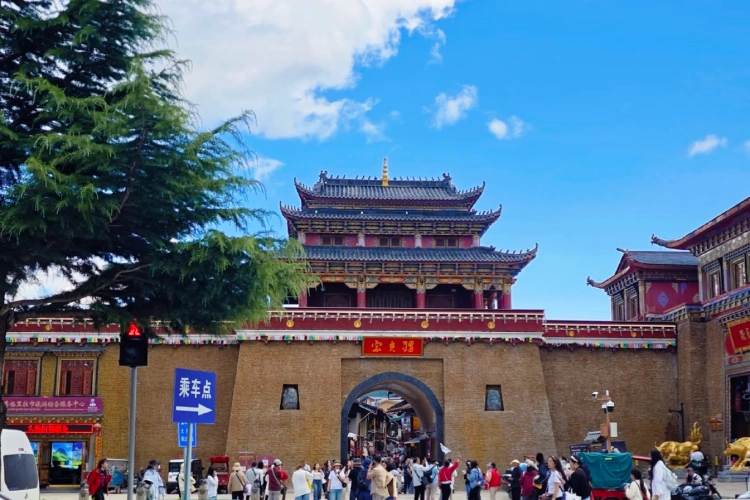
Dukezong Old Town

Best Time: Dusk

Duration: 2-3 Hours

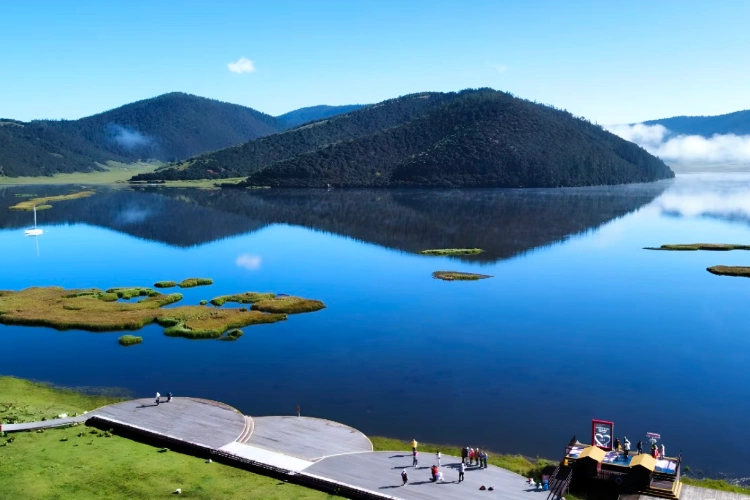
Shangri-La Pudacuo Lake

Pudacuo National Park

Best Time: Late May

Duration: Full Day

Shangri-La Napa Lake

Napa Lake (Napa Hai) & Grasslands

Best Time: Sep-Nov (bird watching)
Duration: 3-5 Hours
Shangri-La Dabao Temple

Ringha Monastery (Duiqing Temple)

Best Time: Mid-morning
Duration: 2-3 Hours
Shangri-La Balagezong Canyon

Balagezong (Shangri-La Grand Canyon)

Best Time: Anytime
Duration: Full Day

Hidden Gems

Lesser-known places around Shangri-La that go beyond the main town, offering remote villages and expansive highland landscapes.

Shangri-La Local Food to Try

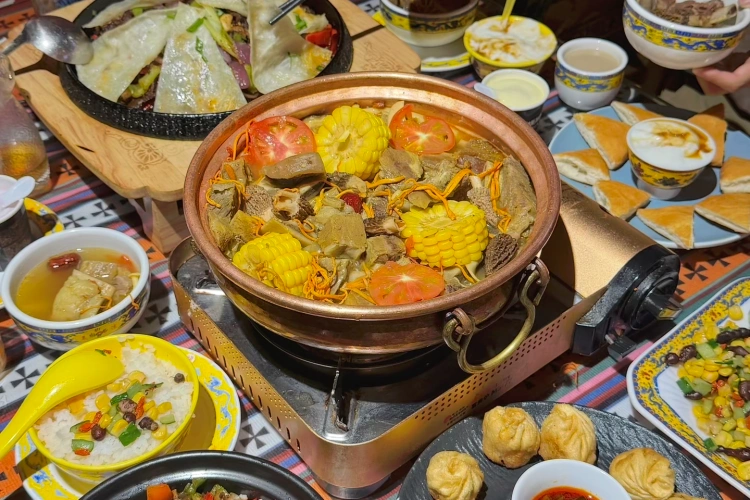
Discover Shangri-La’s local foods, shaped by Tibetan culture and designed to be warming and nourishing at high altitude.
Jiuzhaigou Butter tea
Tibetan Butter Tea
Jiuzhaigou yak hotpot
Yak Meat Stew
Jiuzhaigou Potato
Potato Dishes
Shangri-La Snacks
Cheese Pastries
Jiuzhaigou Cake
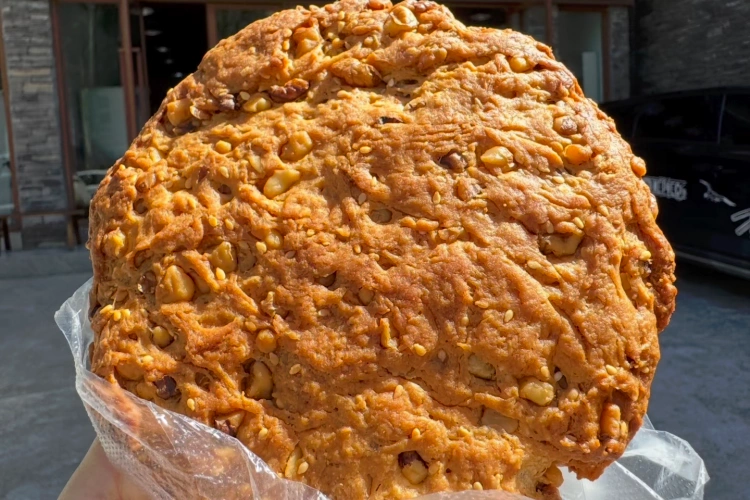
Highland Barley Flatbread

Practical Guide for Visiting Shangri-La

Best Time

May–October offers milder weather and accessible roads; summer is green while autumn brings clear skies and mountain views.

How Long

2–3 days suit the main town and monastery visits; 4–5 days allow deeper exploration of surrounding valleys and nature.

Things to Do

Visit Tibetan monasteries, walk old towns, explore grasslands and lakes, and enjoy slow-paced highland scenery.

Culture & Food

Shangri-La is shaped by Tibetan traditions, with prayer flags, monasteries, and hearty high-altitude dishes suited to the climate.

Transportation

Shangri-La is served by Diqing Airport, with road connections from Lijiang; getting around is mainly by taxi or private transfer.

More Tips

Altitude affects many travelers; acclimatize slowly, stay hydrated, and plan light activities on arrival.

More Destinations to Explore

Chengdu People's Park Heming Teahouse

People’s Park

Chengdu Wenshu Monastery

Wenshu Monastery

China Travel Pandas

Ya'an Bifengxia Panda Base

Chengdu Sanxingdui

Sanxingdui Ruins Museum

FAQ

Is Shangri-La suitable for first-time travelers to China?

Yes, especially for travelers interested in nature and culture. However, it’s best paired with lower-altitude destinations like Lijiang for easier acclimatization.

How many days should I spend in Shangri-La?

Two to three days is enough for the town and main sights. Four to five days allows slower exploration of grasslands and nature reserves.

How do I handle the altitude in Shangri-La?

Drink plenty of water and avoid alcohol for the first 24 hours. Most hotels provide oxygen canisters. If arriving from Lijiang, you have already started the acclimatization process.

Is it easy to get to Meili Snow Mountain from here?

Yes, Deqin (the base for Meili) is another 3.5 to 5 hours north by bus or private car. It is a stunning drive but requires another jump in altitude.

What is the difference between Lijiang and Shangri-La?

Lijiang is Naxi-centric, lower, and more "refined" with its canals and wood-carved architecture. Shangri-La is Tibetan-centric, much colder, and more rugged, offering a "frontier" feel.

Is Shangri-La difficult to visit?

No. Shangri-La is remote in feel but easy to reach by flight or road from Lijiang, with good basic travel infrastructure.

Do I need a special permit to visit Shangri-La?

No additional permits are required for Shangri-La itself. It is open to foreign travelers without special authorization.

How to Book Your Private Journey

Planning your private China tour is simple and flexible. From your first inquiry to the end of your trip, our local experts will help you every step of the way.

Submit Your Inquiry

Select a route you like and contact us via the form, email, or WhatsApp to start planning.

Customize Your Trip

Work with a local travel expert to adjust the itinerary based on your interests and travel style.

Secure Your Booking

Once everything is finalized, secure your tour with a simple deposit payment.

Enjoy Your Journey

Travel with confidence while our team stays available for support throughout your trip.

Start Planning Your China Journey

Tell us a few details about your trip, and our local experts will design a personalized itinerary tailored to your travel style, pace, and interests.

Why Travel with Us

Local Experts

Trips designed by people who live here for years.

100% Tailor-Made

Every itinerary crafted around your interests.

Authentic Routes

Every place personally scouted beyond the guidebooks.

24/7 Travel Support

Help is always available during your journey.