Overview
Follow China’s most legendary road trip from Chengdu to Lhasa along the famous G318 Highway.
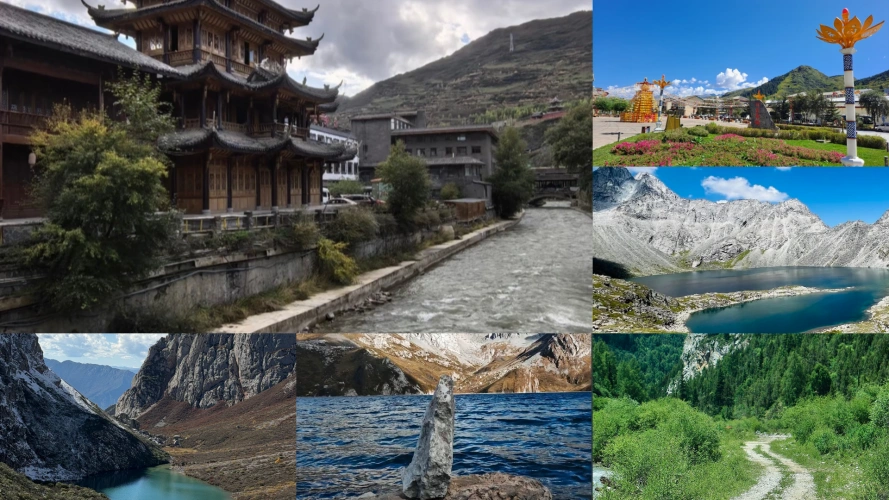
This 10-day overland adventure takes you through the dramatic landscapes of western Sichuan and eastern Tibet, where snow-capped mountains, high-altitude grasslands, turquoise lakes, ancient monasteries, and traditional Tibetan villages create unforgettable scenery.
This journey is about far more than reaching Tibet. It’s about experiencing one of the world’s most spectacular road trips while witnessing the gradual transition from Sichuan culture to the heart of Tibetan civilization.
Highlights
- Drive the entire eastern section of the legendary G318 Sichuan-Tibet Highway.
- Capture stunning photographs in Xinduqiao, one of China's most famous photography destinations.
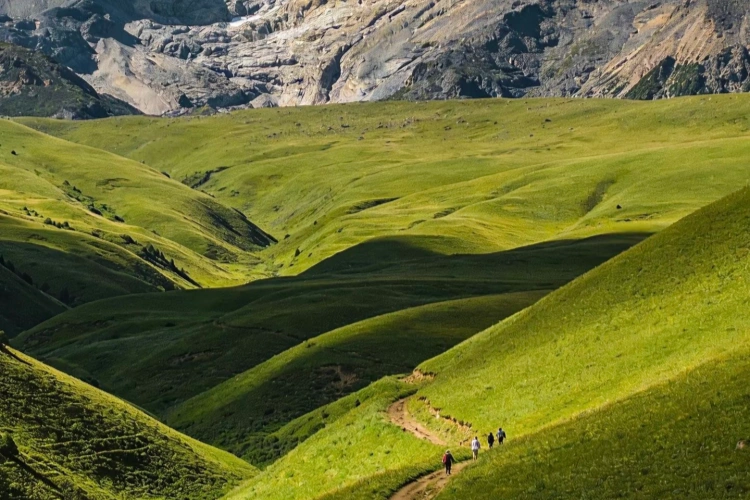
- Stand among the world's highest inhabited grasslands in Litang.
- Cross multiple mountain passes above 4,000 meters.
- Experience the lush forests and river valleys of Nyingchi, often called Tibet's Switzerland.
- Visit authentic Tibetan towns rarely seen by international visitors.
- Explore the cultural and spiritual treasures of Lhasa, including the Potala Palace and Jokhang Temple.
Itinerary
Day 1: Chengdu | Arrival → Hotel Check-in → Free Exploration
The Experience:
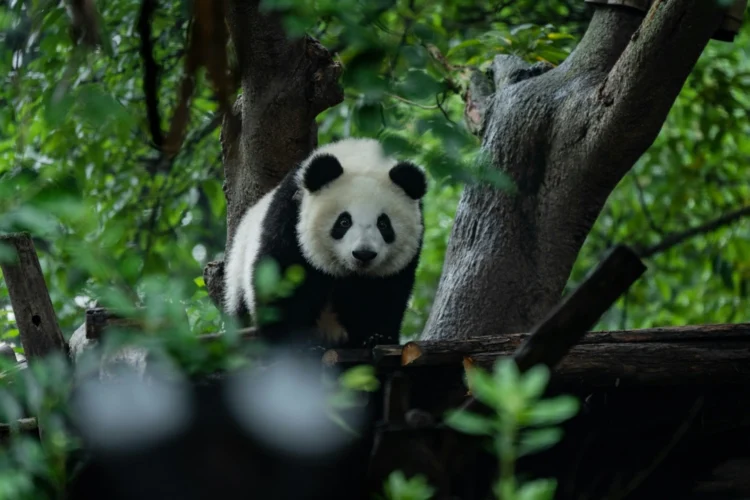
Welcome to Chengdu, the gateway to western China and the starting point of your overland journey to Tibet.
After arriving at the airport or railway station, we will meet you and transfer you to your hotel in the city center.
The rest of the day is yours to relax or explore at your own pace.
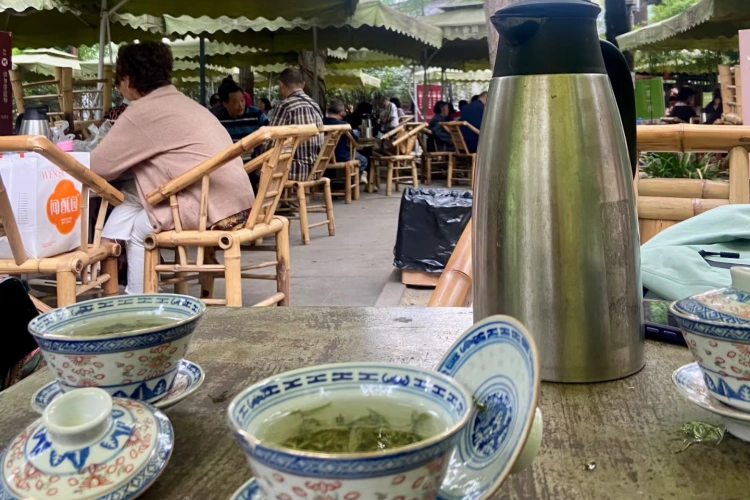
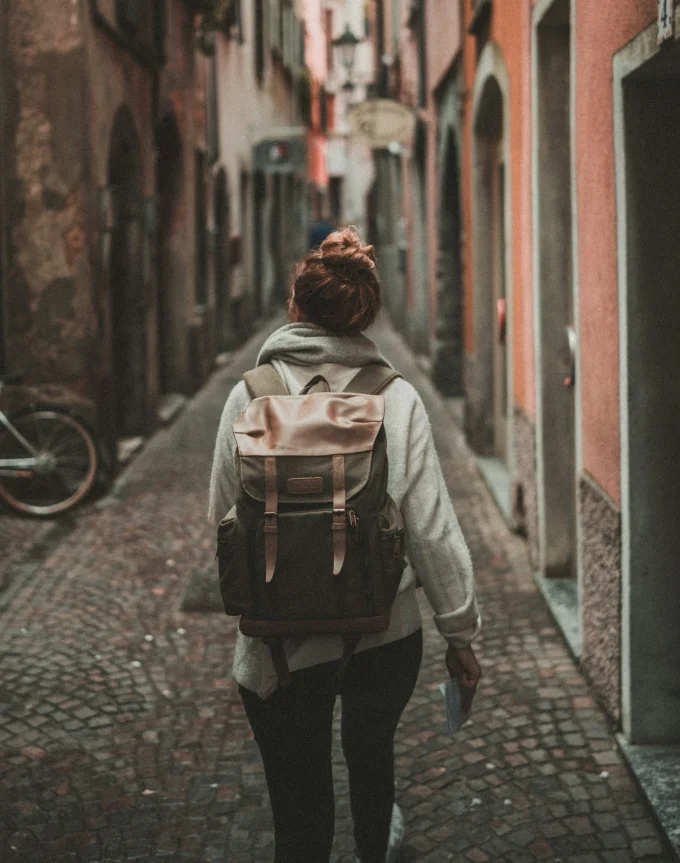
If time allows, we recommend taking a stroll through Chengdu’s laid-back streets, visiting a local teahouse, or sampling famous Sichuan snacks. Compared to the dramatic landscapes ahead, Chengdu offers a gentle introduction to southwest China, where traditional culture and modern city life blend naturally together.
Highlights
- Arrive in Chengdu, the gateway to Tibet
- Enjoy Sichuan’s relaxed local lifestyle
- Prepare for the legendary G318 overland journey
Tips
- Get a good night’s sleep before departure.
- Overnight: Chengdu

Day 2: Chengdu → Kangding → Zheduo Pass → Xinduqiao → Yajiang
Distance: ~410km
Drive Time: ~7.5 hrs
The Experience:
After breakfast, we leave Chengdu behind and begin our journey west by private vehicle.
Our first major stop is Kangding, historically known as the gateway between Han Chinese and Tibetan cultures. Here, you’ll notice the architecture, prayer flags, and local traditions beginning to change.
We then climb to Zheduo Pass, often considered the true entrance to the Tibetan Plateau. Standing at over 4,200 meters, it offers breathtaking views across endless mountains.
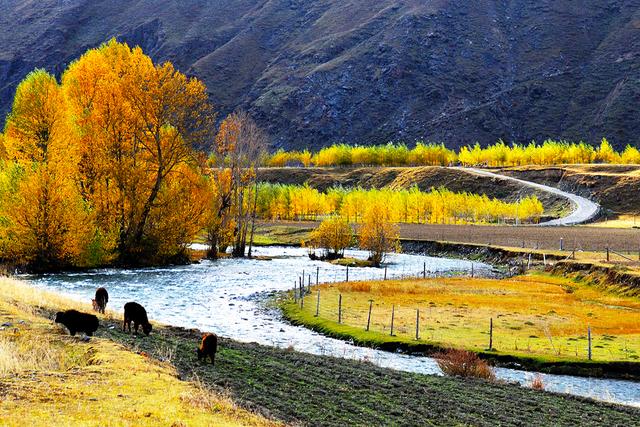
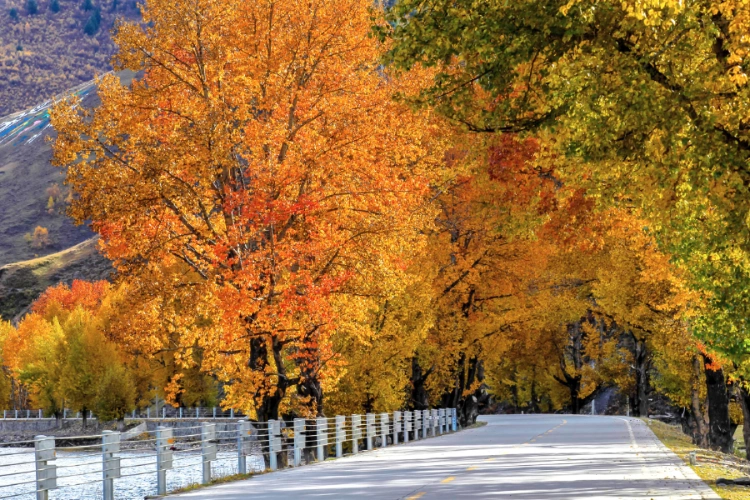
Descending from the pass, we reach Xinduqiao, one of China’s most famous photography destinations. Golden grasslands, Tibetan villages, grazing yaks, and distant snow peaks create postcard-perfect scenery in every direction.
In the afternoon, we continue through highland valleys to Yajiang, a small town nestled along the river. By now, you’ll already feel that the world around you is becoming distinctly Tibetan.
Highlights
- Cross the famous Zheduo Pass
- Explore the stunning landscapes of Xinduqiao
- Experience the transition from Sichuan to Tibetan culture
Tips
- Drink plenty of water as altitude increases.
- Temperatures can change quickly in mountain areas.
- Keep your camera ready throughout the day.
- Overnight: Yajiang
- Meals: Breakfast
Day 3: Yajiang → Litang → Cuopu Valley
Distance: ~250km
Drive Time: ~5.5 hrs
The Experience:
Today, we continue deeper into the plateau, following the G318 through vast grasslands and high mountain landscapes.
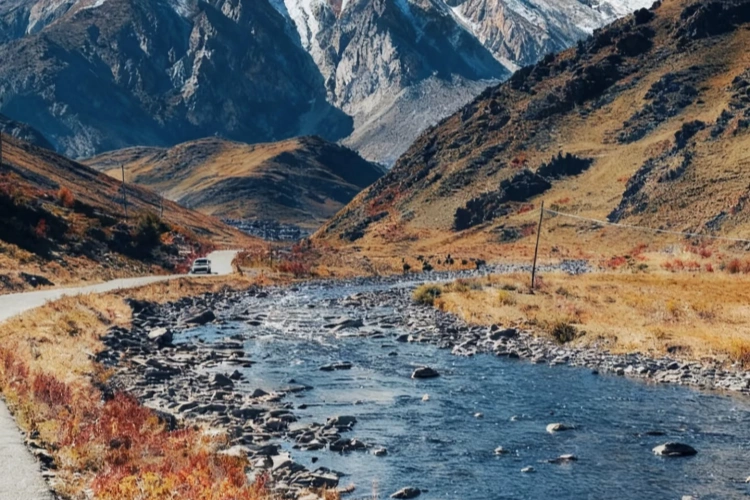
The road climbs steadily toward Litang, one of the highest towns in the world at over 4,000 meters above sea level. Along the way, we pass herds of yaks, nomadic settlements, and wide-open valleys that seem to stretch forever.
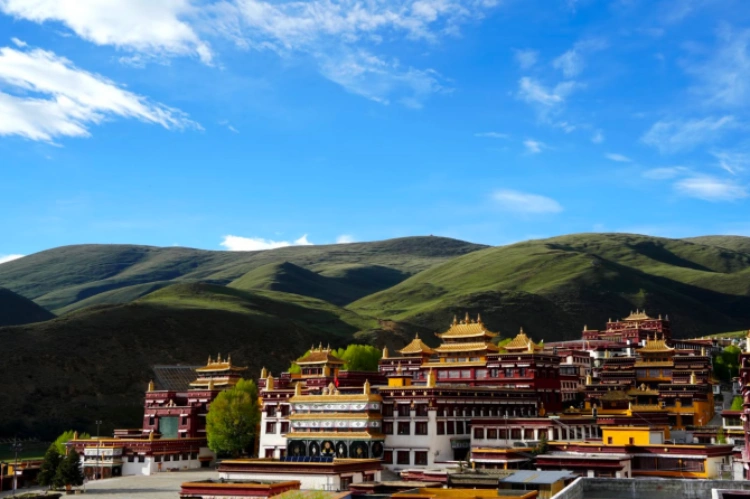
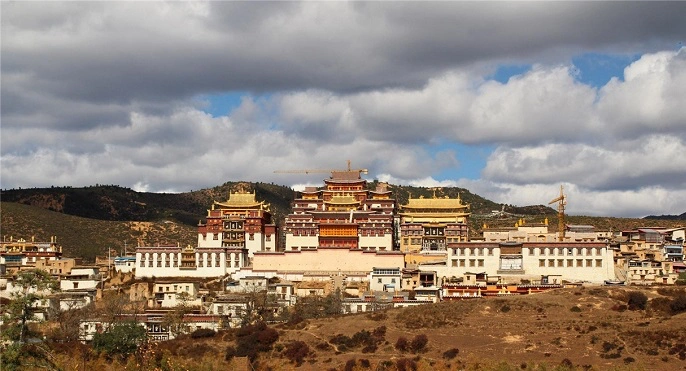
Litang holds an important place in Tibetan Buddhism and is known as the birthplace of several prominent religious figures. The town’s monasteries and traditional lifestyle offer a fascinating glimpse into authentic Tibetan culture.
After exploring Litang, we continue to Cuopu Valley, a lesser-known gem hidden among snow-capped peaks. The valley is home to pristine forests, alpine lakes, hot springs, and ancient monasteries. Compared with more famous destinations, Cuopu feels remote, peaceful, and remarkably untouched.
As evening approaches, we settle into the valley and enjoy one of the most beautiful natural settings along the Sichuan-Tibet Highway.
Highlights
- Visit one of the world’s highest towns
- Experience authentic Tibetan culture in Litang
- Discover the hidden beauty of Cuopu Valley
Tips
- Walk slowly and avoid strenuous activity.
- Sun protection is essential at high altitudes.
- Nights become noticeably colder here.
- Overnight: Cuopu
- Meals: Breakfast
Day 4: Cuopu Valley → Mountain Passes → Mangkang
Distance: ~160km
Drive Time: ~3.5 hrs
The Experience:
This morning, we leave Cuopu Valley and continue westward through some of the most spectacular scenery on the eastern Tibetan Plateau.
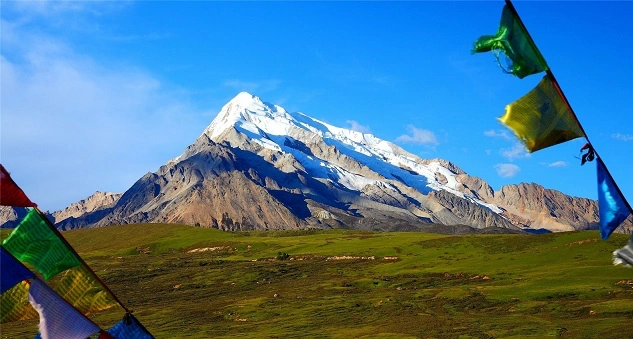
As we drive, you’ll notice colorful prayer flags fluttering across ridgelines and whitewashed Tibetan houses scattered throughout the landscape. These are signs that we are now firmly within traditional Tibetan cultural regions.
Today’s journey is shorter, allowing us to stop frequently for photography and to appreciate the scenery. Rather than rushing, we take time to enjoy the changing landscapes and learn more about local customs and traditions from our guide.
By afternoon, we arrive in Mangkang, an important town where routes from Sichuan and Yunnan converge before continuing toward central Tibet.
Highlights
- Scenic mountain roads and Tibetan villages
- Deeper immersion into Tibetan culture
- Relaxed pace with excellent photography opportunities
Tips
- Keep warm layers accessible during the drive.
- Mountain weather can change unexpectedly.
- Charge cameras and phones whenever possible.
- Overnight: Mangkang
- Meals: Breakfast
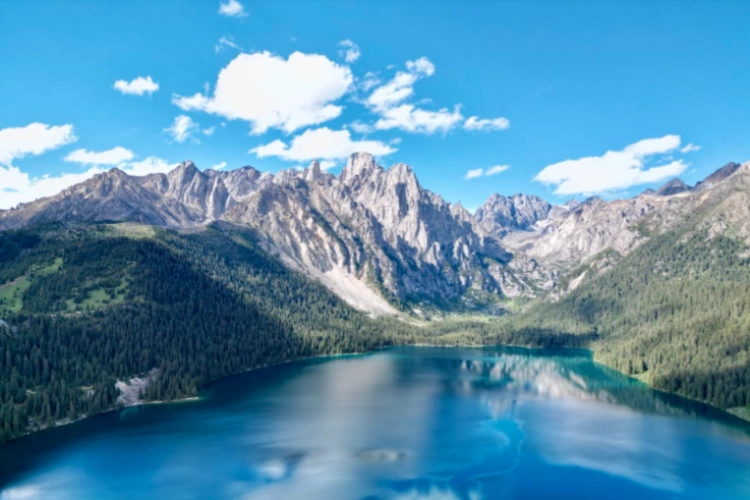
Day 5: Mangkang → Dongda Pass → Zogong → Basu
The Experience:
Today is one of the most dramatic driving days of the journey. We cross several major mountain passes while traveling through some of the wildest landscapes along the G318.
We pass through Zogong and continue westward, witnessing the incredible scale of eastern Tibet.
This section of the route is famous among overland travelers because every hour reveals completely different scenery.
By evening, we reach Basu, a small Tibetan town surrounded by impressive mountain scenery. After a long but rewarding day, we settle in and prepare for some of Tibet’s most beautiful lakes and forests ahead.
Highlights
- Cross multiple high-altitude mountain passes
- Experience the dramatic landscapes of eastern Tibet
- Enjoy one of the most scenic sections of the G318
Tips
- Bring snacks for the long driving day.
- Stay hydrated throughout the journey.
- Motion sickness medication may help sensitive travelers.
- Overnight: Basu
- Meals: Breakfast
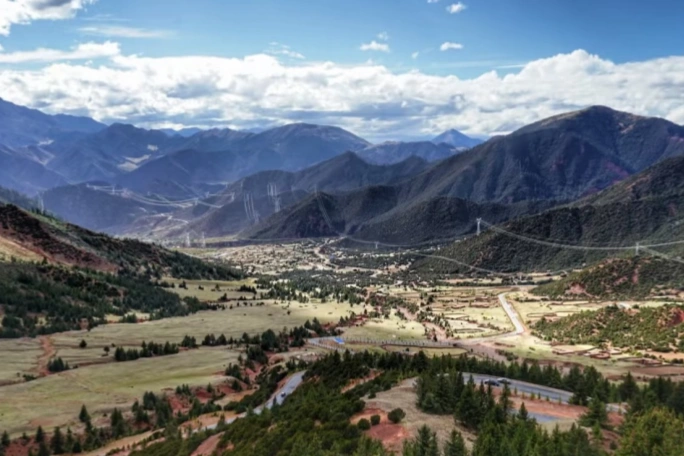
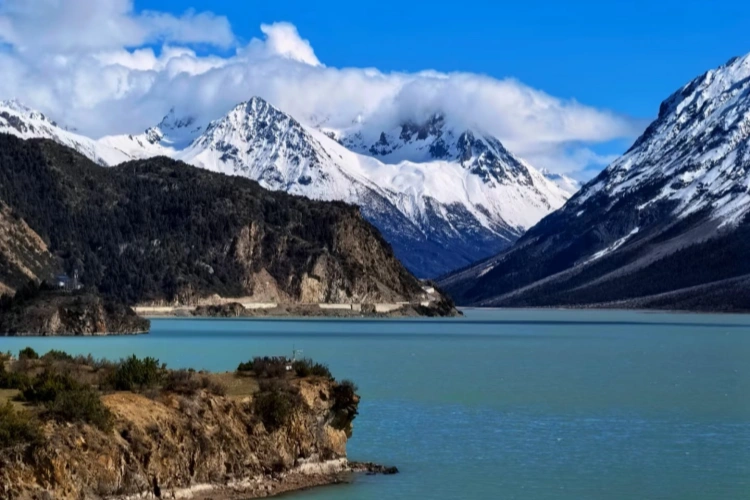
Day 6: Basu → Ranwu Lake → Midui Glacier Area → Bomi
Distance: ~220km
Drive Time: ~4.5 hrs
The Experience:
Today’s route showcases a softer side of Tibet.
After leaving Basu, we arrive at the stunning Ranwu Lake, one of the most beautiful lakes on the Tibetan Plateau.
Surrounded by snow-covered peaks and forests, the lake’s turquoise waters reflect the surrounding mountains like a mirror. We spend time walking along the shoreline and enjoying the peaceful atmosphere.
Continuing west, we pass near the Midui Glacier area, where glaciers descend unusually close to forests and farmland. The contrast between ice, rivers, forests, and villages creates scenery unlike anywhere else in Tibet.
As we approach Bomi, the landscape becomes greener and more humid. Thanks to the influence of the Indian monsoon, this region supports dense forests rarely associated with Tibet.
Highlights
- Admire the beauty of Ranwu Lake
- View glacier landscapes near Midui
- Experience Tibet’s unexpectedly lush forests
Tips
- Morning light is best for lake photography.
- Bring a light rain jacket.
- Keep binoculars handy for wildlife spotting.
- Overnight: Ranwu
- Meals: Breakfast
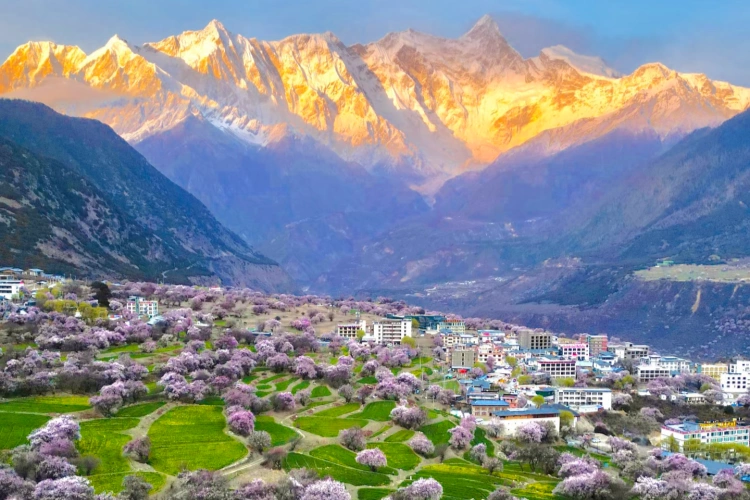
Day 7: Bomi → G318 Scenic Route → Nyingchi
Distance: ~230km
Drive Time: ~4.5 hrs
The Experience:
Today, we travel through one of Tibet’s most scenic regions. The road follows river valleys, forests, and mountain ranges as we make our way toward Nyingchi.
Often called “the Switzerland of Tibet,” Nyingchi surprises many travelers with its green landscapes and relatively mild climate. Along the route, we pass traditional villages, farmland, and spectacular viewpoints overlooking the surrounding mountains.
Compared to the stark beauty of the plateau, this region feels softer and more welcoming. The combination of forests, rivers, and snow peaks creates some of the most diverse scenery of the entire trip.
By late afternoon, we arrive in Nyingchi and enjoy a relaxing evening in one of Tibet’s most comfortable cities.
Highlights
- Travel through Tibet’s greenest landscapes
- Scenic drives along rivers and forests
- Discover a different side of Tibet
Tips
- Keep your camera accessible throughout the drive.
- Evening temperatures remain comfortable here.
- Local Tibetan restaurants are worth trying.
- Overnight: Nyingchi
- Meals: Breakfast
Day 8: Basumtso Lake → Mila Pass → Lhasa
Distance: ~470km
Drive Time: ~6.5 hrs
The Experience:
This morning, we visit beautiful Basumtso Lake, one of Tibet’s most sacred lakes. Surrounded by forests and mountains, the lake offers a peaceful setting and an important connection to local religious traditions.
After exploring the lake, we continue west toward Lhasa. Along the way, we cross Mila Pass and gradually descend into the valley that leads to Tibet’s spiritual capital.
Arriving in Lhasa is a special moment. After more than a week on the road, you’ve experienced the gradual transition from Sichuan to the heart of Tibetan civilization. The city appears beneath distant mountains, crowned by the magnificent Potala Palace.
Tonight, we take it easy to continue acclimatizing before tomorrow’s cultural exploration.
Highlights
- Visit sacred Basumtso Lake
- Cross the famous Mila Pass
- Arrive in the holy city of Lhasa
Tips
- Avoid strenuous activity after arriving in Lhasa.
- Continue drinking plenty of water.
- Take time to enjoy your first view of Potala Palace.
- Overnight: Lhasa
- Meals: Breakfast
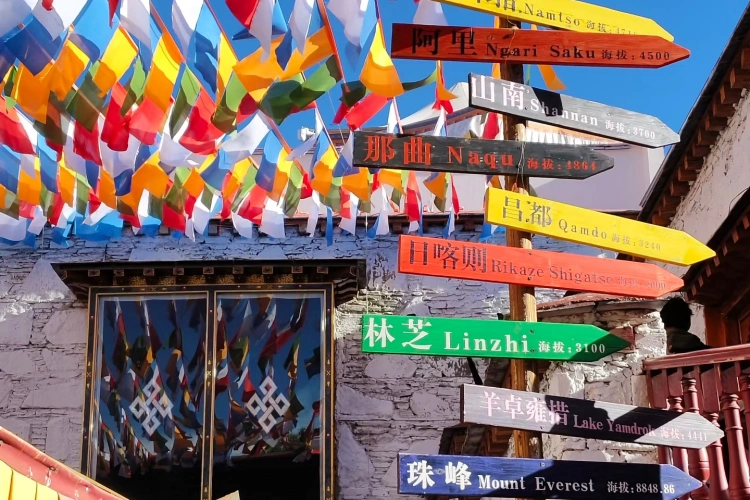
Day 9: Potala Palace → Jokhang Temple → Barkhor Street
The Experience:
Today is dedicated to exploring the spiritual and cultural heart of Tibet.
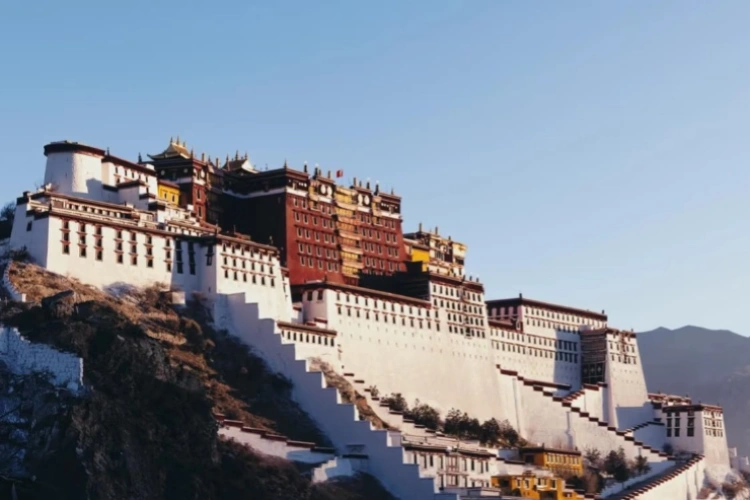
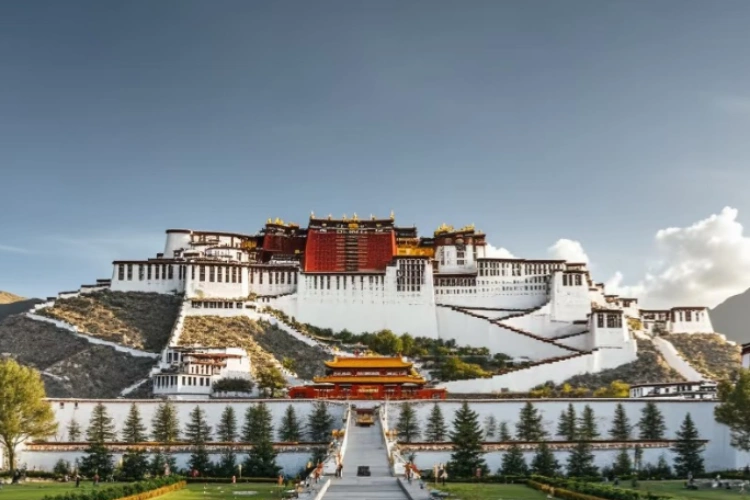
We begin at the Potala Palace, the most recognizable symbol of Tibet and the former winter residence of the Dalai Lamas.
As we walk through its halls, chapels, and corridors, you’ll gain insight into centuries of Tibetan history, religion, and politics. The palace’s architecture and setting remain among the most impressive in Asia.
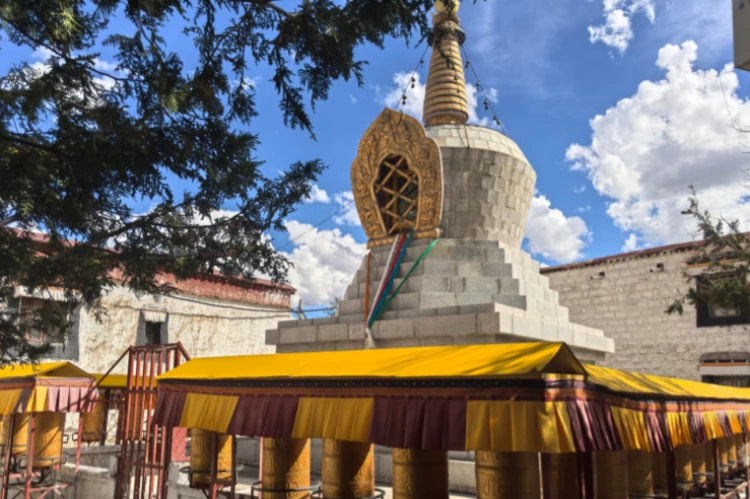
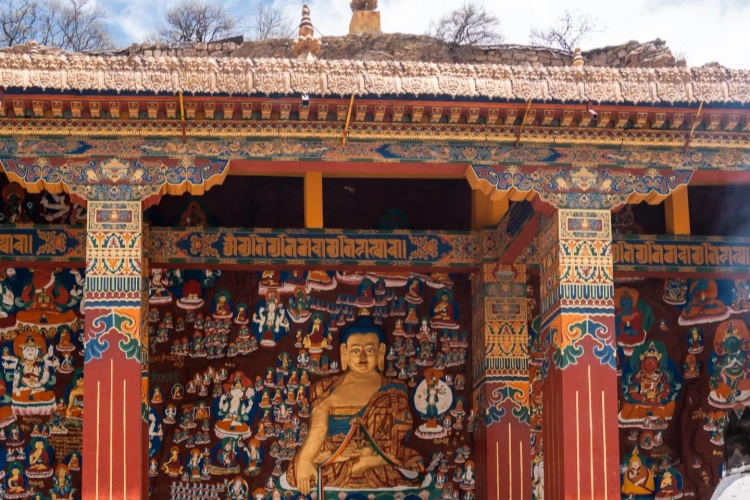
Next, we visit Jokhang Temple, Tibet’s most sacred religious site. Pilgrims from across the Tibetan Plateau travel here to worship, creating an atmosphere that is both moving and unforgettable.
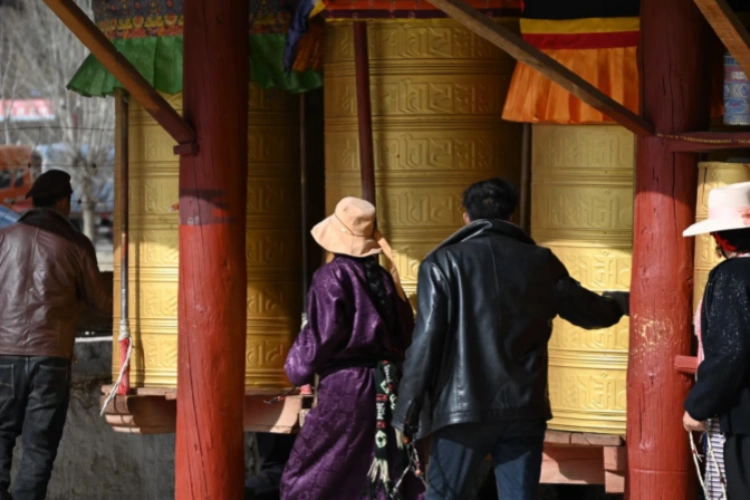
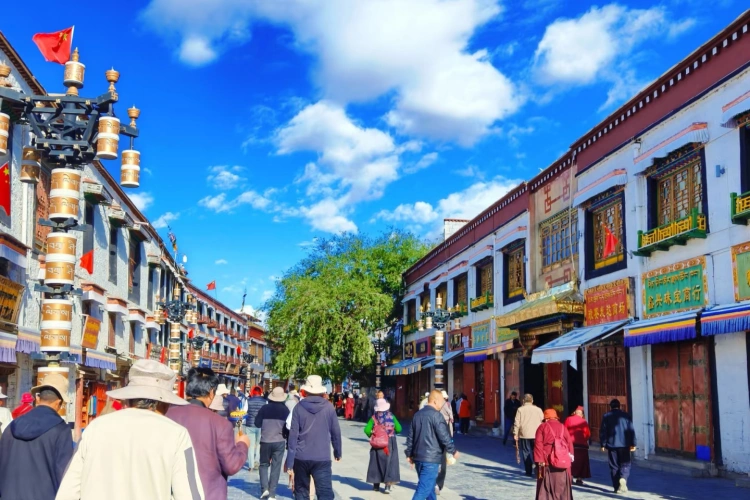
We finish the day walking through Barkhor Street, where pilgrims, monks, traders, and locals gather. The scent of incense, spinning prayer wheels, and lively market stalls create one of the most authentic cultural experiences in Tibet.
Highlights
- Explore the iconic Potala Palace
- Visit Tibet’s holiest temple
- Experience local life around Barkhor Street
Tips
- Wear comfortable walking shoes.
- Photography restrictions apply in some areas.
- Respect local religious customs and practices.
- Overnight: Lhasa
- Meals: Breakfast
Day 10: Lhasa | Departure
The Experience:
After breakfast, we transfer you to Lhasa Airport or the railway station for your onward journey.
Over the past ten days, you’ve traveled one of the world’s great overland routes, crossing mountain passes, grasslands, forests, lakes, and ancient Tibetan towns before arriving in the spiritual heart of Tibet.
We hope this journey has offered not only spectacular scenery but also a deeper understanding of Tibetan culture, history, and daily life.
Highlights
- Comfortable departure transfer
Tips
- Allow extra time for airport security procedures.
- Keep permits and passports accessible.
- Meals: Breakfast
Accommodation
- Chengdu: 1 Night
- Yajiang: 1 Night
- Cuopu: 1 Night
- Mangkang: 1 Night
- Basu: 1 Night
- Bomi: 1 Night
- Nyingchi: 1 Night
- Lhasa: 2 Nights
We carefully select clean, comfortable, and well-located accommodations throughout the journey. In major cities such as Chengdu and Lhasa, we typically use quality 3-4-star hotels. Along the G318 route, where accommodation options are more limited, we choose the best available boutique hotels, Tibetan-style lodges, or comfortable local guesthouses with private bathrooms whenever possible.
As every traveler has different preferences, all accommodation arrangements can be 100% tailor-made, from budget-friendly stays to premium luxury hotels.
Cost
Included
- Tibet Travel Permit
- Private air-conditioned vehicle throughout the trip
- Experience local driver
- Expert English-speaking local guide
- All listed sightseeing and entrance tickets
- 9 nights of hand-picked accommodation with breakfast.
- Airport or railway station transfers in Chengdu and Lhasa
- Travel insurance
Excluded
- International or domestic flights to Chengdu
- Lunches and dinners
- Personal expenses
- China visa fees
- Gratuities for guide and driver
- Optional activities not listed in the itinerary
- Single room supplement
Transportation
This itinerary uses a private vehicle throughout the entire journey, offering a much more flexible and comfortable experience compared with public transportation or fixed group tours.
Depending on your group size, we typically arrange:
- Comfortable 5–7 seat SUVs or MPVs for couples, families, or small groups
- Spacious business vans for larger groups
Essential Tips
- Spending 1-2 days in Chengdu before departure can help with acclimatization.
- Pack warm layers, even during summer, as temperatures vary significantly along the route.
- Bring sunscreen, sunglasses, and lip balm due to strong UV exposure at high altitude.
- Mobile payment apps such as WeChat Pay and Alipay are widely accepted.
- Carry your passport at all times, as multiple permit and security checks are required.
- Altitude sickness can affect anyone; travel at a comfortable pace and stay hydrated.
- Road conditions are generally good, but weather can occasionally affect travel times.
Gallery
FAQ
Is the Chengdu to Tibet overland tour suitable for first-time visitors to Tibet?
Yes. Many travelers consider the G318 route the best introduction to Tibet because the gradual ascent allows better acclimatization compared to flying directly to Lhasa.
How difficult is the Chengdu to Lhasa road trip?
The journey involves long but scenic driving days. Roads are generally well-maintained, and no trekking experience is required.
Do foreigners need a Tibet Permit for this route?
Yes. All foreign travelers need a Tibet Travel Permit before entering Tibet. We arrange all necessary permits as part of the tour.
What is the highest altitude on the G318 route?
Several mountain passes exceed 4,500 meters, with some sections reaching over 5,000 meters above sea level.
When is the best time to travel from Chengdu to Tibet?
Spring (April–June) and autumn (September–October) offer the most stable weather, clear mountain views, and comfortable temperatures.
Can I customize the itinerary?
Absolutely. We can adjust accommodation standards, sightseeing stops, travel pace, and route length according to your interests and travel style.
Is the G318 Highway safe?
Yes. The G318 is one of China’s most famous road-trip routes and is generally safe when traveled with experienced local drivers familiar with mountain conditions.
How many hours do we drive each day?
Daily driving times typically range from 4 to 8 hours, with regular sightseeing stops, photography breaks, meals, and rest periods along the way.
Why choose an overland tour instead of flying directly to Lhasa?
The overland route offers some of Tibet’s most spectacular scenery, allows gradual altitude adaptation, and provides a much deeper cultural and landscape experience than flying directly into Lhasa.
What are the biggest highlights between Chengdu and Lhasa?
Most travelers remember the breathtaking mountain passes, Xinduqiao’s golden landscapes, Litang’s high-altitude grasslands, Ranwu Lake, Nyingchi’s forests, and finally arriving in the sacred city of Lhasa after crossing the Tibetan Plateau.